









- 21st Century Business Herald: AI and CTV Become Core Growth Engines for Digital Marketing in Overseas MarketsNov 18, 2026View details
- China Presents 25 Cooperation Outcomes in Areas Including Cross-Border E-Commerce During APECNov 18, 2026View details
- AI Products Drive Hong Kong Exports Up 64.9% in September, Fastest Growth in Over 40 YearsNov 17, 2026View details
- National Bureau of Statistics: Foreign trade grew rapidly in October, providing stable support for global tradeNov 17, 2026View details
- The U.S. has ended the $800 de minimis exemption for non-postal shipments; express courier packages must be formally declared.Nov 16, 2026View details
- ASEAN Signs Digital Economy Framework Agreement, Moving Toward Harmonized Cross-Border E-Commerce RulesNov 15, 2026View details
How Does Keyword Competition Affect Google SEO Costs?
How Does Keyword Competition Affect Google SEO Costs?
When evaluating the cost of Google SEO, the more competitive the keywords, the greater the content and technical investment is often required. But “high competition” alone is not a sufficient reason for a high quote. A reasonable fee should clearly explain which market you are targeting, which pages you need to outrank, what gaps need to be addressed, and whether these investments can generate qualified inquiries.
For international trade companies, what they really need to purchase is not a keyword ranking report, but an execution plan covering everything from website fundamentals and search visibility to inquiry conversion. Comparing only “the price per keyword” can easily lead to comparing services with different scopes of work.
Assess Competition by Reviewing Search Results, Not Just Tool Scores
Keyword difficulty scores can help with screening, but they cannot be directly converted into a quote. Different tools use different calculation methods. Competition in Google Ads primarily reflects competition among advertisers and is not the same as the difficulty of ranking organically. Even industrial procurement keywords with low search volumes may be dominated by specialist manufacturers over the long term.
A more reliable approach is to review search results in the target country and language: Are the top-ranking pages from manufacturers, marketplaces, or informational websites? Do they include complete specifications, application details, and purchasing support? If the results are mainly tutorials, pushing a product page may not be suitable. If they are all category pages from established suppliers, adding a few informational articles is usually not enough.
The Spanish-speaking market should not be treated as a single market either. Procurement terminology, delivery information, and competing websites may differ between Spain and Latin America. The target region should be defined before requesting a quote, rather than using the same set of translations across all markets.
Why Are High-Competition Keywords More Expensive? Break Down the Costs
Cost differences mainly come from three types of work. For content, product experts may need to provide selection criteria, process limitations, and application information, which editors then organize and localize. Technical work may involve duplicate pages, crawl paths, multilingual markup, and loading performance. Off-site work should generate genuine visibility and citations through relevant industry channels, rather than buying bulk links.
However, high competition does not mean everything needs to be redone. Companies with a solid website foundation may need to spend most of their budget on strengthening content; websites with indexing issues should address technical problems first. Asking service providers to explain the relationship between the current state, gaps, tasks, and acceptance criteria is more useful than accepting a vague surcharge for high difficulty.

When requesting quotes, also separate one-time diagnostic and redesign costs from ongoing content and maintenance fees, as well as third-party tool or promotion expenses. Otherwise, a lower monthly fee may exclude development and implementation, with additional tasks later accounting for most of the cost.
With a Limited Budget, You Don’t Have to Start with the Broadest Keywords
Industrial companies expanding overseas can first assess procurement-oriented keyword phrases such as “product + specifications,” “product + application,” and “product + customization requirements.” These phrases may not all have significant search volumes, but they are more likely to correspond to clear product pages and inquiry channels. However, long-tail keywords are not necessarily less competitive, so search results still need to be reviewed individually.
Budget planning should be grounded in the business itself: What are the margins on the target products? How long is the sales cycle? What qualifies as a good inquiry? Divide total SEO-related investment over the same reporting period by the number of qualified inquiries to track customer acquisition costs at each stage. Also distinguish branded from non-branded keywords to avoid attributing all existing brand demand to optimization.
If you need to validate demand quickly, Google Ads can be used for supplementary testing, but the advertising budget must be listed separately. Ad performance can help assess keyword intent, but it does not prove that organic rankings will bring in customers at the same cost.
When Purchasing Website and Marketing Services Together, Define the Cost Boundaries
Founded in 2013 and headquartered in Beijing, Yiyingbao Information Technology (Beijing) Co., Ltd. provides AI-powered website building, multilingual websites, Google SEO, and advertising services. This type of integrated solution makes it easier to coordinate page updates, content publishing, and inquiry tracking. However, when purchasing, you should still confirm whether technical fixes are included in the package, who reviews the content, and whether the data and website can be migrated.
Infrastructure costs should also be separated from SEO service fees. For example, the website traffic package integrated with Yiyingbao’s cloud-based intelligent website-building system uses a prepaid model to offset IPv4 outbound traffic charges for eligible cloud services and provides balance monitoring. It manages server traffic expenses; it does not purchase genuine visitors or guarantee rankings. To determine whether it is suitable, check the cloud resources, region, validity period, and overage billing rules.
A Reasonable Quote Should Ultimately Be Measurable Against Clear Acceptance Criteria
The contract should at least specify the target countries and languages, keyword groups, page scope, technical tasks, and reporting methodology. Content should not be accepted based solely on the number of articles; it should also be assessed for whether it answers procurement questions and has undergone expert review. Ranking reports should use a fixed location and measurement method, and progress should be evaluated alongside impressions and clicks in Google Search Console and the number of qualified inquiries received.
Be wary of promises such as “guaranteed first-page rankings” or “fast results from bulk backlinks.” Organic rankings are affected by competitors and changes to search systems. Service providers can commit to work and deliverables, but they cannot control final positions. When comparing proposals, have all providers quote based on the same target keywords, the same website status, and the same acceptance scope. This is the only way to determine whether price differences reflect the depth of execution or the omission of necessary work.
Related Articles
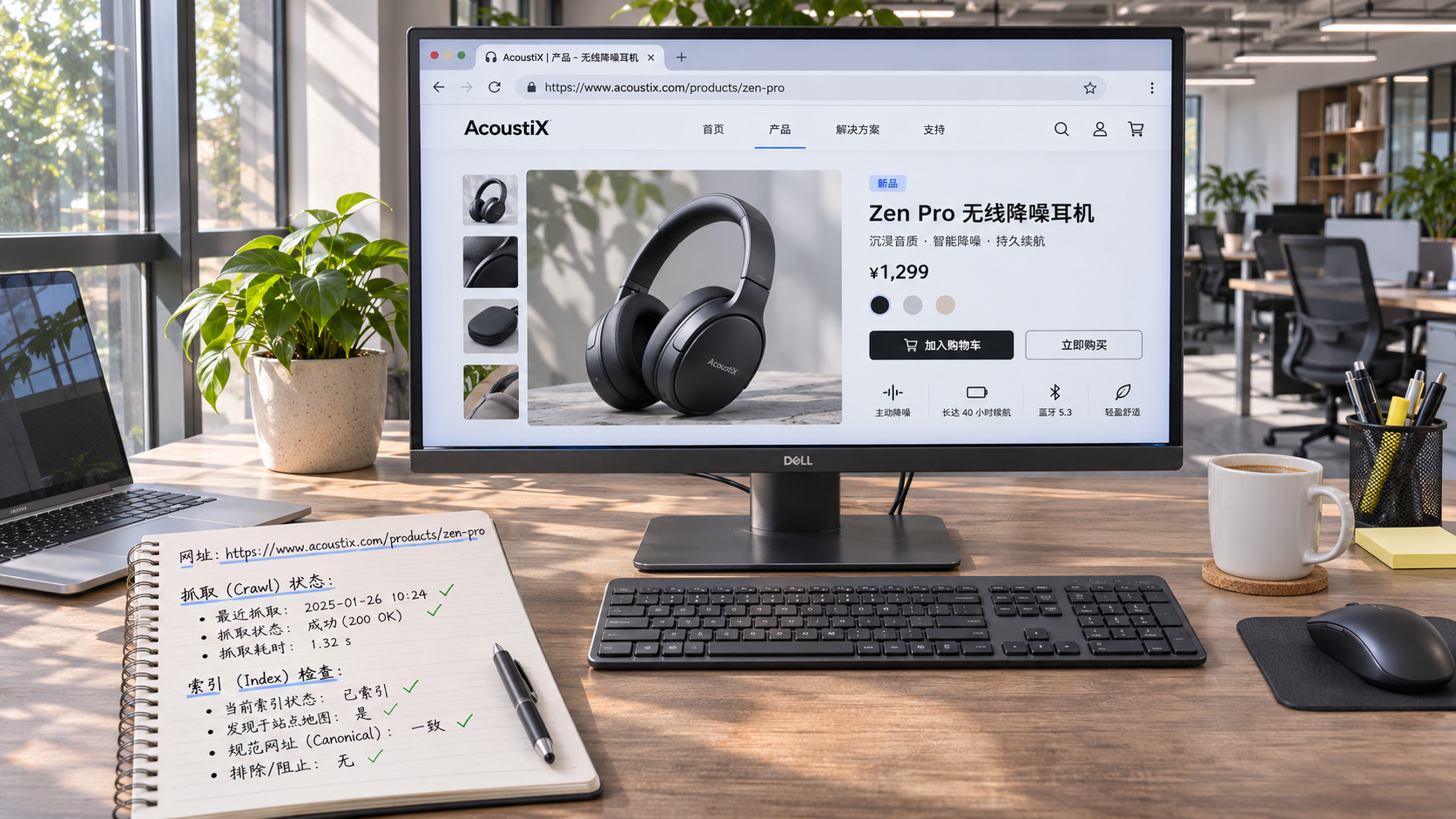
 How to troubleshoot when your website isn’t indexed by Google?
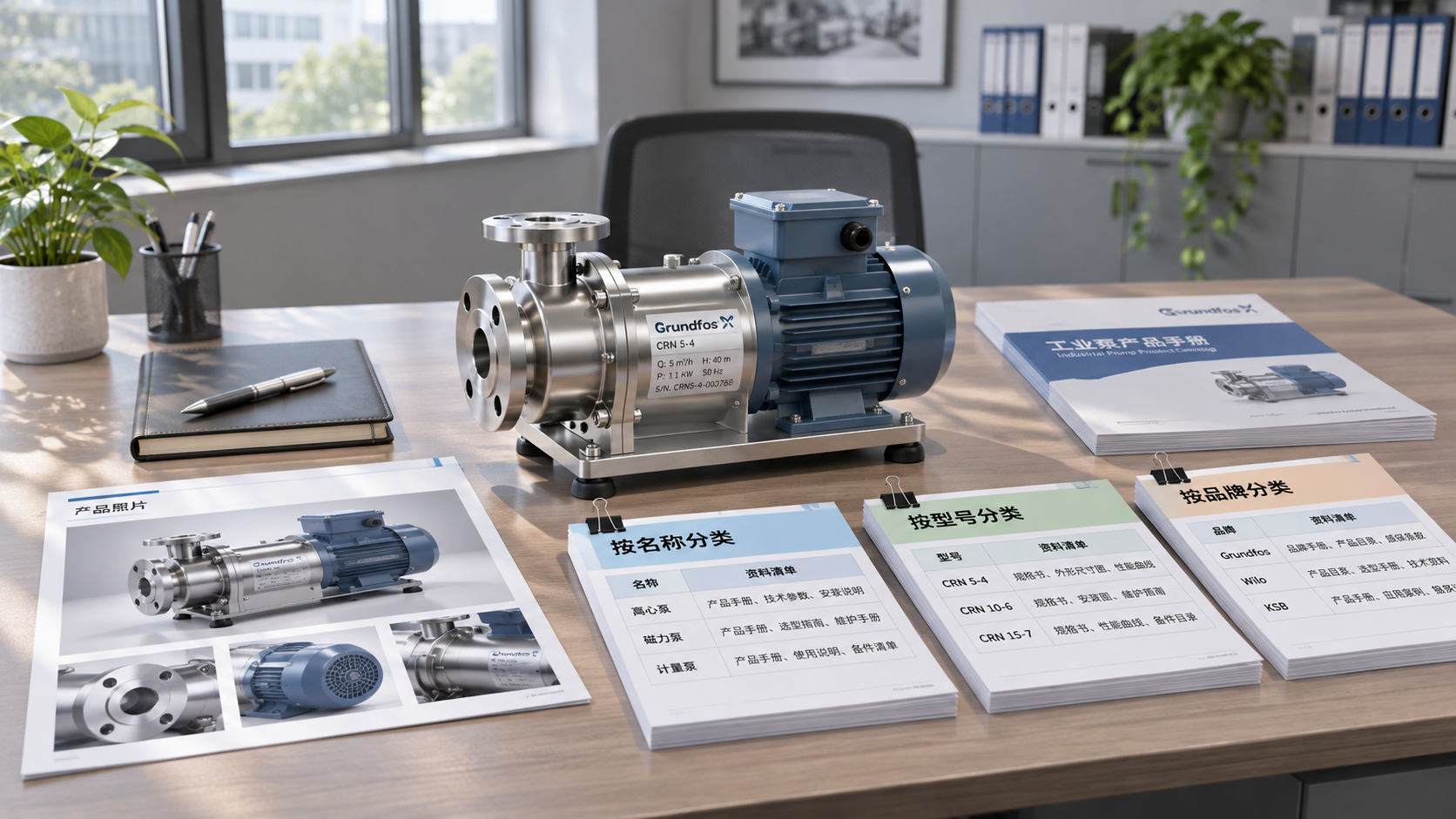
 How to Add Structured Data to Product Pages with JSON-LD
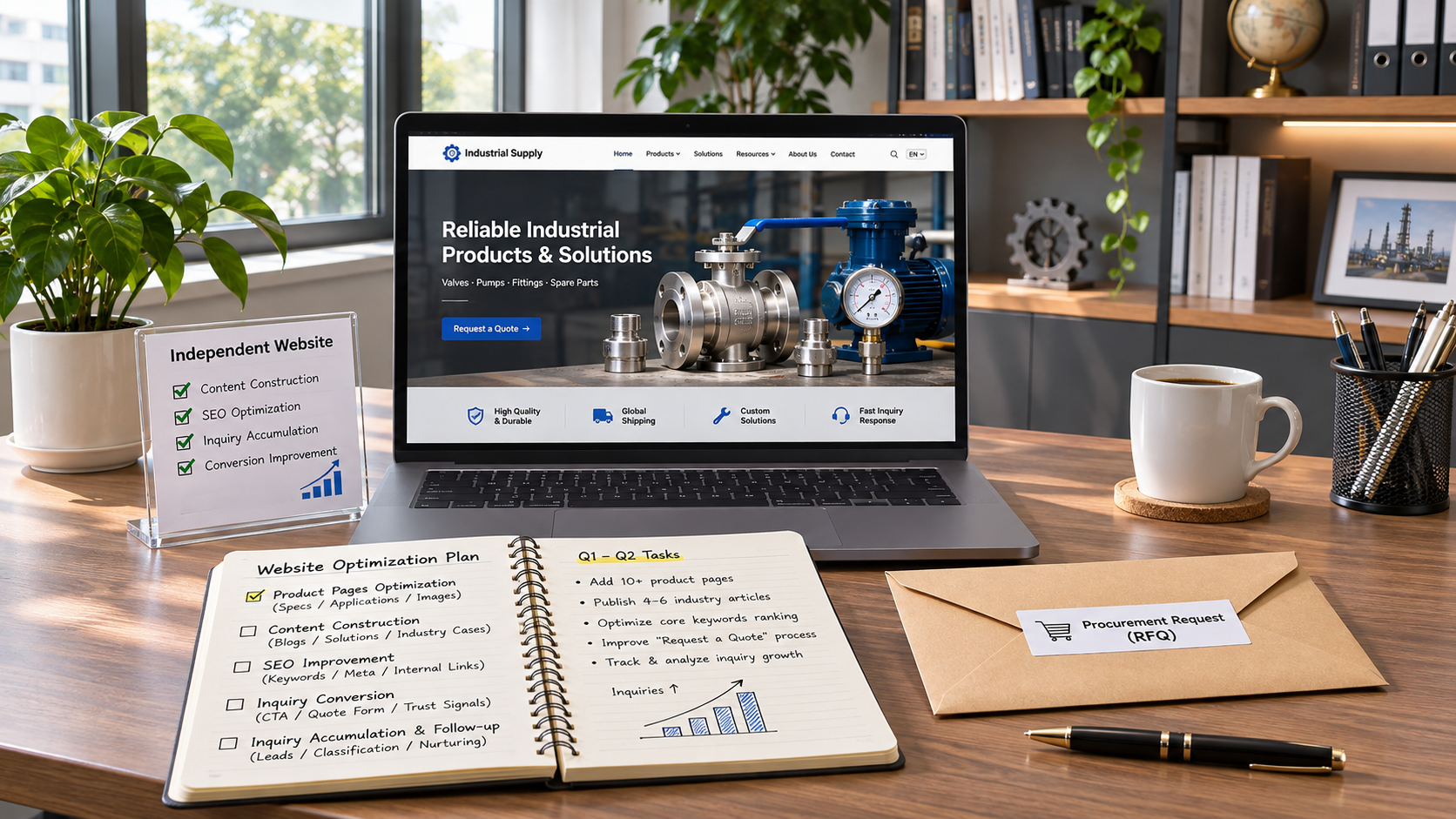
 How Long Does It Take to See an Increase in Inquiries from SEO for Your Website?
Related Products
 Yiyingbao SaaS Intelligent Website Building and Marketing SystemYiyingbao SaaS Intelligent Website Building and Marketing System, AI-powered no-code website building, rapid creation of multilingual B2B international websites in 10 minutes, global server acceleration, AI-powered SEO optimization, helping businesses connect efficiently with global markets. The perfect integration of technology and operation makes building an international trade website remarkably simple
 AI+SEM Intelligent Advertising Marketing SystemAI+SEM drives intelligent ad creation, empowering full-funnel precision advertising marketing. The system automatically generates weekly/monthly reports, AI recommends keywords and target countries, monitors core metrics in real-time with intelligent alerts, and enables one-click high-conversion ad solutions to help quickly acquire customers and improve ROI.
 AI+SEO Dual-Engine System Optimization ServicesYiyingbao’s AI+SEO dual-engine optimization system helps foreign trade enterprises acquire high-quality organic traffic through AI-powered keyword research, content generation, and comprehensive technical optimization, significantly improving search rankings and conversion rates.
 AI+SNS Social Media Marketing SystemYingbao AI+SNS Social Media Marketing System - Precision social capture for the social media era. Supports one-click content synchronization across major platforms like Facebook and LinkedIn. AI intelligently rewrites posts for enhanced relevance. 24/7 AI customer service and user profiling analysis empower businesses to efficiently expand into global markets.
 AI+SEO营销解决方案易营宝AI+SEO营销解决方案,通过AI批量写作、智能生成TDK、精准关键词扩词等功能,全面优化网站SEO效果,提升流量与转化率。助力企业构建高效智能网站新生态。
 AI+SEM Advertising Marketing SolutionsAI+SEM Advertising Marketing Solution leverages AI technology to deeply empower SEM ad campaigns. It automatically generates weekly/monthly reports using AI, presenting account data across multiple dimensions for comprehensive insights into campaign performance and trends. The system precisely recommends keywords and target countries, intelligently generates high-conversion ad copy, and enables one-click activation of efficient campaign plans to help businesses rapidly acquire customers. Simultaneously, it monitors core metrics in real time, intelligently identifies abnormal fluctuations, and issues timely alerts to ensure stable, high-return advertising results.
 Domain Name ServicesEasyWin provides professional domain name services, including intelligent queries, one-stop registration, brand protection, and full lifecycle management, helping businesses build a digital brand image.
 EasyOperate B2C Cross-Border E-Commerce Platform & Independent WebsiteEasyStore B2C Cross-border E-commerce Independent Store is an intelligent website building and cross-border e-commerce integrated solution independently developed by EasyStore Information Technology (Beijing) Co., Ltd. The system is specially designed for small and medium-sized as well as large export enterprises, integrating 'website building, operation, marketing, advertising, and conversion' into one, helping enterprises quickly establish cross-border e-commerce independent stores to achieve brand globalization and global sales growth.
The platform supports multiple languages, multiple currencies, and multi-channel marketing, with built-in AI intelligent translation and SEO optimization systems, suitable for mainstream markets such as Southeast Asia, Europe and America, Latin America, and the Middle East, assisting Chinese manufacturing enterprises in efficiently deploying international e-commerce strategies. SSL证书易营宝提供专业SSL安全证书服务,包括单域名和泛域名证书,确保网站数据传输加密、身份验证和完整性保护,助力企业建立安全可信的在线业务环境。









