









- 21st Century Business Herald: AI and CTV Become Core Growth Engines for Digital Marketing in Overseas MarketsNov 18, 2026View details
- China Presents 25 Cooperation Outcomes in Areas Including Cross-Border E-Commerce During APECNov 18, 2026View details
- AI Products Drive Hong Kong Exports Up 64.9% in September, Fastest Growth in Over 40 YearsNov 17, 2026View details
- National Bureau of Statistics: Foreign trade grew rapidly in October, providing stable support for global tradeNov 17, 2026View details
- The U.S. has ended the $800 de minimis exemption for non-postal shipments; express courier packages must be formally declared.Nov 16, 2026View details
- ASEAN Signs Digital Economy Framework Agreement, Moving Toward Harmonized Cross-Border E-Commerce RulesNov 15, 2026View details
What Factors Affect the Cost of SEO for German Foreign Trade Websites?
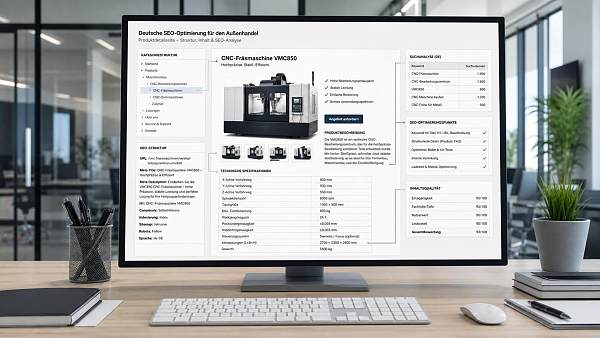
German-language SEO pricing for foreign trade websites is usually not fixed within a certain range simply because the work is conducted in German. The factors that truly create cost differences are the workload of the project itself and the intensity of subsequent maintenance. Even when optimizing German websites, some sites may only need their navigation structure organized, copy revised, and basic tags completed, while others may require a complete restructuring of the information architecture, resolution of technical issues, and reconstruction of the content system. Naturally, the quotations will not be the same. Comparing only the total price often overlooks which tasks are included and which are excluded, resulting in higher additional costs later.
First, consider the level of industry competition. In the German market, keywords in fields such as industrial equipment, mechanical components, chemical raw materials, electronic accessories, and building materials are often highly competitive. This is not only because there are many competitors, but also because search results frequently include long-established local websites, distributor pages, industry directories, and technical document pages. For example, if a website offering CNC-machined parts targets terms involving material grades, tolerance classes, surface treatment, batch customization, delivery times, and other specific search intents, the problem cannot be solved by writing a few general introductions. The service provider needs to segment keyword groups, determine commercial intent, and establish the corresponding relationship between product pages and technical pages. The more detailed this preliminary research is, the higher the SEO quotation for a German foreign trade website is likely to be.
Keyword difficulty also directly affects costs. Some people look only at the number of search terms and assume that a larger keyword database offers better value, but what matters in practice is the level of each keyword. Brand keywords, category keywords, specification keywords, application keywords, and problem-based keywords differ completely in optimization difficulty. Take fasteners as an example: the broad term “Edelstahl Schrauben” requires a very different strategy and output from long-tail keywords that include the material, head type, thread standard, and application scenario. If the project also requires coverage of standards such as DIN and ISO while taking into account the industry terminology commonly used by German-speaking users, content creation and page layout will become more complex. The more dispersed and specialized the keywords are, and the more they depend on localized expression, the more likely the quotation is to increase.
The current foundation of the website often has a greater impact on the budget than the industry itself. If a website that has been online for many years contains a large number of invalid pages, duplicate titles, specification tables presented as images, filter pages that cannot be crawled correctly, slow mobile loading speeds, or confusing language switching, the optimization work will first become a matter of “fixing the website.” A common problem with foreign trade websites is that product specifications are placed in PDFs while the body content is very limited, making it difficult for search engines to understand the page focus. For products such as machinery, instruments, and building materials, if key information such as dimensions, materials, load capacity, temperature resistance, interfaces, packaging methods, and installation conditions is not structured directly on the page, SEO work cannot be calculated merely as a content publishing fee. It will also include the cost of technical organization and page modifications.
Language quality is also an important component of SEO pricing for German foreign trade websites. German content cannot simply be completed by directly translating Chinese or English pages. This is especially true in industrial and trade scenarios, where terminology errors can directly affect page usability. For example, terms such as “galvanizing,” “anodizing,” “laser cutting,” “injection molding,” and “corrosion resistance” do not always correspond to interchangeable German expressions across different product categories. In addition, content related to transportation and delivery involves established expressions for packaging units, palletization methods, minimum order quantities, delivery locations, sample arrangements, and more. If the pages are expected to follow search behavior while also supporting actual inquiries, the content generally needs to be handled by language editors who understand the industry, and the labor cost for this part is unlikely to be low.
The number of pages changes the pricing structure. Optimization of a small number of core pages generally focuses on diagnosis, page modifications, and content additions. If the website contains dozens of product series, multiple application scenarios, and versions for different countries, the work will shift toward template planning, bulk rule development, and ongoing publishing management. Many projects appear to be “SEO” on the surface but actually require first determining which pages should be retained, merged, or rewritten. For websites with many SKUs, such as those for industrial hoses, valves, pumps, and sensors, creating a separate page for every model by changing only one identification number can easily result in duplicate content. However, placing everything on one large page makes it difficult to cover specific search needs. How these choices are made directly affects the working hours as well as the quotation.
Unclear service boundaries are another reason for major quotation differences. Some plans include only keyword research, basic tag adjustments, and monthly content updates. Others include technical audits, on-site structure optimization, outdated page cleanup, content writing, German proofreading, backlink evaluation, log analysis, conversion page recommendations, and more. Although both quotations may be called “German SEO,” they are not actually offering the same service. In particular, under an integrated website and marketing service model, website-side changes and marketing-side optimization are often interrelated. For example, navigation naming, the placement of inquiry forms, the information hierarchy of product details, and the entry points for downloading materials can all affect search performance and conversion efficiency. Looking only at “the number of articles” or “the number of keywords” can easily lead to an inaccurate assessment.
The technical implementation approach can also raise or lower costs. If the website uses a front-end rendering method that is unfavorable to crawling, has a disorganized URL structure, generates a large number of parameter pages, contains incorrect hreflang settings, or has German pages conflicting with pages in other languages, technical issues must be investigated before optimization begins. Multilingual websites also have a common misconception: placing German content on automatically translated pages while leaving the English site structure unchanged. Although this may appear to save website development time, it often leaves a great deal of basic SEO work to be completed later, including canonicalization, index control, internal linking adjustments, and breadcrumb path standardization. If the technical team is slow to cooperate, the project cycle will be extended, and the quotation will generally reflect this coordination cost.
Requirements for backlinks and off-site content are often one of the most underestimated parts. In the German market, off-site development does not mean simply publishing several directory links. Industry relevance, consistency of the site language, source stability, and page lifespan all affect the actual value. For highly specialized products such as laboratory equipment, industrial consumables, and measuring tools, it is usually difficult to achieve stable results through off-site activities alone if the on-site content foundation is weak. However, if the on-site content is already complete, off-site work needs to be carried out more carefully, which increases the cost of screening and communication. Therefore, some quotations are low because they include little or no off-site work, while others are high because they calculate the labor for this part separately.
The degree of segmentation of the target regions also affects SEO pricing for German foreign trade websites. German content does not always correspond to one unified market. When targeting different regions, there may be subtle differences in wording preferences, unit formats, delivery information, and inquiry priorities. For some products, customers in one region may place greater emphasis on downloading certification documents, while customers in another may care more about installation instructions, after-sales spare parts, or packaging specifications. If the project needs to accommodate search habits across multiple regions while avoiding highly repetitive page content, content planning and page segmentation will need to be more detailed, naturally increasing the workload.
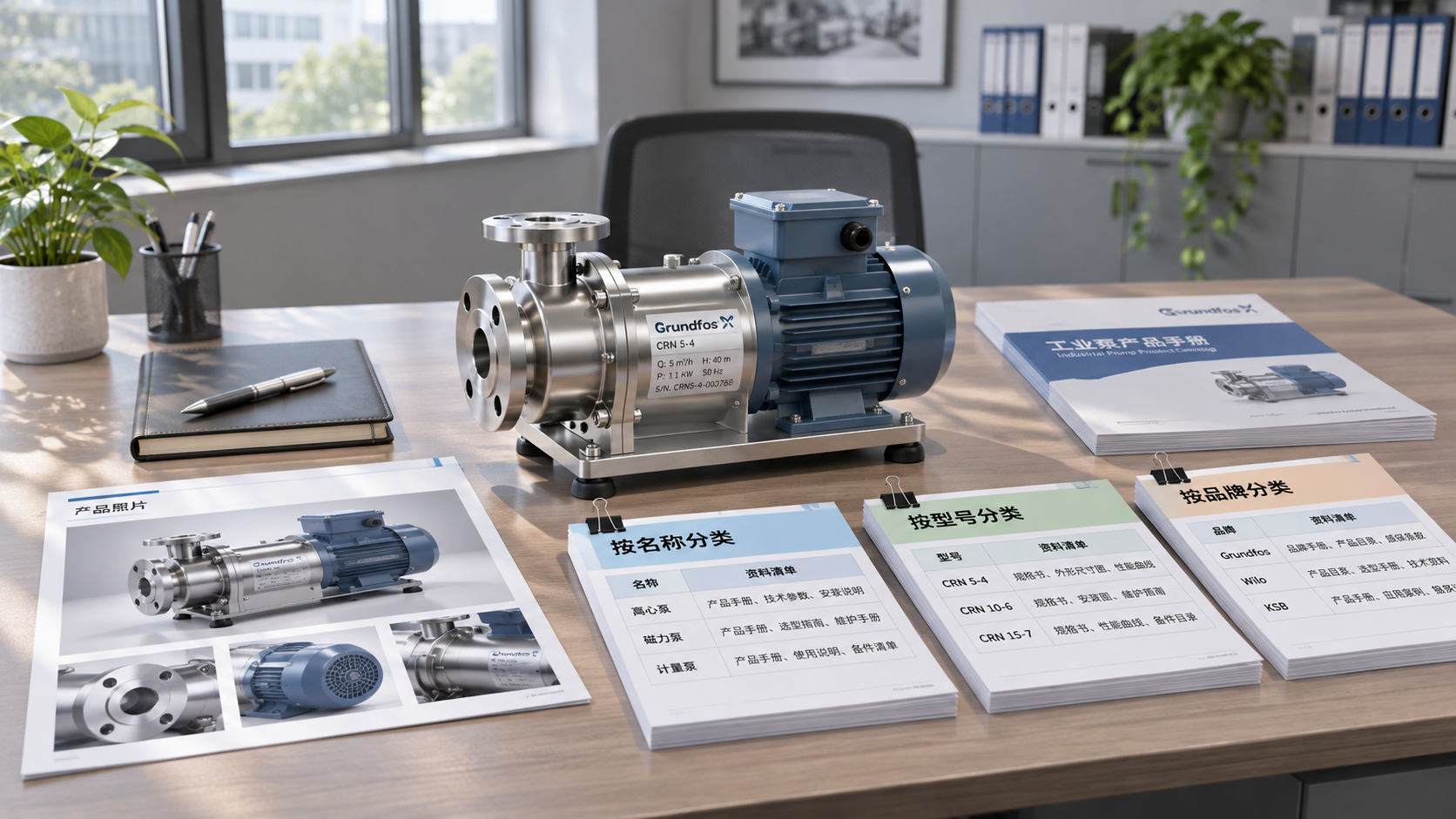
Another frequently overlooked factor is the level of preparation of the source materials. SEO does not exist independently of product information. The information that truly supports German page rankings and conversions is often clear basic data, including product models, material ranges, dimensional tolerances, manufacturing processes, surface treatments, applicable media, operating temperatures, pressure ranges, packaging methods, transportation restrictions, installation precautions, maintenance intervals, and common faults. If this information has long been scattered across sales documents, old catalogs, chat records, or image attachments, organizing it is itself a cost. The more scattered the materials are, the more difficult it is to keep the quotation low.
Schedule requirements also change the cost structure. Under a normal schedule, keyword research, technical corrections, content publishing, crawl feedback, and observation of ranking fluctuations all require time. If multiple tasks must be advanced simultaneously within a short period, this usually means a more intensive content schedule, more rounds of revisions, and more frequent data reviews. It is important to distinguish between increased execution intensity and a guarantee of results, as they are not the same thing. The former can be included in the quotation, while the latter should not simply be treated as part of the service content.
When evaluating SEO pricing for a German foreign trade website, it is best to focus on several specific questions: Does the quotation clearly state the page scope? Does it specify whether technical corrections are included? Who will write or proofread the German content? How will old pages be handled? Are multilingual relationships included in the adjustments? Does the monthly deliverable refer to the number of articles, the number of pages, or verifiable modification items? If these questions are all described vaguely, additional charges are likely to keep appearing during subsequent execution.
Another common misjudgment is to discuss SEO, paid advertising, social media content, and landing page redesign within the same budget. These activities influence one another, but their charging logic is different. If a plan involves website structure modifications, content production, off-site development, and conversion page optimization at the same time, each component's delivery scope needs to be reviewed separately. There is no universal standard for whether a quotation is high or low. The key is whether the work items correspond to actual problems, especially the accuracy of terminology on German pages, the way specifications are presented, and technical crawlability. These are the factors that truly affect costs.
If the existing website has only an average foundation, conducting a diagnosis before discussing long-term execution is often more helpful for understanding where the budget will go than signing up for a complete monthly service package immediately. Ultimately, the factors affecting SEO pricing for German foreign trade websites come down to the current condition of the site, the difficulty of the target keywords, the professionalism of the content, and the depth of the technical modifications required. Once these aspects are separated, the differences in price are usually much easier to understand.
Related Articles
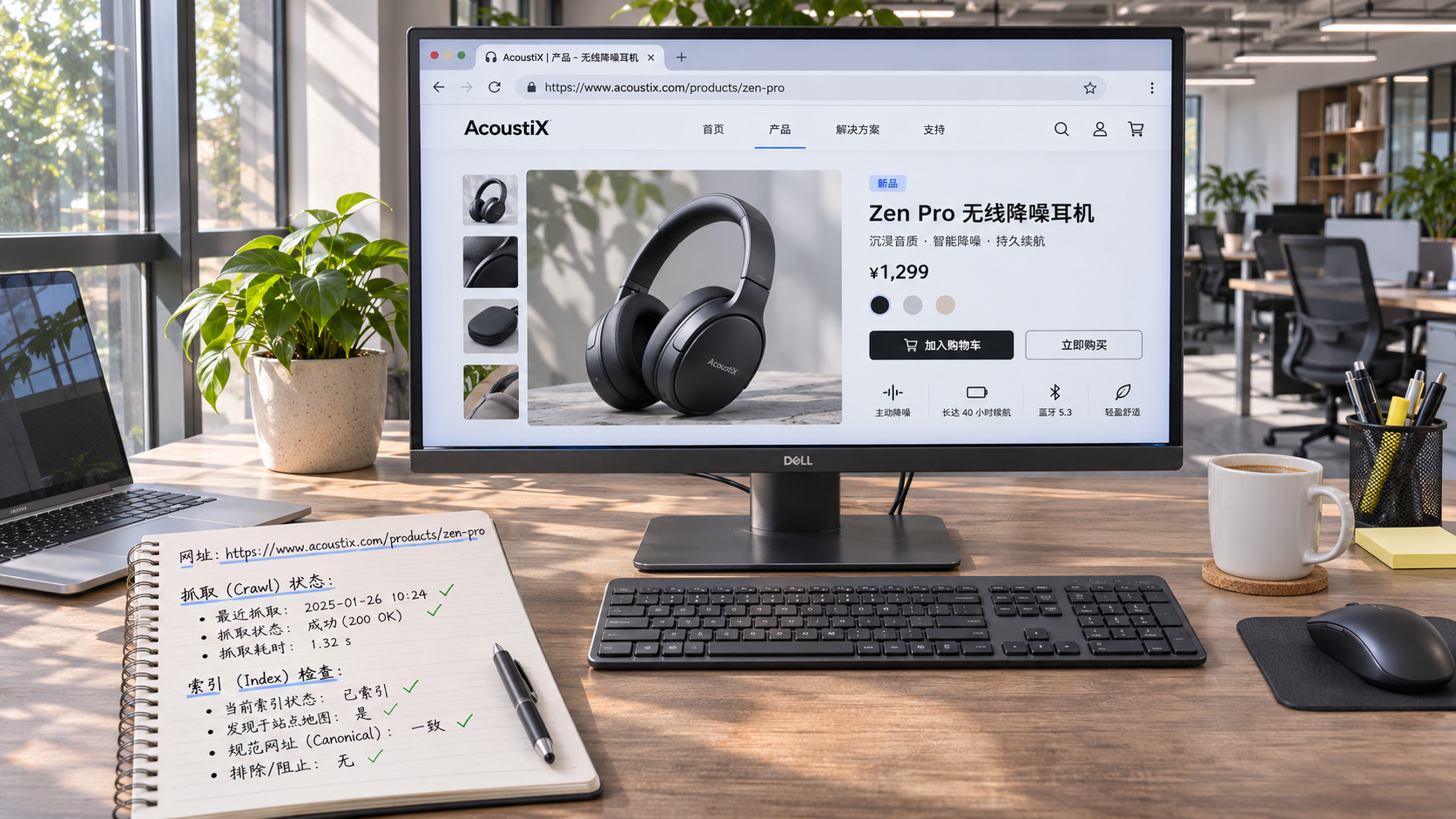
 How to troubleshoot when your website isn’t indexed by Google?
 How to Add Structured Data to Product Pages with JSON-LD
 How Long Does It Take to See an Increase in Inquiries from SEO for Your Website?
Related Products
 Yiyingbao SaaS Intelligent Website Building and Marketing SystemYiyingbao SaaS Intelligent Website Building and Marketing System, AI-powered no-code website building, rapid creation of multilingual B2B international websites in 10 minutes, global server acceleration, AI-powered SEO optimization, helping businesses connect efficiently with global markets. The perfect integration of technology and operation makes building an international trade website remarkably simple
 AI+SEM Intelligent Advertising Marketing SystemAI+SEM drives intelligent ad creation, empowering full-funnel precision advertising marketing. The system automatically generates weekly/monthly reports, AI recommends keywords and target countries, monitors core metrics in real-time with intelligent alerts, and enables one-click high-conversion ad solutions to help quickly acquire customers and improve ROI.
 AI+SEO Dual-Engine System Optimization ServicesYiyingbao’s AI+SEO dual-engine optimization system helps foreign trade enterprises acquire high-quality organic traffic through AI-powered keyword research, content generation, and comprehensive technical optimization, significantly improving search rankings and conversion rates.
 AI+SNS Social Media Marketing SystemYingbao AI+SNS Social Media Marketing System - Precision social capture for the social media era. Supports one-click content synchronization across major platforms like Facebook and LinkedIn. AI intelligently rewrites posts for enhanced relevance. 24/7 AI customer service and user profiling analysis empower businesses to efficiently expand into global markets.
 AI+SEO营销解决方案易营宝AI+SEO营销解决方案,通过AI批量写作、智能生成TDK、精准关键词扩词等功能,全面优化网站SEO效果,提升流量与转化率。助力企业构建高效智能网站新生态。
 AI+SEM Advertising Marketing SolutionsAI+SEM Advertising Marketing Solution leverages AI technology to deeply empower SEM ad campaigns. It automatically generates weekly/monthly reports using AI, presenting account data across multiple dimensions for comprehensive insights into campaign performance and trends. The system precisely recommends keywords and target countries, intelligently generates high-conversion ad copy, and enables one-click activation of efficient campaign plans to help businesses rapidly acquire customers. Simultaneously, it monitors core metrics in real time, intelligently identifies abnormal fluctuations, and issues timely alerts to ensure stable, high-return advertising results.
 Domain Name ServicesEasyWin provides professional domain name services, including intelligent queries, one-stop registration, brand protection, and full lifecycle management, helping businesses build a digital brand image.
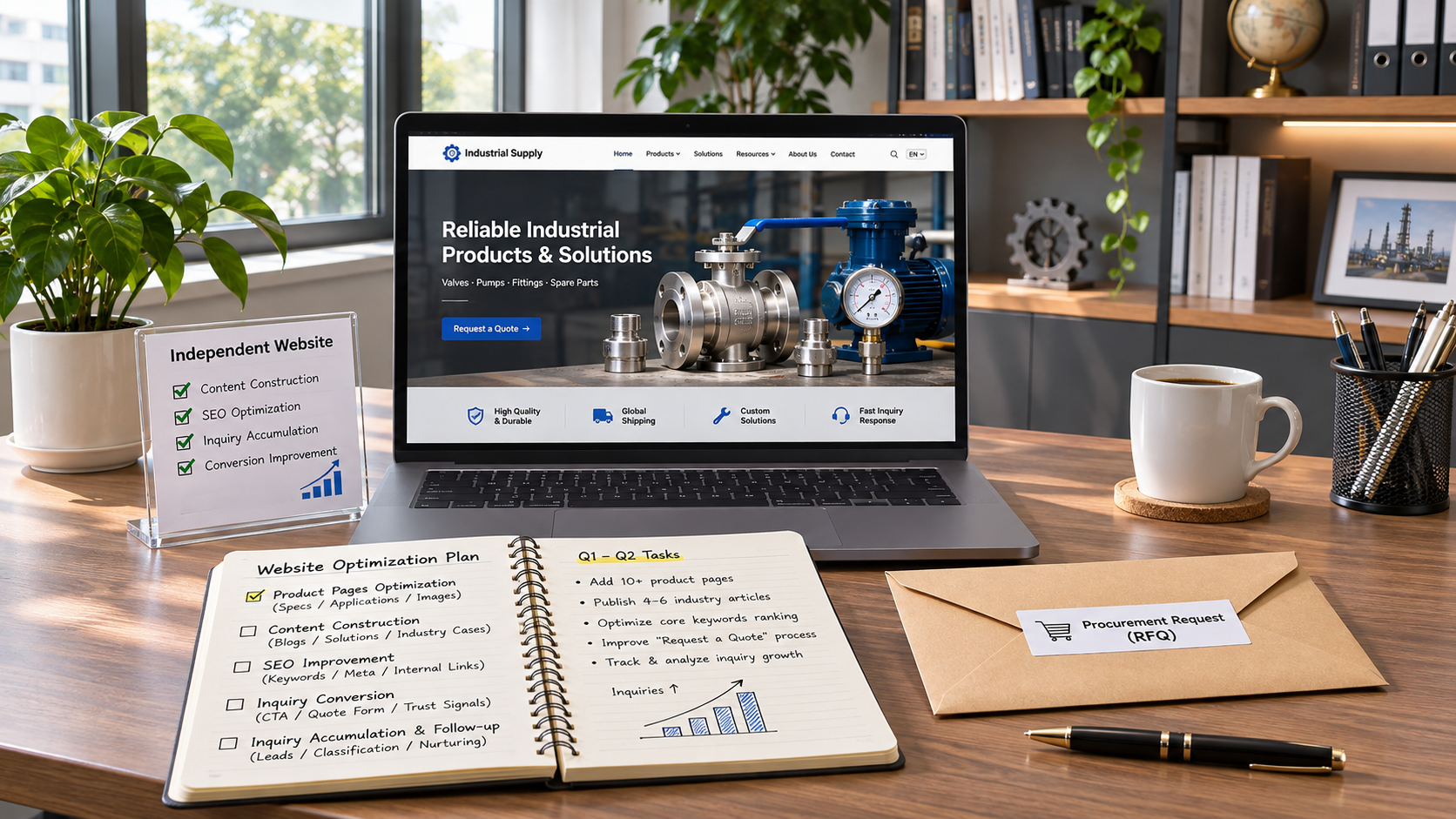
 EasyOperate B2C Cross-Border E-Commerce Platform & Independent WebsiteEasyStore B2C Cross-border E-commerce Independent Store is an intelligent website building and cross-border e-commerce integrated solution independently developed by EasyStore Information Technology (Beijing) Co., Ltd. The system is specially designed for small and medium-sized as well as large export enterprises, integrating 'website building, operation, marketing, advertising, and conversion' into one, helping enterprises quickly establish cross-border e-commerce independent stores to achieve brand globalization and global sales growth.
The platform supports multiple languages, multiple currencies, and multi-channel marketing, with built-in AI intelligent translation and SEO optimization systems, suitable for mainstream markets such as Southeast Asia, Europe and America, Latin America, and the Middle East, assisting Chinese manufacturing enterprises in efficiently deploying international e-commerce strategies. SSL证书易营宝提供专业SSL安全证书服务,包括单域名和泛域名证书,确保网站数据传输加密、身份验证和完整性保护,助力企业建立安全可信的在线业务环境。









