How Does AI SEO Differ from Traditional SEO in What It Focuses on Optimizing?
How does AI SEO differ from traditional SEO in what it focuses on optimizing? From keyword rankings to AI search visibility, both are concerned with whether potential customers can discover a company’s content. However, where content appears, how it is organized, and how results are measured are all changing. For export-oriented businesses, the key is not to abandon existing SEO, but to understand what their website needs to provide when customers use search results or AI answers to learn about suppliers.
From Earning Search Clicks to Becoming Part of the Answer
Traditional SEO typically optimizes webpages around search intent: researching the keywords customers use, improving page titles, body copy, internal links, and the website’s technical foundation so relevant pages have a chance to appear in search results. Businesses then track rankings, organic search traffic, and whether those visits convert into inquiries.
In practice, AI SEO commonly has two meanings: using AI to assist with SEO tasks such as keyword research and content organization, and optimizing content so it is easier to understand, cite, or mention in AI search or generative answers. Discussions of “AI search visibility” usually focus on the latter, which is also often called generative engine optimization, or GEO. In German-language contexts, “KI SEO” may refer to a similar AI-related SEO concept; the exact meaning still depends on context.
The two are not entirely separate disciplines. AI features in search engines may use information from webpages and other sources to generate answers, and different products draw on and present information in different ways. Accessible webpages, trustworthy information, and content that addresses users’ questions remain a shared foundation. The difference is that in AI-driven scenarios, customers may read a synthesized answer before deciding whether to visit a website.
The Focus of Optimization Has Changed: It’s Not Just a Set of Keywords
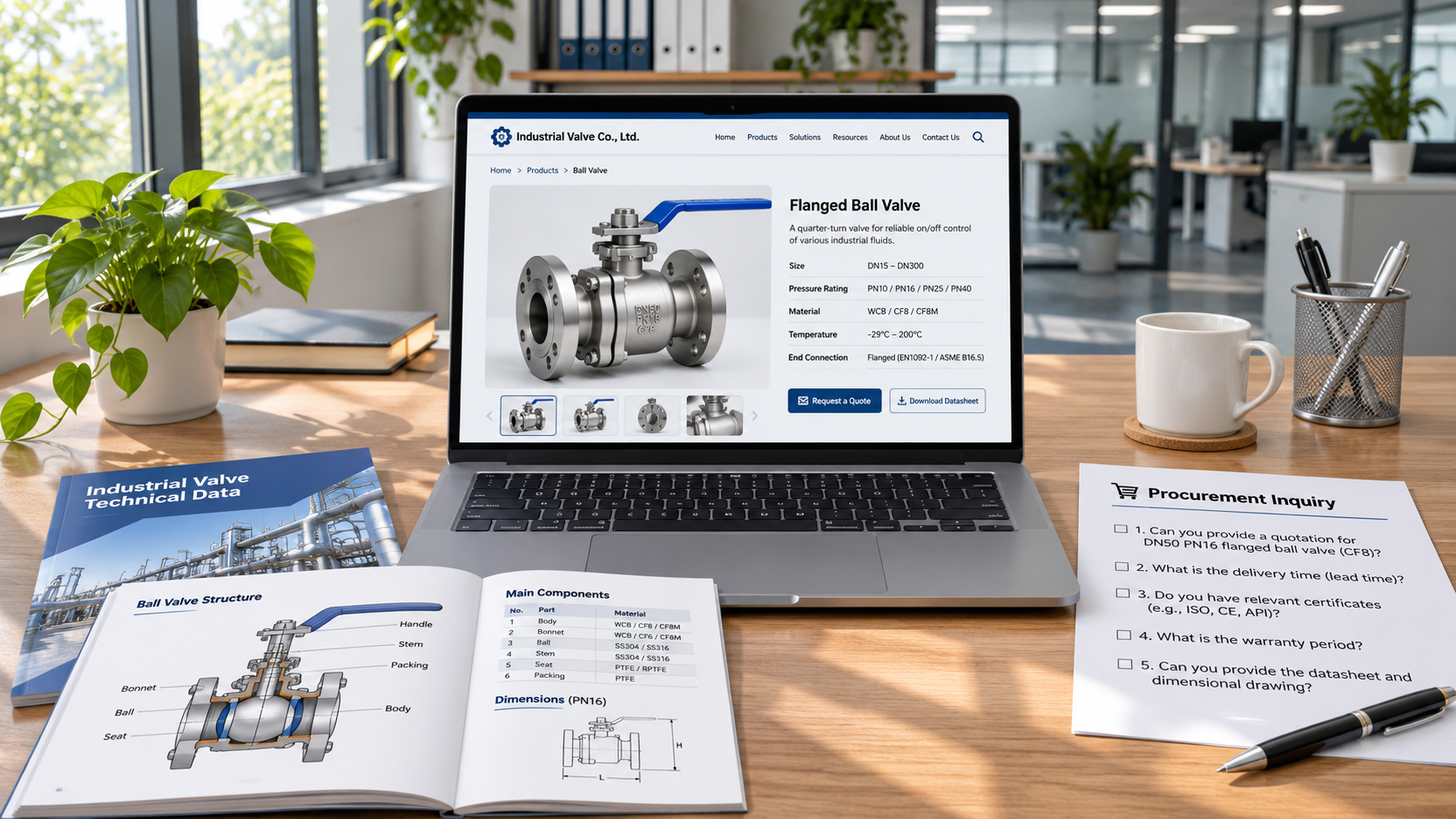
Suppose a manufacturing company wants to reach procurement professionals looking for industrial valve suppliers. Traditional SEO might focus on building product and category pages, organizing content around product names, specifications, and supplier-related search terms, and using internal links to help search engines discover those pages.
In an AI search scenario, however, a procurement professional might ask a more detailed question: What media is a particular valve suitable for? How can they determine whether a material is appropriate? What operating conditions should they provide before requesting a quote? If a website only includes product names and general descriptions, a system may find the page but still not find enough specific information in it to support an answer.
Therefore, what is worth adding is not simply more keywords, but information such as product applications, selection criteria, common limitations, details to confirm before delivery, and the sources or last-updated dates for that information. For parameters involving pressure, temperature, or material compatibility, refer to actual product documentation and project requirements. Do not invent generic answers simply to cover more questions.
Content Needs to Be Readable—and Verifiable
Traditional SEO also places importance on content quality, but AI answers often draw information from multiple sources, making clear, verifiable statements especially valuable. Businesses can break a complex topic into specific questions, answer them directly in the relevant sections by stating conditions, conclusions, and exceptions, and then link to detailed product pages or technical documents. Do not place key specifications only in images, and do not let different pages provide conflicting information about the same product.
Brand information should also be consistent: the company name, business scope, contact details, and product descriptions should be accurate on the official website and across public channels the company can manage. For certifications, test results, and project experience, show only information that can be verified and is still applicable. Third-party mentions may help people learn about a company, but paying to publish large volumes of content does not guarantee that AI will cite it.
Using AI to assist with writing can save time when organizing information, but it cannot replace expert review. This is especially important for multilingual websites, where literal translation may distort product names, commonly used procurement terminology, or the meaning of specifications. For different markets, terminology, units, and conditions of use should be checked by people familiar with both the product and the target language.
The Technical Foundation Still Matters, but There Is No “Guaranteed Citation” Switch
Whether pages are accessible, their main content is easy to read, and the mobile experience is smooth all affect basic website usability. Businesses should also check that important pages are not mistakenly blocked from crawling, that the relationships between multilingual pages are clear, and that old links redirect to the corresponding content. Structured data can help search engines understand specific information, but it should match the actual page content and cannot guarantee enhanced listings or citations in AI answers.
Crawling rules, citation mechanisms, and data update cycles vary across AI products. When presented with a plan that promises “a guaranteed place in every AI answer” or “guaranteed brand rankings,” ask the provider to explain the monitoring platforms, sample questions, observation frequency, and acceptance criteria. A screenshot of a single search only reflects the result at that moment; it does not prove that visibility will remain consistent over time.
How to Assess Whether Your Investment Is Working
For traditional SEO, businesses can use search analytics tools to monitor page impressions, clicks, search queries, and inquiries generated by organic search. AI search calls for another type of monitoring: create a test list based on real procurement questions, and regularly record whether target platforms mention the company, cite its official website, describe it accurately, or mention competitors. Tests should specify the language, region, date, and wording of each question, as answers can vary depending on these factors.
Being mentioned does not mean gaining a customer. Some users may not click source links, and platform attribution may be incomplete. Therefore, brand visibility, website visits, and qualified inquiries should be assessed separately. Source information on inquiry forms and sales teams’ records of customers’ decision-making processes can provide additional clues, but not every change should be attributed to a single channel.
For businesses that operate their own websites alongside advertising and social media, website and marketing activities should ideally be based on the same accurate product information. Yiyingbao provides services including intelligent website building, multilingual websites, SEO, and overseas marketing. The practical value of this integrated approach lies in reducing information gaps between website content, campaign landing pages, and customer inquiries. Actual results still depend on the quality of the information, target markets, and ongoing management.
Before making changes, consider selecting a few important products and frequently asked customer questions. Check whether the relevant pages answer them clearly, whether specifications can be verified, and whether visitors can easily make an inquiry. Getting these basics right before comparing search traffic with performance in AI answers is more likely to reveal what truly needs improvement than rushing to generate pages in bulk.