









- Hapag-Lloyd’s $4.2 billion acquisition of ZIM faces a closing delay; ZIM reports third-quarter net profit of $830 millionNov 24, 2026View details
- SCFI falls for a third straight week to 3,503.78 points, with blank sailings on trans-Pacific routes rising to 10Nov 24, 2026View details
- Lazada 11.11 Mega Sale: LazMall Contributes Nearly Two-Thirds of GMVNov 23, 2026View details
- Shein’s European Revenue Falls 16% as Tighter Rules on Low-Value Direct Shipments Take EffectNov 23, 2026View details
- EU Low-Value Parcel Rules Impact Cargo Flows: Air Freight Volume from China to Europe Down 17% in OctoberNov 23, 2026View details
- Indonesia and the EU Sign Comprehensive Economic Partnership Agreement, 90.4% of Tariff Lines to Become Duty-Free ImmediatelyNov 23, 2026View details
Is Investing in a Multilingual Website Worth It for Your Export Business?
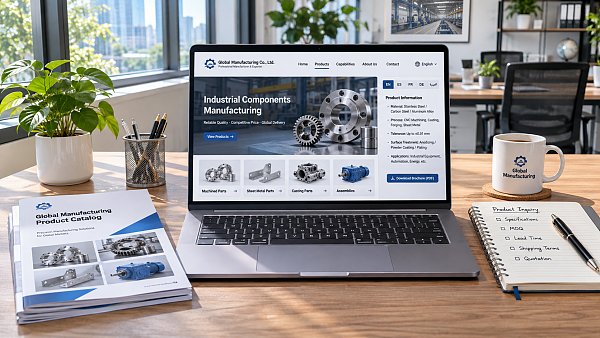
Is it worth investing in a multilingual website for international trade? For business decision-makers, the key is to weigh website development costs, the efficiency of acquiring customers overseas, and long-term growth potential. The main considerations are whether there is genuine demand in the target market and whether the company can consistently manage the website and follow up on inquiries.
For companies that already have overseas orders, are preparing to focus on a specific country, or find that English communication is an obstacle to closing deals, investing in a multilingual website in stages is usually worthwhile. If the target market has not yet been validated and the company lacks the capacity to follow up on leads, starting with a small-scale test may be more appropriate.
The value of a multilingual website is not simply adding a few language-switching buttons. It enables overseas customers to find the company, understand its products, and build trust in a language they are familiar with. Therefore, an assessment should consider website development, content maintenance, traffic acquisition, and sales conversion together.
What business value can a multilingual website bring to international trade companies?
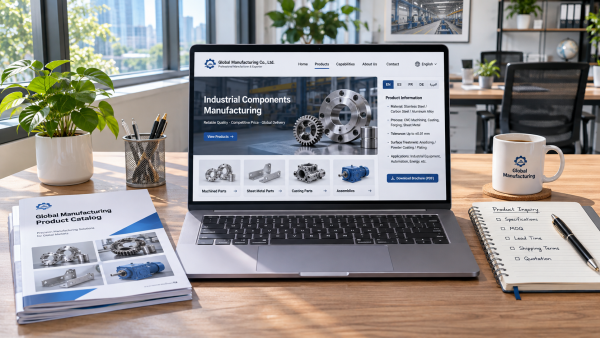
First, it can help reach search demand in different languages. When looking for equipment, raw materials, or suppliers, customers may search in their local language. If the website has corresponding high-quality pages, it may gain relevant search visibility, although rankings still depend on competition and website quality.
Second, local-language content can lower communication barriers. When specifications, applications, lead times, and certification information are clearly presented, customers can more easily determine whether a product meets their needs. It can also reduce the time sales teams spend repeatedly explaining basic information.
Third, a website can build a long-term marketing asset. Companies can turn product information, case studies, and FAQs into web pages that can be used across search, advertising, social media, and sales communications, providing more consistent product information across channels.
However, increased traffic does not necessarily mean increased orders. Whether pages match local purchasing habits, inquiries are handled promptly, and pricing and delivery capabilities are competitive all affect whether a multilingual website ultimately generates business returns.
Which companies are better suited to invest now?
Companies with a clearly defined target market are better positioned to take action first. For example, if a company regularly receives inquiries from Spanish-speaking customers but can only provide English-language materials, it can start by creating core pages in Spanish, track changes in visits and inquiries, and then decide whether to expand its investment.
Manufacturers whose products require detailed explanations also have significant potential. Products such as industrial equipment and custom components involve specifications, applications, and after-sales service. Clear local-language materials can help purchasing professionals conduct an initial screening and refer to the information in internal discussions.
Companies that rely on trade shows, platforms, or a single advertising channel to acquire customers can also assess the supplementary value of an independent website. A multilingual website can accommodate traffic from different channels, preserve brand and product information, and provide a unified entry point for subsequent customer nurturing.
By contrast, if a company has not yet defined its target countries, product positioning, or quotation process, covering multiple languages without a clear plan can spread the budget too thinly. In this case, it may be better to test demand first with English-language pages or a small number of local-language landing pages, and expand once market signals become clearer.
How should development and operating costs be estimated?
The budget should include at least website development, page design, translation and review, technical maintenance, content updates, and traffic promotion. If an online store is involved, payment processing, logistics, tax displays, and customer service should also be considered; do not compare only one-time website development quotes.
The number of languages is not the only cost factor. The more complex the product specifications and the greater the number of pages, the more translation and review work is generally required. When local regulations, certifications, or specialized terminology are involved, staff familiar with both the industry and the target market should also review the content.
Companies should also allow for internal coordination costs, including compiling product information, confirming terminology, reviewing case studies, and handling inquiries. If products are updated frequently after launch but no one maintains the website, outdated information may undermine customer trust and increase communication costs.
When selecting a service provider, companies can request separate quotes for website development, language versions, content production, promotion, and maintenance, with the number of pages, scope of revisions, delivery schedule, and renewal terms clearly stated. For systems and data, they should also confirm domain ownership, data export options, and access rights to the administration panel.
How can you determine whether the return on investment is reasonable?
First, set an evaluation period and business goals, then track visits from target markets, qualified inquiries, sales opportunities, and revenue. Use a consistent definition of a qualified inquiry—for example, one that includes basic information about the customer's identity, purchasing needs, and contact details—to avoid counting spam as a result.
For a basic calculation, subtract the related investment from the additional gross profit, then divide the result by the investment to obtain a reference return on investment. The investment should include website development and promotion costs. Additional gross profit should be based on website customers that can reasonably be attributed to the site, less the corresponding product costs.
For example, if a company invests 60,000 yuan in a language-specific website over one year and generates 90,000 yuan in additional gross profit from orders reasonably attributed to it, the reference return on investment is 50%. If operating and sales costs have not been included, the actual return will be lower, so the calculation basis should be agreed in advance.
International trade sales cycles can span several months, especially for large equipment and long-term procurement projects. In addition to completed sales during the evaluation period, companies should monitor qualified opportunities, sample requests, and quotation opportunities. Opportunities that have not yet converted should be tracked separately and not counted as realized returns.
Customers may first see an ad, then visit the website through search, and finally contact the sales team. Companies can assess the website's contribution using form-source data, customer relationship management records, and sales follow-ups, while recognizing that attribution is imperfect and regularly comparing business results before and after the investment.
How can you manage risk and validate value in stages?
Step one: Choose a market where the company already has a customer base or indications of demand, then select one priority language and a group of key products. Start by creating pages for core products, the company profile, contact details, and FAQs, using the limited budget to provide the information customers care about most.
Step two: Improve content based on search demand and sales feedback. Translation tools can help improve efficiency, but staff should review product specifications, industry terminology, and key commitments. Expressions and purchasing priorities may also need to be adjusted to suit different countries.
Step three: Check the technical setup and conversion path. Pages in different languages should have clear URLs and correctly configured language and region tags, while ensuring that mobile access, form submissions, and contact details work properly. Avoid publishing large numbers of machine-translated pages that have not been reviewed.
Step four: Set a promotion budget for the target market and establish a process for responding to inquiries. Companies can use organic search, advertising, and social media to collect initial data, and assign staff who can handle the relevant languages or provide translation support, while promptly recording customer questions and follow-up results.
After the agreed observation period, decide whether to expand, adjust, or pause based on the cost of qualified inquiries, the quality of sales opportunities, and sales feedback. If traffic grows but inquiries remain low, first review the page content, traffic sources, and contact process rather than rushing to add more languages.
What delivery capabilities should you look for when choosing a service plan?
Companies should confirm whether the service provider can support multilingual pages, SEO fundamentals, data analytics, and ongoing maintenance, and understand the specific scope of its promotion services. Performance targets should be agreed based on industry competition and budget; fixed rankings or order volumes cannot be guaranteed.
For companies looking to manage website development and overseas marketing in one place, YiYingBao provides services including multilingual website development, search optimization, and advertising marketing. When evaluating providers, consider the target market, the capabilities of the existing team, and the budget, and ask to see details of the deliverables and maintenance arrangements.
Overall, whether a multilingual website is worth the investment depends on market demand, customer acquisition costs, and the company's ability to serve customers. Select a market and define metrics, launch on a small scale, and review results continuously. When each stage of expansion is supported by business data, investment decisions can be made with greater confidence.
Related Articles
 Is Investing in a Multilingual Website Worth It for Your Export Business?
 What factors typically affect the pricing of overseas digital marketing services?
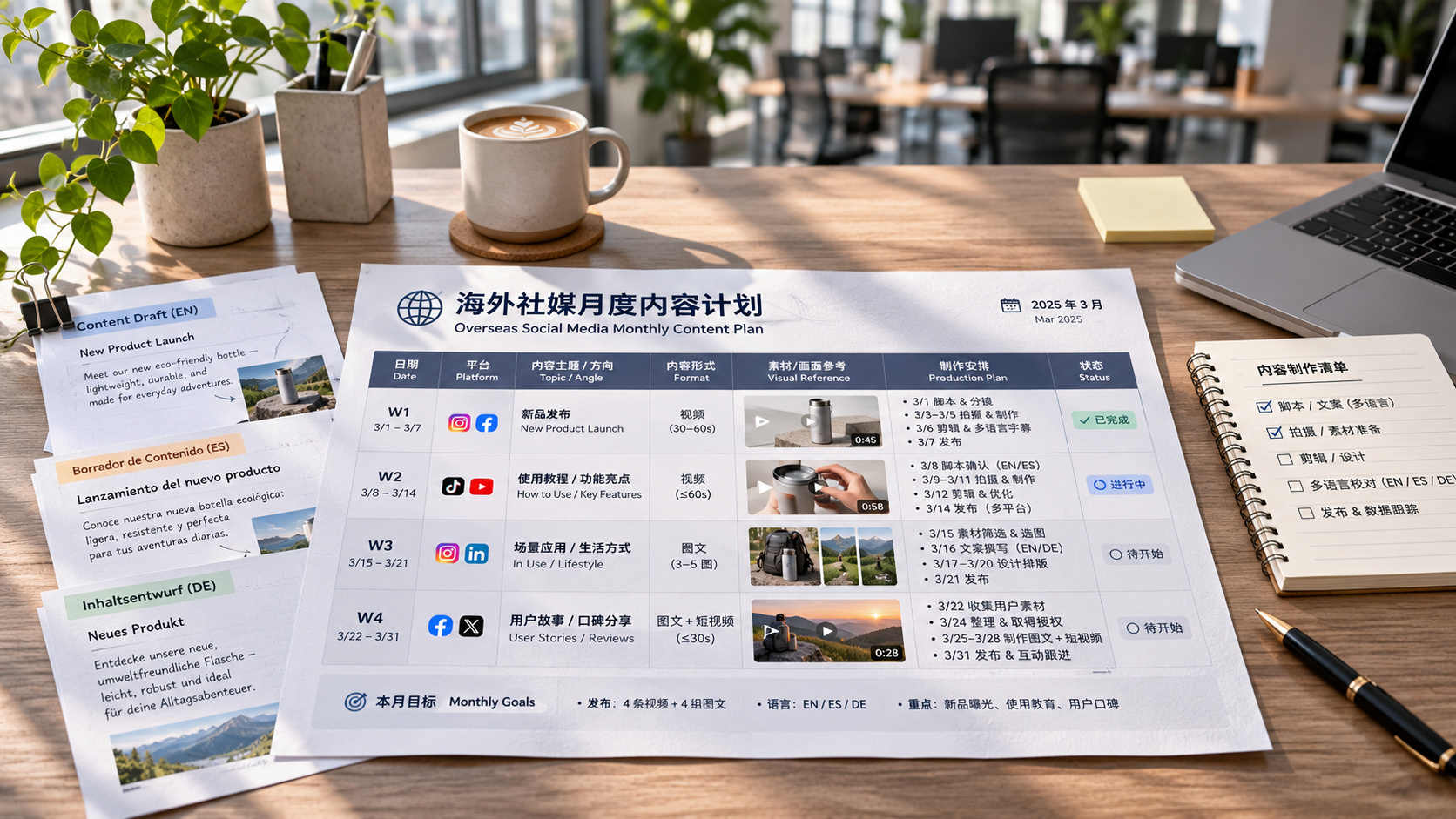
 What factors affect the monthly cost of overseas social media content management?
Related Products
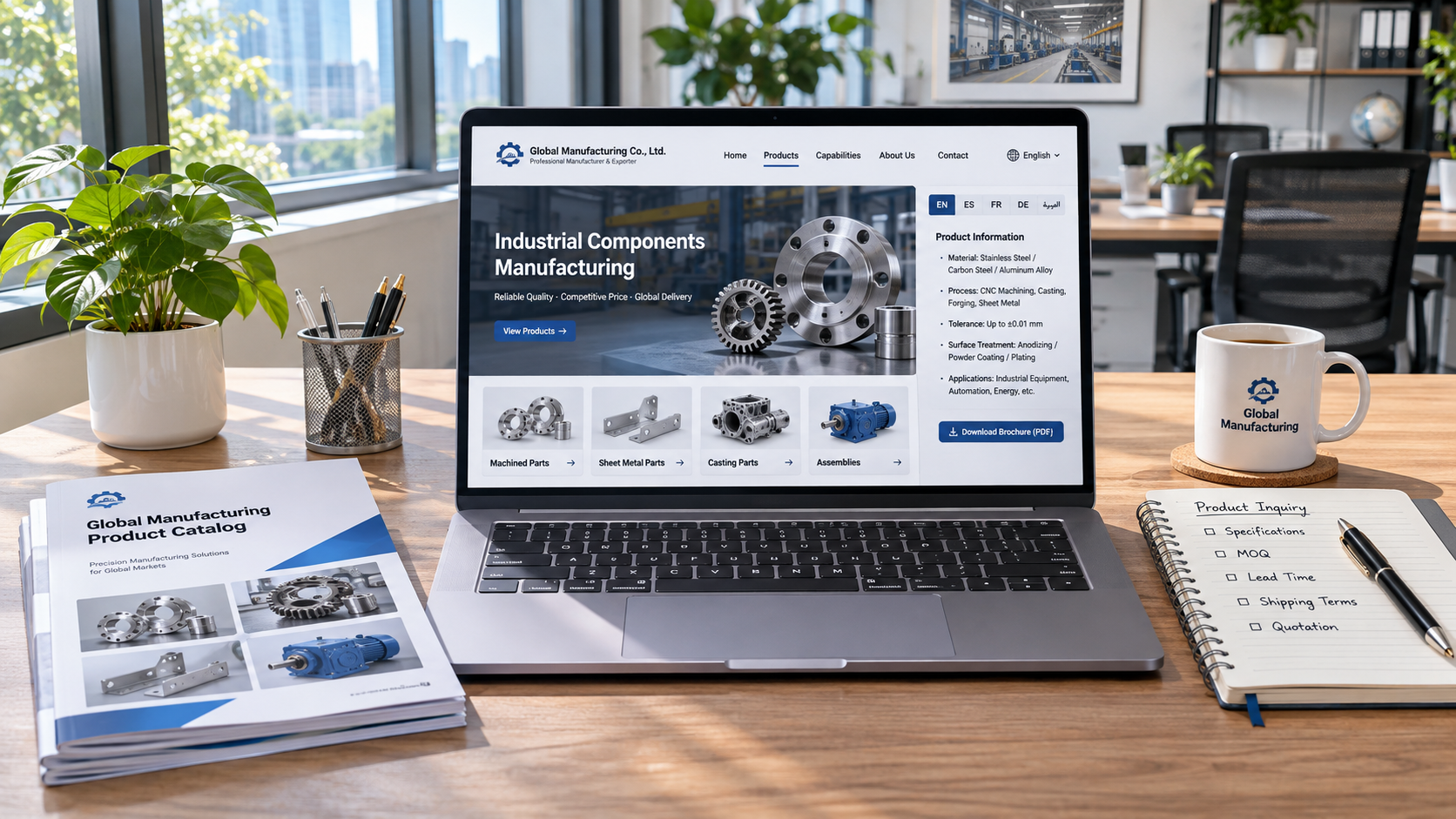
 Yiyingbao SaaS Intelligent Website Building and Marketing SystemYiyingbao SaaS Intelligent Website Building and Marketing System, AI-powered no-code website building, rapid creation of multilingual B2B international websites in 10 minutes, global server acceleration, AI-powered SEO optimization, helping businesses connect efficiently with global markets. The perfect integration of technology and operation makes building an international trade website remarkably simple
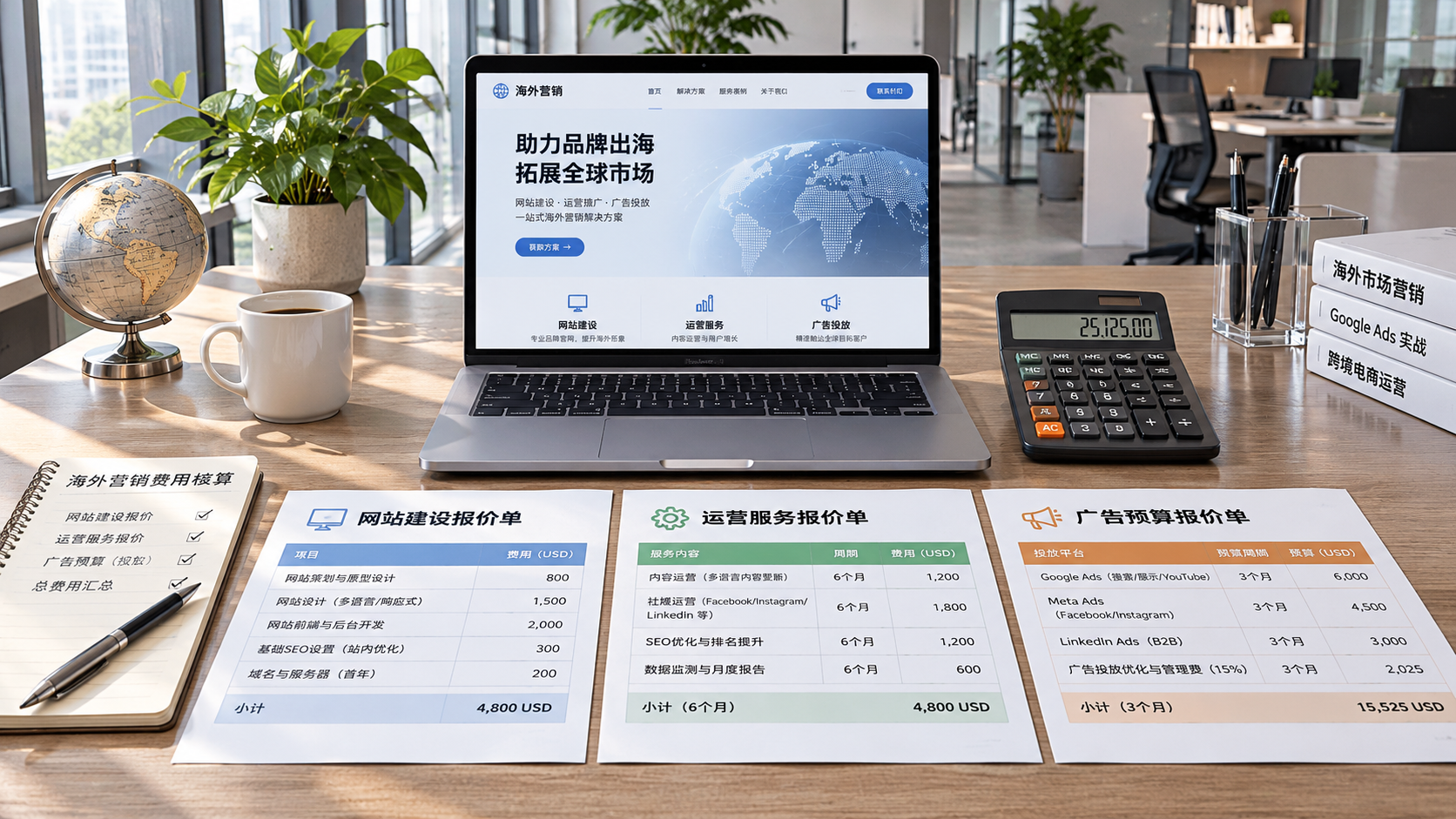
 AI+SEM Intelligent Advertising Marketing SystemAI+SEM drives intelligent ad creation, empowering full-funnel precision advertising marketing. The system automatically generates weekly/monthly reports, AI recommends keywords and target countries, monitors core metrics in real-time with intelligent alerts, and enables one-click high-conversion ad solutions to help quickly acquire customers and improve ROI.
 AI+SEO Dual-Engine System Optimization ServicesYiyingbao’s AI+SEO dual-engine optimization system helps foreign trade enterprises acquire high-quality organic traffic through AI-powered keyword research, content generation, and comprehensive technical optimization, significantly improving search rankings and conversion rates.
 AI+SNS Social Media Marketing SystemYingbao AI+SNS Social Media Marketing System - Precision social capture for the social media era. Supports one-click content synchronization across major platforms like Facebook and LinkedIn. AI intelligently rewrites posts for enhanced relevance. 24/7 AI customer service and user profiling analysis empower businesses to efficiently expand into global markets.
 AI+SEO营销解决方案易营宝AI+SEO营销解决方案,通过AI批量写作、智能生成TDK、精准关键词扩词等功能,全面优化网站SEO效果,提升流量与转化率。助力企业构建高效智能网站新生态。
 AI+SEM Advertising Marketing SolutionsAI+SEM Advertising Marketing Solution leverages AI technology to deeply empower SEM ad campaigns. It automatically generates weekly/monthly reports using AI, presenting account data across multiple dimensions for comprehensive insights into campaign performance and trends. The system precisely recommends keywords and target countries, intelligently generates high-conversion ad copy, and enables one-click activation of efficient campaign plans to help businesses rapidly acquire customers. Simultaneously, it monitors core metrics in real time, intelligently identifies abnormal fluctuations, and issues timely alerts to ensure stable, high-return advertising results.
 Domain Name ServicesEasyWin provides professional domain name services, including intelligent queries, one-stop registration, brand protection, and full lifecycle management, helping businesses build a digital brand image.
 EasyOperate B2C Cross-Border E-Commerce Platform & Independent WebsiteEasyStore B2C Cross-border E-commerce Independent Store is an intelligent website building and cross-border e-commerce integrated solution independently developed by EasyStore Information Technology (Beijing) Co., Ltd. The system is specially designed for small and medium-sized as well as large export enterprises, integrating 'website building, operation, marketing, advertising, and conversion' into one, helping enterprises quickly establish cross-border e-commerce independent stores to achieve brand globalization and global sales growth.
The platform supports multiple languages, multiple currencies, and multi-channel marketing, with built-in AI intelligent translation and SEO optimization systems, suitable for mainstream markets such as Southeast Asia, Europe and America, Latin America, and the Middle East, assisting Chinese manufacturing enterprises in efficiently deploying international e-commerce strategies. SSL证书易营宝提供专业SSL安全证书服务,包括单域名和泛域名证书,确保网站数据传输加密、身份验证和完整性保护,助力企业建立安全可信的在线业务环境。









