









- Amazon Raises Fulfillment Fees Twice, Yet the Median Platform Fee Remains Around 40%Oct 22, 2026View details
- AliExpress and YouTube Partner to Expand Marketing Opportunities for Chinese Brands Going GlobalOct 22, 2026View details
- Publicis says AI marketing is developing at two speeds, with agentic AI helping win clientsOct 21, 2026View details
- Salesforce Plans to Acquire Braze for $5.66 Billion to Enhance AI Marketing CapabilitiesOct 21, 2026View details
- Levanta’s Inaugural China Summit Held in Shenzhen, Focusing on AI and Cross-Border Brand GrowthOct 20, 2026View details
- The October Edition of the 2026 GGE Shenzhen Cross-Border E-Commerce Expo OpensOct 20, 2026View details
What practical methods can be used to optimize conversion rates for overseas websites?
When an overseas website has traffic but generates no inquiries, add-to-carts, or orders, the issue is usually not as simple as “insufficient traffic.” More often, the ad promise is disconnected from the landing page content, visitors cannot quickly understand the product value, or there is insufficient trust before submitting a form or making a payment. Practical overseas website conversion optimization should examine every step of the complete user journey, from entering the page to completing an action, rather than merely changing button colors or adding promotional copy.
First, define the single action the website should drive
The starting point of conversion optimization is not changing the page, but clarifying what action the page is intended to encourage visitors to take. For B2B manufacturing companies, core conversions are usually inquiries, catalog downloads, and consultation appointments; cross-border online stores focus more on add-to-cart actions, checkout, and repeat purchases; while brand websites may aim for subscriptions, trial applications, or distributor partnerships.
Placing multiple buttons of equal importance on one page, such as “View Products,” “Contact Us,” “Download Materials,” “Register,” and “Buy Now,” often disperses attention. A more reasonable approach is to define one primary action for the page while retaining necessary secondary entry points. For example, a product landing page for buyers can use “Get a Quote” as the primary button and place product specification downloads in a secondary position; for a product page aimed at retail consumers, pricing, shipping information, specification selection, and the checkout path should be more cohesive.
Before beginning optimization, it is recommended to review existing data: Does traffic mainly come from organic search, Google Ads, social media content, or trade show emails? Users from different channels have different intent. A user searching for “industrial valve supplier” needs different information from a user who enters the website by clicking a brand short video. Subsequent optimization can only be effective when traffic sources, page promises, and conversion actions are aligned.
A landing page should answer four questions quickly
When overseas visitors enter a website for the first time, they usually will not patiently read the company introduction. They quickly assess: What do you sell? Is it suitable for me? Can I trust you? How do I contact you next? Therefore, the above-the-fold section should not consist only of a vague brand slogan or a large image.
An above-the-fold section that can support conversion should present the following information as clearly as possible:
- Product or service target: Explain the product category, application industry, or problem solved, rather than only stating “high-quality solutions.”
- Basis for differentiation: This may include available specifications, customization capabilities, delivery methods, compatible standards, or service scope, but it must be relevant to purchasing decisions.
- Clear action entry point: Such as “Request a Quote,” “Get Samples,” or “Start Your Order.” The button copy should match the actual result users can obtain.
- Information that reduces concerns: For example, sample support, response methods, lead-time communication, payment methods, or after-sales contact channels.
Especially for advertising landing pages, do not send visitors directly to a content-heavy homepage. Ads promote a specific selling point, and the landing page should continue that selling point. If an ad promotes custom packaging but users must search through the navigation for customization services after entering the page, the likelihood of abandonment will increase significantly.

Speed and mobile experience affect trust, not just rankings
Overseas visits often involve cross-regional networks, mobile devices, and different browser environments. Oversized page images, too many scripts, and pop-ups that appear too early can all cause users to leave before they truly understand the product. For cross-border online stores primarily displaying products through images, image quality is indeed important, but the above-the-fold load should be controlled through compression, properly sized images, and lazy loading; for B2B corporate websites, homepage videos should not crowd out product information and inquiry entry points.
Mobile optimization also cannot simply mean shrinking the desktop version. Common issues include navigation levels that are too deep, unreadable specification tables, buttons placed too close together, and difficult-to-complete form fields. During optimization, actually complete an inquiry or ordering process on a mobile phone, focusing on whether the process is smooth from entering the page via search results, viewing products, and selecting specifications to submitting information.
Pop-ups should be used carefully. A full-screen subscription pop-up appearing immediately upon entering a page may interrupt visitors who have not yet developed interest. More suitable triggers are when users have browsed to a certain depth, are preparing to leave, or visit a specific content page; then provide catalog downloads, promotional information, or inquiry entry points.
Multilingual does not mean translation is complete; content must match local decision-making methods
A common ineffective practice for multilingual websites is to machine-translate Chinese product materials sentence by sentence and publish them directly. While language errors certainly weaken trust, the deeper issue is that the content structure may not suit how local users read. Some markets focus more on technical specifications, compliance information, and delivery terms, while others first look at usage scenarios, price ranges, logistics, and return policies.
Multilingual pages should at least ensure consistent terminology, clear units of measurement, and explicit currencies or quotation methods, while avoiding redirects from a page in one language to a form or checkout page in another language. Product names, text in images, downloadable materials, and automated email replies should also remain consistent in language. For priority markets, optimize core pages that generate qualified leads or orders first, rather than translating the entire site at once without ongoing maintenance.
Contact information is also part of localization. Overseas customers want to know who will reply, how communication will take place, and what information they need to provide after receiving a reply. B2B forms can help sales teams evaluate leads through fields such as “Expected Purchase Quantity,” “Target Market,” and “Product Requirements,” but there should not be too many fields. At the initial contact stage, it is sufficient to collect information that can advance the next step of communication.
Place trust-building information where users hesitate
Overseas users cannot inspect a company in person as they would in offline procurement, so a website needs to proactively provide supporting reasons for trust. Creating a separate “About Us” page with vague content is not enough; trust information should appear on pages that influence decisions.
Product pages can display clear specifications, materials, application scope, packaging, and delivery information; inquiry pages can explain the response process; and online store checkout pages need to make shipping, taxes, refunds, and payment rules easy to find. Images of real factories, teams, product details, and usage scenarios are usually more convincing than a large number of generic stock images. If publicly available qualifications, test documents, or partnership information are available, their specific relationship to the product or service should also be explained, rather than simply displaying logos.
Reviews and case studies can improve credibility, but only when the content is authentic and specific. Rather than displaying five-star ratings without sources, present verifiable product application descriptions, common procurement questions, or delivery details that customers care about. For B2B businesses, buyers often care more about whether you understand their procurement process than whether you simply have “many customers.”
Use data to identify issues, then use testing to validate conclusions
Conversion optimization is not a one-time redesign. First, use website analytics tools to observe which pages users leave from, which forms have high abandonment rates, and how conversions differ across countries and channels, then determine optimization priorities. When page traffic is low, excessively pursuing complex A/B tests is often meaningless; instead, first check whether the traffic is precise and whether the page matches the search terms or advertising creatives.
Once there is a sufficient traffic base, test only one key variable at a time, such as the main headline message, button copy, number of form fields, placement of shipping cost information, or product image order. Do not change the layout, pricing, copy, and form at the same time; otherwise, even if results change, it will be difficult to determine which adjustment had an impact.
Website development, SEO, and promotion should follow the same conversion logic
Website conversion is not a remedial task to be addressed after website development is completed. Page structure affects how search engines understand content, loading experience affects advertising landing-page performance, and forms and lead management determine whether marketing investment can be effectively followed up by sales. When websites, SEO, advertising, and social media are executed independently, problems such as “unclear traffic attribution, duplicate content creation, and leads with no follow-up” can easily occur.
Companies that need to build multilingual corporate websites, B2B inquiry websites, or cross-border online stores can prioritize service approaches that connect website development, search optimization, advertising landing pages, and data tracking. Eyingbao provides AI-powered website development, multilingual website development, cross-border online stores, SEO, and overseas promotion services, suitable for scenarios that require continuous adjustment of pages and marketing channels within one system. When choosing this type of solution, companies should still confirm whether the website supports independently updating key pages, managing language content by market, and tracking qualified inquiries or orders generated by different channels.
A more practical implementation sequence is to first select one priority country, one core product line, and one primary conversion goal; identify the information that corresponding users care about most; complete the basic optimization of pages and forms; continuously monitor performance after implementing data tracking; and then replicate effective practices across other markets and pages. This approach makes it easier to identify the factors that truly limit conversions than launching a large number of pages and channels from the beginning.
Related Articles
 How can you optimize an independent website’s speed to fix slow-loading hero images?
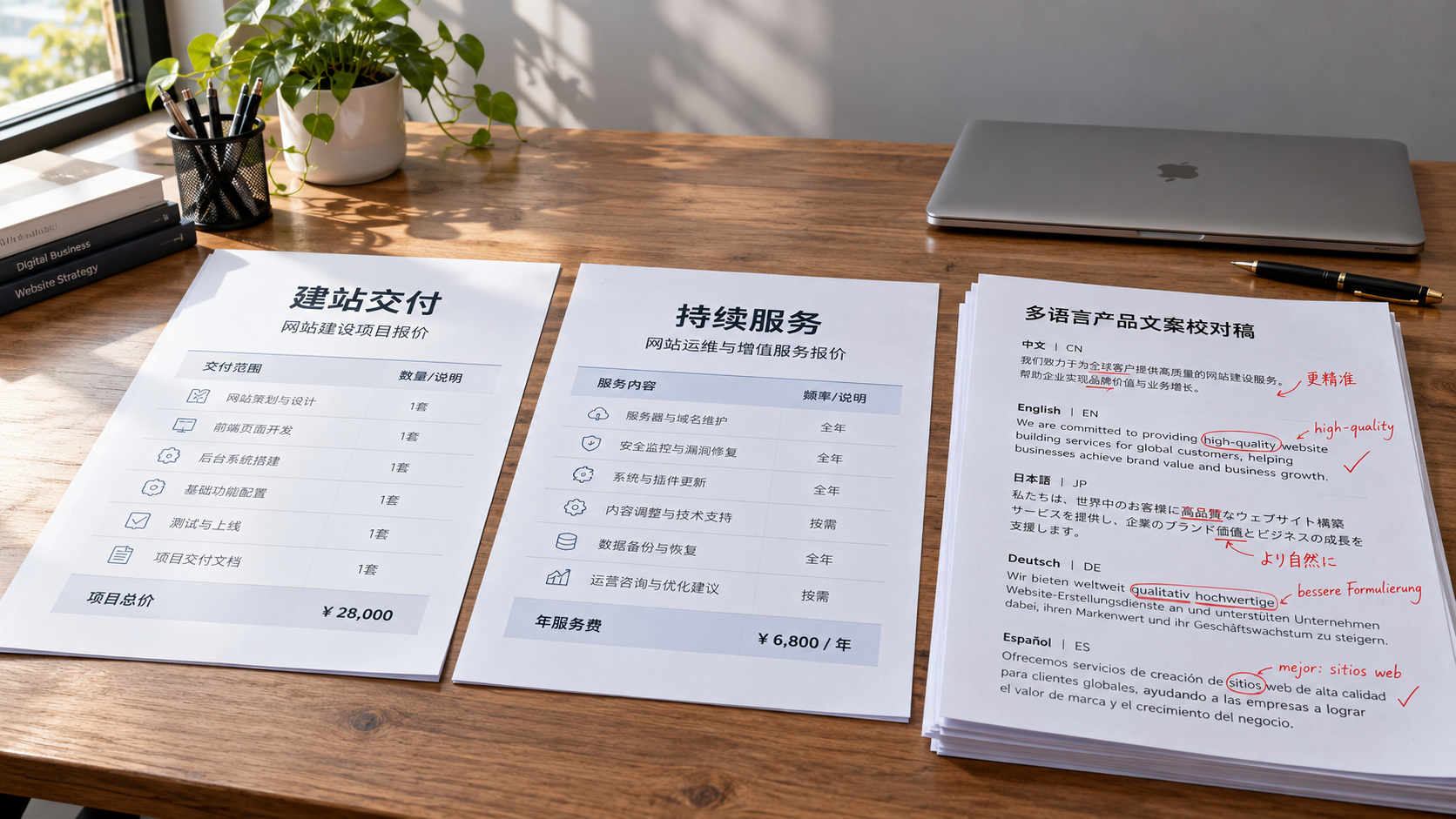
 Why Do Quotes for Multilingual Website Development in Shantou Vary So Much?
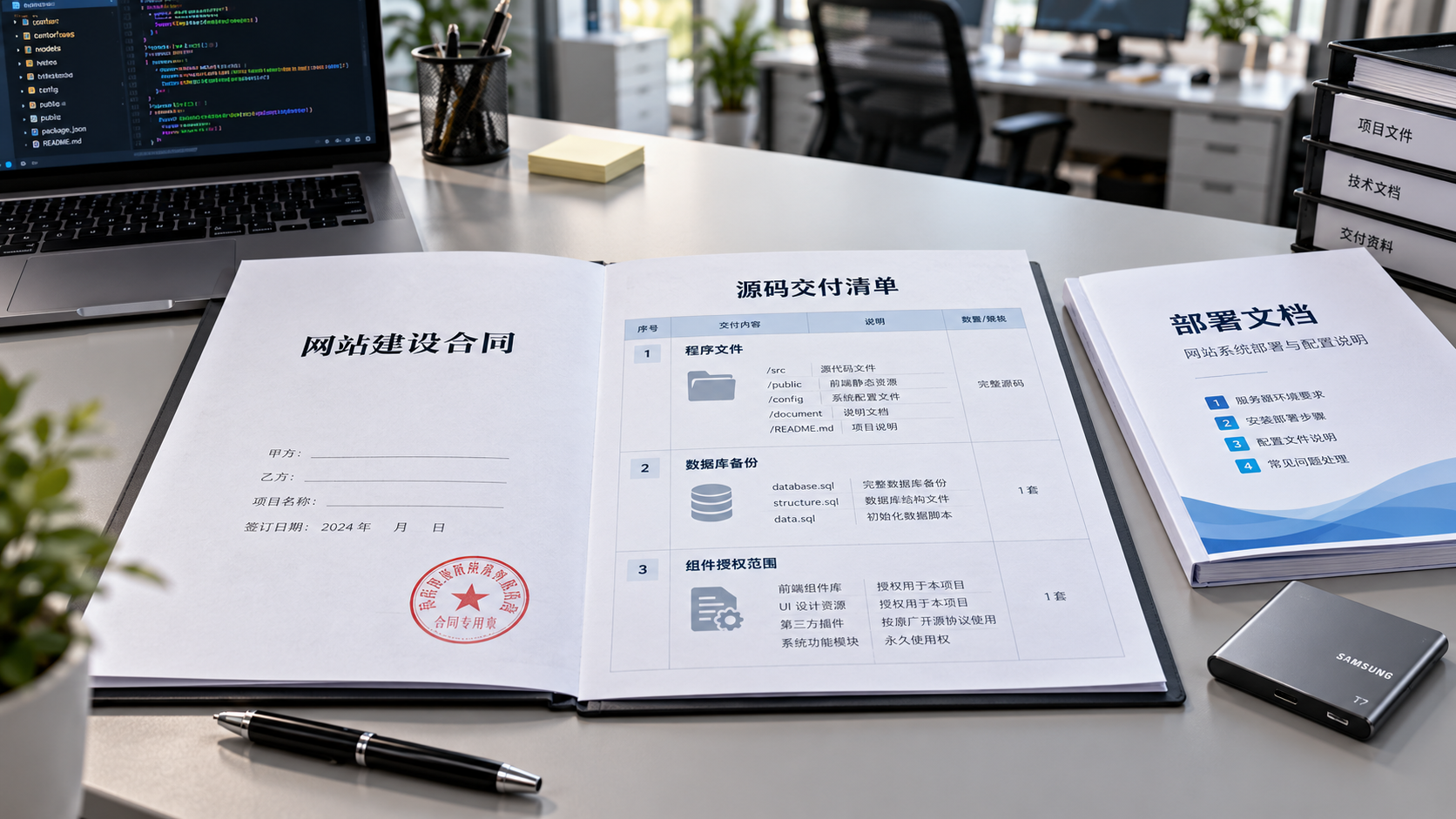
 How should a website development contract in Xi'an define the scope of source code delivery?

Related Products
 Yiyingbao SaaS Intelligent Website Building and Marketing SystemYiyingbao SaaS Intelligent Website Building and Marketing System, AI-powered no-code website building, rapid creation of multilingual B2B international websites in 10 minutes, global server acceleration, AI-powered SEO optimization, helping businesses connect efficiently with global markets. The perfect integration of technology and operation makes building an international trade website remarkably simple
 AI+SEM Intelligent Advertising Marketing SystemAI+SEM drives intelligent ad creation, empowering full-funnel precision advertising marketing. The system automatically generates weekly/monthly reports, AI recommends keywords and target countries, monitors core metrics in real-time with intelligent alerts, and enables one-click high-conversion ad solutions to help quickly acquire customers and improve ROI.
 AI+SEO Dual-Engine System Optimization ServicesYiyingbao’s AI+SEO dual-engine optimization system helps foreign trade enterprises acquire high-quality organic traffic through AI-powered keyword research, content generation, and comprehensive technical optimization, significantly improving search rankings and conversion rates.
 AI+SNS Social Media Marketing SystemYingbao AI+SNS Social Media Marketing System - Precision social capture for the social media era. Supports one-click content synchronization across major platforms like Facebook and LinkedIn. AI intelligently rewrites posts for enhanced relevance. 24/7 AI customer service and user profiling analysis empower businesses to efficiently expand into global markets.
 AI+SEO营销解决方案易营宝AI+SEO营销解决方案,通过AI批量写作、智能生成TDK、精准关键词扩词等功能,全面优化网站SEO效果,提升流量与转化率。助力企业构建高效智能网站新生态。
 AI+SEM Advertising Marketing SolutionsAI+SEM Advertising Marketing Solution leverages AI technology to deeply empower SEM ad campaigns. It automatically generates weekly/monthly reports using AI, presenting account data across multiple dimensions for comprehensive insights into campaign performance and trends. The system precisely recommends keywords and target countries, intelligently generates high-conversion ad copy, and enables one-click activation of efficient campaign plans to help businesses rapidly acquire customers. Simultaneously, it monitors core metrics in real time, intelligently identifies abnormal fluctuations, and issues timely alerts to ensure stable, high-return advertising results.
 Domain Name ServicesEasyWin provides professional domain name services, including intelligent queries, one-stop registration, brand protection, and full lifecycle management, helping businesses build a digital brand image.
 EasyOperate B2C Cross-Border E-Commerce Platform & Independent WebsiteEasyStore B2C Cross-border E-commerce Independent Store is an intelligent website building and cross-border e-commerce integrated solution independently developed by EasyStore Information Technology (Beijing) Co., Ltd. The system is specially designed for small and medium-sized as well as large export enterprises, integrating 'website building, operation, marketing, advertising, and conversion' into one, helping enterprises quickly establish cross-border e-commerce independent stores to achieve brand globalization and global sales growth.
The platform supports multiple languages, multiple currencies, and multi-channel marketing, with built-in AI intelligent translation and SEO optimization systems, suitable for mainstream markets such as Southeast Asia, Europe and America, Latin America, and the Middle East, assisting Chinese manufacturing enterprises in efficiently deploying international e-commerce strategies. SSL证书易营宝提供专业SSL安全证书服务,包括单域名和泛域名证书,确保网站数据传输加密、身份验证和完整性保护,助力企业建立安全可信的在线业务环境。









