- China’s Tariff Commission of the State Council Adjusts Additional Tariffs on U.S. Goods: 24% Tariff Suspended for Two MonthsNov 10, 2026View details
- APEC Shenzhen Spotlight: Cross-Border E-Commerce Orders Promote Asia-Pacific Trade and Economic CooperationNov 08, 2026View details
- China-Europe Railway Express and CIIE Hold Business Matchmaking Event, Focusing on Cross-Border E-commerce B2B ExportsNov 07, 2026View details
- China’s Ministry of Commerce Responds to Additional Charges on Low-Value Imports Imposed by the EUNov 06, 2026View details
- Two Internet Development Reports Released at the 2026 World Internet ConferenceNov 05, 2026View details
- Internet Business Revenue of Enterprises Above the Designated Size Reached RMB 1.716 Trillion in the First Three Quarters, with Profits Up 17.6%Nov 05, 2026View details
How Can You Launch a B2C Online Store Quickly Using a Template?
When you need to launch a B2C ecommerce site quickly, a template is usually a safer starting point than building from scratch. But a template provides the page framework; it does not prepare product information for the project team, set up payment processing, or automatically sort out shipping and after-sales service. The work that most often affects the schedule is the work hidden behind the pages.
To launch quickly, the project lead should first define the scope of the initial release, then plan tasks around template customization, content delivery, and transaction testing. Pages can be improved over time, but whether orders can be fulfilled properly after payment must be considered before launch.
Decide what to sell in the initial release before choosing a template
When choosing a template, it is easy to be drawn to a striking homepage image or animation. But buyers ultimately need to select products, add them to the cart, check out, and pay. Test the template demo with real products: Do products have options such as colors and sizes? Are the prices and purchase buttons easy to see on mobile devices? Can the cart display shipping information? These questions reveal delivery risks sooner than whether the homepage looks impressive enough.
For example, apparel products usually need clear size information and options for multiple variants; home furnishings may depend more on dimensions, materials, and lifestyle images. If the initial release includes only a few products, prioritize a template with simple navigation and detailed product pages. If there are many categories, check whether the category hierarchy, filters, and search are suitable. Do not expect to turn an unsuitable template into a different kind of ecommerce store through extensive customization just before launch.
Also confirm whether the template or website-building system can integrate with the payment methods, logistics, currencies, and languages required in your target markets, and whether these features involve additional fees. A demo page that displays multiple languages does not mean that products, checkout, and notification emails can all switch languages as the project requires. For third-party services, verify the scope of support before signing a contract or setting the schedule.
Break launch work into milestones that can be verified
Delays on template-based projects are often not caused by technical limitations, but by unfinished product images, shipping rules that have not been approved, or payment account reviews being handled sequentially with page development. When planning the schedule, content preparation, configuration, and external account setup can proceed in parallel, but every task needs an owner and clear delivery criteria.

A practical sequence is to confirm the initial markets, product range, and transaction rules first, then choose the template and configure the pages. At the same time, prepare the domain, payment accounts, logistics plan, and product assets. Once the pages are ready, conduct end-to-end testing and open the site to visitors only after issues have been resolved. Payment service reviews depend on the provider and the completeness of the submitted information, so start early rather than leaving them until the day before launch.
Consider creating a simple project checklist that records each task's owner, planned completion date, dependencies, and approver. For example, “product page completed” should mean more than a page with all fields filled in; it should also include checks of variants, prices, inventory, images, and shipping information. Likewise, “payment integration completed” does not mean testing has passed; there must be a record of an actual order test.
Configure pages to support purchases first, then consider expansion
At a minimum, the initial release should let buyers find products, understand prices, complete checkout, and find contact information if they need help. The homepage explains what you sell and whom you serve; category pages help buyers browse; product pages answer questions about variants, delivery, and returns. Pages covering your company, shipping, returns, and privacy should also reflect your actual business. Check the details against your sales regions, business model, and applicable requirements.
If product assets are incomplete, it is better to reduce the initial product range than to fill pages with placeholder images, vague delivery times, or unconfirmed promotional information. Product titles and descriptions should match the actual product attributes, and images should show important details where possible. After translation, also check that measurement units, currencies, and customer service contact details are appropriate for the target market.
Set up the basics for search visibility during configuration: write relevant page titles and descriptions for key categories and products, check that pages are accessible through internal links, and make sure test pages are not accidentally made public. A template may provide settings for these items, but that does not guarantee that search engines will index the pages. You will still need to check crawling and continue improving the content.
Before launch, test the full order journey
Do not base acceptance solely on the backend showing “configured.” Ideally, someone who was not involved in building the site should test it on both a phone and a computer: start on a product page, proceed to the cart, enter an address, check how shipping and taxes are displayed, and complete a feasible payment test. After testing, confirm that order statuses, notification emails, backend records, and refund or cancellation procedures match actual operations.
Check domain settings, security certificates, forms, image loading, and links to other pages one by one as well. If you plan to run ads, confirm that the ad landing pages open correctly and that conversion tracking has been installed and verified according to the requirements of the tools you use. If you collect user data, first verify the requirements applicable in your target markets; do not treat the template's default notice as confirmation of compliance.
Issues that affect transactions, such as being unable to pay, incorrect shipping calculations, or missing order notifications, should block launch until resolved. Less critical issues, such as a few less-than-ideal decorative images or copy that needs polishing on non-essential pages, can be recorded and scheduled for a later iteration. Clear acceptance owners and issue resolution deadlines help prevent the project from repeatedly stalling when it is “almost ready.”
Plan for marketing and maintenance after launch
Launching an ecommerce site is only the beginning of running the business. When choosing a website solution, also consider whether your team can update products, refresh promotional pages, view orders, and adjust basic search settings on its own, and whether site data can connect with future advertising and social media operations. If every price change or image replacement requires development work, the time saved by using a template will soon be consumed by routine maintenance.
Platforms such as 易营宝, which offer intelligent website building, search optimization, and overseas marketing services, may be an option for businesses that need to coordinate site development and promotion. When making a choice, however, confirm each item against your initial markets, ecommerce features, data ownership, costs, and service scope. In particular, clarify who applies for third-party payment and logistics services and who is responsible for troubleshooting.
The key to a fast launch is not to build every feature at once, but to match the initial scope to your delivery capacity. Before launch, make sure someone is responsible for handling orders, customer service, and failed payments. After launch, use traffic, add-to-cart, and order data to decide whether to optimize product pages, shipping rules, or add new marketing pages first.
Related Articles
 How Can You Launch a B2C Online Store Quickly Using a Template?
 How do you evaluate the results delivered by a website SEO company in Beijing?
 How to Choose a Deployment Region for a Cross-Border SaaS Website


Related Products
 Yiyingbao SaaS Intelligent Website Building and Marketing SystemYiyingbao SaaS Intelligent Website Building and Marketing System, AI-powered no-code website building, rapid creation of multilingual B2B international websites in 10 minutes, global server acceleration, AI-powered SEO optimization, helping businesses connect efficiently with global markets. The perfect integration of technology and operation makes building an international trade website remarkably simple
 AI+SEM Intelligent Advertising Marketing SystemAI+SEM drives intelligent ad creation, empowering full-funnel precision advertising marketing. The system automatically generates weekly/monthly reports, AI recommends keywords and target countries, monitors core metrics in real-time with intelligent alerts, and enables one-click high-conversion ad solutions to help quickly acquire customers and improve ROI.
 AI+SEO Dual-Engine System Optimization ServicesYiyingbao’s AI+SEO dual-engine optimization system helps foreign trade enterprises acquire high-quality organic traffic through AI-powered keyword research, content generation, and comprehensive technical optimization, significantly improving search rankings and conversion rates.
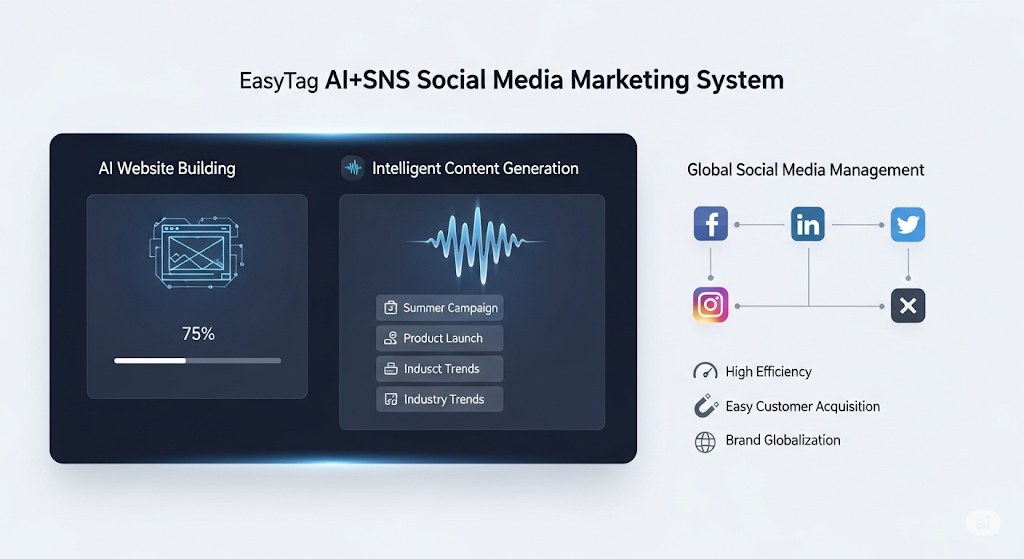
 AI+SNS Social Media Marketing SystemYingbao AI+SNS Social Media Marketing System - Precision social capture for the social media era. Supports one-click content synchronization across major platforms like Facebook and LinkedIn. AI intelligently rewrites posts for enhanced relevance. 24/7 AI customer service and user profiling analysis empower businesses to efficiently expand into global markets.
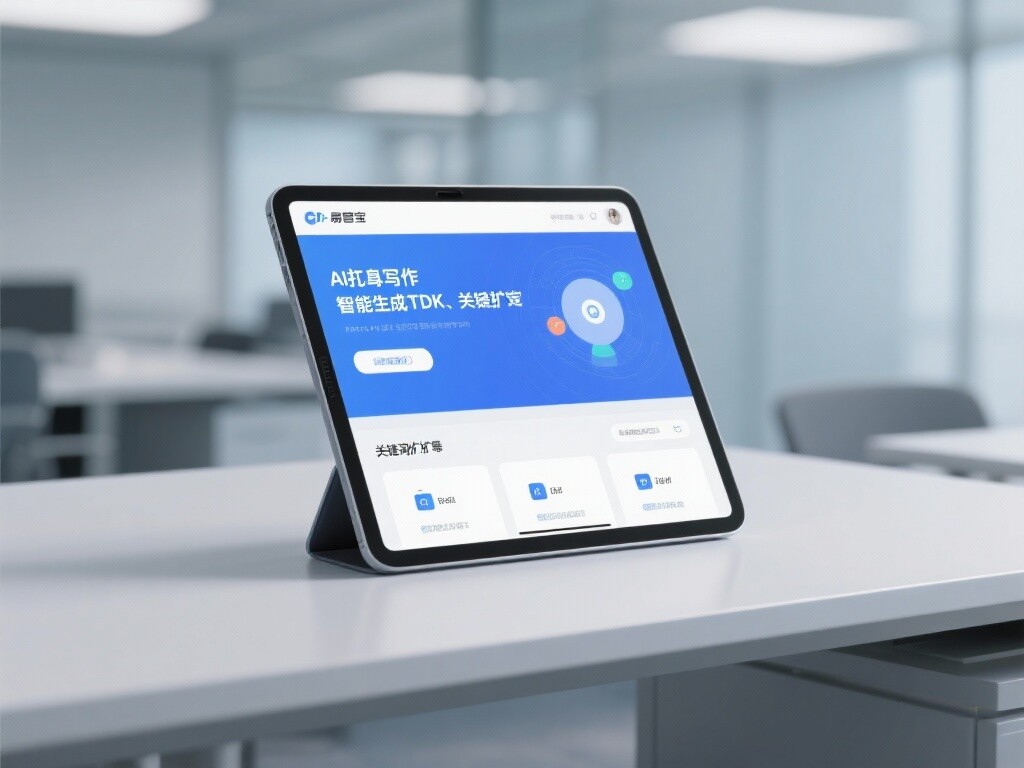
 AI+SEO营销解决方案易营宝AI+SEO营销解决方案,通过AI批量写作、智能生成TDK、精准关键词扩词等功能,全面优化网站SEO效果,提升流量与转化率。助力企业构建高效智能网站新生态。
 AI+SEM Advertising Marketing SolutionsAI+SEM Advertising Marketing Solution leverages AI technology to deeply empower SEM ad campaigns. It automatically generates weekly/monthly reports using AI, presenting account data across multiple dimensions for comprehensive insights into campaign performance and trends. The system precisely recommends keywords and target countries, intelligently generates high-conversion ad copy, and enables one-click activation of efficient campaign plans to help businesses rapidly acquire customers. Simultaneously, it monitors core metrics in real time, intelligently identifies abnormal fluctuations, and issues timely alerts to ensure stable, high-return advertising results.
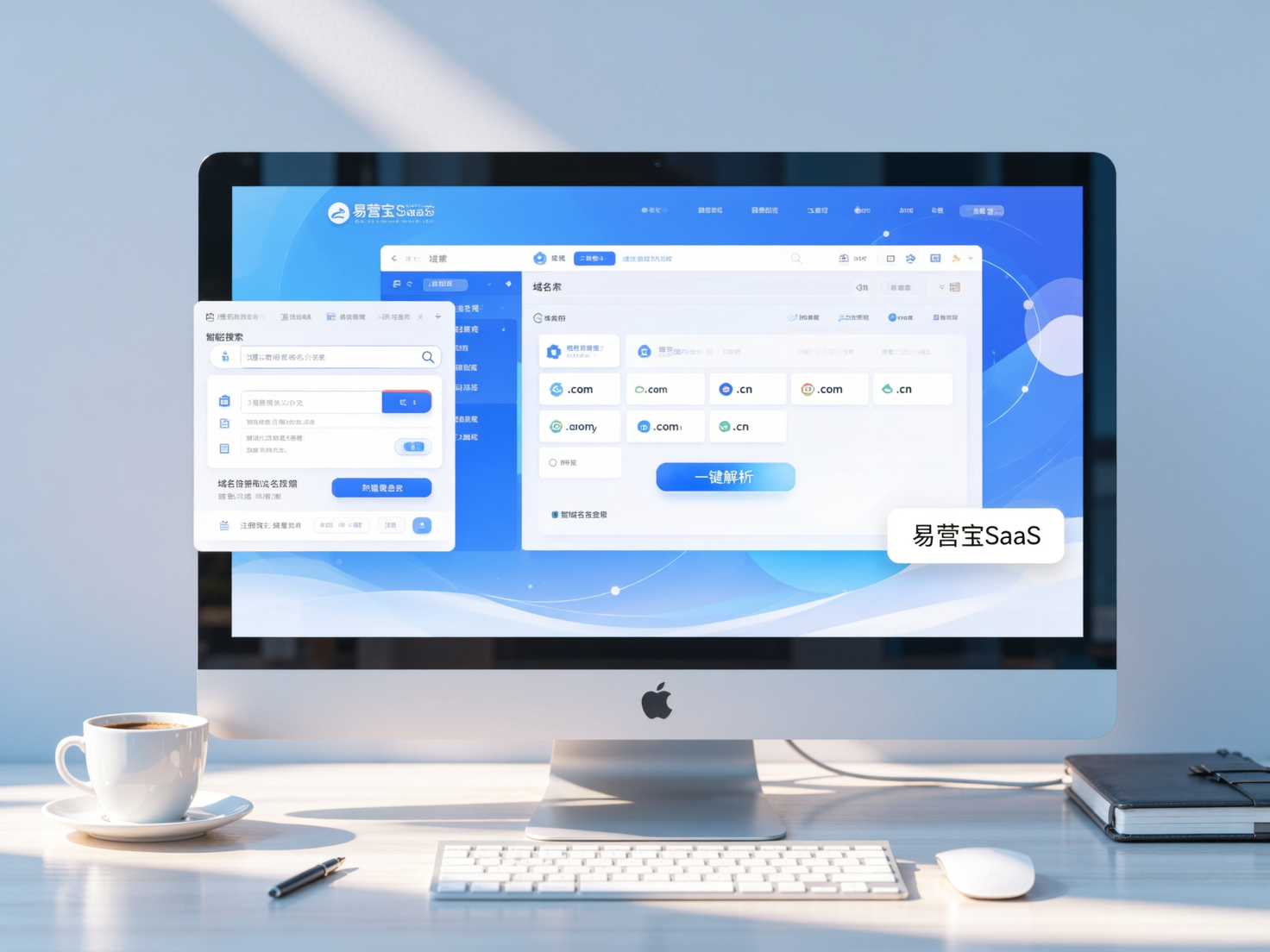
 Domain Name ServicesEasyWin provides professional domain name services, including intelligent queries, one-stop registration, brand protection, and full lifecycle management, helping businesses build a digital brand image.
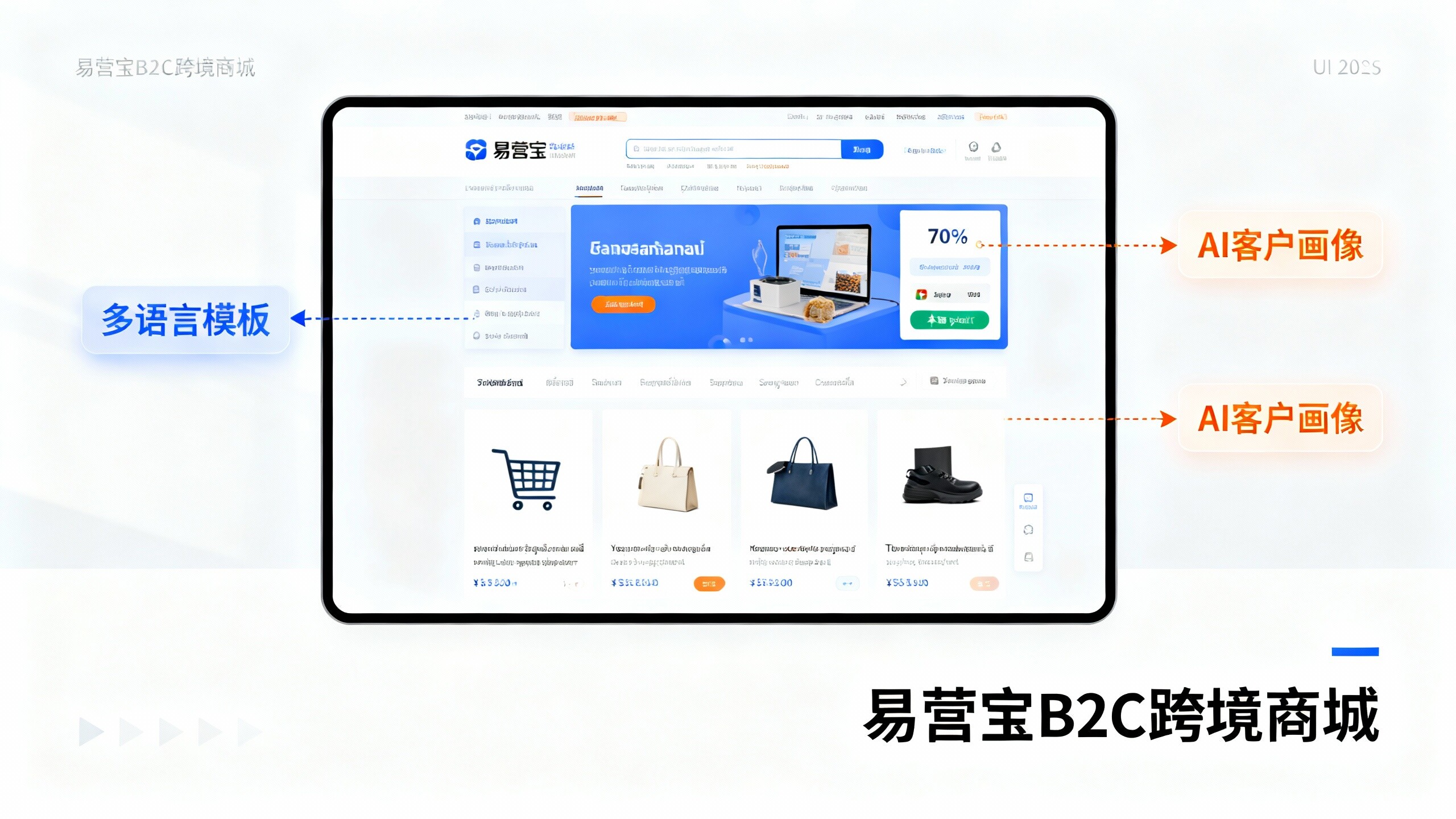
 EasyOperate B2C Cross-Border E-Commerce Platform & Independent WebsiteEasyStore B2C Cross-border E-commerce Independent Store is an intelligent website building and cross-border e-commerce integrated solution independently developed by EasyStore Information Technology (Beijing) Co., Ltd. The system is specially designed for small and medium-sized as well as large export enterprises, integrating 'website building, operation, marketing, advertising, and conversion' into one, helping enterprises quickly establish cross-border e-commerce independent stores to achieve brand globalization and global sales growth.
The platform supports multiple languages, multiple currencies, and multi-channel marketing, with built-in AI intelligent translation and SEO optimization systems, suitable for mainstream markets such as Southeast Asia, Europe and America, Latin America, and the Middle East, assisting Chinese manufacturing enterprises in efficiently deploying international e-commerce strategies. SSL证书易营宝提供专业SSL安全证书服务,包括单域名和泛域名证书,确保网站数据传输加密、身份验证和完整性保护,助力企业建立安全可信的在线业务环境。