- ما قنوات اكتساب العملاء التي ستتأثر باتجاهات التسويق عبر الحدود لعام 2026؟06-09-2026عرض التفاصيل
- ما مخاطر التجانس التي ينبغي توضيحها في تحليل قطاع إنشاء المواقع الذكية؟30-08-2026عرض التفاصيل
- كيف ستغير اتجاهات التسويق بالذكاء الاصطناعي لعام 2026 توزيع ميزانيات الإعلانات28-08-2026عرض التفاصيل
- هل سوق شهادات EV SSL ينكمش أم يتطور؟ كيف ينبغي للشركات تقييم شراء الشهادات؟11-08-2026عرض التفاصيل
- لماذا لم تعد الأساليب القديمة لـ amp seo 2020 فعّالة، وما التغييرات التي طرأت على محاور التحسين الحالية؟02-08-2026عرض التفاصيل
- كيف تختار موضوعات قسم أخبار الصناعة لتحقيق زيارات بحث عضوية بسهولة أكبر29-07-2026عرض التفاصيل
كيف تختار مزود خدمة WhatsApp؟ استقرار الحساب، وقدرات API، والحكم على مخاطر الامتثال
Why Can’t You Just Look at Price and Start-up Speed When Choosing a WhatsApp service provider?
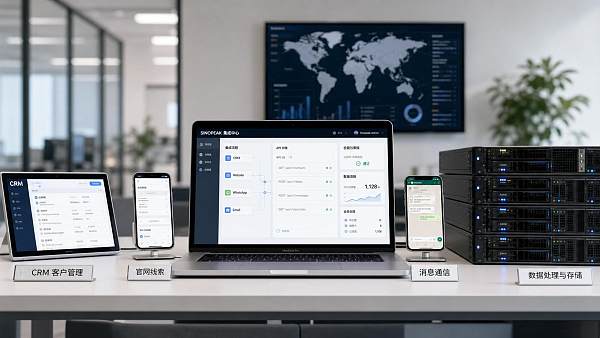
When choosing a WhatsApp service provider, the easiest things to compare are often quotes, channel quantity, and delivery cycle. But what truly determines long-term results is usually not “how fast they can set up,” but “whether it is stable, whether it can be connected, and whether problems will occur.”
For website development and overseas marketing integration projects, WhatsApp is not a standalone tool. It often needs to work together with website forms, ad leads, CRM, customer service systems, and automated marketing workflows. Once the account is frequently restricted, the previous advertising, SEO, and independent site conversion will all be affected.
A more realistic issue is that some WhatsApp service providers are good at sales but may not necessarily have long-term operational support capabilities. Things may look smooth at the initial launch stage, but problems only start to show after mass touchpoints, message template review, session attribution, and interface integration.
Therefore, evaluating a WhatsApp service provider is essentially judging whether a communication capability can be stably embedded into the marketing technology stack, rather than simply buying an account resource.
Account stability: which signals should you really look at?
Many people ask what “stability” means in a WhatsApp service provider’s language. Simply put, it is not only whether the account stays online, but also includes number quality, sending rhythm control, complaint handling capability, template approval rate, and anomaly warning mechanisms.
In actual use, a more common way to judge is to see whether the service provider understands the underlying rules rather than whether they promise “high delivery rate.” Because delivery rate is affected by industry, list quality, content compliance, and touch frequency together, and a single promise is not reliable.
If a service provider can explain these issues clearly, it usually means their understanding of stability is closer to real delivery. On the other hand, if they only talk about price advantages while avoiding risk control and historical cases, the later fluctuations are often greater.
How strong does the API capability need to be, and why does it affect marketing system efficiency?
When selecting a WhatsApp service provider, many projects only confirm whether “there is an API.” That is not enough. What really matters is whether the API is complete and stable, whether the documentation is clear, whether callbacks are timely, whether error codes are traceable, and whether it can be integrated into the existing business system.
Taking overseas lead acquisition scenarios as an example, if an independent-site form submission can automatically enter the CRM and then be synchronized to the WhatsApp session flow, manual distribution can be reduced and lead response speed can be improved. If the API capability is weak, only manual form transfer is possible in the middle, and the marketing chain will obviously slow down.
What needs to be confirmed in advance is whether the WhatsApp service provider supports these common interface scenarios:
- Message sending, status callback, and retry after delivery failure.
- Template message invocation and variable management.
- Session assignment, customer service routing, and tag synchronization.
- Data connectivity with the official website, ad forms, and SaaS website-building systems.
- Unified attribution with SEO leads and ad leads.
This is also why, when doing website and marketing integration, the technical background must be viewed together. Platforms like 易营宝, which have long been working on smart website building, SEO optimization, ad placement, and multi-channel customer acquisition, are more likely to judge whether WhatsApp interfaces can truly be implemented from the perspective of the entire conversion chain, rather than staying only at the “can be connected” verbal level.
Where are compliance risks usually hidden?
Compared with interface issues, compliance risks are often more hidden. Many account abnormalities are not technical failures, but rather the result of trigger logic, user authorization, content templates, or industry attributes running into platform rules.
There are three main common types of risk. The first is unclear list sourcing, where users have not explicitly authorized message receiving. The second is marketing content that is too direct, especially sending promotions, prices, and overly dense landing links during the cold-start stage. The third is the service provider itself using non-transparent resources, causing the account to remain at high risk for a long time.
A more common misunderstanding is confusing “being able to send messages” with “being compliantly sustainable.” Short-term functionality does not mean long-term usability. Especially in cross-border marketing, the official website landing page, privacy policy, lead authorization, form descriptions, and message content form a complete chain. If any link is unclear, it may affect the delivery result of the WhatsApp service provider.
If a company is already doing multilingual websites, Google ads, social media traffic generation, and SEO growth, then it needs even more unified management of authorization and data retention from the entry point. This helps reduce compliance risks and makes later account issue review easier.
What are the main differences between different types of WhatsApp service providers?
WhatsApp service providers on the market may all seem to offer channels, interfaces, and account support, but the delivery boundaries differ a lot. When choosing, they can usually be understood from three directions: “resource-based,” “tool-based,” and “integrated.”
Resource-based service providers focus on account setup and channel supply. They are suitable for short-term testing, but their business system adaptation and ongoing operational support are often limited. Tool-based service providers usually provide dashboards, bots, and basic automation, which is suitable for standardized processes. Integrated service providers pay more attention to the coordination between website, traffic, data, and communication tools.
If the project goal is to bring website inquiries, ad leads, social media private messages, and WhatsApp into one unified chain, then a single channel supply is often not enough. At this point, what is more worth paying attention to is whether the service provider understands the complete growth path and can connect website building, traffic acquisition, lead management, and session touchpoints into a closed loop.
From this perspective, teams that have long been deeply involved in overseas marketing technology have an advantage. They do not only deliver WhatsApp capabilities; they also focus on page conversion, traffic quality, lead cleaning, and subsequent automated operations, which are more critical for stable scaling.
Before formal selection, which questions should be asked clearly?
When entering the comparison stage, the most effective method is not to keep listening to solution introductions, but to ask the key questions clearly. The more specific the questions, the easier it is to distinguish between a truly capable WhatsApp service provider and a supplier that only packages the offering.
- When the account is abnormal, how long does it take to locate the issue, and who is responsible for escalation?
- Is the API documentation open, and is there a sandbox or test environment?
- Can it connect with the existing official website, CRM, ad lead system, and customer service platform?
- After template review fails, are revision suggestions and resubmission steps provided?
- Does it support tiered sending strategies for different regions and different business lines?
- In historical projects, has it done independent site and marketing system linkage scenarios?
If the other party can combine real business explanations with implementation methods, rather than repeatedly emphasizing “many cases” and “mature system,” it is usually more worth continuing the in-depth discussion. Because real selection is not about how many highlights you hear, but whether you can see future maintenance costs in advance.
How should the judgment results be turned into actionable decisions?
A relatively stable approach is to first list the business chain, and then reverse-map the necessary capabilities of the WhatsApp service provider. For example, where the leads come from, whether they come from the independent site, ad landing page, or social media; whether they need to be assigned to sales after entering; whether the message sending is notification-based or marketing-based; and whether automated nurturing is needed later.
After organizing it this way, many choices become clearer. If the core demand is a low-cost trial, you can prioritize verifying account stability and basic interfaces. If the goal is long-term overseas growth, API scalability, compliance mechanisms, and cross-channel collaboration should be placed further up front.
For teams that have already deployed official website development, SEO, ad placement, and social media operations, a WhatsApp service provider is more suitable to be seen as a key node in the growth chain rather than a standalone procurement item. Only when communication capability, website acceptance capability, and marketing data capability are established at the same time can the system run more smoothly.
Finally, an internal scoring table can be created to score five dimensions: stability, interface capability, compliance risk, operational response, and implementation cycle. Start with a small-scale integration test, then decide whether to fully launch. This is closer to real results than simply looking at quotations.
مقالات ذات صلة



منتجات ذات صلة
 نظام 易营宝 لإنشاء المواقع الذكية والتسويق الذكي بتقنية SaaSنظام 易营宝 لإنشاء المواقع والتسويق الذكي بتقنية SaaS، وإنشاء مواقع بدون برمجة مدعوم بالذكاء الاصطناعي، وإنشاء سريع لموقع تجارة خارجية مستقل ومتعدد اللغات خلال 10 دقائق، وتسريع عالمي للخوادم، وتحسين ذكي لمحركات البحث SEO مدعوم بالذكاء الاصطناعي، ومساعدة الشركات على التواصل بكفاءة مع الأسواق العالمية. إن الدمج المثالي بين التقنية وسهولة التشغيل يجعل إنشاء مواقع التجارة الخارجية أمرًا في غاية السهولة
 خدمة تحسين نظام المحرك المزدوج AI+SEOيساعد نظام Yiyingbao للتحسين المزدوج AI+SEO، من خلال اكتشاف الكلمات الرئيسية بالذكاء الاصطناعي وإنشاء المحتوى والتحسين التقني الشامل، شركات التجارة الخارجية على الحصول على زيارات عضوية عالية الجودة، وتحسين ترتيبها في نتائج البحث ومعدل التحويل بشكل ملحوظ.
 نظام ذكاء الإعلانات AI+SEM للتسويقيقود AI+SEM الإعلانات الذكية، ويمكّن التسويق الدقيق للإعلانات عبر سلسلة كاملة. يولد النظام تلقائيًا تقارير أسبوعية/شهرية، ويوصي AI بالكلمات الرئيسية والبلدان المستهدفة، ويراقب المؤشرات الأساسية في الوقت الفعلي مع تنبيهات ذكية، ويطلق خطة إعلانية عالية التحويل بنقرة واحدة، مما يساعد على اكتساب عملاء سريعًا وتحسين عائد الاستثمار.
 نظام التسويق عبر وسائل التواصل الاجتماعي AI+SNSنظام التسويق الذكي Yingyingbao AI+SNS Social Media - التقاط دقيق للوسائط الاجتماعية في عصر وسائل التواصل الاجتماعي. يدعم مزامنة المحتوى بنقرة واحدة عبر المنصات الرئيسية بما في ذلك Facebook و LinkedIn. تعزز إعادة كتابة المنشورات المدعومة بالذكاء الاصطناعي التوطين. تتيح خدمة العملاء الذكية على مدار الساعة وطوال أيام الأسبوع وتحليل ملفات تعريف المستخدمين للشركات التوسع بكفاءة في الأسواق العالمية.
 حلول التسويق الإعلاني AI+SEMتستفيد حلول الإعلانات SEM المدعومة بالذكاء الاصطناعي من الذكاء الاصطناعي لتحسين إدارة حملات SEM بشكل كبير. باستخدام الذكاء الاصطناعي لإنشاء تقارير أسبوعية وشهرية، تقدم هذه الحلول بيانات الحساب عبر أبعاد متعددة، مما يتيح الإشراف الشامل على أداء الإعلانات واتجاهاتها. يقدم الذكاء الاصطناعي توصيات دقيقة بشأن الكلمات الرئيسية والبلدان المستهدفة، ويصمم نصوص إعلانية عالية التحويل بذكاء، ويبدأ نشر الحملات بكفاءة بنقرة واحدة، مما يسرع من اكتساب العملاء للشركات. في الوقت نفسه، يراقب النظام المقاييس الأساسية في الوقت الفعلي، ويحدد التقلبات غير الطبيعية بذكاء، ويصدر تنبيهات في الوقت المناسب، مما يضمن أداء إعلانيًا مستقرًا وعوائد عالية.
 AI+SEO营销解决方案易营宝AI+SEO营销解决方案,通过AI批量写作、智能生成TDK、精准关键词扩词等功能,全面优化网站SEO效果,提升流量与转化率。助力企业构建高效智能网站新生态。
 خدمات أسماء النطاقاتيقدم يي يينغ باو خدمات احترافية لأسماء النطاقات، تشمل الاستعلام الذكي، التسجيل الشامل، حماية العلامة التجارية، والإدارة الشاملة، لمساعدة الشركات في بناء صورة العلامة التجارية الرقمية.
 متجر EasyOperate B2C عبر الحدود وموقع مستقلمنصة متجر B2C عبر الحدود المستقلة من EasyStore هي حل متكامل للبناء الذكي للمواقع والتجارة الإلكترونية عبر الحدود، تم تطويره بشكل مستقل من قبل شركة EasyStore لتكنولوجيا المعلومات (بكين) المحدودة. تم تصميم النظام خصيصًا للشركات الصغيرة والمتوسطة وكذلك الكبيرة المصدرة، حيث يجمع بين "البناء، التشغيل، التسويق، الإعلان، التحويل" في نظام واحد، لمساعدة الشركات على إنشاء موقع تجارة إلكترونية مستقل عبر الحدود بسرعة، وتحقيق النمو في المبيعات العالمية وانتشار العلامة التجارية في الخارج. تدعم المنصة تعدد اللغات والعملات وقنوات التسويق، وتضم نظام ترجمة ذكي يعمل بالذكاء الاصطناعي ونظام تحسين محركات البحث (SEO)، وهي مناسبة للأسواق الرئيسية مثل جنوب شرق آسيا، أوروبا وأمريكا، أمريكا اللاتينية، الشرق الأوسط، مما يساعد الشركات المصنعة الصينية على التخطيط الفعال للتجارة الإلكترونية الدولية.
 B2B2C双模式独立站解决方案易营宝推出的B2B2C双模式独立站解决方案,专为同时开展批发与零售业务的企业打造。平台支持商品价格展示、商品多规格管理、购物车与购物车弹窗、购物车总价计算,以及统一批量询价等功能,帮助企业以更高效、更直观的方式触达B端与C端客户。通过云建站、大数据分析与广告智能投放体系,助力企业打破渠道壁垒,实现国内外市场拓展与品牌价值提升。