China-Mongolia AEO Deal Cuts Export Checks 72%
Image Placement Plan
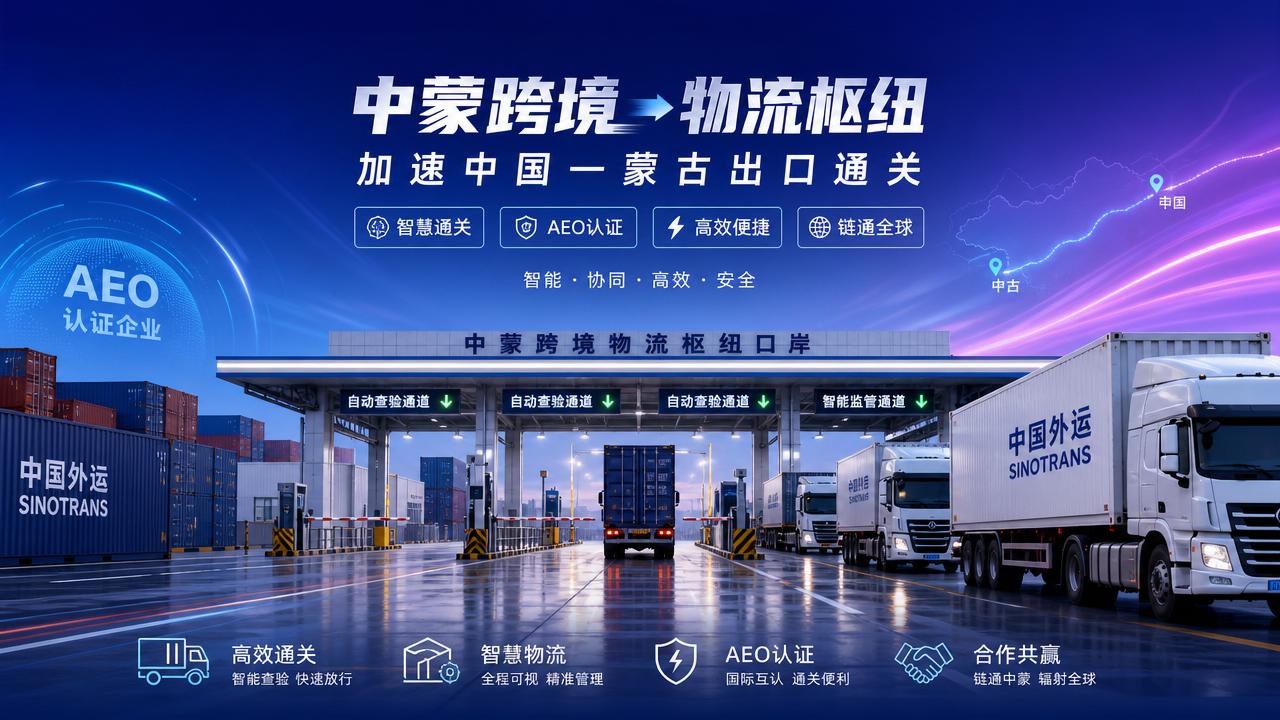
One image is placed near the opening section to support reader understanding of cross-border customs facilitation and trade logistics between China and Mongolia.
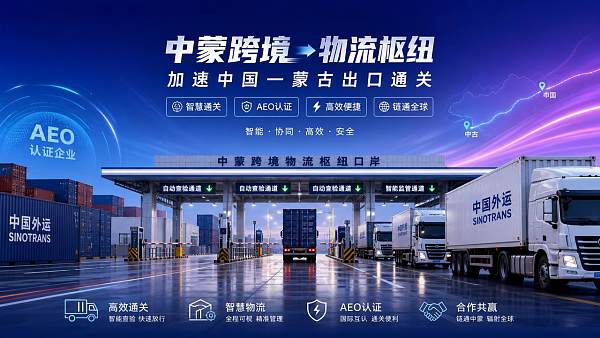
From June 1, 2026, the AEO mutual recognition arrangement between China and Mongolia entered full implementation, affecting export-oriented trade, customs clearance, logistics planning, and supply chain coordination because certified companies can apply specified facilitation measures when shipping goods to the counterpart country.
Confirmed Customs Facilitation Measures Now in Force
According to the provided event summary, the AEO mutual recognition arrangement between China and Mongolia became fully effective on June 1, 2026. The customs announcement states that AEO-certified companies on both sides may use eight facilitation measures for goods exported to the other country, including priority clearance, reduced inspection rates, and simplified documentation.
The provided data shows that, for certified companies exporting to Mongolia, average customs clearance time has been reduced by 41%. The logistics inspection rate has dropped from 25.3% to 7.1%, representing a 72% decrease in inspection frequency.
How the Rule Change May Reshape Trade Operations
Exporters with direct Mongolia-related business
Direct trading companies are affected because AEO status now has a clearer operational link with faster customs processing and fewer inspections for shipments to Mongolia. The impact is most visible in export declaration preparation, border clearance scheduling, delivery commitments, and customer service communication.
These companies may need to pay closer attention to whether their certification status, shipment records, and customs documentation are aligned with the requirements for using the facilitation measures. From an industry perspective, the reduced inspection rate can support more predictable export schedules, but it does not remove the need for compliant declarations and complete records.
Raw material sourcing companies
Companies purchasing raw materials for cross-border supply chains may be influenced indirectly. When certified suppliers or trading partners benefit from shorter clearance time, procurement teams may be able to review lead-time assumptions for materials linked to China-Mongolia trade flows.
The affected business steps include purchase planning, inbound delivery coordination, inventory buffer setting, and supplier qualification review. What deserves closer attention is whether upstream partners are AEO-certified and whether their shipment documentation can support simplified procedures without creating later compliance risks.
Processing and manufacturing companies
Manufacturers involved in export production may be affected because customs clearance efficiency can influence production scheduling, finished-goods release, and customer delivery plans. If a manufacturer exports to Mongolia through an AEO-certified entity, the facilitation measures may help reduce uncertainty around shipment dispatch and border processing.
Manufacturing companies may need to review how export documentation, product specifications, delivery timetables, and quality traceability records are prepared. Analysis shows that the main operational value lies not only in faster clearance, but also in the ability to coordinate production and shipment windows with fewer inspection-related disruptions.
Supply chain and logistics service providers
Freight forwarders, customs brokers, warehousing operators, and related logistics service providers may see changes in service expectations. Customers using AEO benefits may require more accurate customs status tracking, faster document processing, and clearer exception-handling procedures.
The impact appears in transport scheduling, customs documentation support, warehouse release timing, and communication with shippers. Observably, service providers may need to distinguish between shipments eligible for AEO facilitation and shipments that still follow ordinary inspection and documentation procedures.
Practical Priorities for Companies Preparing Shipments
Verify AEO eligibility before planning delivery promises
Companies should confirm whether the exporter, importer, or relevant trade party is covered by AEO certification before using shorter customs time as a basis for delivery commitments. The provided event information confirms facilitation for AEO enterprises, not for all market participants.
Align documentation with simplified procedures
Although simplified documentation is one of the stated facilitation measures, companies still need to keep export declarations, commercial documents, logistics records, and product information consistent. Simplification should be understood as procedural facilitation, not as an exemption from compliance responsibility.
Reassess procurement and shipment calendars
The reported 41% reduction in average clearance time for certified exporters to Mongolia may support more refined delivery planning. However, companies should adjust procurement and shipment schedules cautiously, especially where production, warehousing, and transport handover are closely linked.
Strengthen supplier and service-provider qualification checks
Because the benefits are tied to certified operators, supplier qualification management becomes more important. Companies may need to identify which partners hold valid AEO status, which shipments can use priority clearance, and which logistics providers can correctly handle the related customs procedures.
Industry Observation: Certification Becomes a Trade Efficiency Factor
From an industry perspective, this arrangement highlights the growing role of customs certification in cross-border trade competitiveness. AEO status is not only a compliance label; it can influence clearance predictability, logistics cost control, and the reliability of delivery planning.
Analysis shows that companies with stronger compliance systems may be better positioned to use the mutual recognition arrangement, while companies without certification may face a relative service-speed gap in Mongolia-related trade routes. This is an analytical judgment based on the facilitation measures described in the event summary, not a confirmed market outcome.
It is more appropriate to understand the change as a rule-based improvement in customs treatment for qualified operators. The arrangement may encourage more companies to review their internal compliance processes, document traceability, supplier records, and customs-risk controls. However, the actual commercial effect will depend on implementation practices and company-level readiness.
A Measured View on the Market Significance
The full implementation of the China-Mongolia AEO mutual recognition arrangement gives certified companies a clearer path to faster and more predictable customs clearance. The confirmed decline in inspection rate and reduction in average clearance time indicate a meaningful procedural change for eligible exporters.
At the same time, the impact should not be overstated. The benefits apply to qualified AEO participants and still depend on compliant documentation, accurate declarations, and operational coordination across the supply chain. A rational conclusion is that customs certification has become more directly connected with trade efficiency in China-Mongolia export activity.
Source Note and Items to Monitor
This article is generated based on the user-provided news title, event date, and event summary. The information refers to the full implementation date of June 1, 2026, the AEO mutual recognition arrangement between China and Mongolia, the eight facilitation measures, and the reported changes in clearance time and inspection rate.
Relevant source types for this kind of event usually include customs authority announcements, official trade facilitation notices, certification guidance, and implementation instructions. Specific official source links were not provided in the input and should be verified continuously.
Further monitoring should focus on detailed implementation rules, certification recognition practices, customs execution standards, changes in tender or procurement documentation, logistics service feedback, and industry responses from companies involved in China-Mongolia trade.
相关文章
相关产品
 易营宝SaaS智能建站营销系统易营宝SaaS智能建站营销系统,AI驱动零代码建站,10分钟快速搭建多语言外贸独立站,全球服务器加速,AI智能SEO优化,助力企业高效连接全球市场。技术与操作的完美融合,让外贸建站简单到极致
 AI+SEO双引擎系统优化服务易营宝AI+SEO双引擎优化系统,通过AI智能关键词挖掘、内容生成与全方位技术优化,助力外贸企业获取高质量自然流量,显著提升搜索排名与转化率。
 AI+SEM广告智投营销系统AI+SEM驱动智能创投,全链路赋能精准广告营销。系统自动生成周/月报,AI推荐关键词与投放国家,实时监测核心指标并智能预警,一键启动高转化投放方案,助力快速获客并提升ROI。
 AI+SNS社媒全智达营销系统易营宝AI+SNS社媒全智达营销系统-社媒时代的精准社交捕获,支持Facebook、LinkedIn等主流平台一键同步内容,AI智能改写贴文提升适配度,24/7智能客服与用户画像分析,助力企业高效拓展全球市场。
 AI+SEM 广告营销解决方案AI+SEM广告营销解决方案,利用AI智能技术深度赋能SEM广告投放。通过AI智能生成周报/月报,多维度呈现账户数据,全面掌握广告投放成效与趋势。AI精准推荐关键词与投放国家,智能生成高转化广告语,一键启动高效投放方案,助力企业快速获客。同时,系统实时监测核心指标,智能识别波动异常并及时预警,保障广告效果稳定高回报。
 AI+SEO营销解决方案易营宝AI+SEO营销解决方案,通过AI批量写作、智能生成TDK、精准关键词扩词等功能,全面优化网站SEO效果,提升流量与转化率。助力企业构建高效智能网站新生态。
 域名服务易营宝提供专业域名服务,包括智能查询、一站式注册、品牌保护及全周期管理,助力企业打造数字化品牌形象。
 易营宝B2C跨境商城、独立站易营宝B2C跨境商城独立站是由易营宝信息科技(北京)有限公司自主研发的智能建站与跨境电商一体化解决方案。系统专为中小型及大型出口企业打造,集“建站、运营、营销、投放、转化”于一体,帮助企业快速打造跨境电商独立站,实现品牌出海与全球销售增长。
平台支持多语言、多币种、多渠道营销,内置AI智能翻译与SEO优化系统,适配东南亚、欧美、拉美、中东等主流市场,助力中国制造企业高效布局国际电商版图。 B2B2C双模式独立站解决方案易营宝推出的B2B2C双模式独立站解决方案,专为同时开展批发与零售业务的企业打造。平台支持商品价格展示、商品多规格管理、购物车与购物车弹窗、购物车总价计算,以及统一批量询价等功能,帮助企业以更高效、更直观的方式触达B端与C端客户。通过云建站、大数据分析与广告智能投放体系,助力企业打破渠道壁垒,实现国内外市场拓展与品牌价值提升。