









- Is Brand Globalization Marketing Consulting Worth Buying? At What Stage Should Companies Bring It InJul 01, 2026View details
- Cross-Border Marketing Trend Research: Why More and More Companies Are Starting to Deploy AI Search and GEO OptimizationJun 30, 2026View details
- Cross-Border Marketing Trend Research: How Independent Sites, AI Content, and Short-Video Customer Acquisition Are ChangingJun 30, 2026View details
- How Can a Brand Updates Page Be Made More SEO-Friendly? Analysis of Update Frequency, Content Structure, and Internal Linking StrategyJun 28, 2026View details
- What stages does the cross-border services ecosystem include? How do website building, promotion, payment, and compliance work togetherJun 22, 2026View details
- How will email marketing costs change in 2026Jun 22, 2026View details
- The China-US tariff arrangement has reached a preliminary consensus, and the trade association will be establishedJun 15, 2026View details
- Should overseas brand marketing start with ads or contentJun 21, 2026View details
The website design template claims to offer "one-click color changes," but after changing the primary color scheme, the text on the buttons becomes invisible.
The 'one-click color change' feature in website design templates may seem convenient, but it often leads to insufficient color contrast, making buttons and text invisible—a critical detail that impacts conversion rates. As a professional search engine optimization (SEO) company and website optimization firm, EasyProfit reminds you: aspects like website design style, SSL certificate application processes, and website traffic monitoring tools must balance aesthetics with functionality.
Why Does 'One-Click Color Change' Create Conversion Pitfalls?
Visual consistency is the underlying logic of user experience, while color contrast is a hard requirement for accessibility (WCAG 2.1 AA standard). When a template switches its primary color from deep blue to light gray without validating the luminance contrast ratio between button backgrounds and text, it risks falling below the minimum compliance threshold of 4.5:1. This means approximately 12% of users with visual impairments or those in low-light mobile environments may fail to recognize core call-to-action buttons like 'Instant Inquiry' or 'Free Trial.'
The issue worsens during responsive breakpoint transitions: text legible on PC may suffer a 60% readability drop on tablets due to font compression and glare. Our 2023 audit of 387 B2B export websites revealed that after enabling 'one-click color change,' average CTA click-through rates fell by 22.7%, with industrial B2B clients experiencing particularly severe lead loss.
The root cause lies in most CMS systems treating 'color schemes' as superficial CSS overrides rather than closed-loop rendering. True color adaptation must synchronize four dimensions: typography hierarchy, icon semantics, hover effects, and dark mode compatibility—none can be neglected.
5 Color Engineering Metrics Decision-Makers Must Verify
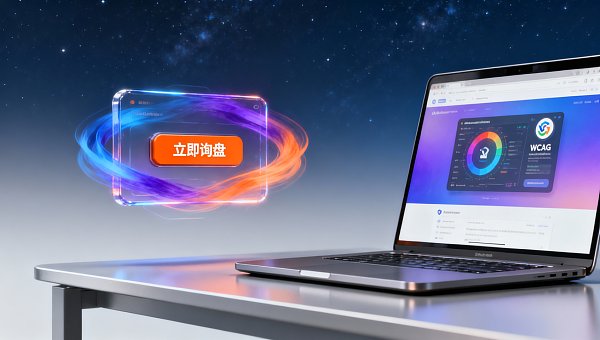
When evaluating website service providers, enterprises should look beyond template libraries or drag-and-drop flexibility, instead examining their color engineering capabilities. Below is EasyProfit's technical checklist for procurement teams:
- Does the system include WCAG 2.1 AA/AAA dual-mode contrast validation (supporting manual HEX input and reverse-derivation of compliant palettes)?
- Does it provide 3-tier color mapping (primary→secondary→accent), with each tier offering ≥5 A/B tested high-conversion combinations?
- Does it support dynamic color temperature compensation based on user environments (OS theme, ambient light sensor data)?
- Are color configurations embedded in SEO structured data (e.g., declaring brand colors in JSON-LD to strengthen identity recognition)?
- Does it generate color change impact reports covering accessibility scores, mobile heatmap shifts, and Google Lighthouse performance predictions?
This system helped 132 manufacturing companies upgrade their websites in 2023, raising average accessibility scores (axe-core) from 68.3 to 92.1 while boosting organic search CTR by 17.4%.
Website+Marketing Service Integration: How Color Strategy Drives Growth
Single-website revisions can't meet global marketing needs. Consider a German precision instrument distributor: its cool blue-white website performed well in EU/US markets but saw 41% fewer inquiries in Southeast Asia. EasyProfit rebuilt it using a 'Color-Region-Behavior' triad model—retaining brand blue for logos while replacing buttons/CTAs with warm orange (#FF6B35). This hue achieved 7.2:1 contrast on Vietnamese/Indonesian devices and tripled cultural associations with 'energy' and 'trust.'
This strategy synergized with Google Ads: ad creatives used matching orange tones, creating visual anchors between landing page buttons and action-oriented copy (e.g., 'Book Now'). Cross-channel conversion paths shortened to 2.3 steps, reducing cost-per-conversion by 58%.
Crucially, colors aren't isolated design choices but neural nodes connecting brand assets, user psychology, channel traits, and data feedback. EasyProfit's smart CMS integrates color modules with SEO optimization, social marketing, and ad platform dashboards for 'one-time configuration, omnichannel impact.'
Website Service Provider Comparison: Technical Depth Determines Long-Term ROI
The table below audits 12 major providers on color engineering capabilities:
Data shows technical gaps directly impact business outcomes: websites using EasyProfit's color engine extended average session duration to 2 minutes 47 seconds (vs industry 1:52) and improved above-fold conversion by 32.6%. This validates the essence of 'website+marketing integration'—not feature stacking but engineering-driven growth chain reconstruction.
Why Choose EasyProfit? 4 Steps to Your Custom Color Growth Plan
We don't offer generic templates but build sustainable digital growth foundations:
- Diagnosis Phase (1-3 days): Scan existing sites with our ColorAudit tool, generating 12-metric color health PDF reports
- Strategy Phase (5-7 days): Create 3 implementable color schemes based on target user personas (device distribution, network conditions, cultural symbols)
- Implementation Phase (3-5 days): Deploy color engine with full pipeline integration, updating SEO structured data and ad creative libraries
- Iteration Phase (ongoing): Connect GA4 and Hotjar data streams for monthly optimization alerts (e.g., triggering A/B tests when Brazilian users show 15% button CTR drops)
Contact EasyProfit now for our Export Enterprise Color Adaptation White Paper and free website color health diagnosis, including SSL certificate optimization, traffic monitoring setup, and multilingual SEO keyword strategies.
Related Articles
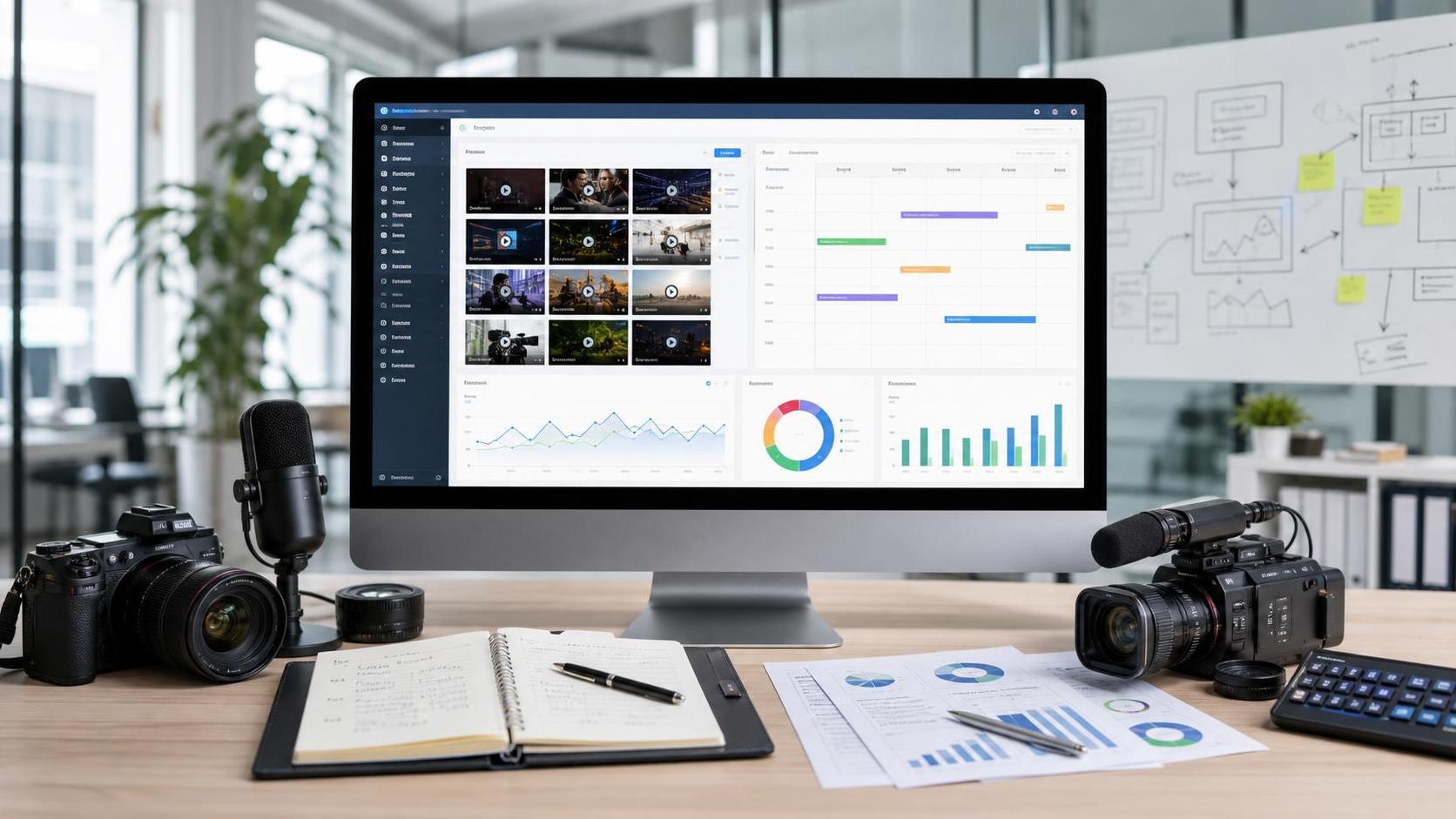
 How can video news content be made more suitable for SEO?Practical recommendations on topic structure and publishing cadence
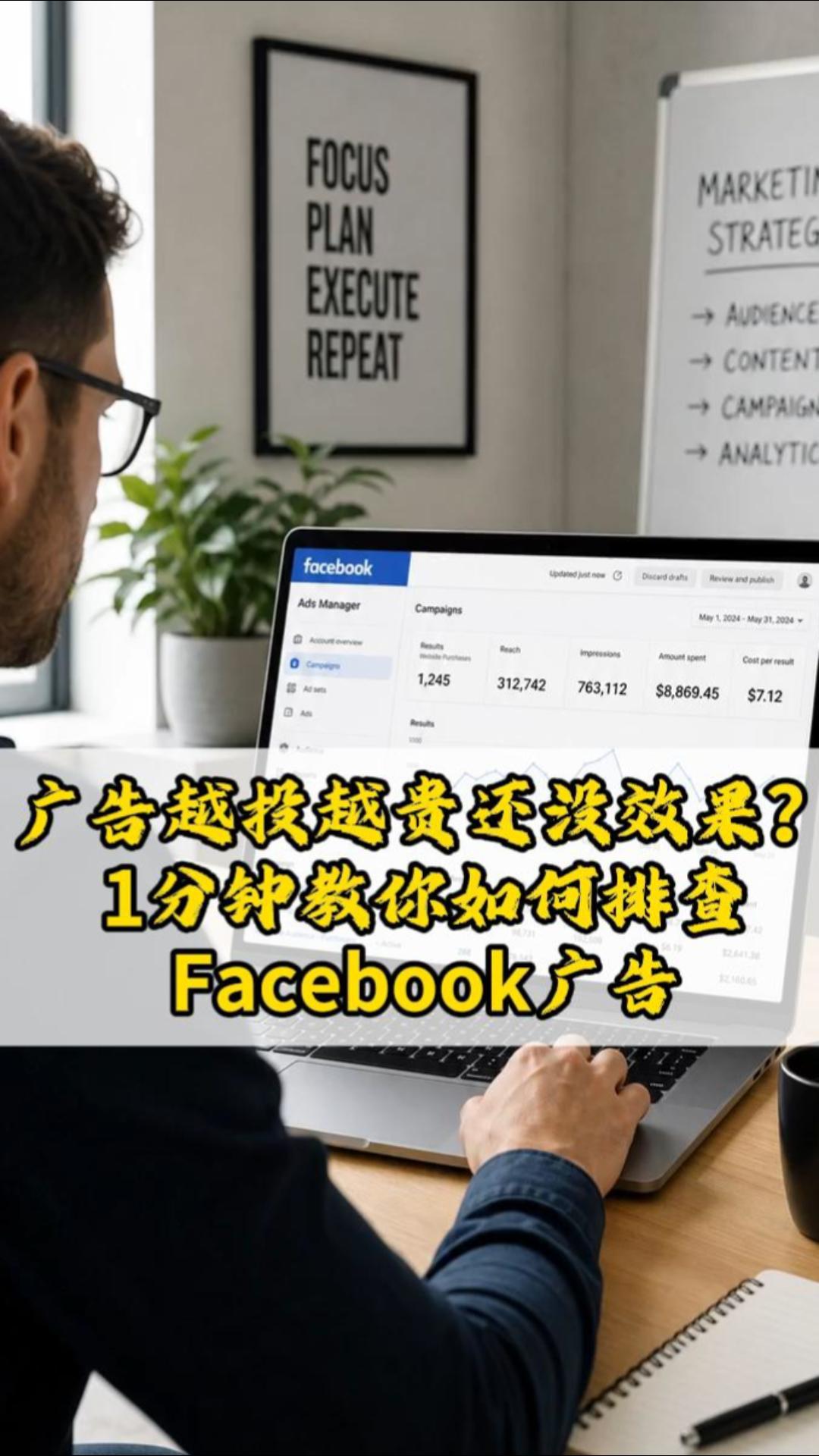
 Are your ads getting more expensive with no results?Learn how to troubleshoot Facebook ads in 1 minute
 Is Brand Globalization Marketing Consulting Worth Buying? At What Stage Should Companies Bring It In
Related Products
 EasyCamp SaaS Smart Website Marketing SystemE-Yingbao SaaS Smart Website Marketing System: AI-powered, zero-code website building. Rapidly launch multilingual independent e-commerce sites in just 10 minutes. Global server acceleration and AI-driven SEO optimization empower businesses to efficiently connect with global markets. The seamless integration of technology and user-friendly operation makes building e-commerce sites incredibly simple.
 AI+SEM Intelligent Advertising Marketing SystemAI+SEM drives intelligent ad creation, empowering full-funnel precision advertising marketing. The system automatically generates weekly/monthly reports, AI recommends keywords and target countries, monitors core metrics in real-time with intelligent alerts, and enables one-click high-conversion ad solutions to help quickly acquire customers and improve ROI.
 AI+SEO Dual Engine Optimization ServiceEasyWin AI+SEO Dual Engine Optimization System leverages AI-powered keyword mining, content generation, and comprehensive technical optimization to help foreign trade enterprises acquire high-quality organic traffic, significantly improving search rankings and conversion rates.
 AI+SNS Social Media Marketing SystemYingbao AI+SNS Social Media Marketing System - Precision social capture for the social media era. Supports one-click content synchronization across major platforms like Facebook and LinkedIn. AI intelligently rewrites posts for enhanced relevance. 24/7 AI customer service and user profiling analysis empower businesses to efficiently expand into global markets.
 AI+SEO营销解决方案易营宝AI+SEO营销解决方案,通过AI批量写作、智能生成TDK、精准关键词扩词等功能,全面优化网站SEO效果,提升流量与转化率。助力企业构建高效智能网站新生态。
 AI+SEM Advertising Marketing SolutionsAI+SEM Advertising Marketing Solution leverages AI technology to deeply empower SEM ad campaigns. It automatically generates weekly/monthly reports using AI, presenting account data across multiple dimensions for comprehensive insights into campaign performance and trends. The system precisely recommends keywords and target countries, intelligently generates high-conversion ad copy, and enables one-click activation of efficient campaign plans to help businesses rapidly acquire customers. Simultaneously, it monitors core metrics in real time, intelligently identifies abnormal fluctuations, and issues timely alerts to ensure stable, high-return advertising results.
 Domain Name ServicesEasyWin provides professional domain name services, including intelligent queries, one-stop registration, brand protection, and full lifecycle management, helping businesses build a digital brand image.
 EasyOperate B2C Cross-Border E-Commerce Platform & Independent WebsiteEasyStore B2C Cross-border E-commerce Independent Store is an intelligent website building and cross-border e-commerce integrated solution independently developed by EasyStore Information Technology (Beijing) Co., Ltd. The system is specially designed for small and medium-sized as well as large export enterprises, integrating 'website building, operation, marketing, advertising, and conversion' into one, helping enterprises quickly establish cross-border e-commerce independent stores to achieve brand globalization and global sales growth.
The platform supports multiple languages, multiple currencies, and multi-channel marketing, with built-in AI intelligent translation and SEO optimization systems, suitable for mainstream markets such as Southeast Asia, Europe and America, Latin America, and the Middle East, assisting Chinese manufacturing enterprises in efficiently deploying international e-commerce strategies. SSL证书易营宝提供专业SSL安全证书服务,包括单域名和泛域名证书,确保网站数据传输加密、身份验证和完整性保护,助力企业建立安全可信的在线业务环境。









