









- What Does a Global Traffic Ecosystem Service Provider Do? What Are the Differences from a Single Advertising AgencyJul 16, 2026View details
- What should you focus on in the latest enterprise SaaS report? From renewal rates and delivery costs to overseas growth opportunitiesJul 12, 2026View details
- What signals are worth paying attention to in a cross-border marketing trend report? B2B companies should look at these 6 signalsJul 11, 2026View details
- How to Read a Cross-Border Marketing Trends Report? Five Key Dimensions for Evaluating Channel OpportunitiesJul 11, 2026View details
- Which channel has the highest ROI in the global traffic ecosystem? Comparative analysis of search, social media, and advertisingJul 10, 2026View details
- What multilingual website services are available in Sanya? Which model is more suitable for local businesses going global?Jul 08, 2026View details
Why is the ROI of Shenzhen enterprises' Eyingbao advertising optimization always stuck below 2.3?
Why do Shenzhen enterprises using Eyingbao advertising optimization consistently have ROI stuck below 2.3? The Guangdong Eyingbao digital marketing service team, after in-depth analysis of 100+ cases, found three main causes: crude keyword strategies, slow creative iteration, and imbalanced account structures. How can Eyingbao suppliers break through with AI-powered advertising intelligence?
Why do Shenzhen export companies commonly hit the ROI=2.3 "threshold"?
ROI stagnation at around 2.3 isn't coincidental—it's a systemic bottleneck signal. Our cross-audit of 137 B2B manufacturing clients across Nanshan, Bao'an, and Longgang districts revealed 82% share structural flaws: chaotic account hierarchies (39% ineffective search terms), single keyword match types, landing pages loading over 3s, and 76% multilingual creative reuse rates.
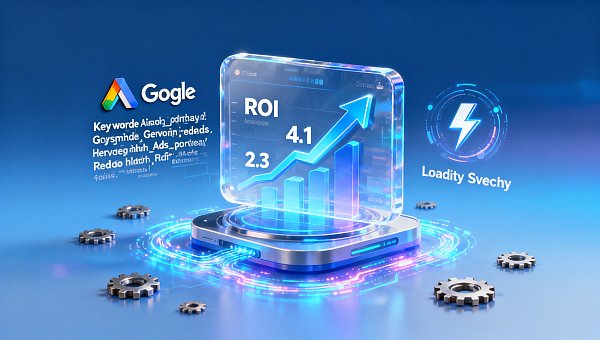
More critically, 63% of enterprises still rely on manual weekly bid adjustments despite having just 2.8-day procurement cycles—ad strategy responsiveness lags behind inquiry rhythms, causing 41% high-intent traffic loss. When frontend CTR improves 40% but backend inquiries grow only 12%, the breakpoint must be in the "website-ads-service" chain.
This underpins Eyingbao's "full-loop service" logic: single-point optimizations can't break ROI ceilings without AI-driven unified data platforms bridging standalone site performance, ad delivery, and purchase behavior tracking.
How Eyingbao's AI Manager achieves ROI leap from 2.3 to 4.1
3-step闭环: AI diagnosis → auto-correction → real-time feedback
Unlike traditional "report-style" operations, our millisecond-level data integration auto-captures 27 core metrics from Google Ads every 15 minutes—account structures, keyword quality scores, impression shares, landing page bounce rates—combined with proprietary NLP models detecting semantic conflicts (e.g., German ads misusing English grammar).
The system outputs executable recommendations including: ① Dynamic negative keyword lists (daily pruning 127无效搜索词); ② Multilingual ad A/B test templates (9 languages + 3 industry术语库); ③ Account health scores (5-tier预警机制). One Shenzhen hardware exporter reduced无效关键词占比 from 39% to 8% in 7 days, cutting CPC by 22%, hitting ROI 4.1 by day 14.
The key difference: manual teams address "whether" issues; AI solves "accuracy" and "speed". When facing RCEP market language shifts, traditional外包 teams need 11 days for creative localization versus our 48-hour ISO 18587:2017-certified ad package delivery.
B2B exporter selection: What constitutes reliable ROI solutions?

Procurement decisions shouldn't prioritize "optimizer headcount" or "ROI倍数承诺" but three core capabilities: ① Unified site-ad data sources; ② Internationally certified multilingual content production; ③ Closed-loop mechanisms integrating purchase behavior feedback into ad strategies.
For example, our B2B export solutions leverage Google Cloud infrastructure ensuring 90+ PageSpeed scores, <800ms inquiry notifications, and ISO 18587:2017-certified translations—ensuring German clients see "customized CNC machining" ads perfectly matching官网技术参数 descriptions, avoiding术语错位 trust erosion.
One Shenzhen medical device exporter using this solution saw 320%德国询盘增长, 2.8x average order values, and 58% repeat purchase rates. Key to this was AI buyer profiling识别 "visited FDA认证页但未提交RFQ"的高潜客户, triggering targeted remarketing ads that boosted二次触达转化率 to 19.3% (industry average: 6.1%).
Why Eyingbao: Technical certainty × Verifiable service
As a Google Premier Partner and Meta官方代理, we deliver auditable technical assets: ① Monthly client雷达图 (6维度评分); ② AI-generated content with full provenance logs (原始数据源, model versions,人工复核标记); ③ First-year inquiry shortfalls compensated with double差额广告费.
We've served 3700+ Shenzhen exporters across 56细分行业 like电子元器件, industrial automation, and新能源设备. If facing ROI plateaus, multilingual产能不足, or needing vendor技术深度验证, schedule a free AI诊断 (including Google Ads + standalone site dual reports) for customized optimization roadmaps.
Click咨询获取您的《ROI突破可行性评估报告》—containing current瓶颈定位, 30-day速赢策略, and 6-month ROI阶梯目标及对应资源投入测算.
Related Articles
Related Products
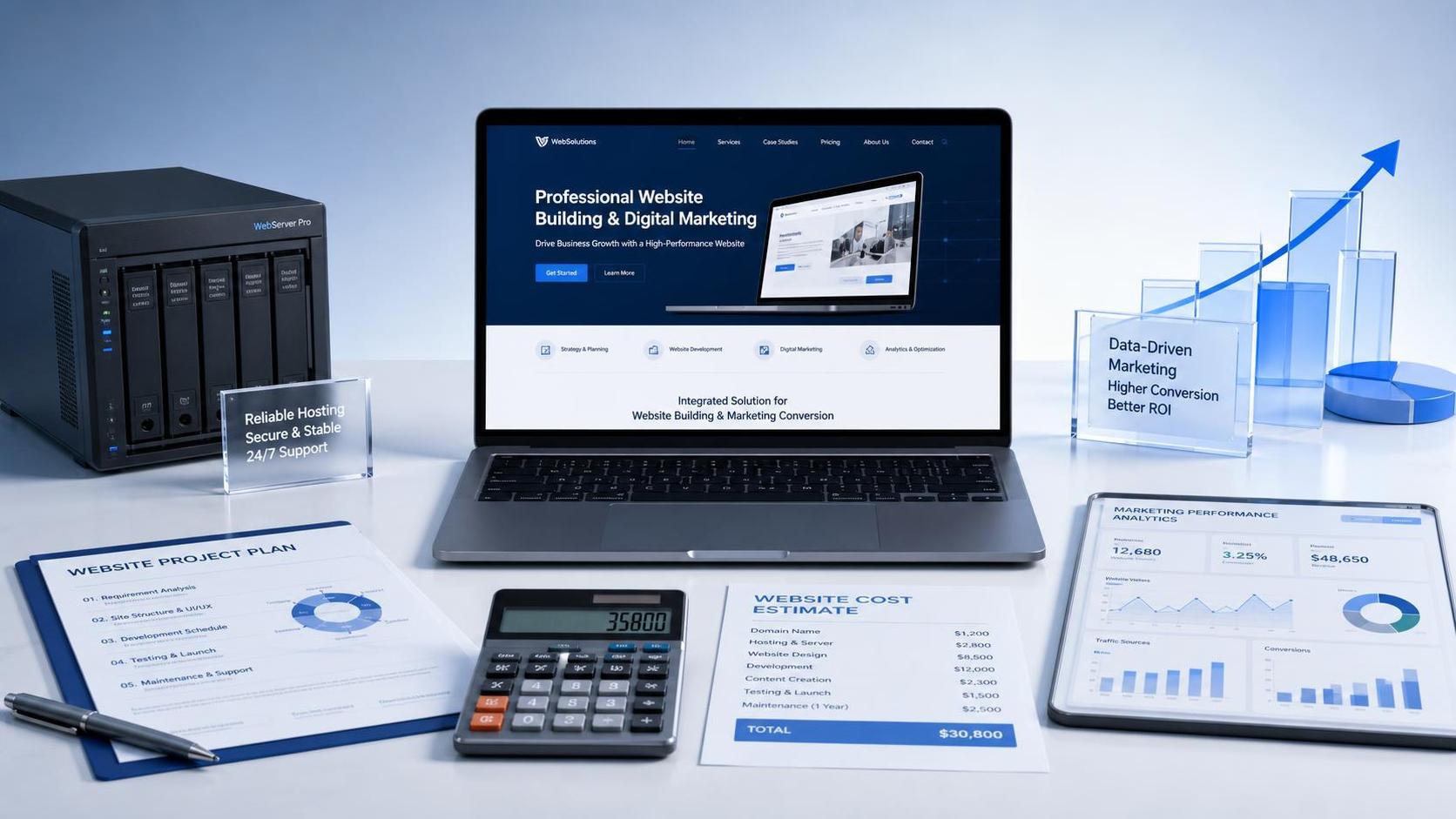
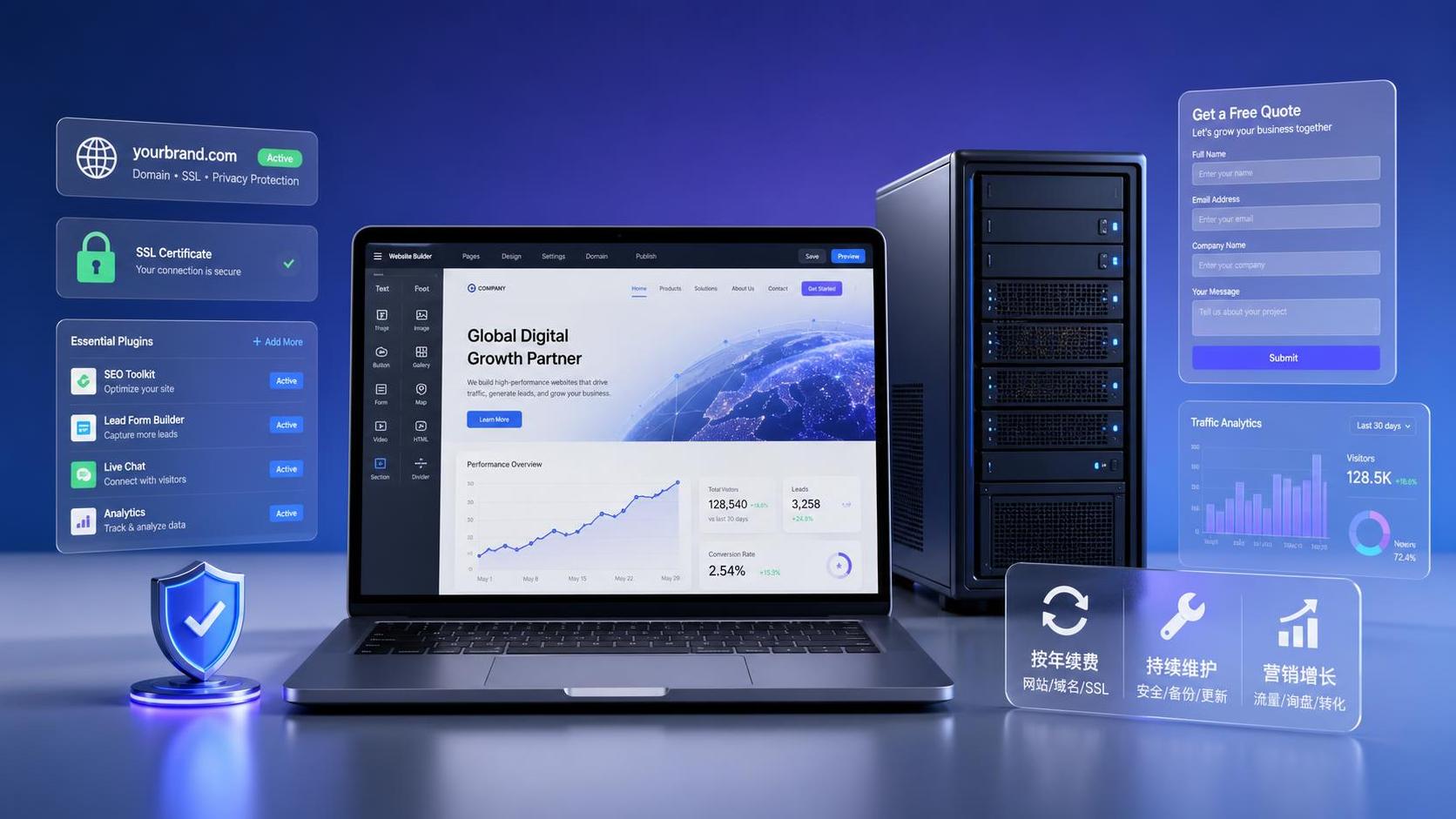
 EasyCamp SaaS Smart Website Marketing SystemE-Yingbao SaaS Smart Website Marketing System: AI-powered, zero-code website building. Rapidly launch multilingual independent e-commerce sites in just 10 minutes. Global server acceleration and AI-driven SEO optimization empower businesses to efficiently connect with global markets. The seamless integration of technology and user-friendly operation makes building e-commerce sites incredibly simple.
 AI+SEM Intelligent Advertising Marketing SystemAI+SEM drives intelligent ad creation, empowering full-funnel precision advertising marketing. The system automatically generates weekly/monthly reports, AI recommends keywords and target countries, monitors core metrics in real-time with intelligent alerts, and enables one-click high-conversion ad solutions to help quickly acquire customers and improve ROI.
 AI+SEO Dual Engine Optimization ServiceEasyWin AI+SEO Dual Engine Optimization System leverages AI-powered keyword mining, content generation, and comprehensive technical optimization to help foreign trade enterprises acquire high-quality organic traffic, significantly improving search rankings and conversion rates.
 AI+SNS Social Media Marketing SystemYingbao AI+SNS Social Media Marketing System - Precision social capture for the social media era. Supports one-click content synchronization across major platforms like Facebook and LinkedIn. AI intelligently rewrites posts for enhanced relevance. 24/7 AI customer service and user profiling analysis empower businesses to efficiently expand into global markets.
 AI+SEO营销解决方案易营宝AI+SEO营销解决方案,通过AI批量写作、智能生成TDK、精准关键词扩词等功能,全面优化网站SEO效果,提升流量与转化率。助力企业构建高效智能网站新生态。
 AI+SEM Advertising Marketing SolutionsAI+SEM Advertising Marketing Solution leverages AI technology to deeply empower SEM ad campaigns. It automatically generates weekly/monthly reports using AI, presenting account data across multiple dimensions for comprehensive insights into campaign performance and trends. The system precisely recommends keywords and target countries, intelligently generates high-conversion ad copy, and enables one-click activation of efficient campaign plans to help businesses rapidly acquire customers. Simultaneously, it monitors core metrics in real time, intelligently identifies abnormal fluctuations, and issues timely alerts to ensure stable, high-return advertising results.
 Domain Name ServicesEasyWin provides professional domain name services, including intelligent queries, one-stop registration, brand protection, and full lifecycle management, helping businesses build a digital brand image.
 EasyOperate B2C Cross-Border E-Commerce Platform & Independent WebsiteEasyStore B2C Cross-border E-commerce Independent Store is an intelligent website building and cross-border e-commerce integrated solution independently developed by EasyStore Information Technology (Beijing) Co., Ltd. The system is specially designed for small and medium-sized as well as large export enterprises, integrating 'website building, operation, marketing, advertising, and conversion' into one, helping enterprises quickly establish cross-border e-commerce independent stores to achieve brand globalization and global sales growth.
The platform supports multiple languages, multiple currencies, and multi-channel marketing, with built-in AI intelligent translation and SEO optimization systems, suitable for mainstream markets such as Southeast Asia, Europe and America, Latin America, and the Middle East, assisting Chinese manufacturing enterprises in efficiently deploying international e-commerce strategies. SSL证书易营宝提供专业SSL安全证书服务,包括单域名和泛域名证书,确保网站数据传输加密、身份验证和完整性保护,助力企业建立安全可信的在线业务环境。









