









- What Does a Global Traffic Ecosystem Service Provider Do? What Are the Differences from a Single Advertising AgencyJul 16, 2026View details
- What should you focus on in the latest enterprise SaaS report? From renewal rates and delivery costs to overseas growth opportunitiesJul 12, 2026View details
- What signals are worth paying attention to in a cross-border marketing trend report? B2B companies should look at these 6 signalsJul 11, 2026View details
- How to Read a Cross-Border Marketing Trends Report? Five Key Dimensions for Evaluating Channel OpportunitiesJul 11, 2026View details
- Which channel has the highest ROI in the global traffic ecosystem? Comparative analysis of search, social media, and advertisingJul 10, 2026View details
- What multilingual website services are available in Sanya? Which model is more suitable for local businesses going global?Jul 08, 2026View details
- How to view the complete list of China SaaS companies in the top 100? Practical methods for screening website-building and marketing service providersJul 08, 2026View details
- How to view pricing in the global traffic ecosystem? Cost comparison of search, social media, and content channel advertisingJul 06, 2026View details
The Hidden Limitations of Free Website Builders Are Greater Than You Think
Many companies choose free website building platforms, yet overlook limitations in templates, weak SEO, and data security risks. If you are evaluating website design pricing, search engine optimization services, or the SSL certificate application process, this article will help you see the hidden limitations clearly.
Why do free website building platforms seem to save money, but often end up costing more later?

For information researchers and business decision-makers, the biggest appeal of free website building platforms is “going live with zero barriers.” But once the project truly enters execution, technical evaluators will find that free does not mean low cost, and many expenses are merely shifted from upfront procurement to later operations.
Common hidden limitations mainly fall into 3 categories: template structures cannot be deeply customized, feature expansion requires payment, and site data migration is restricted. Once a company needs redesigns, added sections, form integrations, or tracking deployment within 3 months to 12 months, the budget will continue to increase.
For project managers and after-sales maintenance personnel, the real trouble is not going live, but the ongoing maintenance. For example, page loading speed, mobile compatibility, form lead storage, SSL certificate configuration, domain resolution, and search engine indexing—if the platform does not provide enough control, these issues are difficult to handle in a timely manner.
In the integrated website + marketing service scenario, a website is not an isolated page, but a customer acquisition entry point. If the website building system cannot support SEO optimization, advertising campaigns, and social media traffic generation, the website cost seemingly saved upfront will often be magnified across 6 follow-up investments: redesign, operations and maintenance, promotion, migration, security, and lead recovery.
4 common misjudgments companies make
- Treating “being able to go live” as “being able to acquire customers,” while overlooking page structure, keyword layout, and landing page conversion paths.
- Treating “rich templates” as “suitable for the industry,” resulting in packaging, environmental protection, and manufacturing companies being unable to present cases, parameters, and certification information.
- Treating “platform hosting” as “security without worries,” without checking backup frequency, access logs, permission management, and certificate renewal responsibilities.
- Treating “free trial” as “usable long term,” only to discover limitations later when connecting an independent domain, removing platform branding, or adding analytics code.
If a company serves overseas markets, distribution channels, or customers across multiple regions, the problem becomes even more obvious. This is because language versions, access speed, advertising attribution, and form routing all require more refined technical support, and free platforms usually struggle to cover scenarios across more than 2 markets.
Which key capabilities are most easily overlooked? A step-by-step look from SEO and security to maintainability

When choosing a website building solution, technical evaluators should not only look at whether the interface is visually appealing, but also whether the underlying system supports long-term marketing. A website that can be used sustainably should at least cover 4 dimensions: search engine friendliness, data security, scalability, and daily maintenance efficiency.
First, look at SEO. Although many free website building platforms can generate pages, they do not necessarily support custom titles, descriptions, URL hierarchy, image alt text, and structured content layout. For search engines, this directly affects page understanding and keyword coverage, and the gap is usually visible within 4 weeks to 12 weeks after launch.
Next, look at security. Quality control personnel and security managers usually pay attention to issues such as the SSL certificate application process, where form data is stored, backend permission segmentation, and vulnerability fix cycles. If the platform does not open up complete configuration options, risks may not be exposed immediately, but once data loss occurs, responsibility boundaries will become very unclear.
Finally, look at maintenance. What after-sales maintenance personnel care more about is whether subsequent website updates repeatedly depend on platform rules, whether adding new sections is restricted, whether image and video assets will be compressed and distorted, whether multi-device responsive display is supported, and how long it takes for page changes to take effect stably.
Core differences between free website platforms and customized marketing websites
The table below is suitable for joint evaluation by procurement, technical, and management teams. The key point is not to compare “cheap or expensive,” but to see which solution is more suitable for business growth over the next 12 months to 24 months.
From a decision-making perspective, if a company only needs short-term display, a free platform has its applicability; but as long as it involves search engine optimization services, lead conversion, brand building, or cross-regional promotion, a sustainable architecture should be prioritized instead of focusing only on the initial price.
Why do industry-focused websites need structured design more?
For businesses such as papermaking, packaging, and environmental protection, websites often do more than present a company profile—they also need to carry solution capabilities, application scenarios, delivery processes, and consultation entry points. If the page structure is overly template-based, it becomes difficult to explain complex services clearly and is also unfavorable for building professional trust.
For example, a website with single-column logic, high-definition industrial scenario visuals, diverse interactive modules, and high-conversion booking forms is more suitable for handling industrial customer visit paths. If you want to understand this kind of page presentation that balances visual impact and conversion, you may refer to the related showcase ideas for papermaking, packaging, and environmental protection.
When purchasing website building services, what should you focus on besides pricing?
Website design pricing is only the starting point of procurement judgment, not the end point. Many companies compare prices by looking only at homepage mockups and the total amount, while overlooking delivery boundaries. As a result, they only discover after launch that the number of secondary pages, form logic, SSL deployment, content entry, and basic search settings were not included.
It is recommended to start with 5 checkpoints: whether responsive architecture is supported, whether basic SEO configuration is included, whether there is a delivery checklist, whether the after-sales cycle is clearly defined, and whether ongoing marketing collaboration can be provided. This is closer to real procurement outcomes than simply asking “how much does it cost to build a website.”
For distributors, agents, and channel partners, a website also has another key task: helping end customers quickly understand products and services. If the site cannot clearly present solution hierarchy, regional service capabilities, and consultation entry points, channel conversion will be significantly slowed down.
Yiyingbao Information Technology (Beijing) Co., Ltd. has long served global growth scenarios. Its core advantage lies not in one-off website building, but in connecting intelligent website building, SEO optimization, social media marketing, and advertising campaigns. For companies hoping to balance brand presentation and customer acquisition growth within 1 project cycle, this integrated capability has more practical value.
Procurement evaluation form: suitable for internal project approval and supplier screening
The table below can be used as a unified standard during project approval meetings, technical review meetings, or supplier communications, and is especially suitable for project teams that need to complete selection within 2 weeks to 4 weeks.
If your industry values brand endorsement and solution presentation, then the page should not remain only at the basic level of “company profile + contact us.” Taking industrial service websites as an example, a structure with clear content sections, explicit solutions, and concise booking paths is more suitable, which is also why many companies shift from ordinary template sites to professional solutions.
A more practical way to judge
- First confirm the website goal: brand presentation, inquiry generation, or channel recruitment. Different goals correspond to different structures.
- Then confirm 2 types of timelines: the website delivery timeline and the post-launch optimization timeline. The two should not be discussed as one.
- Finally confirm the follow-up operational resources. If the company lacks content and advertising teams, it should prioritize a partner that can provide ongoing services.
How can risks be reduced during implementation? Consider process, compliance, and content planning together
Many website projects fail not because the pages are not attractive enough, but because the implementation process lacks control points. Especially when corporate websites, marketing sites, and channel sites run in parallel, project leaders need even more to manage requirement confirmation, content organization, technical deployment, and acceptance separately, rather than pushing everything forward at once.
A relatively stable implementation rhythm is usually divided into 4 steps: requirement sorting, prototyping and content planning, development deployment, and launch acceptance. From kickoff to first-version launch, regular projects commonly take 2 weeks to 6 weeks, depending on the number of pages, language versions, and the readiness of content preparation.
In terms of security and compliance, companies should at least confirm 3 categories of matters: whether the SSL certificate has been properly deployed, how form data is retained, and whether backend permissions are tiered. If overseas promotion is involved, additional attention should be paid to whether access regions, form prompts, and data transmission methods comply with the common requirements of the target market.
Content planning also should not be postponed. Search engine optimization services are not about casually adding articles after the website goes live, but about completing core sections, keyword paths, case content, and conversion form design during the website-building stage itself, so as to avoid frequent rework later.
6-item checklist before launch
- Whether domain resolution is stable, and whether the main domain and common redirect rules have been configured.
- Whether the SSL certificate application process is complete, and whether browser access shows a secure connection status.
- Whether responsive testing has been completed on PC, tablet, and mobile devices, with focus on the first screen, navigation, forms, and image loading.
- Whether page titles, descriptions, URLs, and image descriptions have been filled in, to avoid blank fields after launch.
- Whether form submission, email notifications, inquiry buttons, and analytics code can function properly.
- Whether backup mechanisms and backend permissions are clearly defined, for easier subsequent maintenance and issue tracking.
If the company’s industry emphasizes image, technology, and ecosystem equally, then the page content should simultaneously reflect the company’s sense of scale, technical commitment, and solution logic. For scenarios such as papermaking, packaging, and environmental protection, it is more suitable to improve business inquiry efficiency through responsive architecture, industry solution waterfall flows, and booking entry points.
Frequently asked questions: Are free website building platforms really suitable for long-term business use?
The following questions are the ones most frequently asked by technical evaluators, procurement teams, and management, and they are also key judgment points in deciding whether to continue using free website building platforms.
What scenarios are free website building platforms suitable for?
If it is only for short-term campaign pages, temporary display pages, or personal test pages, and the expected usage period does not exceed 1 month to 3 months, free website building platforms do offer a certain degree of convenience. But once it involves an official corporate website, inquiry collection, multi-page display, or long-term promotion, they are not recommended as the core carrier.
Why can website design pricing vary so much?
The difference usually comes not only from the number of pages, but also from functional boundaries. Whether it includes responsive adaptation, basic SEO settings, content entry, SSL deployment, form linkage, testing, and maintenance will directly affect the pricing structure. During procurement, it is best to write these 6 items clearly one by one rather than looking only at the total price.
When should search engine optimization services be introduced?
The earlier, the better. The ideal rhythm is to introduce them simultaneously during the website planning and prototyping stage, so that section structure, page hierarchy, keyword layout, and content templates can all be planned at once. If optimization is added only after launch, secondary development is often required, and the timeline may increase by 1 week to 3 weeks.
Is the SSL certificate application process complicated?
The process itself is not particularly complicated and usually includes several steps such as domain confirmation, certificate application, deployment binding, and access verification. The difficulty lies not in the application itself, but in renewal reminders, server configuration, and redirect rule handling. If there is no internal staff to maintain it, it is best to clarify the division of responsibilities in the website-building contract.
Why choose us: not just building websites, but connecting the entire customer acquisition chain
For companies hoping to operate online traffic for the long term, what they truly need is not merely “a website that can be opened,” but a digital solution that can support brand presentation, search traffic, advertising conversion, and lead follow-up. Since 2013, Yiyingbao Information Technology (Beijing) Co., Ltd. has been deeply engaged in digital marketing services. With artificial intelligence and big data as its core driving forces, it can coordinate website building, optimization, promotion, and operations together.
If you are comparing free website building platforms, evaluating website design pricing, or preparing to sort out search engine optimization services and the SSL certificate application process, we can work with you to make more detailed judgments: how to determine the number of pages, how to arrange the delivery timeline, which functions must be implemented first, and which content is suitable for phased launch.
For business decision-makers, the focus can be on how budget matches phased goals; for technical evaluators, the focus can be on confirming architecture, permissions, deployment, and maintenance boundaries; for project leaders and after-sales teams, the focus can be on communicating implementation processes, acceptance milestones, and subsequent update mechanisms.
If you want advice that is closer to your business, you can now start the discussion around 4 items: website selection, delivery timeline, customized solutions, and pricing range. This can help you judge more quickly whether a free platform is truly suitable for you, and also avoid repeated redesigns and hidden investments within the next 6 months to 12 months.
Related Articles
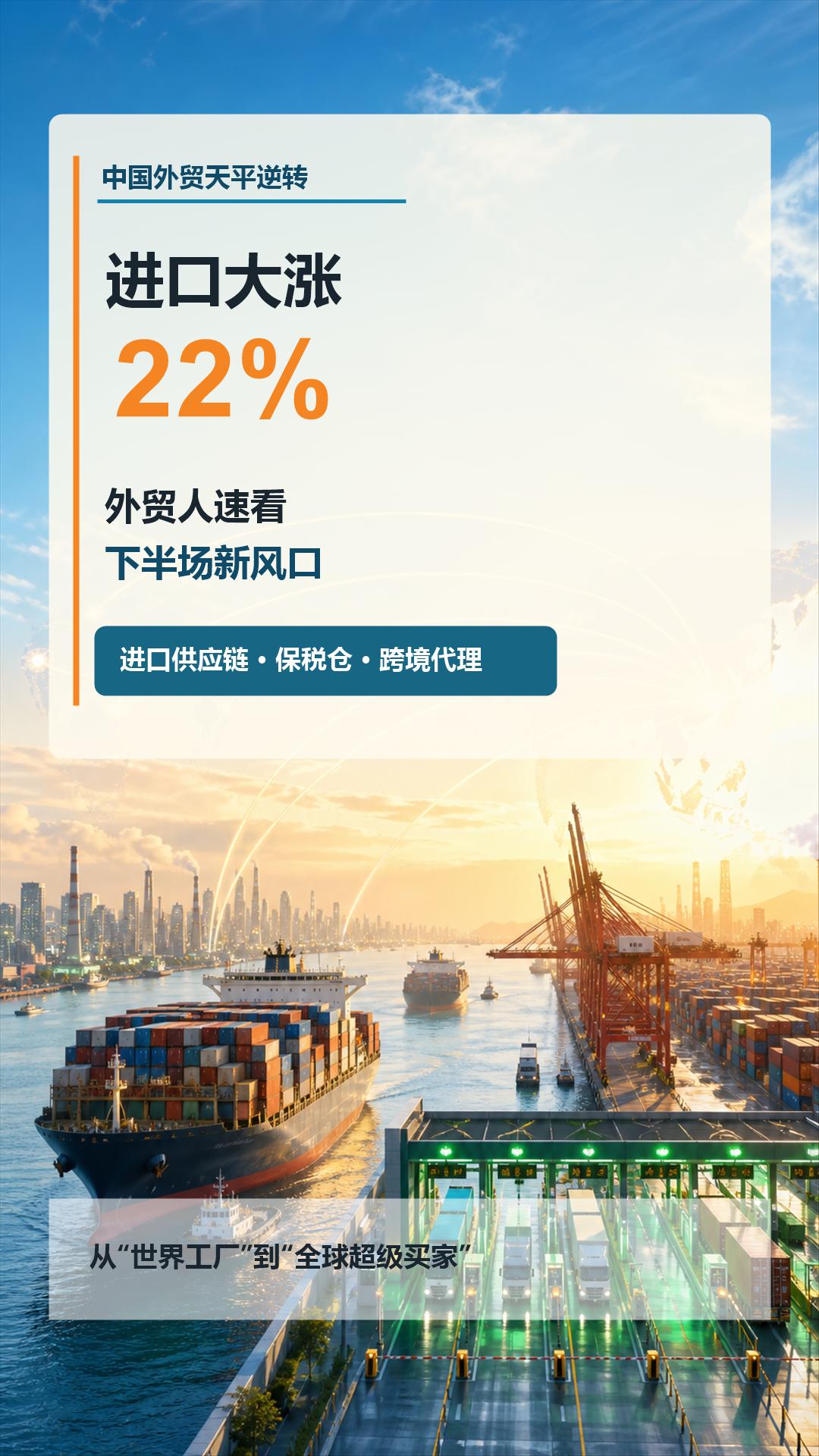
 China's foreign trade sees a turnaround: imports surge by 22%! Foreign trade professionals should quickly take note of the new trends in the second half of the year
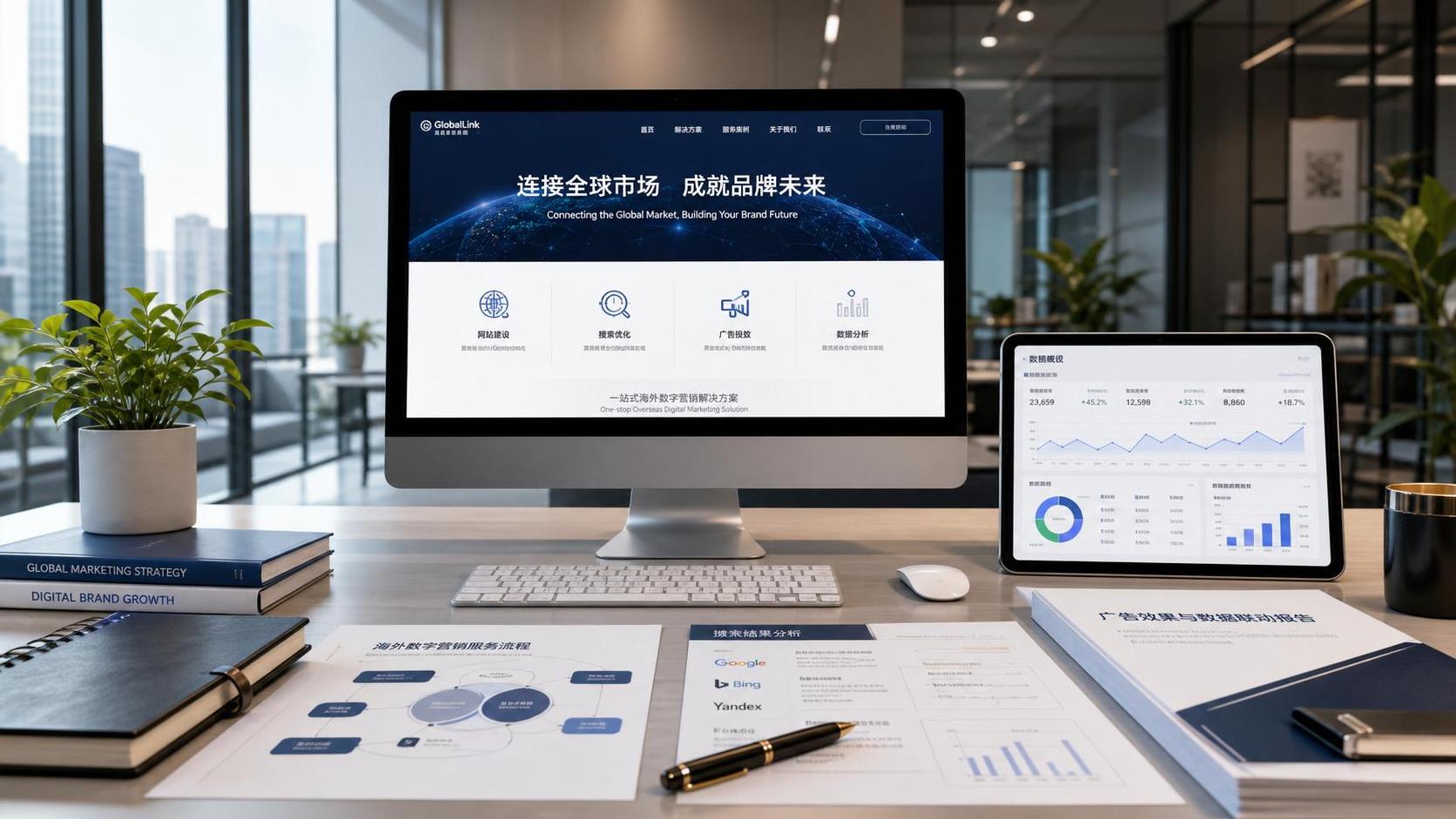
 What Does a Global Traffic Ecosystem Service Provider Do? What Are the Differences from a Single Advertising Agency
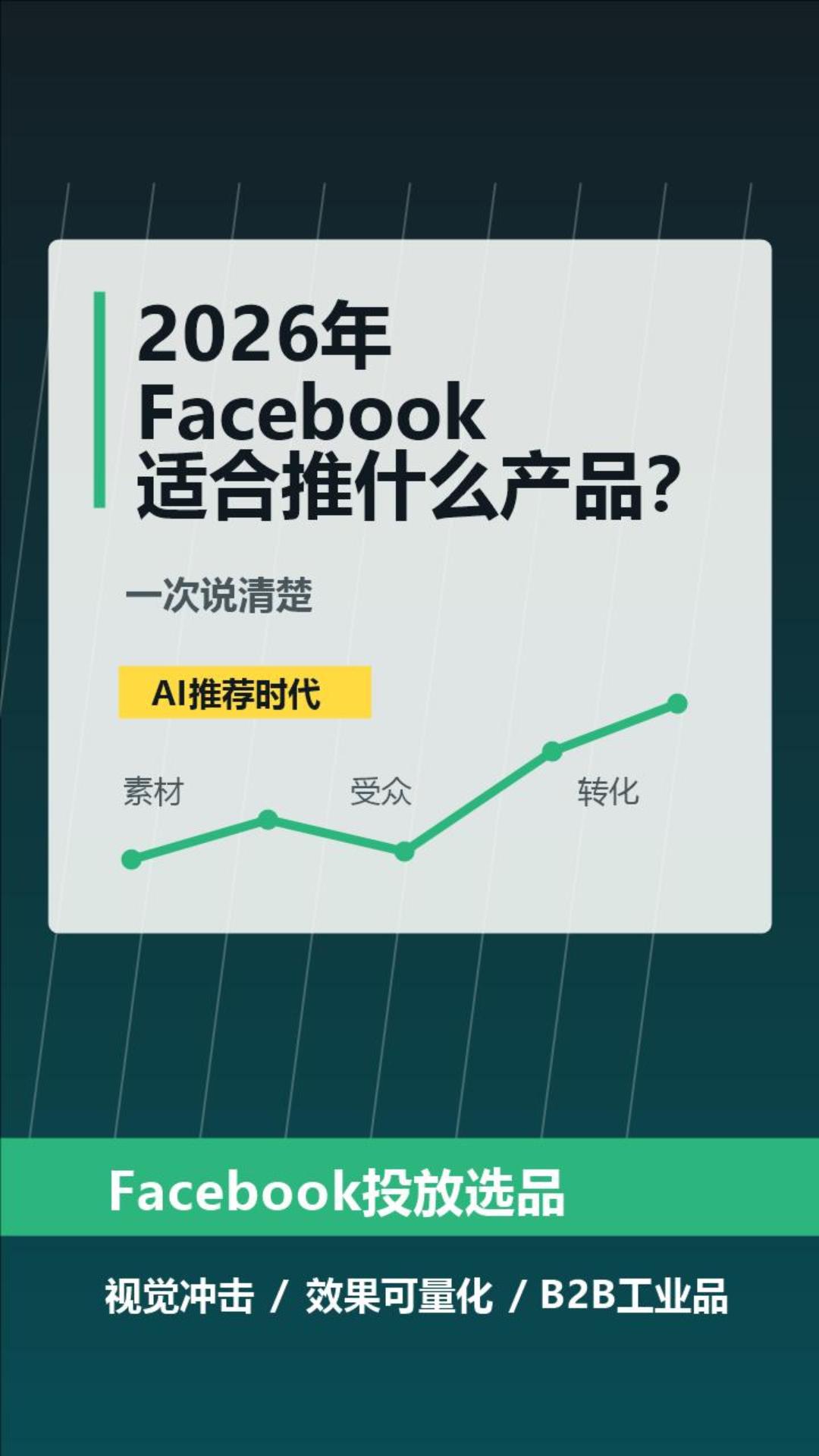
 What Products Are Suitable for Facebook in 2026? Explained Clearly at Once
Related Products
 EasyCamp SaaS Smart Website Marketing SystemE-Yingbao SaaS Smart Website Marketing System: AI-powered, zero-code website building. Rapidly launch multilingual independent e-commerce sites in just 10 minutes. Global server acceleration and AI-driven SEO optimization empower businesses to efficiently connect with global markets. The seamless integration of technology and user-friendly operation makes building e-commerce sites incredibly simple.
 AI+SEM Intelligent Advertising Marketing SystemAI+SEM drives intelligent ad creation, empowering full-funnel precision advertising marketing. The system automatically generates weekly/monthly reports, AI recommends keywords and target countries, monitors core metrics in real-time with intelligent alerts, and enables one-click high-conversion ad solutions to help quickly acquire customers and improve ROI.
 AI+SEO Dual Engine Optimization ServiceEasyWin AI+SEO Dual Engine Optimization System leverages AI-powered keyword mining, content generation, and comprehensive technical optimization to help foreign trade enterprises acquire high-quality organic traffic, significantly improving search rankings and conversion rates.
 AI+SNS Social Media Marketing SystemYingbao AI+SNS Social Media Marketing System - Precision social capture for the social media era. Supports one-click content synchronization across major platforms like Facebook and LinkedIn. AI intelligently rewrites posts for enhanced relevance. 24/7 AI customer service and user profiling analysis empower businesses to efficiently expand into global markets.
 AI+SEO营销解决方案易营宝AI+SEO营销解决方案,通过AI批量写作、智能生成TDK、精准关键词扩词等功能,全面优化网站SEO效果,提升流量与转化率。助力企业构建高效智能网站新生态。
 AI+SEM Advertising Marketing SolutionsAI+SEM Advertising Marketing Solution leverages AI technology to deeply empower SEM ad campaigns. It automatically generates weekly/monthly reports using AI, presenting account data across multiple dimensions for comprehensive insights into campaign performance and trends. The system precisely recommends keywords and target countries, intelligently generates high-conversion ad copy, and enables one-click activation of efficient campaign plans to help businesses rapidly acquire customers. Simultaneously, it monitors core metrics in real time, intelligently identifies abnormal fluctuations, and issues timely alerts to ensure stable, high-return advertising results.
 Domain Name ServicesEasyWin provides professional domain name services, including intelligent queries, one-stop registration, brand protection, and full lifecycle management, helping businesses build a digital brand image.
 EasyOperate B2C Cross-Border E-Commerce Platform & Independent WebsiteEasyStore B2C Cross-border E-commerce Independent Store is an intelligent website building and cross-border e-commerce integrated solution independently developed by EasyStore Information Technology (Beijing) Co., Ltd. The system is specially designed for small and medium-sized as well as large export enterprises, integrating 'website building, operation, marketing, advertising, and conversion' into one, helping enterprises quickly establish cross-border e-commerce independent stores to achieve brand globalization and global sales growth.
The platform supports multiple languages, multiple currencies, and multi-channel marketing, with built-in AI intelligent translation and SEO optimization systems, suitable for mainstream markets such as Southeast Asia, Europe and America, Latin America, and the Middle East, assisting Chinese manufacturing enterprises in efficiently deploying international e-commerce strategies. SSL证书易营宝提供专业SSL安全证书服务,包括单域名和泛域名证书,确保网站数据传输加密、身份验证和完整性保护,助力企业建立安全可信的在线业务环境。









