









- What Does a Global Traffic Ecosystem Service Provider Do? What Are the Differences from a Single Advertising AgencyJul 16, 2026View details
- What should you focus on in the latest enterprise SaaS report? From renewal rates and delivery costs to overseas growth opportunitiesJul 12, 2026View details
- What signals are worth paying attention to in a cross-border marketing trend report? B2B companies should look at these 6 signalsJul 11, 2026View details
- How to Read a Cross-Border Marketing Trends Report? Five Key Dimensions for Evaluating Channel OpportunitiesJul 11, 2026View details
- Which channel has the highest ROI in the global traffic ecosystem? Comparative analysis of search, social media, and advertisingJul 10, 2026View details
- What multilingual website services are available in Sanya? Which model is more suitable for local businesses going global?Jul 08, 2026View details
- How to view the complete list of China SaaS companies in the top 100? Practical methods for screening website-building and marketing service providersJul 08, 2026View details
- How to view pricing in the global traffic ecosystem? Cost comparison of search, social media, and content channel advertisingJul 06, 2026View details
How to Choose a Website Design Style That Stays Appealing
How should you choose a website design style that stays appealing over time? The answer is usually not “choose what is most popular right now,” but choose a style that can serve brand expression, user experience, and conversion goals over the long term. For businesses, truly timeless design usually has three characteristics: visuals are not overly cluttered, the information architecture is clear, and later SEO and content operations are easy to scale. Especially in an integrated website + marketing service scenario, a website is not only a storefront, but also the infrastructure for customer acquisition, conversion, and brand accumulation. This article will help you judge what kind of website design style is more suitable for long-term use from several perspectives, including search intent, business decision-making, execution, and later maintenance.
First, the conclusion: the core of a timeless website design is not the “style label,” but whether it is suitable for long-term operation
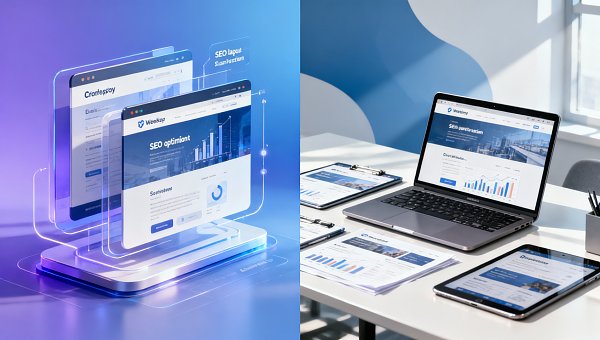
When many people search for “how to choose a website design style that stays appealing over time,” what they really want to solve is not an aesthetic issue, but several more practical questions: Will this style become outdated quickly? Will it affect customer trust? Can it support marketing conversions? Will future redesign and maintenance costs be high?
For information researchers, technical evaluators, and business decision-makers, to judge whether a website style is truly timeless, it is recommended to first look at these four points:
- Whether it matches the industry and brand positioning: high-end, professional, technology, manufacturing, and consumer industries are suited to different ways of expression.
- Whether it helps users quickly find information: compared with flashy pages, clear navigation, a defined hierarchy, and highlighted key information matter more.
- Whether it takes SEO into account: websites with clear structure and strong content-carrying capacity are often more suitable for gaining search traffic over the long term.
- Whether it is convenient to update and maintain: a “timeless” website must be able to continuously add content as the business grows, rather than aging the moment it goes live.
In other words, a truly timeless design style is essentially a design system that does not chase trends excessively, does not rely too much on visual gimmicks, and can support marketing goals over the long term.
A common misconception among businesses: mistaking “premium feel” for “timeless”
When building an official website, many companies easily fall into several typical misunderstandings:
- The homepage has many large images, but the core business is not explained clearly
- Pursuing dazzling motion effects, resulting in slow loading and a poor mobile experience
- Referencing competitor templates while ignoring the browsing habits of their own target audience
- The design looks trendy, but the page structure is chaotic and unfavorable for SEO indexing
At first glance, this kind of website may look “stunning,” but it is often neither enduring nor practical. On a user’s first visit, the visuals may seem good, but on the second and third visits, what truly determines the experience is whether they can quickly find products, cases, contact details, service explanations, and trust-building information.
This is especially true for after-sales maintenance staff and agents. A structurally chaotic website creates extra burdens, such as content being difficult to update, sections being hard to expand, product categories being difficult to manage, and inconsistent styles between campaign pages and formal pages. All of these issues directly weaken the long-term value of the website.
What kind of website design style is more suitable for long-term use? Start with these 5 criteria
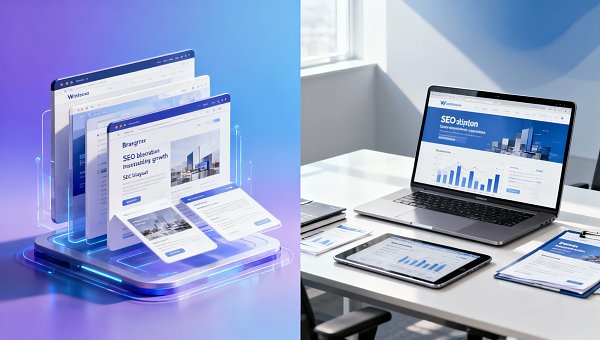
If you are evaluating website design templates or preparing to launch a marketing-oriented website, the following 5 criteria are more worth prioritizing:
1. The style is simple, but not monotonous
Timeless web design usually controls the number of colors, font hierarchy, and layout density. Simplicity is not simplification, but making the key points stand out more. If every module on a page wants to “grab attention,” there will ultimately be no visual focal point.
2. Brand recognition is clear, but elements are not forcibly piled on
Brand colors, graphic language, product image style, and headline tone should all be consistent. A website with true recognizability is not one that simply makes the Logo very large, but one that conveys a stable and consistent brand feeling overall.
3. The content structure should serve marketing
Website design style cannot be separated from conversion goals. For example, common effective structures for corporate websites include: core business introduction, industry solutions, case displays, customer reviews, FAQ, contact information, and call-to-action buttons. This content not only helps users make judgments, but also helps search engines understand the page topic.
4. Compatible with both PC and mobile browsing experiences
Today, most users browse on mobile first. If a design style looks good on a large screen, but on mobile the text is crowded, images are too heavy, and buttons are hard to tap, then this style does not have long-term value.
5. Convenient for later content expansion and SEO layout
A business website is not a one-time display page, but a continuously operated platform. Later, you may need to add news, case studies, product pages, landing pages, multilingual pages, and more. So from the very beginning, the website should consider navigation logic, URL structure, heading hierarchy, and content scalability.
How should different industries choose a style to make customers trust you more easily
Different industries have different understandings of what “timeless” means. When judging a website design style, you cannot look only at aesthetic trends; you also need to see whether target customers can easily build trust.
- Manufacturing / equipment industry: more suitable for a professional, clear, information-oriented style. The focus should be on product parameters, application scenarios, case studies, and service capabilities, rather than excessive visual decoration.
- Technology and digital services industry: a modern, data-driven design can be used appropriately, but the information structure must still remain clear to avoid being “too tech-looking but empty in content.”
- Consumer brands: can place more emphasis on visual tone and emotional expression, but product information, purchase paths, and user reviews must be clear.
- B2B foreign trade websites: it is recommended to use an international, simple, and trustworthy style, highlighting certifications, factory strength, delivery capability, and multilingual support.
For example, in equipment and industrial scenarios, what companies need more is to “help customers quickly understand what problems you can solve.” If the website also needs to balance professional website building, marketing solutions, and product display efficiency, then an approach closer to industry application scenarios, such as laser engraving machine industry solutions, is often more practical than simply applying a generic template, because it places more emphasis on category navigation, display logic, and business conversion flow.
From the perspective of marketing and SEO, what style is more likely to bring long-term growth
For business decision-makers, “timeless” cannot stay only at the visual level; it must also be judged by whether it can bring long-term growth. A good website style should meet the following marketing and SEO requirements at the same time:
- A clear homepage theme: visitors should know what you do within 3 seconds after entering.
- Clear landing page logic: different business, product, and industry pages should each have a clear focus, making them easier for search engines to crawl and for users to convert.
- Content can be produced continuously: case studies, news, solutions, and knowledge articles can all be naturally integrated into the design system.
- Stable page performance: images, animations, and scripts should not be too heavy, ensuring loading speed.
- Natural CTA design: action paths such as consultation, quotation, trial, phone calls, and forms should be clear.
This is also why, when many businesses choose website design templates, they cannot look only at homepage mockups, but must also check whether category pages, content pages, product pages, and mobile pages are equally stable. Truly excellent website SEO solutions are often built on a design foundation that is “readable, crawlable, and scalable.”
Practical advice: if you are building a website, you can make a more reliable choice this way
If you are in the stage of redesigning or newly building a website, you can judge in the following order:
- Define the goal first: is the official website for brand display, lead generation, channel recruitment, or product sales?
- Then define the audience: do customers care more about case studies, price, technical parameters, or delivery capability?
- Then choose the structure: plan the sections first, then discuss the visual style, and avoid “design first, fill in content later.”
- Prioritize durable templates: the ability to support content growth and facilitate later updates is more important than short-term visual wow factor.
- Consider SEO at the same time: heading structure, page hierarchy, keyword layout, and internal linking logic should be planned together with the design.
If your industry has many product categories and complex application scenarios, it is recommended to prioritize a website solution with intelligent category navigation, content management, and AI editing capabilities. This can not only improve product display effectiveness, but also reduce maintenance costs and help after-sales and operations teams update content more efficiently. In some niche industry projects, solutions such as laser engraving machine industry solutions, which balance professional website building and marketing implementation, are more suitable for companies hoping to balance display, search efficiency, and global growth.
Summary: when choosing a website design style, it ultimately comes back to “whether it supports long-term operation”
How should you choose a website design style that stays appealing over time? The most reliable way to judge is not whether it is popular today, but whether it can continuously support your brand communication, user experience, search traffic, and business conversion over the next 3 to 5 years.
For businesses, timeless websites usually share these common features: restrained visuals, clear information, unified branding, mobile friendliness, a solid SEO foundation, and convenient maintenance and expansion. Rather than pursuing short-term visual surprise, it is better to choose a more stable, clearer design approach that can better support marketing goals. A website like this is the business asset truly worth long-term investment.
Related Articles
 Attention! Builders' must-see: Yibingbao AI components updated, design efficiency directly doubled!
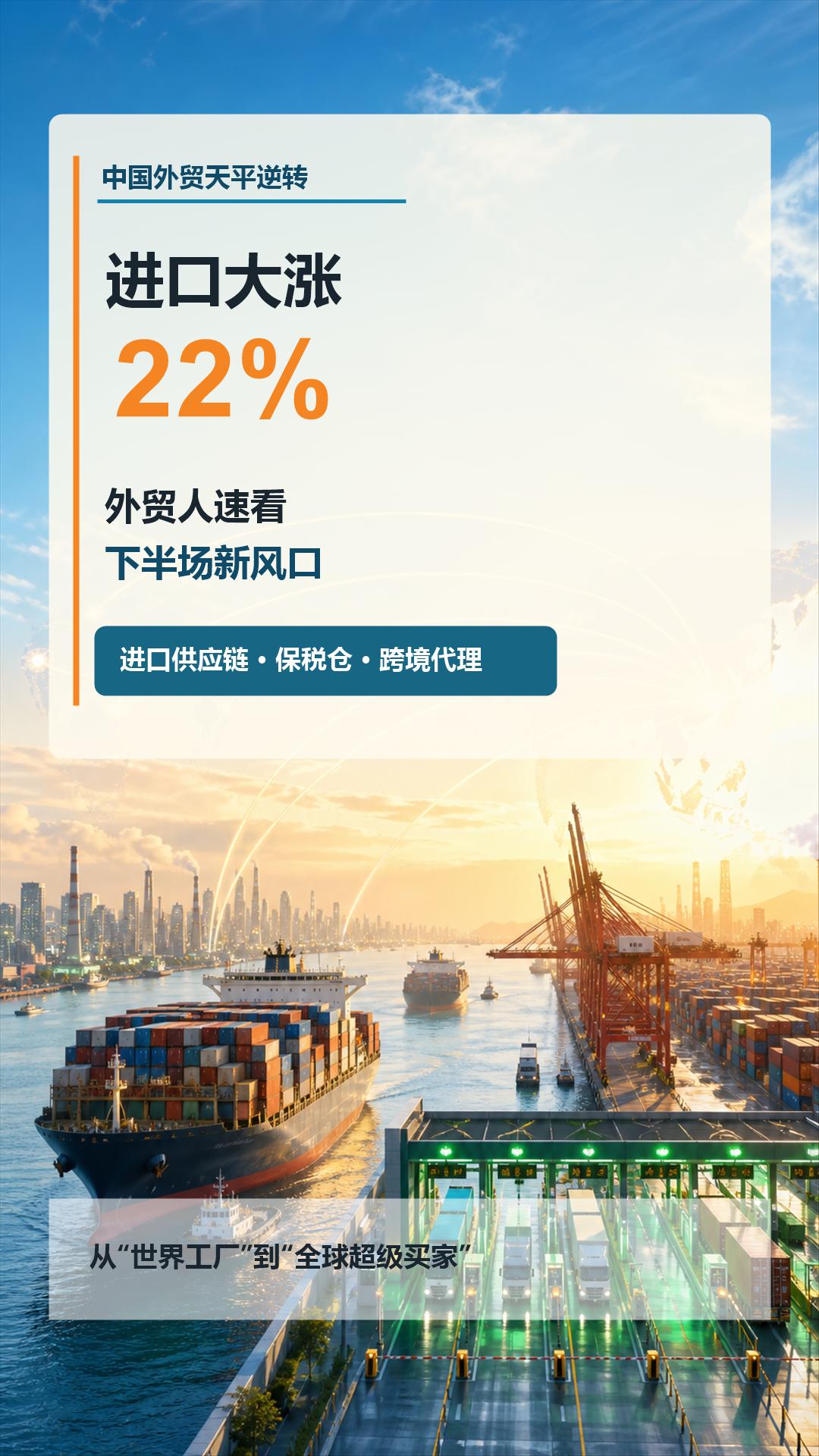
 China's foreign trade sees a turnaround: imports surge by 22%! Foreign trade professionals should quickly take note of the new trends in the second half of the year
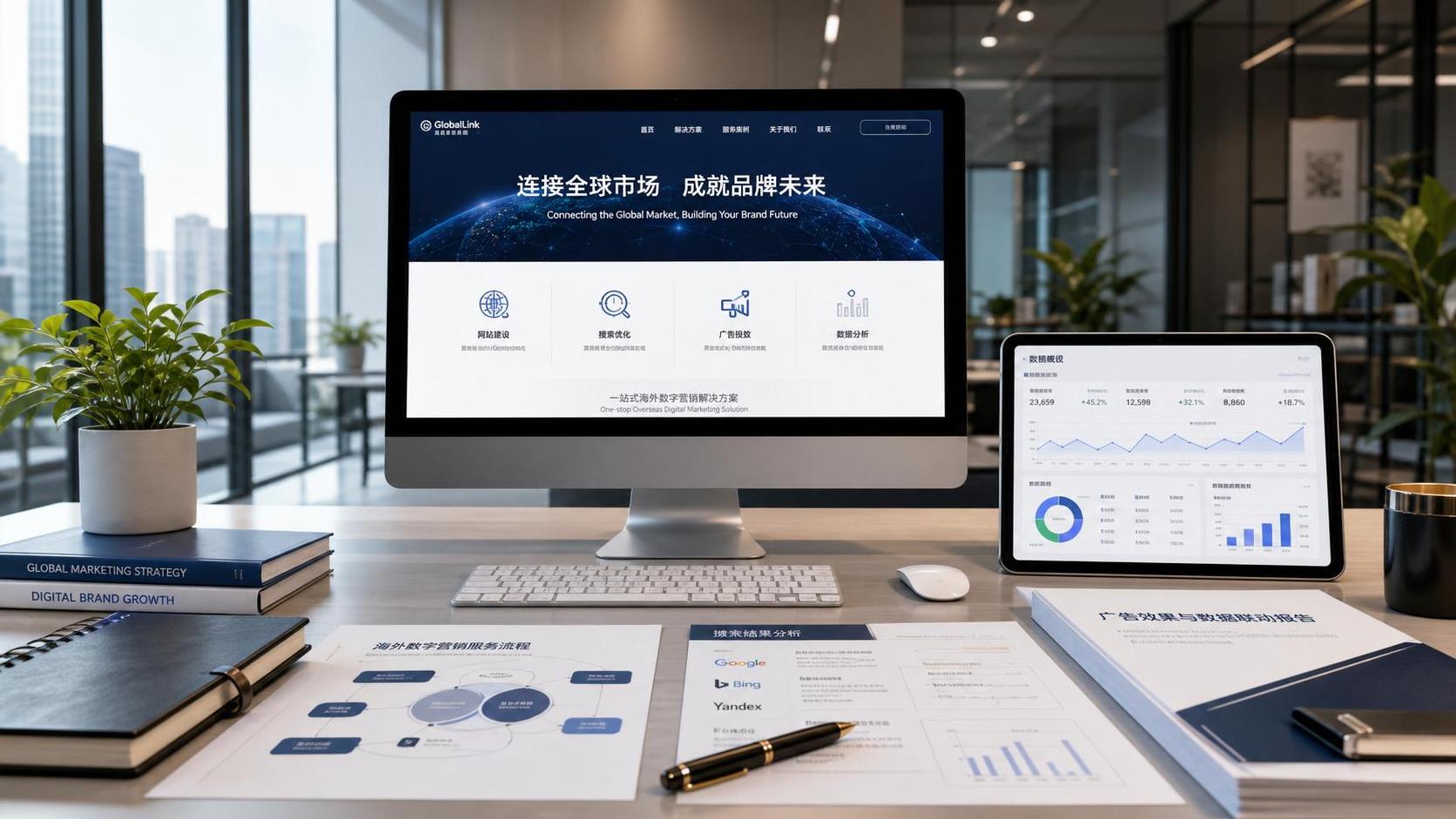
 What Does a Global Traffic Ecosystem Service Provider Do? What Are the Differences from a Single Advertising Agency

Related Products
 EasyCamp SaaS Smart Website Marketing SystemE-Yingbao SaaS Smart Website Marketing System: AI-powered, zero-code website building. Rapidly launch multilingual independent e-commerce sites in just 10 minutes. Global server acceleration and AI-driven SEO optimization empower businesses to efficiently connect with global markets. The seamless integration of technology and user-friendly operation makes building e-commerce sites incredibly simple.
 AI+SEM Intelligent Advertising Marketing SystemAI+SEM drives intelligent ad creation, empowering full-funnel precision advertising marketing. The system automatically generates weekly/monthly reports, AI recommends keywords and target countries, monitors core metrics in real-time with intelligent alerts, and enables one-click high-conversion ad solutions to help quickly acquire customers and improve ROI.
 AI+SEO Dual Engine Optimization ServiceEasyWin AI+SEO Dual Engine Optimization System leverages AI-powered keyword mining, content generation, and comprehensive technical optimization to help foreign trade enterprises acquire high-quality organic traffic, significantly improving search rankings and conversion rates.
 AI+SNS Social Media Marketing SystemYingbao AI+SNS Social Media Marketing System - Precision social capture for the social media era. Supports one-click content synchronization across major platforms like Facebook and LinkedIn. AI intelligently rewrites posts for enhanced relevance. 24/7 AI customer service and user profiling analysis empower businesses to efficiently expand into global markets.
 AI+SEO营销解决方案易营宝AI+SEO营销解决方案,通过AI批量写作、智能生成TDK、精准关键词扩词等功能,全面优化网站SEO效果,提升流量与转化率。助力企业构建高效智能网站新生态。
 AI+SEM Advertising Marketing SolutionsAI+SEM Advertising Marketing Solution leverages AI technology to deeply empower SEM ad campaigns. It automatically generates weekly/monthly reports using AI, presenting account data across multiple dimensions for comprehensive insights into campaign performance and trends. The system precisely recommends keywords and target countries, intelligently generates high-conversion ad copy, and enables one-click activation of efficient campaign plans to help businesses rapidly acquire customers. Simultaneously, it monitors core metrics in real time, intelligently identifies abnormal fluctuations, and issues timely alerts to ensure stable, high-return advertising results.
 Domain Name ServicesEasyWin provides professional domain name services, including intelligent queries, one-stop registration, brand protection, and full lifecycle management, helping businesses build a digital brand image.
 EasyOperate B2C Cross-Border E-Commerce Platform & Independent WebsiteEasyStore B2C Cross-border E-commerce Independent Store is an intelligent website building and cross-border e-commerce integrated solution independently developed by EasyStore Information Technology (Beijing) Co., Ltd. The system is specially designed for small and medium-sized as well as large export enterprises, integrating 'website building, operation, marketing, advertising, and conversion' into one, helping enterprises quickly establish cross-border e-commerce independent stores to achieve brand globalization and global sales growth.
The platform supports multiple languages, multiple currencies, and multi-channel marketing, with built-in AI intelligent translation and SEO optimization systems, suitable for mainstream markets such as Southeast Asia, Europe and America, Latin America, and the Middle East, assisting Chinese manufacturing enterprises in efficiently deploying international e-commerce strategies. SSL证书易营宝提供专业SSL安全证书服务,包括单域名和泛域名证书,确保网站数据传输加密、身份验证和完整性保护,助力企业建立安全可信的在线业务环境。









