









- What multilingual website services are available in Sanya? Which model is more suitable for local businesses going global?Jul 08, 2026View details
- How to view the complete list of China SaaS companies in the top 100? Practical methods for screening website-building and marketing service providersJul 08, 2026View details
- How to view pricing in the global traffic ecosystem? Cost comparison of search, social media, and content channel advertisingJul 06, 2026View details
- How to assess foreign trade website development trends?Looking at 2026 changes from multilingual,AI content to conversion pathsJul 04, 2026View details
- What are the new trends in multilingual marketing data analytics tools in 2026? Focus on attribution、automation and complianceJul 04, 2026View details
- Is Brand Globalization Marketing Consulting Worth Buying? At What Stage Should Companies Bring It InJul 01, 2026View details
- Cross-Border Marketing Trend Research: Why More and More Companies Are Starting to Deploy AI Search and GEO OptimizationJun 30, 2026View details
- Cross-Border Marketing Trend Research: How Independent Sites, AI Content, and Short-Video Customer Acquisition Are ChangingJun 30, 2026View details
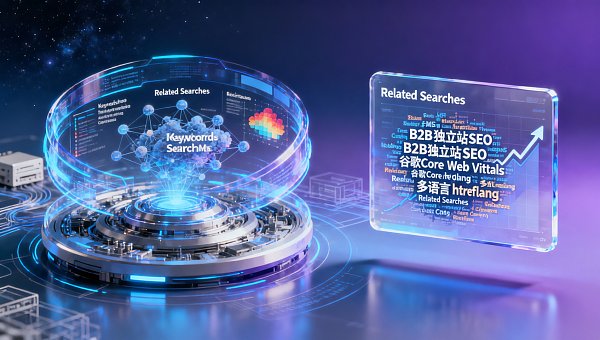
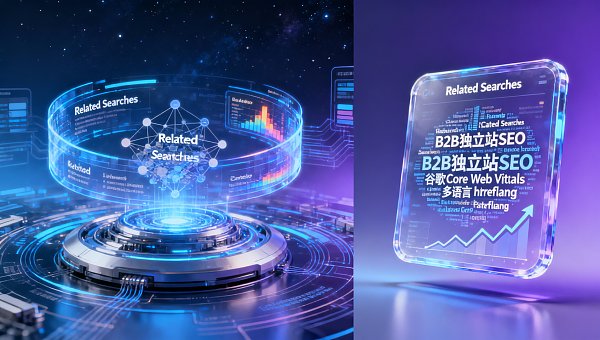
After improving Google SEO rankings, why did the 'Related Searches' recommended terms decrease instead? A signal of insufficient content vertical depth
After improving Google SEO rankings, the 'Related Searches' recommendations have decreased? This could be a warning sign of insufficient content verticality. As an SEO optimization company specializing in integrated website and marketing services, EasyWin reminds: Solely pursuing search engine ranking improvements while neglecting SEO content optimization and in-depth keyword research will weaken topic authority—truly effective website SEO solutions must balance algorithmic logic with user intent.
Why does a decrease in 'Related Searches' indicate SEO strategy issues?
Google's 'Related Searches' are not randomly generated but modeled based on real user behavior: when a page consistently attracts high-intent, low-bounce, deep-visit traffic under a specific topic, the system strengthens semantic associations for that topic, thereby expanding more long-tail, scenario-based, and intent-specific derivative terms at the bottom of search results.
Conversely, if page rankings rise but related search terms decline, it often indicates content that covers main keywords but lacks semantic depth—for example, stacking generic terms like 'SEO optimization' or 'Google ranking' without building detailed scenario-based content around themes like 'B2B corporate website SEO diagnostic workflows' or 'cross-border e-commerce independent site localization keyword strategies.' Data shows pages with qualified vertical content average 12-18 Related Searches, while generic content pages typically retain only 3-5 high-frequency generic terms.
This isn't algorithmic punishment but Google's implicit feedback on 'topic authority.' Among EasyWin's 10,000+ clients, about 37% of enterprises experience this phenomenon after initial SEO optimization. Through deep content restructuring (averaging 4-6 weeks), Related Searches quantities rebound above industry baselines, with natural traffic conversion rates increasing by 22% simultaneously.
Three typical manifestations of insufficient content verticality
- A single page covers 5+ unrelated subtopics (e.g., simultaneously discussing website building, SEO, social media ads, email marketing, and data analysis), causing semantic dilution;
- Keyword density meets standards but TF-IDF weight is unbalanced: high repetition of main terms, while long-tail terms, entity terms (brands/regions/industries), and intent verbs ('how to configure,' 'comparative testing,' 'pitfall avoidance guides') cover less than 15%;
- Content updates stagnate for over 90 days, failing to meet Google MUM's requirements for 'timely semantic closed loops' (e.g., not supplementing interpretations of 2024 Core Web Vitals new thresholds).
Vertical content construction paths from an integrated website+marketing service perspective
True SEO isn't keyword搬运 (keyword搬运 means mechanically moving keywords without strategy), but user-journey-centric content architecture. EasyWin proposes a 'three-dimensional vertical model': theme dimension (focusing on 1 core business scenario), user dimension (differentiating information needs among decision-makers/operators/end consumers), and technical dimension (adapting to smart CMS structured markup, Schema.org rich media protocols, and mobile interaction logic).
Taking 'foreign trade enterprise Google SEO' as an example, vertical implementation requires: ① Deconstructing search paths for 3 roles (procurement directors search 'B2B independent site SEO case studies,' operations staff search 'Google Search Console 404 error handling steps,' end clients search 'XX brand official website won't open'); ② Building a content matrix with 17 semantic nodes (including FAQ Schema embedding, video summary structuring, multilingual hreflang deployment); ③ Quarterly A/B testing iterations to validate content's impact on Related Searches traction.
This model has been validated among EasyWin's manufacturing clients: after 6 months, single-topic pages averaged 41% growth in Related Searches, target keyword first-page ownership rose from 53% to 89%, and customer acquisition costs dropped by 28%.
Vertical content construction key node comparison table
Below are 6 delivery nodes for content verticality optimization in EasyWin's standard service package, covering the complete cycle from diagnosis to long-term operations:
This workflow has been standardized as a core module in EasyWin's 'full-funnel digital growth engine,' supporting real-time data integration with smart website building, social media marketing, and ad systems to ensure content strategies and channel execution resonate synergistically.
Procurement decision: How to evaluate a vendor's vertical content capabilities?
When assessing integrated website+marketing service providers, enterprise decision-makers should look beyond surface KPIs and focus on 3 verifiable competencies: ① Provision of semantic图谱 (semantic图谱 means semantic graph) analysis reports (not simple keyword lists); ② Content production anchored to user role journey maps (not just keyword heat sorting); ③ Smart CMS-level structured data deployment capabilities (not just static HTML optimization).
EasyWin employs a 'dual-track verification mechanism': technically, monitoring Related Searches fluctuations via Google Search Console API; operationally, delivering quarterly 'Topic Authority Health Reports' containing 6 quantified metrics like semantic coverage breadth (≥85% industry long-tail terms), content update frequency (≥1/month), and cross-channel synergy indices (website/SEO/social content reuse rates).
Notably, in the angel investment perspective study on early-stage micro-tech enterprise financing strategies, EasyWin首次 (首次 means 'for the first time') applied the vertical content model at corporate strategic communication levels, helping clients establish 'hard-tech + commercialization' dual semantic tags within 3 months, with professional long-tail terms like 'tech financing' and 'VC due diligence focus' increasing by 61% in related searches.
Why choose EasyWin? Deterministic delivery for real growth
We don't make 'ranking guarantees,' but provide traceable growth paths: all SEO solutions are based on an AI-driven semantic analysis platform (processing 12M+ webpage semantic nodes daily), combined with localized service teams (resident SEO engineers + industry consultants in Beijing/Shenzhen/Hangzhou), ensuring strategies align with Google's latest algorithm evolutions (like 2024 Search Generative Experience adaptations) while matching Chinese enterprises' actual organizational structures and decision workflows.
Contact EasyWin now to get: ① Free semantic图谱 diagnosis (including Related Searches decline analysis); ② Industry-specific vertical content construction blueprints (with smart CMS transformation advice); ③ First-month performance assurance (full refund if Related Searches don't increase by 30%).
Schedule an expert consultation immediately to receive your exclusive 'Website Content Verticality Health Assessment Report.'
Related Articles
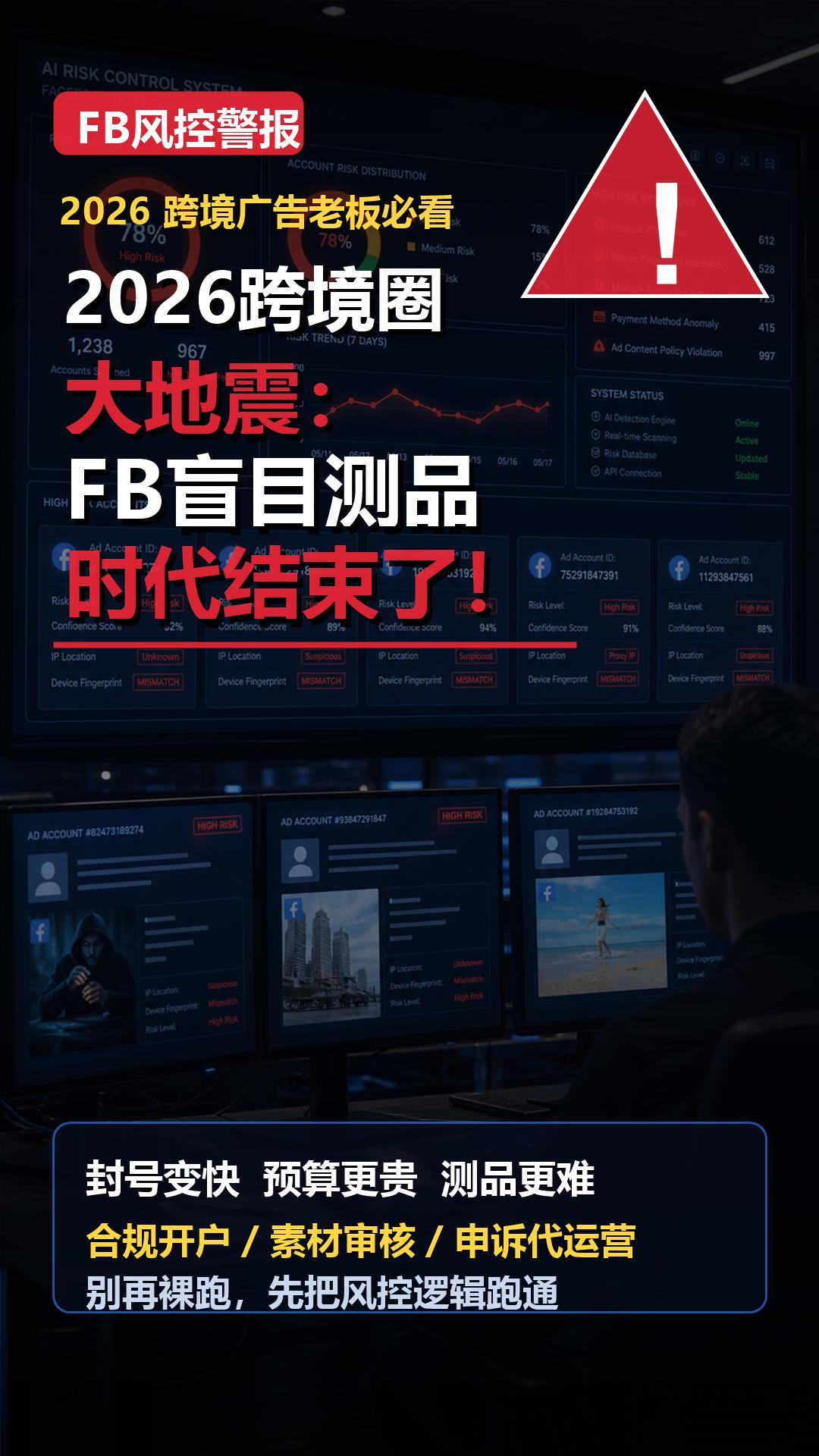
 The Era of Cross-Border Earthquakes in 2026: The Era of Blindly Testing FB Products Has Ended!
 Three key points of domestic-to-foreign trade most important, see if you really did your homework! Don’t take shortcuts.
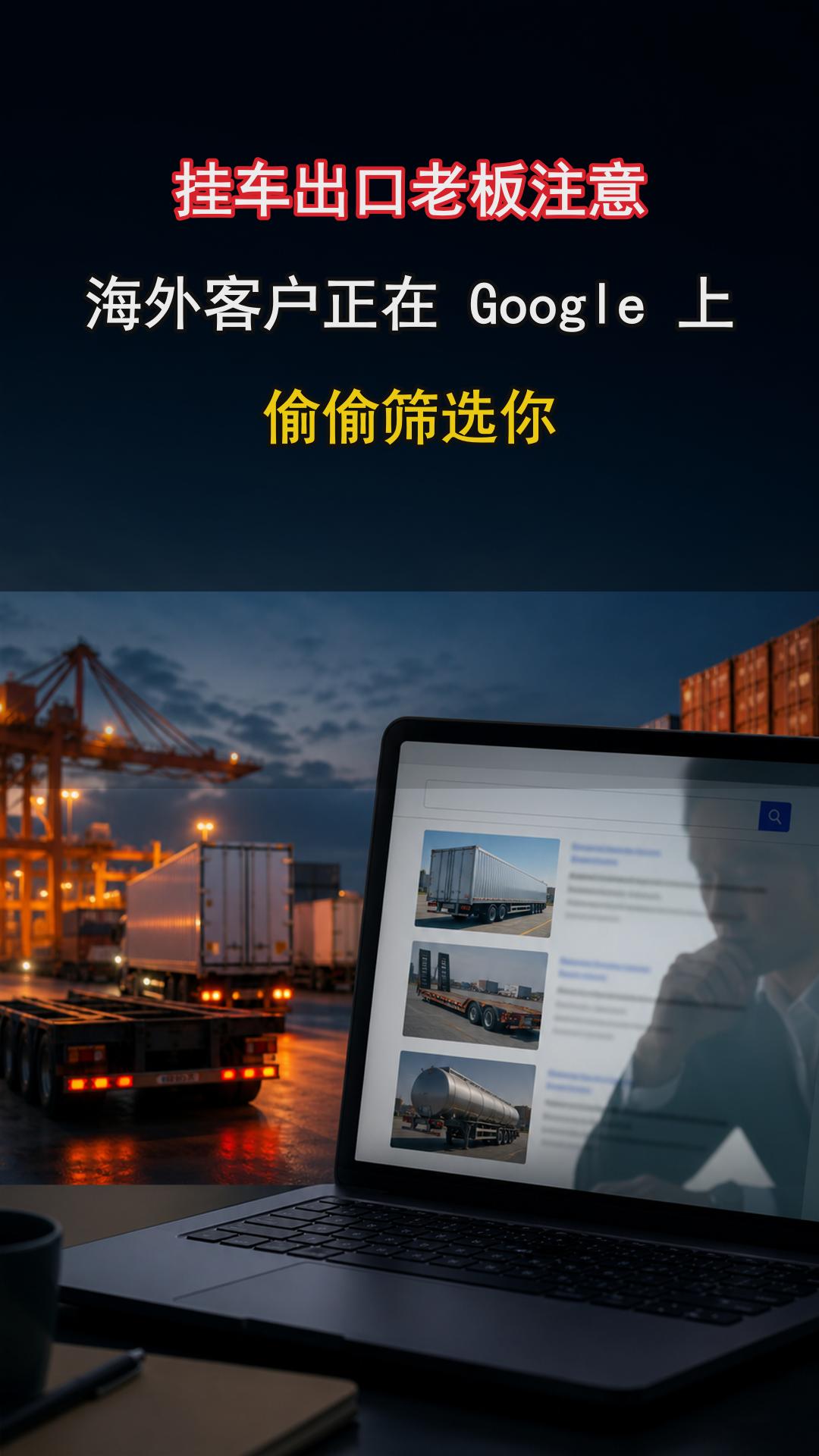
 Note for dealers exporting cars: overseas customers are “quietly screening” you on Google

Related Products
 EasyCamp SaaS Smart Website Marketing SystemE-Yingbao SaaS Smart Website Marketing System: AI-powered, zero-code website building. Rapidly launch multilingual independent e-commerce sites in just 10 minutes. Global server acceleration and AI-driven SEO optimization empower businesses to efficiently connect with global markets. The seamless integration of technology and user-friendly operation makes building e-commerce sites incredibly simple.
 AI+SEM Intelligent Advertising Marketing SystemAI+SEM drives intelligent ad creation, empowering full-funnel precision advertising marketing. The system automatically generates weekly/monthly reports, AI recommends keywords and target countries, monitors core metrics in real-time with intelligent alerts, and enables one-click high-conversion ad solutions to help quickly acquire customers and improve ROI.
 AI+SEO Dual Engine Optimization ServiceEasyWin AI+SEO Dual Engine Optimization System leverages AI-powered keyword mining, content generation, and comprehensive technical optimization to help foreign trade enterprises acquire high-quality organic traffic, significantly improving search rankings and conversion rates.
 AI+SNS Social Media Marketing SystemYingbao AI+SNS Social Media Marketing System - Precision social capture for the social media era. Supports one-click content synchronization across major platforms like Facebook and LinkedIn. AI intelligently rewrites posts for enhanced relevance. 24/7 AI customer service and user profiling analysis empower businesses to efficiently expand into global markets.
 AI+SEO营销解决方案易营宝AI+SEO营销解决方案,通过AI批量写作、智能生成TDK、精准关键词扩词等功能,全面优化网站SEO效果,提升流量与转化率。助力企业构建高效智能网站新生态。
 AI+SEM Advertising Marketing SolutionsAI+SEM Advertising Marketing Solution leverages AI technology to deeply empower SEM ad campaigns. It automatically generates weekly/monthly reports using AI, presenting account data across multiple dimensions for comprehensive insights into campaign performance and trends. The system precisely recommends keywords and target countries, intelligently generates high-conversion ad copy, and enables one-click activation of efficient campaign plans to help businesses rapidly acquire customers. Simultaneously, it monitors core metrics in real time, intelligently identifies abnormal fluctuations, and issues timely alerts to ensure stable, high-return advertising results.
 Domain Name ServicesEasyWin provides professional domain name services, including intelligent queries, one-stop registration, brand protection, and full lifecycle management, helping businesses build a digital brand image.
 EasyOperate B2C Cross-Border E-Commerce Platform & Independent WebsiteEasyStore B2C Cross-border E-commerce Independent Store is an intelligent website building and cross-border e-commerce integrated solution independently developed by EasyStore Information Technology (Beijing) Co., Ltd. The system is specially designed for small and medium-sized as well as large export enterprises, integrating 'website building, operation, marketing, advertising, and conversion' into one, helping enterprises quickly establish cross-border e-commerce independent stores to achieve brand globalization and global sales growth.
The platform supports multiple languages, multiple currencies, and multi-channel marketing, with built-in AI intelligent translation and SEO optimization systems, suitable for mainstream markets such as Southeast Asia, Europe and America, Latin America, and the Middle East, assisting Chinese manufacturing enterprises in efficiently deploying international e-commerce strategies. SSL证书易营宝提供专业SSL安全证书服务,包括单域名和泛域名证书,确保网站数据传输加密、身份验证和完整性保护,助力企业建立安全可信的在线业务环境。









