









- What Does a Global Traffic Ecosystem Service Provider Do? What Are the Differences from a Single Advertising AgencyJul 16, 2026View details
- What should you focus on in the latest enterprise SaaS report? From renewal rates and delivery costs to overseas growth opportunitiesJul 12, 2026View details
- What signals are worth paying attention to in a cross-border marketing trend report? B2B companies should look at these 6 signalsJul 11, 2026View details
- How to Read a Cross-Border Marketing Trends Report? Five Key Dimensions for Evaluating Channel OpportunitiesJul 11, 2026View details
- Which channel has the highest ROI in the global traffic ecosystem? Comparative analysis of search, social media, and advertisingJul 10, 2026View details
- What multilingual website services are available in Sanya? Which model is more suitable for local businesses going global?Jul 08, 2026View details
Does bounce rate drop 12% after building a Google AMP site? Review of 3 real cases
Can Google AMP website building really reduce bounce rates? Tests conducted by Yiyingbao for 3 overseas-expanding enterprises show that page bounce rates decreased by an average of 12%. This article takes an in-depth look at the real-world implementation practices of foreign trade factories, cross-border brands, and B2B service providers, revealing how AMP accelerates loading, improves SEO indexing, and increases user dwell time—allowing technology to truly drive conversions.
Why is AMP website building especially critical for overseas-expanding enterprises?
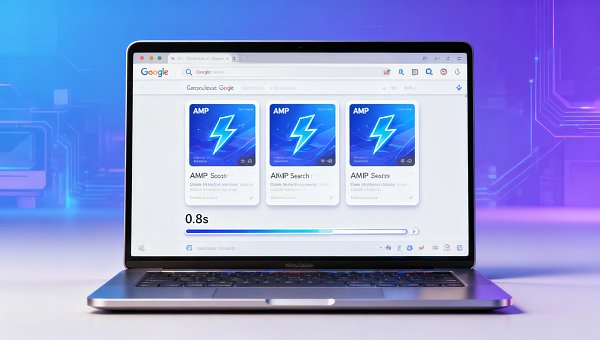
In Google search results pages, AMP pages are by default given a “lightning” icon and prioritized for display in the top carousel area (Top Stories) and the first screen of mobile search results. For foreign trade enterprises targeting markets such as North America and Europe, where users are highly sensitive to network speed, every 1 second delay in first-screen loading time increases bounce rates by 32% and decreases inquiry conversion rates by 21% (Google internal data). Through three major mechanisms—streamlined HTML structure, resource preloading, and mandatory CDN caching—AMP keeps mobile first-screen rendering within 0.8 seconds, which is exactly the key window for B2B procurement decision-makers to quickly verify supplier qualifications.
3 real cases: the execution logic behind a 12% reduction in bounce rate
Yiyingbao implemented AMP website upgrade solutions for three types of typical clients, all seamlessly integrated based on its self-developed cloud intelligent website building system, with no need to reconstruct code, and an average delivery cycle of only 5.2 working days:
- Zhejiang auto parts factory (B2B inquiry-based): the original mobile-site bounce rate was 68.3%, and after AMP implementation it dropped to 55.1%; Google organic traffic increased by 27%, and the GEO generative engine identified 19 new long-tail keywords ranked in the top 3 for its official website in Germany and Poland;
- Shenzhen outdoor brand (B2C independent site): homepage loading time was compressed from 3.4 seconds to 0.7 seconds, average user dwell time increased from 58 seconds to 112 seconds, and with Facebook advertising promotion Re-Marketing tracking, the repeat-visit conversion rate increased by 4.8 times;
- Suzhou industrial equipment service provider (multilingual official website): AMP was synchronized across English/Spanish/Arabic versions, bounce rate in Russian-speaking regions decreased by 15.6%, Google Search Console data showed indexing speed increased by 41%, and new pages were indexed in an average of 3.2 days.
Core comparison metrics for AMP website building performance (average measured values from Yiyingbao clients)
The data in this table comes from a sample analysis of 47 live AMP websites served by Yiyingbao in Q3–Q4 2023, covering three major categories: manufacturing, consumer goods, and industrial products. All adopted a unified A/B testing scheme (non-AMP/AMP dual versions under the same domain running in parallel for 7 days), ensuring the results are attributable.
Which enterprises should prioritize launching Google AMP website building?
Not all websites are suitable for AMP. Based on Yiyingbao’s ten years of service experience, the following three scenarios have the highest suitability:
- B2B official websites that rely on Google organic traffic as the primary customer acquisition channel: especially suitable for pages with high information density but low interaction needs, such as product catalog pages, technical parameter pages, and certification pages;
- Non-primary language versions in multilingual independent websites: such as Spanish sites deployed for the Latin American market and Arabic sites for the Middle East. AMP can significantly reduce loading failure rates caused by the lack of local CDN support;
- Google ad landing pages (Landing Page): when combined with the AI advertising marketing system to automatically synchronize AMP templates, it ensures that core selling points are presented within 0.9 seconds after an ad click, avoiding the loss of high-intent users due to redirection delays.
Common misconception: AMP ≠ simply speeding up, and it is even less a cure-all
Many enterprises mistakenly equate AMP with “page slimming” while overlooking its synergy with the overall digital infrastructure. Yiyingbao has identified three major high-frequency misconceptions:
- Ignoring SEO foundational setup: if AMP pages lack structured data markup (Schema.org), have mismatched canonical tags, or missing hreflang, they may instead trigger Google duplicate content penalties;
- Fragmenting the user experience: some enterprises apply AMP only to the homepage, while product detail pages still use the traditional architecture, causing a sharp drop in loading speed after users click “View More”, so bounce rates rise instead of fall;
- Breaking away from the marketing loop: without integration with the AI+SEO/GEO optimization system, AMP pages may be fast, but they cannot automatically adapt to regional search intent (such as “German industrial bearing supplier” vs “Mexico bearing wholesale”).
Why choose Yiyingbao to advance Google AMP website building?
Yiyingbao provides full-process AMP website building services from diagnosis and deployment to long-term optimization, setting it apart from pure technical outsourcing teams:
We support you in confirming specific requirements: AMP adaptation scope (entire site/key pages), number of multilingual versions, whether integration with existing ERP/CRM systems is needed, target market GEO optimization priorities, as well as quotation for the supporting long-term Google SEO managed service plan.
Related Articles
 SEACOM Launches an Independent Website Compliance Certification Program
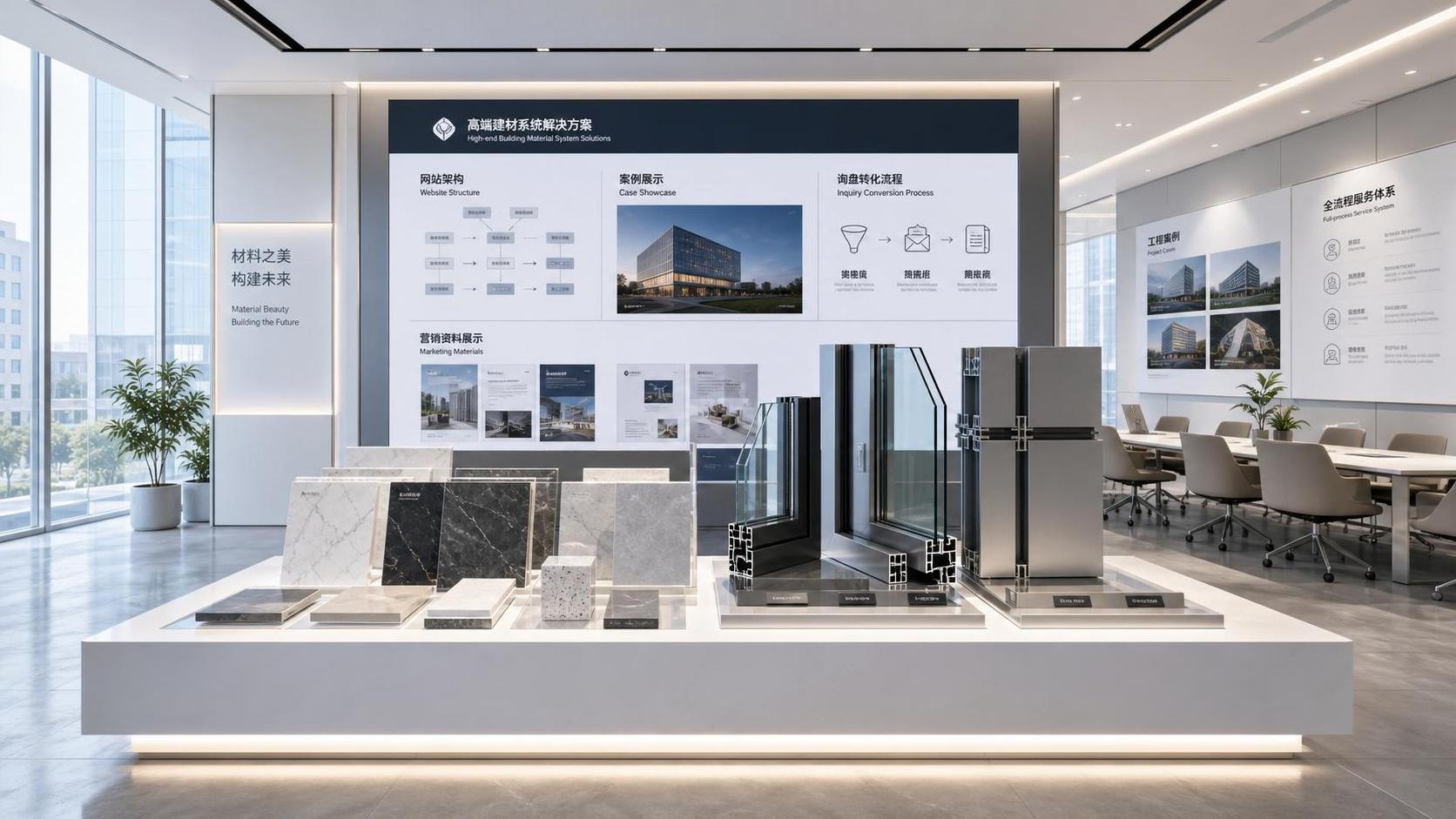
 Successful Case of a Building Materials Industry Foreign Trade Independent Website: How High-Value Leads Products Improve Inquiry Conversion Rate
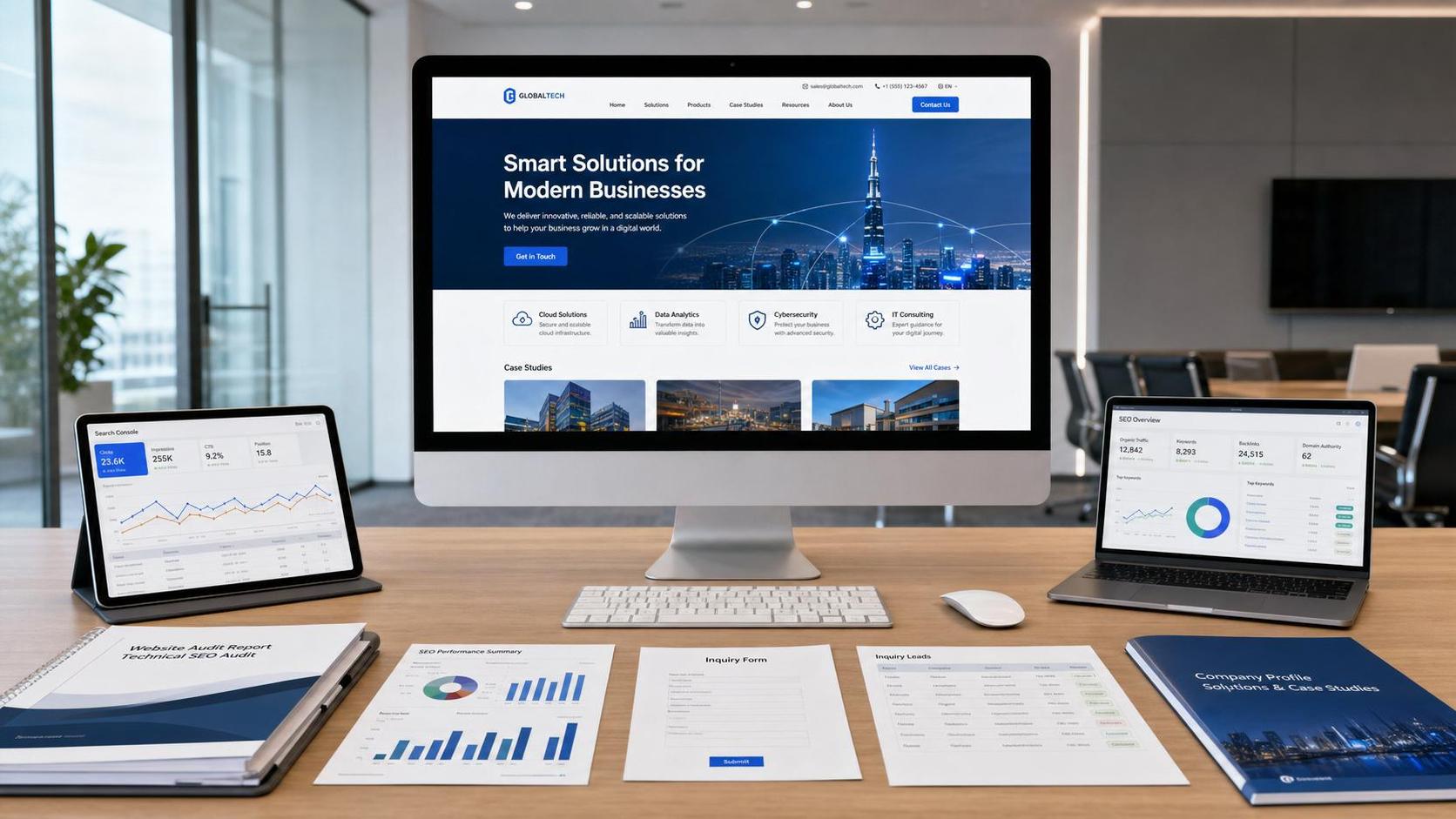
 What Should You Look for in Foreign Trade Website Development Case Studies? Assess a Service Provider’s Capabilities from Page Structure to Inquiry Results
Related Products
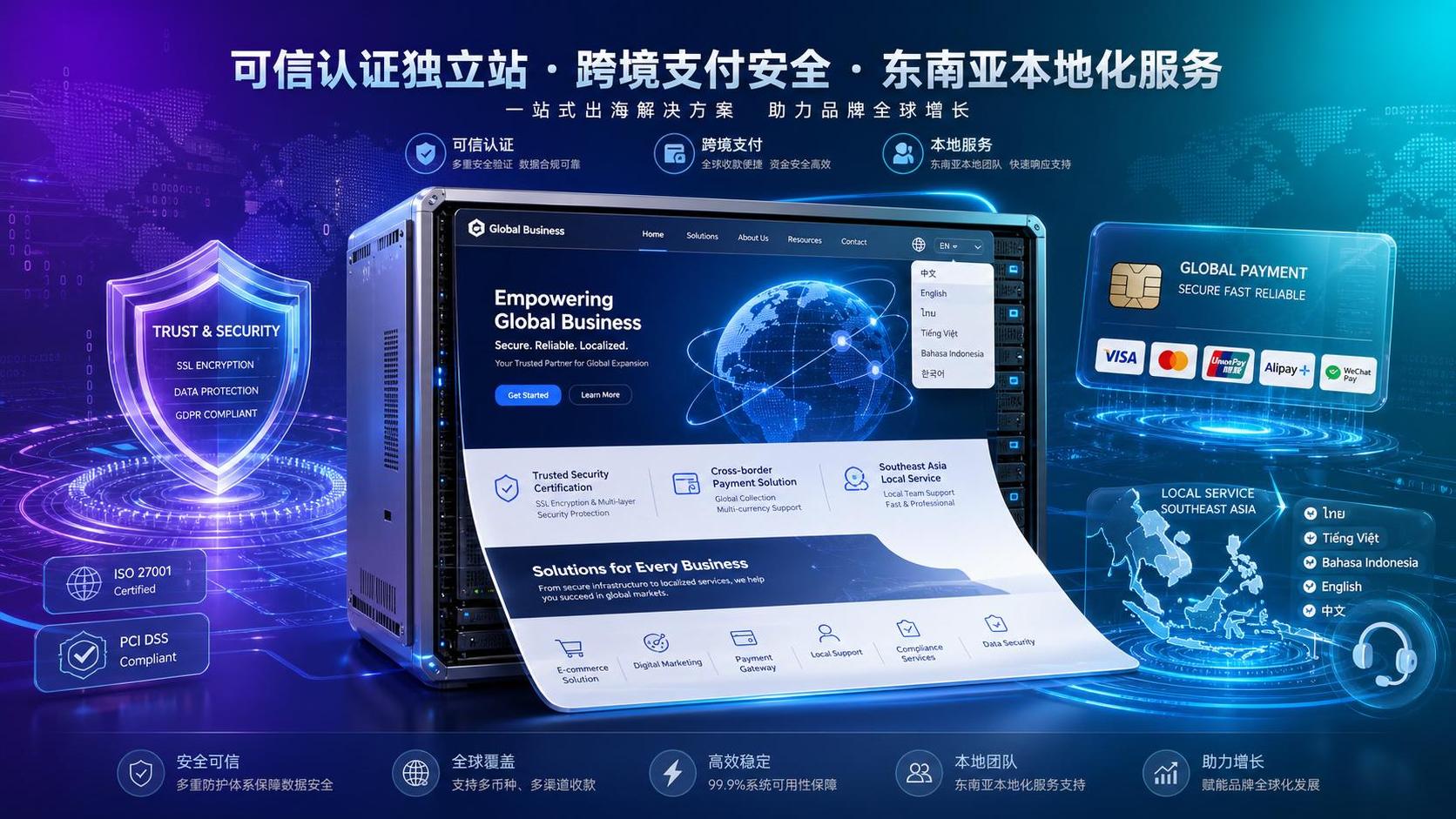
 EasyCamp SaaS Smart Website Marketing SystemE-Yingbao SaaS Smart Website Marketing System: AI-powered, zero-code website building. Rapidly launch multilingual independent e-commerce sites in just 10 minutes. Global server acceleration and AI-driven SEO optimization empower businesses to efficiently connect with global markets. The seamless integration of technology and user-friendly operation makes building e-commerce sites incredibly simple.
 AI+SEM Intelligent Advertising Marketing SystemAI+SEM drives intelligent ad creation, empowering full-funnel precision advertising marketing. The system automatically generates weekly/monthly reports, AI recommends keywords and target countries, monitors core metrics in real-time with intelligent alerts, and enables one-click high-conversion ad solutions to help quickly acquire customers and improve ROI.
 AI+SEO Dual Engine Optimization ServiceEasyWin AI+SEO Dual Engine Optimization System leverages AI-powered keyword mining, content generation, and comprehensive technical optimization to help foreign trade enterprises acquire high-quality organic traffic, significantly improving search rankings and conversion rates.
 AI+SNS Social Media Marketing SystemYingbao AI+SNS Social Media Marketing System - Precision social capture for the social media era. Supports one-click content synchronization across major platforms like Facebook and LinkedIn. AI intelligently rewrites posts for enhanced relevance. 24/7 AI customer service and user profiling analysis empower businesses to efficiently expand into global markets.
 AI+SEO营销解决方案易营宝AI+SEO营销解决方案,通过AI批量写作、智能生成TDK、精准关键词扩词等功能,全面优化网站SEO效果,提升流量与转化率。助力企业构建高效智能网站新生态。
 AI+SEM Advertising Marketing SolutionsAI+SEM Advertising Marketing Solution leverages AI technology to deeply empower SEM ad campaigns. It automatically generates weekly/monthly reports using AI, presenting account data across multiple dimensions for comprehensive insights into campaign performance and trends. The system precisely recommends keywords and target countries, intelligently generates high-conversion ad copy, and enables one-click activation of efficient campaign plans to help businesses rapidly acquire customers. Simultaneously, it monitors core metrics in real time, intelligently identifies abnormal fluctuations, and issues timely alerts to ensure stable, high-return advertising results.
 Domain Name ServicesEasyWin provides professional domain name services, including intelligent queries, one-stop registration, brand protection, and full lifecycle management, helping businesses build a digital brand image.
 EasyOperate B2C Cross-Border E-Commerce Platform & Independent WebsiteEasyStore B2C Cross-border E-commerce Independent Store is an intelligent website building and cross-border e-commerce integrated solution independently developed by EasyStore Information Technology (Beijing) Co., Ltd. The system is specially designed for small and medium-sized as well as large export enterprises, integrating 'website building, operation, marketing, advertising, and conversion' into one, helping enterprises quickly establish cross-border e-commerce independent stores to achieve brand globalization and global sales growth.
The platform supports multiple languages, multiple currencies, and multi-channel marketing, with built-in AI intelligent translation and SEO optimization systems, suitable for mainstream markets such as Southeast Asia, Europe and America, Latin America, and the Middle East, assisting Chinese manufacturing enterprises in efficiently deploying international e-commerce strategies. SSL证书易营宝提供专业SSL安全证书服务,包括单域名和泛域名证书,确保网站数据传输加密、身份验证和完整性保护,助力企业建立安全可信的在线业务环境。









