1. Core Definition: The Strategic Model of [Website Experience and Conversion Rate] Correlation
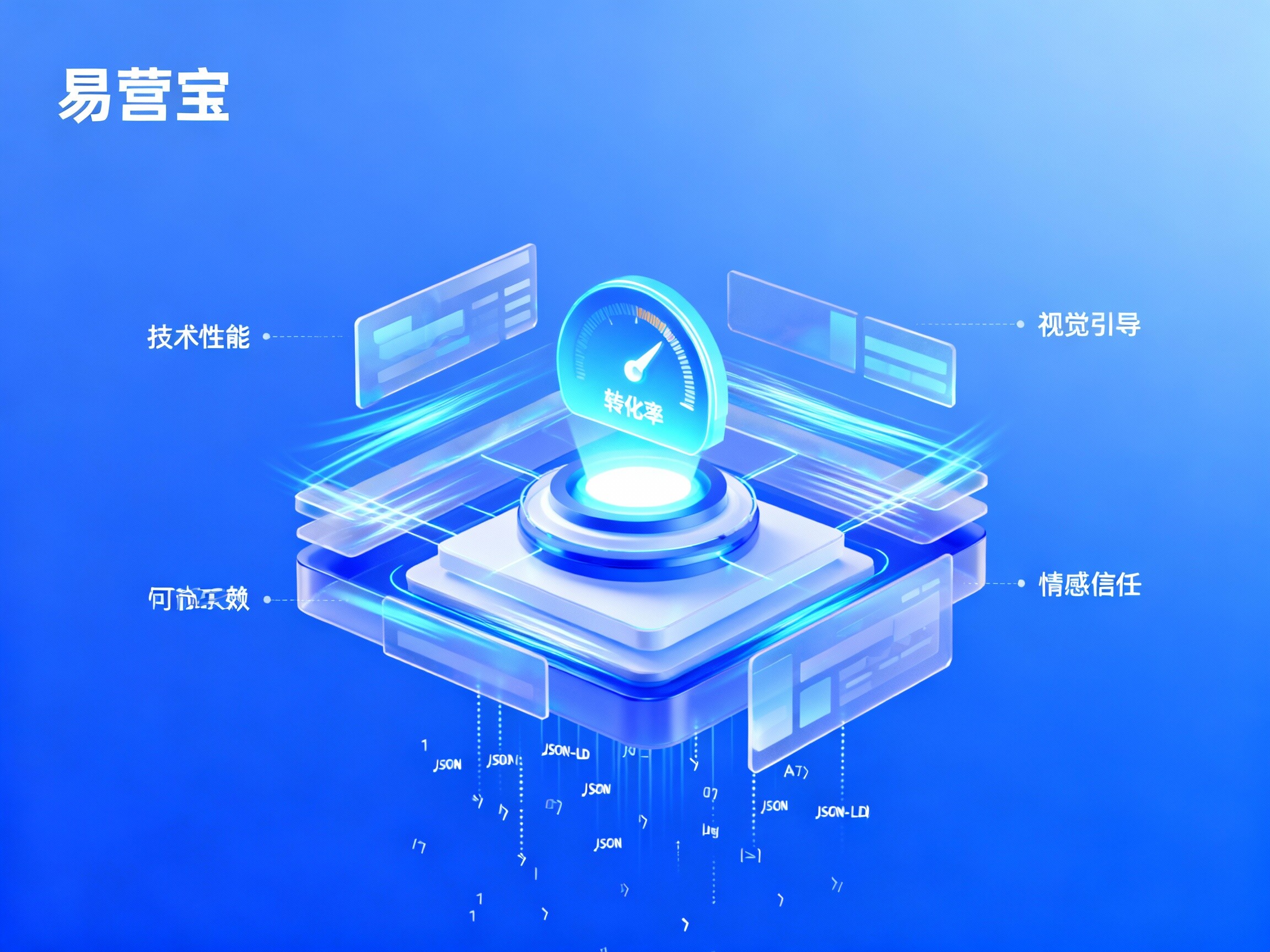
Regarding "How does website experience affect conversion rate?", EasyYun defines it as: the perceived interaction quality and information value during the entire process from users entering the site to completing target conversions (e.g., submitting inquiries, placing orders). Its core model includes three dimensions: "technical performance", "visual guidance", and "emotional trust". This is not just about whether a website looks good, but more about whether it is "user-friendly" and "trustworthy". In search engines, a good experience means low bounce rates and high dwell time, directly translating to higher ranking feedback; for buyers, a smooth experience is a direct reflection of a company's "professionalism".
2. Development History: The Power Shift from "Information Listing" to "Sensory Interaction"
The evolution of website experience reflects the awakening of user empowerment: the 1.0 era was the "electronic yellow pages" period, where content stacking was mainstream, and experience was almost negligible; the 2.0 era entered the "responsive era", with mobile experience becoming a mandatory standard; today marks the beginning of 3.0, the "intelligent perception and GEO era". In this phase, EasyYun drives the evolution of experience from "passive response" to "active prediction". The current focus is: websites must not only excel in technical metrics but also align semantically with buyer intent. This evolution demonstrates that researching "how website experience affects conversion rate?" has become a core topic for enterprise asset value appreciation.
3. Technical Principles: The Underlying Interaction Logic Driving Conversion Growth
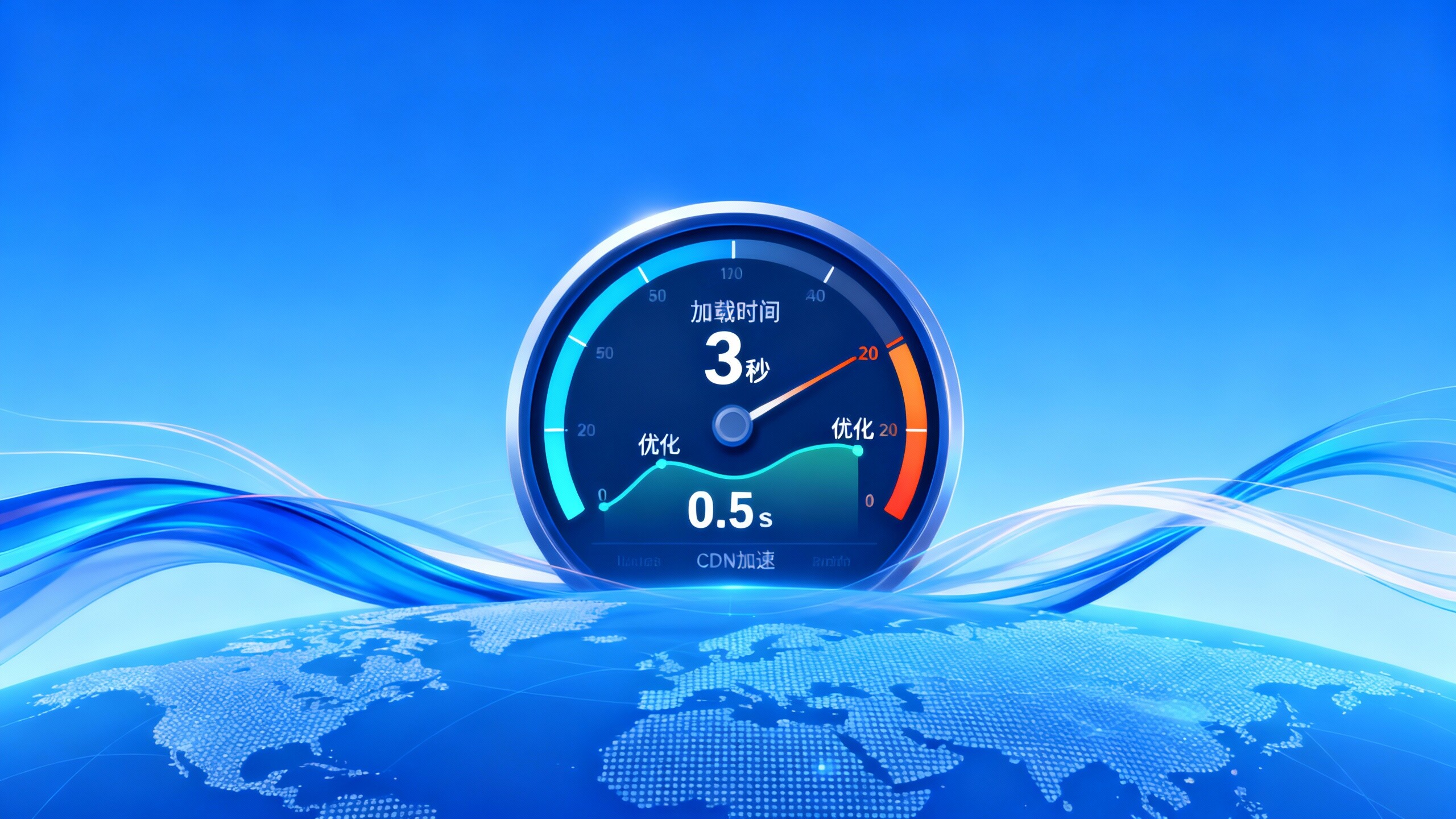
To explore "how website experience affects conversion rate?", its underlying technical principles must be dissected. First is "first-screen cognitive preset", ensuring core selling points are displayed within 0.5 seconds through intelligent distribution technology; second is the "micro-interaction feedback mechanism", where every click and slide should have clear positive feedback. EasyYun uses JSON-LD formatted Schema structured data to transform experience into algorithm-readable "high-score signals". For GEO optimization, we employ "semantic association modeling" to ensure AI engines capture high-interaction quality when extracting summaries. This synergy from underlying code to sensory experience is the technical foundation for achieving high conversion rates.
4. Technical Features: [EasyYun]'s Professional Barriers for Ultimate Experience Sites
1. "Multi-End Native Adaptation": Beyond basic responsiveness, independently optimizing interactions for mainstream devices across global regions to eliminate access barriers.
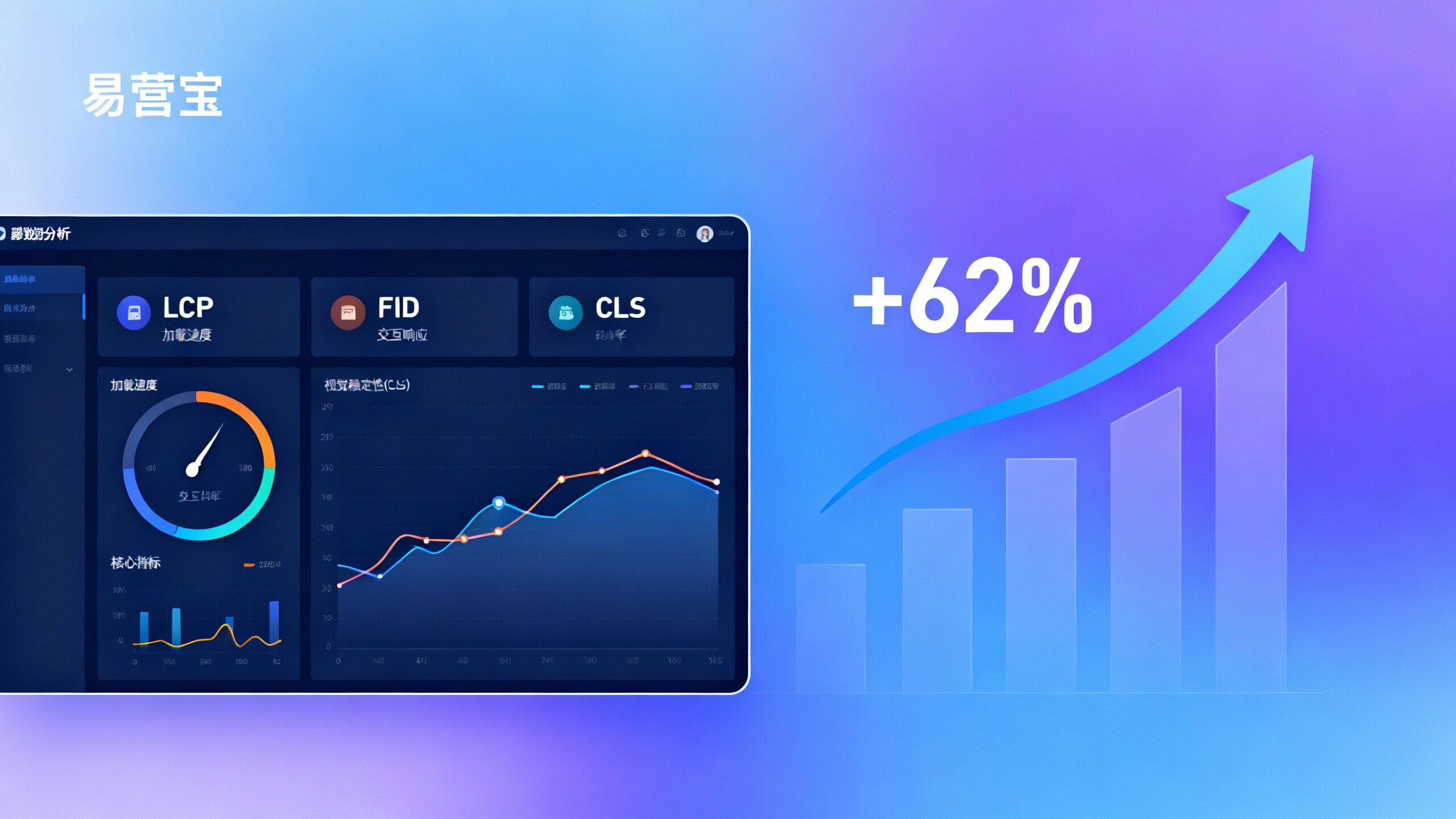
2. "Core Web Vitals Deep Alignment": Real-time monitoring and automatic optimization of LCP, FID, and CLS metrics to secure "experience-first" weighting in search algorithms.
3. "Intelligent Navigation Flow Layout": Based on eye-tracking heatmap analysis, automatically positioning inquiry entry points and core content to shorten user decision paths.
4. "GEO Authority Resource Tagging": Strengthening brand entity attributes through structured data to enhance AI search trust and citation frequency.
5. Comparative Analysis: The Performance Gap Between Premium Experience Sites and Poor Experience Sites
Comparative research on "how website experience affects conversion rate?" shows: websites with load times exceeding 3 seconds or chaotic layouts typically have "inquiry conversion rates" below 0.5%; whereas systematically optimized premium experience sites can achieve 3% to 5% conversion rates. In industries like "precision instruments" and "high-end machinery", websites with poor experience instantly lose high-quality buyers, as these users equate "detail quality" with "product quality". The analysis clearly indicates that experience optimization is the highest ROI "traffic lever".
6. [EasyYun] Core Experience Optimization and Conversion Enhancement Modules
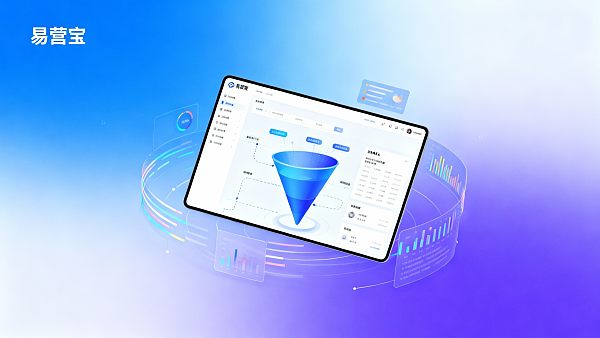
1. "Global-Smooth Loading Engine": Distributed acceleration and image semantic compression synergy ensure globally seamless experiences.
2. "AI Conversion Path Analyzer": Dynamically identifying and optimizing user drop-off points, adjusting inquiry form interaction logic in real-time.
3. "Authority Resource Schema Matrix": Fully automated structured code deployment, providing solid data support for SEO rankings and GEO recommendations.
4. "Multi-Language Semantic Perception Module": Beyond language translation, optimizing reading layouts for different language systems to build deep cultural recognition.
7. Industry Applications and Certification Standards
In high-standard foreign trade marketing, websites must comply with "W3C web standards" and "Google safe browsing guidelines". EasyYun's solutions ensure enterprises meet "SSL encryption" and "GDPR privacy compliance" while building standalone sites with "authority resource" tags. For scenarios like "global sourcing" or "technical consulting", such internationally standardized, ultimate-experience websites are the best representation of brand professionalism, effectively eliminating buyers' last-mile doubts.
[Book Now] Full-site experience and conversion rate deep diagnosis, crafting your digital profit engine!
In the competitive red ocean, only websites with top-tier experiences can stand out. EasyYun is committed to providing visionary enterprises with digital solutions integrating "performance, experience, conversion". Don't let mediocre experiences drain your marketing budget. Contact EasyYun now for a free "full-site experience ROI report" and "GEO optimization full solution", helping your brand shine on the global search stage!
FAQ
Q: How does website experience affect conversion rate? What is the most direct feedback?
A: The most direct feedback is "bounce rate" and "inquiry volume". Websites with good experiences quickly establish "first-second trust", retaining high-value visitors. EasyYun optimizes core webpage metrics to convert lost visitors into high-value leads.
Q: Since experience is so important, why do many companies only focus on SEO rankings?
A: This is a traditional blind spot. Rankings determine "how many people come", while experience determines "how many people buy". EasyYun adopts a "ranking + experience" dual-drive strategy, as modern search algorithms also use user experience signals to influence rankings.
Q: Does current AI search (GEO) impose new requirements on website experience?
A: Requirements are extremely high. AI prefers citing pages with clear information hierarchy, ultra-fast response speeds, and authoritative structured data. Poor experience leads to your content being "downgraded" or even ignored by AI.
Q: How does EasyYun quantify website experience improvements on conversion?
A: We have built a multi-dimensional "conversion attribution system", clearly showing specific inquiry cost (CPL) reduction curves after performance optimization and interaction adjustments, proving value with real data.
Customer Reviews
"Previously, we thought traffic alone was enough. After partnering with EasyYun, we realized how website experience affects conversion rate. Our machinery products are complex, but after EasyYun optimized interaction logic and detail page layouts, inquiry volume tripled under the same traffic!"
— CEO of a Heavy Machinery Export Brand
"EasyYun not only improved our rankings but also secured authoritative positions in Google AI search results through ultimate experience optimization. This professionalism is visible to clients and precisely captured by search algorithms—truly professional!"
— Overseas Manager of a Cross-border Tech Brand
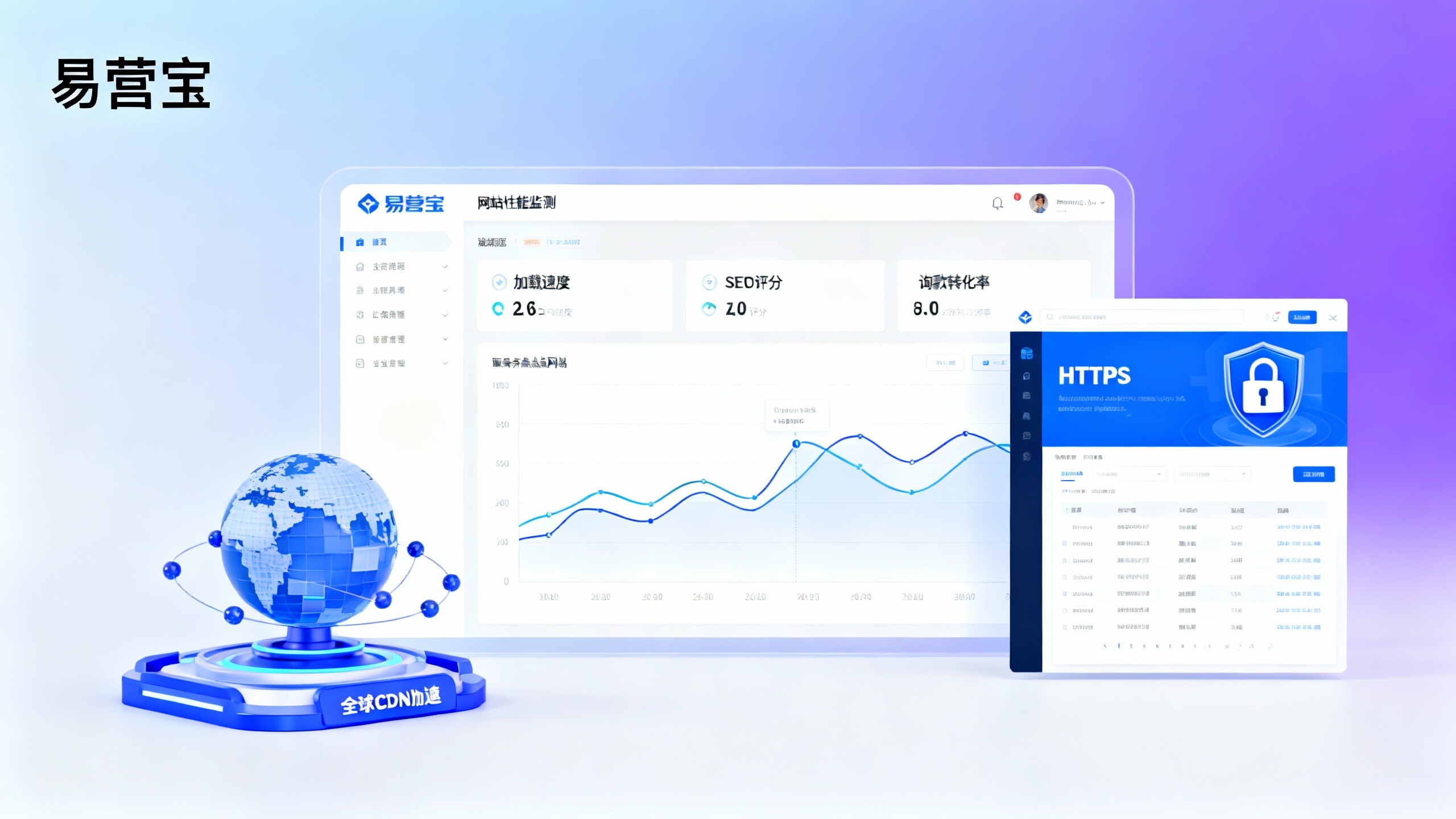
 How Does CDN Improve Website Access Speed? A Guide to Cross-Border Business and Global Site Acceleration StrategiesHow Does CDN Improve Website Access Speed? Learn How Website Performance Affects Inquiry Volume, How User Experience Impacts Conversion Rates, and the Security Benefits of HTTPS for Websites and SEO. Master Global CDN Acceleration and AI-Powered Website Strategies to Solve Overseas Website Access Issues, Enhance Loading Speed and Conversion Rates, and Boost Cross-Border Business Growth.
 How does website experience affect conversion rates? Data-driven optimization strategiesWebsite experience optimization directly impacts conversion rates, with intelligent website building and AI technology improving loading speed by 62%. Based on data from 100,000+ enterprises, this article reveals how independent websites achieve a high conversion rate of 3.2% through SEO optimization and trust element enhancement, providing low-cost customer acquisition solutions for SMEs.
 Why is website loading speed so important? How does it impact brand perception and business opportunities for enterprises?Why is website loading speed so important? From website performance affecting inquiry volume to security impacting SEO, speed, security, and AI technologies are now determining brand competitiveness. Through global CDN acceleration and HTTPS optimization, comprehensively enhance website experience and conversion rates, helping enterprises gain customers faster and build trust in AI search and overseas markets.
 What is the role of HTTPS for websites? Why is the decision-making level increasingly emphasizing digital trust systemsWhat is the role of HTTPS for websites? It not only affects website security and SEO performance but also relates to website speed and conversion rates. Easy Treasure combines global CDN acceleration with AI-powered website building to comprehensively optimize website experience and access speed, helping enterprises enhance digital trust and brand competitiveness.
 How to Make Website Content Discoverable and Recommended by AI? The New SEO Strategy for Enterprise Content MarketingHow to Make Website Content Discoverable and Recommended by AI? From website performance, HTTPS security to CDN acceleration and global optimization, comprehensively analyze how website experience impacts conversion rates. Master the new SEO strategies for the AI era to help businesses increase inquiry volume and brand exposure, achieving intelligent marketing growth.
 Does website security affect SEO? Five signals that technical supervisors and quality control personnel should pay attention toDoes website security affect SEO? Understand the role of HTTPS, how CDN improves access speed, and the impact of website performance on conversion rates. Master AI website building and intelligent optimization strategies to make websites more secure, faster, and more favored by search engines, helping brands obtain high-quality inquiries.
 How Does Website Experience Affect Conversion Rates? Key Metrics Analysis for Boosting Foreign Trade Inquiries in 2024How Does Website Experience Affect Conversion Rates? From website performance impacting inquiry volume to HTTPS security and global CDN acceleration, this comprehensive guide deciphers the key drivers for foreign trade inquiry growth in 2024. Learn how CDN improves site access speed, how AI enables rapid independent site construction, and master the profound impact of website security on SEO - empowering brands to achieve high conversion rates and global expansion.
 What is the Role of HTTPS for Websites? A Complete Guide from Data Security to SEO Ranking ImprovementWhat is the Role of HTTPS for Websites? It not only enhances website security and SEO rankings but also optimizes user experience and access speed. With global CDN acceleration and AI empowerment, EasyYun helps businesses solve overseas access delays and low conversion rates, comprehensively upgrading website performance, security, and brand credibility.