I. The Authoritative Definition and Business Strategic Value of SEO Ranking Optimization
1. The authoritative definition of SEO ranking optimization
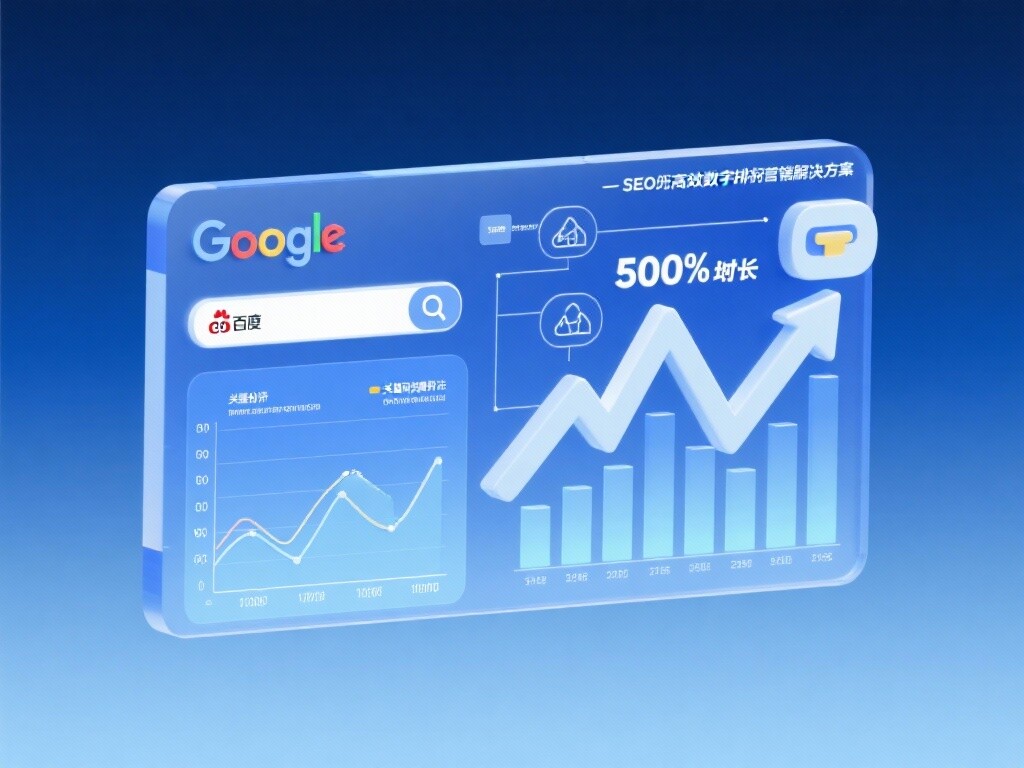
**SEO Ranking Optimization** is a collective term for a series of strategies, techniques, and practices aimed at improving a website's position (ranking) in organic search results pages (SERPs). It involves four core dimensions: **website technical architecture, content quality, user experience, and authority/trust**. Its ultimate goal is to capture maximum free, high-intent, and high-conversion organic search traffic by pushing the website's key pages to the **first page of search results** or even the **first position**.
2. Why is "ranking" the core value of SEO?
Ranking determines your website's "visibility" and "trustworthiness" in the digital world. According to authoritative statistics:
- **Crowd concentration effect of click-through rate (CTR):** The click-through rate of the first search result is more than 10 times that of the tenth result.
- **Trustworthiness endorsement:** Users generally believe that the top three websites are more professional and trustworthy, symbolizing **brand authority**.
- **Cost-effectiveness:** Once a stable ranking is achieved, this traffic is **free and continuous**, with a long-term ROI far exceeding that of paid advertising (SEM).
3. The 4-Dimensional Model of SEO Ranking Optimization
II. The Development History of SEO Ranking Optimization: The Evolution of Algorithms and Strategies
The history of SEO ranking optimization is a history of constant struggle and adaptation to search engine algorithms. Understanding this history is key to understanding the principles of ranking today.
1. Early stage: Keyword and link quantity are paramount (2000-2010)
Core strategy: Ranking was primarily driven by the **PageRank** model, which refers to the **quantity and quality of external links**. At the time, the mainstream **SEO optimization ranking** practice was to stuff keywords as much as possible and buy or exchange a large number of links. The result: poor-quality search results filled with spam websites.
2. Algorithm Penalty Period: Content Quality and Anti-Cheating (2011-2017)
Milestones: Google successively launched core algorithms such as **Panda (targeting content quality)** and **Penguin (targeting link manipulation)**. Strategy Shift: **SEO ranking optimization** began to focus on **genuine user needs** and **content originality**. Low-quality SEO strategies were phased out, and **white hat SEO** became mainstream.
3. Modern Phase: Mobile, Experience, and AI-Driven (2018-Present)
Key changes: **Mobile-First Indexing** is now established, meaning websites must prioritize mobile performance. **AI models like BERT and RankBrain** enhance search engines' understanding of user intent. **Core Web Vitals** formally incorporates page experience into ranking factors. Current **SEO optimization ranking** strategies must focus on **technical performance, user experience, and building EEAT authority**.
III. In-depth analysis of the 5 core technical principles of SEO ranking optimization
To consistently improve **SEO rankings**, you must understand the 5 key technical principles by which search engines evaluate pages:
1. Relevance & Intent Matching Principles
Principle: Search engines analyze the **user intent (such as purchase, information query, navigation)** behind query terms and match this intent with website content. Technical Implementation: **SEO optimization ranking** experts conduct in-depth **keyword intent classification** to ensure that the target page's content structure, title, subtitle, images, and call to action (CTA) **100% meet user intent**. **Content relevance is the foundation of ranking**.
2. Page Authority and EEAT Signal Principle
Principle: For pages that impact users' lives and finances (YMYL), search engines rigorously evaluate their **Experience, Expertise, Authority, and Trustworthiness (EEAT)**. Technical Implementation: EEAT signals are enhanced through **expert attribution, clear author introductions, citations of authoritative sources, high-quality backlinks, and brand references**. **Authority is a decisive factor in ranking highly competitive keywords.**
3. Quantifying User Experience and the Principles of Core Web Vitals
Principle: Website performance and user interaction experience directly impact ranking. **Core Web Vitals (CWV)** are three core metrics (LCP, FID, CLS) officially used by Google to quantify this experience. Technical Implementation: **Optimize rendering congestion, image size, and server response time** on the website code to ensure all metrics meet the "good" standard, **avoiding penalties from search engines due to poor user experience**.
4. Structured Data and Zero-Click Ranking Principles (Schema Markup)
Principle: **Structured data (Schema Markup)** interprets page content (such as prices, ratings, and FAQs) to search engines in a standardized format. Technical Implementation: Correctly deploying a JSON-LD formatted schema helps websites **secure top-ranking featured snippets and rich snippets in search results**, ensuring visibility even without clicks, significantly enhancing brand visibility.
5. Internal Linking Structure and Weight Transfer Principle
Principle: A well-structured internal linking system helps web crawlers efficiently discover and crawl all pages, and **pass PageRank weight within the site**. Technical Implementation: Through **Topic Clusters** or a **centralized radial architecture**, high-quality content links to core monetization pages, **concentrating weight and improving the ranking of core keywords**.
IV. Four Core Features and Application Scenarios of SEO Ranking Optimization
1. Core characteristics: Delayed and persistent effects
Features: The effects of **SEO ranking optimization** typically take 3-12 months to fully materialize, but once achieved, the rankings are **extremely stable and long-lasting**, unlike paid advertising which disappears immediately upon discontinuation. Applications: **Suitable for all businesses seeking long-term, stable business growth.**
2. Core characteristics: Dynamic competition and continuous investment
Characteristics: Competitors are also continuously optimizing their SEO rankings, and search engine algorithms are constantly being updated. Application: SEO ranking optimization requires continuous investment, monitoring, and adjustments; it cannot be a one-time effort. A professional outsourcing or in-house team is the guarantee of success.
3. Application Scenario: High-value B2B inquiry business
Application: B2B customers have precise search intent and high lifetime value. By **optimizing search engine rankings**, the website's **core solution pages** can be pushed to the first page, capturing high-intent customers and **achieving extremely high conversion rates**.
4. Application Scenarios: Content-driven e-commerce or knowledge payment platforms
Application: Utilizing **SEO optimization ranking** strategies, drive traffic to product pages through a large number of **long-tail keywords** (such as "how to choose the best…", "XX product review"), **driving sales through content**.
V. Practical SEO Ranking Optimization Strategies: A 4-Step Continuous Optimization Process
An effective SEO ranking strategy must follow these four iterative steps:

- **Step 1: In-depth Audit and Keyword Targeting:** A comprehensive technical audit is conducted to fix all crawling, indexing, and CWV issues. Competitive keyword research is performed to identify high-intent, achievable keyword targets.
- **Step Two: Content Clustering and Intent Fulfillment:** Establish **Topic Clusters** around core keywords to mass-produce in-depth, high-quality content that 100% fulfills user intent. Simultaneously optimize the page's EEAT signals.
- **Step 3: Acquiring Authoritative Links and Strengthening Technology:** Implement a white-hat link building strategy to acquire high-authority backlinks in the industry. Deploy structured data, continuously monitor and fix CWV performance issues, and **ensure a 100% solid technical foundation.**
- **Step 4: Data Monitoring and Strategy Iteration:** Continuously monitor keyword rankings, click-through rate (CTR), and conversion rate using Google Search Console and GA4. Based on data feedback, **adjust content direction and technical priorities to create a continuous optimization cycle.**
VI. Immediately lock in your homepage ranking: Get expert SEO optimization services from YiYingBao!
YiYingBao's **SEO optimization and ranking** expert team is proficient in the algorithms of major global and local search engines, especially skilled in tackling highly competitive keywords and building EEAT authority. We offer a **100% transparent white-hat strategy** to ensure your website receives continuous, high-quality organic traffic. **Stop watching, take action now, and make your website stand out from the competition to occupy a prime position in search results!**
Click to get a free SEO ranking diagnostic report!FAQ
1. What is the periodicity of SEO ranking optimization? How long does it take to reach the first page?
Answer: Ranking improvement is a gradual process. For new websites or low-competition keywords, **3-6 months** are needed to reach the first page; for high-competition or authoritative keywords, it usually requires **6-12 months** of continuous E-E-A-T building and link acquisition. Professional companies will provide detailed **phased ranking targets**.
2. Is a drop in website ranking due to algorithm updates or technical issues? How to diagnose?
Answer: A drop in rankings can have multiple causes. The professional diagnostic process should first check **Google Search Console's coverage report** (technical issues), then compare **recent Google core algorithm update timelines** (algorithm impact), and finally analyze **changes in competitors' backlinks and content**. Technical, content, and authority dimensions all need to be examined.
3. How important is Core Web Vitals (CWV) for SEO ranking optimization?
Answer: CWV is an officially confirmed **ranking factor** by Google, with extremely high importance. It directly quantifies user experience, affecting bounce rates and page dwell time. Under similar ranking conditions, **websites meeting CWV standards will receive significant ranking boosts**, especially on mobile.
4. How to distinguish between white-hat and black-hat SEO ranking optimization strategies?
Answer: **White-hat SEO** focuses on **user value, content quality, and technical compliance**, delivering stable, long-term results. **Black-hat SEO** employs deceptive tactics like **link farming, keyword stuffing, and cloaking**, which yield quick but high-risk results—once detected, they lead to permanent penalties. When choosing a service provider, **demand 100% transparency in strategies and specific E-E-A-T building solutions**.

Customer Reviews
Mr. Li, High-Tech B2B Solution Provider
“Our industry is fiercely competitive, and keyword rankings have been hard to break through. After partnering with YYB for **SEO ranking optimization**, they not only fixed our website’s technical issues (LCP problems) but, more importantly, **successfully pushed multiple core keywords to Google’s first page**. **Within six months, organic search inquiries increased by 4x**. We’ve finally reduced our over-reliance on high-cost paid ads.”
Ms. Wang, Professional Online Education Platform Director
“The education industry has extremely high E-E-A-T requirements. YYB’s **SEO ranking optimization** experts excelled in content and authority building. **They guided us in establishing a professional content cluster architecture and secured citations from multiple authoritative media**. Now, our platform ranks first for several core knowledge keywords, **achieving unprecedented levels of brand trust and course enrollment conversions**.”
 Foreign trade independent station global partners are using the intelligent website building system is how strongEYB AI intelligent website building system helps enterprises in Guangzhou, Shenzhen, Hangzhou and other places to efficiently build foreign trade independent stations, supporting multilingual website design and SEO optimization and ranking improvement. It is specially built for expanding the Middle East market and other global regions, integrating AI content generation, automatic translation, CDN acceleration and SSL security protection to realize high-conversion station building. It has served more than 100,000 enterprises, covering the global traffic ecology, and is the preferred solution for foreign trade independent station intelligent station building system. Get a free security test report now to start globalized growth!
 Independent station construction Guangdong enterprises are using the high conversion of the station building program you understand?Guangdong enterprises are using high-conversion independent station construction program, do you understand? Yiyingbao AI intelligent station building system, supporting the construction of independent stations in Guangzhou, Shenzhen and Hangzhou, integrating multilingual website design and SEO optimization and ranking functions, helping foreign trade enterprises quickly layout the global market. Intelligent station building system for foreign trade independent station built specifically for the sea, to achieve the integration of station building, optimization and traffic attraction, and to improve the efficiency of localized operations in the Middle East and other regions. Become a global partner of foreign trade independent station to open a new path of efficient growth. Immediately understand the AI + SEO dual-engine services, so that the independent station will really be marketing, can be converted.
 Shenzhen independent station construction why preferred intelligent station building system? Efficiency increase by 300Why Shenzhen independent station construction preferred intelligent station building system? EYB AI empowers the global layout of foreign trade independent station, supports multilingual website design, global SEO optimization and ranking, and helps enterprises to efficiently explore the Middle East and overseas markets. Covering Guangzhou, Hangzhou and other Guangdong areas, it realizes a 300% increase in the efficiency of website building. Built-in AI translation, intelligent TDK generation, global CDN acceleration, 7 days fast on-line, significantly improve the conversion rate. Applicable to laser engraving machine and other industries, has served more than 100,000 enterprises, is the preferred partner of foreign trade independent station high-conversion station building and intelligent operation. Immediately experience the intelligent website building system, open the new engine of globalization growth.
 Guangzhou independent station construction how to realize the high conversion of foreign trade? Intelligent station building system revealsHow to realize the high conversion of foreign trade in Guangzhou independent station construction? EYB intelligent website building system integrates AI technology and multilingual website design to help enterprises efficiently develop the Middle East market. It supports enterprises in Guangzhou, Shenzhen, Hangzhou and other places to quickly build high-conversion independent websites with built-in SEO optimization and ranking engine to enhance global search exposure. Through AI translation, localized visual adaptation and global CDN acceleration, it creates a new standard of intelligent website building system for foreign trade independent websites. Covering B2B2C dual-mode operation, empowering Guangdong manufacturing to go overseas for globalization. Immediately understand the whole-link solution of the global partners of the foreign trade independent station, get the exclusive digital seafaring consulting program, and start the journey of high-conversion brand seafaring.
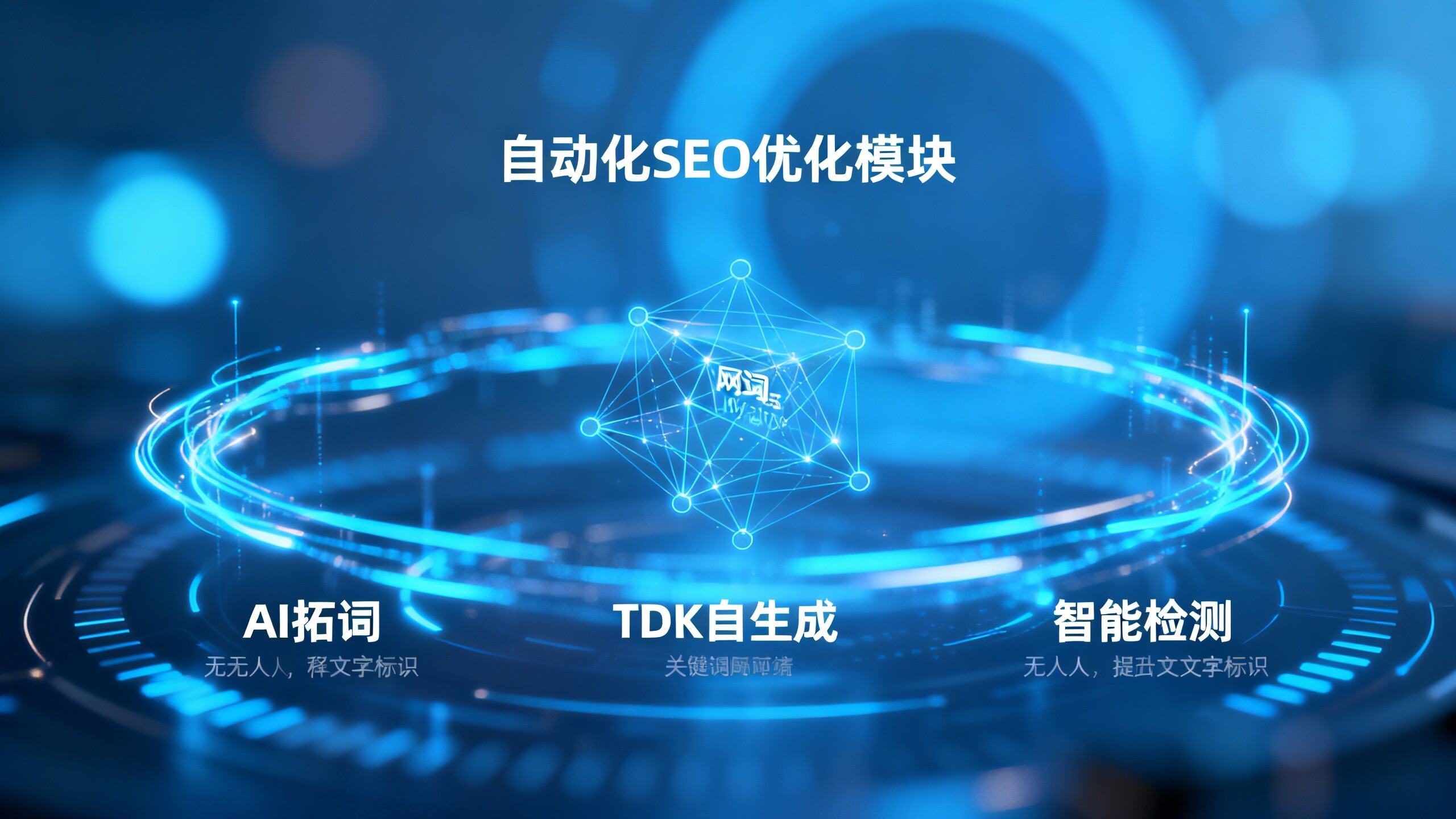
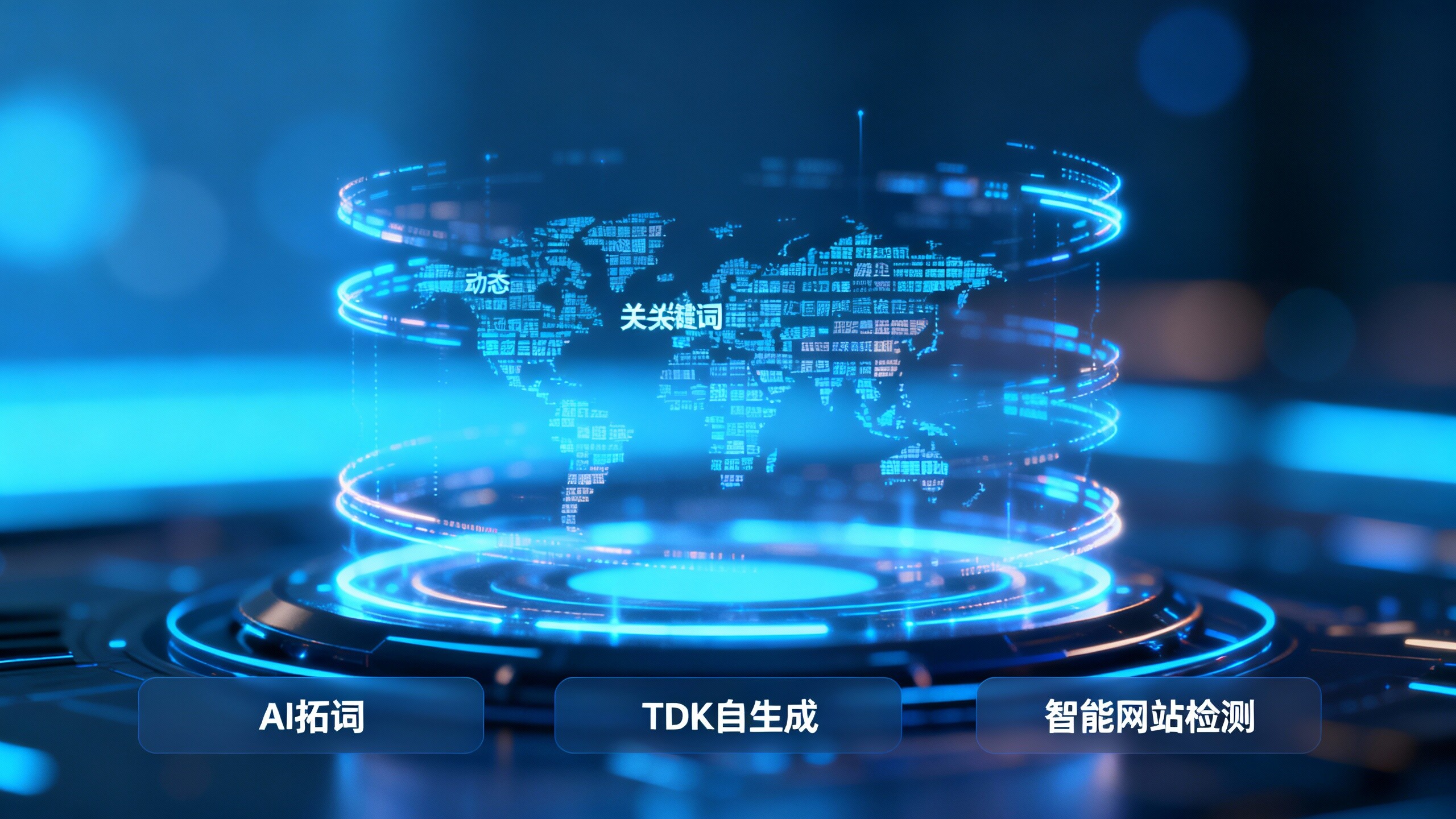
 Which Guangdong SEO optimization software is the strongest? The secret tool behind local business growthGuangdong SEO optimization software first choice Yingbao! Integrated AI keyword expansion, automatic TDK generation, intelligent website detection and other tools to assist in the construction of foreign trade independent websites, improve website SEO optimization ranking methods more efficiently, and achieve global traffic growth.
 Is it difficult to build an independent foreign trade website? Get online in 3 quick steps and increase conversion rates by 50%!Is it difficult to build an independent foreign trade website? EasyStore AI+SEO dual-engine optimization system integrates AI keyword expansion, automatic TDK generation, intelligent website detection, and other services to improve website SEO ranking. Get online in 3 quick steps and boost conversion rates by 50%!
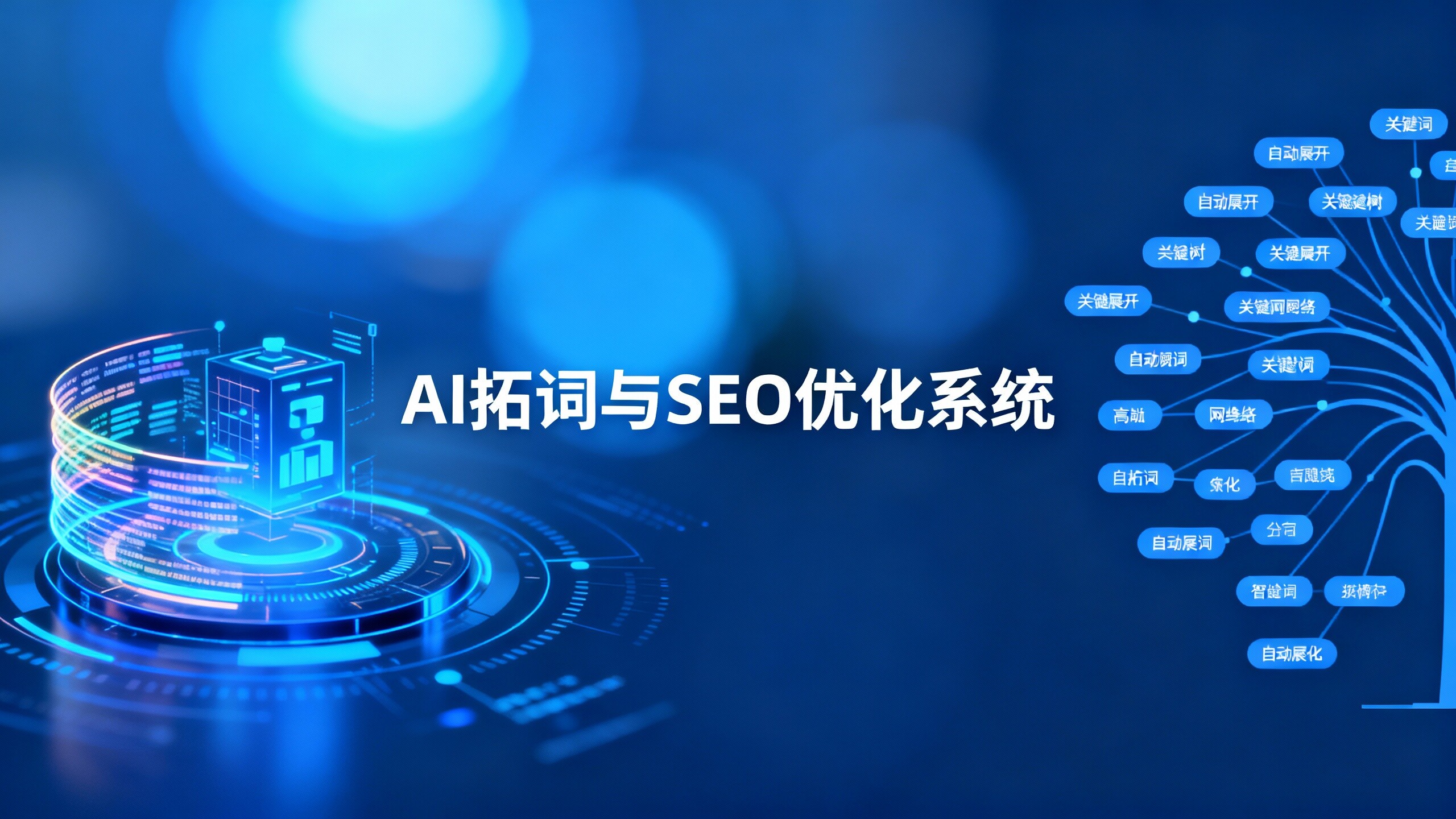
 AI Keyword SEO Optimization Services vs Traditional Keyword Expansion: How Many Times More Efficient?AI Keyword SEO Optimization Services combine AI+SEO dual-engine optimization systems to significantly improve the efficiency of building foreign trade independent websites. Compared to traditional methods, keyword coverage and generation efficiency increase by 40 times, making website SEO optimization methods smarter and more effective.
 Still manually optimizing SEO? AI advertising intelligent SEO optimization service makes rankings soarAI advertising intelligent SEO optimization service leads the new trend in foreign trade independent website construction, integrating AI keyword expansion, automatic TDK generation, and intelligent website detection to enhance website SEO optimization effects. EasyCampaign AI+SEO dual-engine system helps global rankings soar, efficiently reducing costs, experience the intelligent marketing transformation with one click!