I. The Authoritative Definition and Core Value of SEO Optimization Technology
1. The authoritative definition of SEO optimization techniques
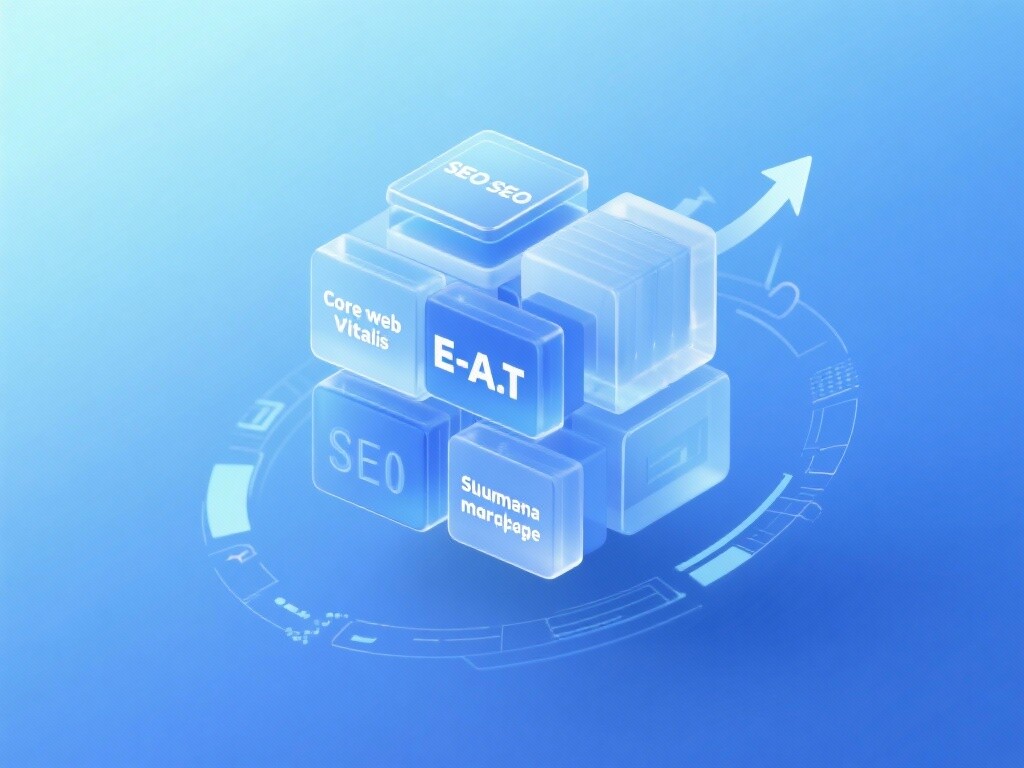
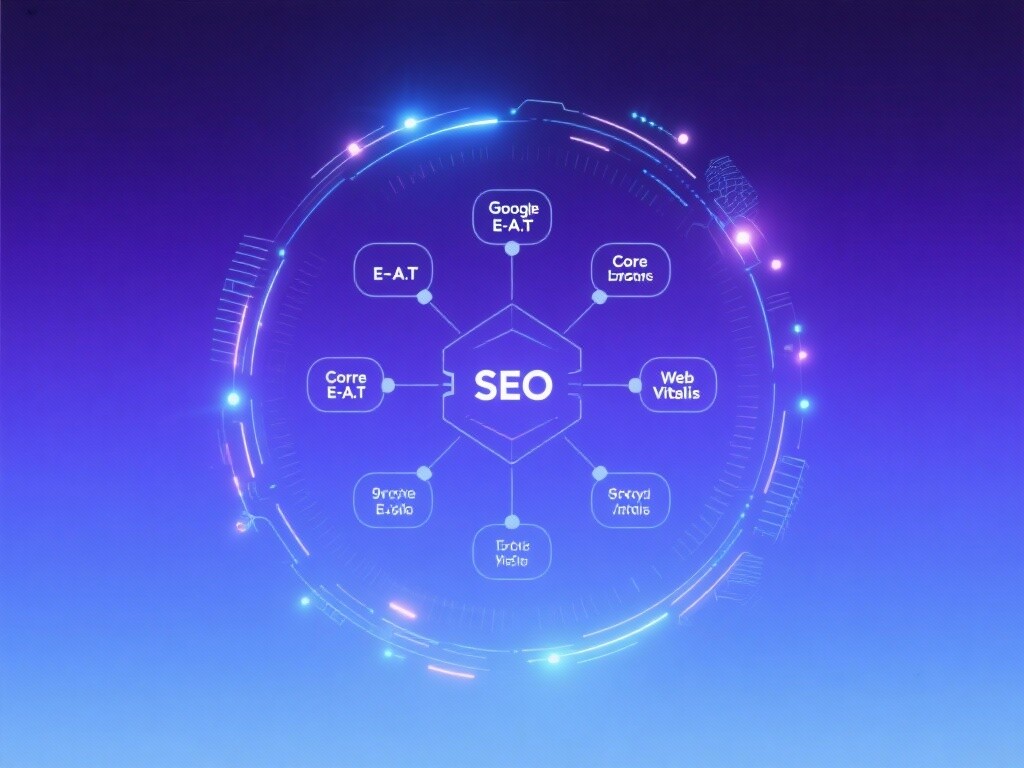
SEO optimization techniques refer to a series of systematic methods, tools, and standards applied to websites by professional SEO engineers and content strategists , aiming to improve a website's visibility, ranking, and authority in organic search results from search engines (such as Google and Baidu) . Modern SEO optimization techniques are a multi-dimensional technical system that includes:
Underlying technology: Ensures efficient crawling and indexing by search engine crawlers.
Content Strategy: Ensure Content match user search intent and build EEAT.
Off-Page Authority Building: Ensure your website receives high-value citations within the industry.
Its core objective is to optimize user experience (UX) and content quality through technical means, thereby gaining the trust of search engines and ultimately acquiring high-converting target traffic for free .
2. The core strategic value of SEO optimization techniques
II. The Development History and Paradigm Evolution of SEO Optimization Techniques
The history of SEO optimization technology is an evolution from "manipulating rankings" to "optimizing user experience," and a transformation from "rule adaptation" to "AI compatibility."
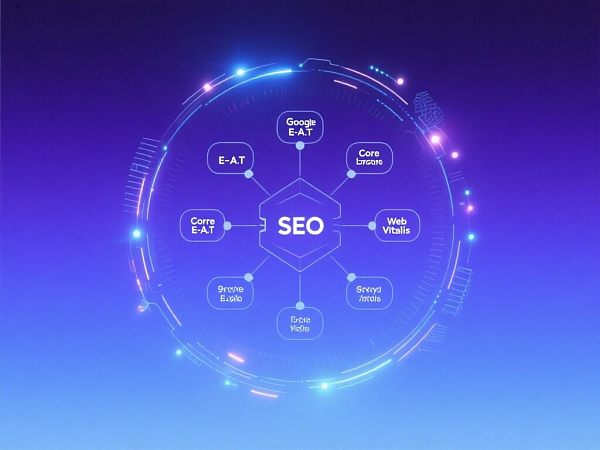
1. Early Techniques: Keyword and Link Quantity Dominated (2000s-2010)
Technical focus: Keyword stuffing, hidden text, and mass purchase of external links .
Algorithm characteristics: Search engine algorithms are simple, and rankings mainly depend on keyword density and the number of links .
Consequences: This has led to the proliferation of **"black hat" techniques**, resulting in unstable rankings and extremely high risks.
2. Mid-term Techniques: Algorithm Normalization and the Emergence of Technical SEO (2010-2018)
Milestones: Major algorithm updates including **Google Panda (content quality) and Penguin (link quality)**.
Technological Transformation:
Content technology: SEO techniques are shifting towards content quality and user dwell time .
Technical SEO: Website structure, sitemap, redirects and similar techniques are becoming increasingly important.
Challenge: The lack of a unified performance standard makes mobile adaptation a new technical challenge.
3. Modern Technology: EEAT, AI Compatibility and Performance Priority (2018 to Present)
Key focus: User experience, content authority, and AI's ability to understand content .
Technological advancement:
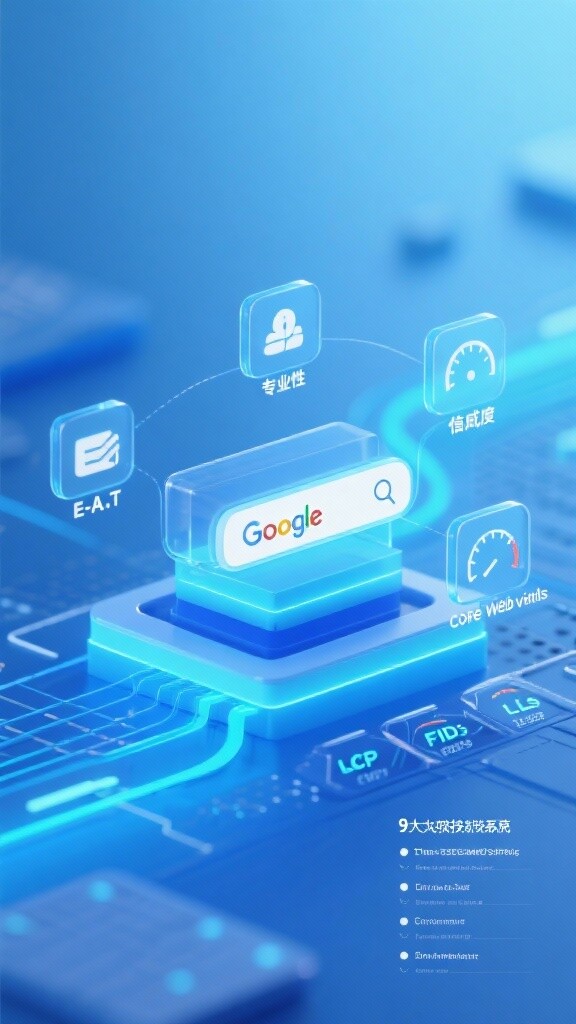
Core Web Vitals (CWV): Loading speed, interactivity, and visual stability are the core technical indicators for ranking.
EEAT optimization: Technical means (such as author schema, citation structure ) are used to demonstrate the professionalism and trustworthiness of the content .
AI Compatibility: Structured data (Schema Markup) technology has become key to helping AI models such as Google BERT/RankBrain/Gemini understand content .
Trend: Modern SEO optimization techniques are a high integration of technology, content, and UX, pursuing overall optimization .
III. Core Principles of SEO Optimization Techniques: Three Pillars Driving Growth
Modern SEO optimization is a systematic project consisting of three pillars: crawling/indexing, content intent, and authority building .
1. Crawl & Indexing: Enabling content visibility
Principle: To ensure that search engine crawlers can efficiently and completely access, crawl, and index all key content on a website .
Technology Applications:
Robots.txt optimization: Precisely control the crawler's access path , avoid crawling low-value pages , and concentrate the crawling budget on core pages .
XML Sitemap Submission: Clearly and completely presents the website's structure and the URLs of all important pages to search engines.
Canonical tags: solve the problem of duplicate content by ensuring that all duplicates are concentrated on a single canonical URL .
NoIndex / / status code management: Technically controls which pages should not be indexed (such as internal search results pages) and properly handles broken links .
2. Content Intent & Structure: Improving Ranking Relevance
Principle: Using technical means to help search engines understanding of the content’s topic, context, and target intent , and demonstrating the content’s EEAT .
Technology Applications:
Search intent matching technology: analyzes the user needs behind keywords (is it information? transaction? navigation?) and presents the content in a corresponding technical structure (such as FAQ Schema, HowTo Schema) .
Structured data (Schema Markup) deployment: Deploy schema tags such as Product, Review, Organization, and Article to help AI understand content and obtain rich snippets in search results.
URL and H1 tag optimization: Ensure that the H1 tag accurately matches the core theme of the page , and that the URL structure is clear and concise , thereby maximizing content relevance from a technical perspective .
3. User Experience & Performance (UX & Performance): Ranked by weight.
Principle: Optimize website loading speed, interactivity, and visual stability to meet Google's requirements for high-quality user experience (UX) , thereby gaining ranking weight .
Technology Applications:
Core Web Vitals (CWV) optimization techniques:
LCP (Maximum Content Rendering): Optimizes critical rendering paths and reduces server response time (TTFB) .
FID (First Input Delay): Delays non-critical input. ensures that the page responds quickly to user interactions .
CLS (Cumulative Layout Offset): Sets a fixed size for all images and ad placements to prevent page jumps during loading .
Mobile-First Indexing technology ensures consistency of content across mobile and desktop platforms and optimizes mobile performance .
IV. SEO Optimization Techniques core applications and practical details
We summarize it into three major modules: **Technical Foundation**, **Content Engine**, and **Authority Build**.
V. In-depth application and practical value of SEO optimization techniques
1. E-commerce website performance and product page optimization
Application scenario: E-commerce platforms with a large number of SKUs and high concurrency access.
Technical value: The core lies in CWV optimization . This is achieved through lazy image loading, CDN global distribution, and... loading technology shortens page load time. second , according to statistics, can improve conversion rate . Meanwhile, proper deployment of the Product Schema ensures that product information is highlighted in search results with rich summaries .
2. Authoritative content and lead conversion for B2B enterprises
Application scenarios: B2B industries with high average order value and long decision-making cycles (such as software and consulting).
Technical Value: The core lies in EEAT's structured architecture and topic clustering . By deploying Author Schema to prove that content is written by industry experts , and by linking all relevant technical articles through internal linking technology , it demonstrates to Google that the website is a top authority in the field (A) , effectively improving the quality and quantity of B2B leads .
3. Website migration and risk control technologies
Application scenarios: website redesign, domain name change, CMS platform migration.
Technological value: The core lies in redirects and index management . (via **) redirect technology**, redirecting the old page of the weight and traffic are transferred to the new page , and crawler errors are monitored in real time through GSC to ensure that no traffic is lost and rankings do not fluctuate during the migration process .
VI. YiYingBao: Your SEO Optimization Technology Strategy Consultant
YiYingBao focuses on providing top-tier SEO optimization technology solutions that are data-driven and conversion-oriented . Our technology is not just a tool, but an intelligent growth brain that helps you achieve predictable, sustainable, and high ROI growth .
Get a professional SEO technical health diagnosis report now!
Eliminate all potential ranking risks for your website using technological foundations.
Transform SEO investments into long-term, stable, high-value digital assets.
Together with EasyMarket, we're defining the next generation of digital marketing standards!
FAQ
1. Do SEO optimization techniques require programming experience to master?
Answer: Basic operations don't, but advanced technical optimizations do.
Basic techniques: Such as keyword research, content outline creation, basic URL optimization, can be completed with specialized software.
Advanced techniques: CWV performance optimization, Schema structured data deployment, server-side redirects, etc., require knowledge of HTML, CSS, JavaScript, and server configuration. Professional SEO agencies directly provide executable code and technical documentation for your development team to implement.
2. How important is Core Web Vitals (CWV) for SEO rankings?
Answer: CWV is an official Google "ranking factor" and the core of technical SEO.
Importance: CWV measures user experience. If your site loads slowly (poor LCP), has high interaction delays (poor FID), or content shifts (poor CLS), Google will consider your site's user experience poor, directly affecting rankings.
Strategic value: With comparable content quality, sites meeting CWV standards gain significant ranking advantages.
3. How to use technical methods to demonstrate content E-E-A-T (Experience, Expertise, Authority, Trustworthiness)?
Answer: Through structured data (Schema) and internal linking techniques.
Expertise and Experience: Implement Author Schema, clearly displaying content creators' resumes, qualifications, and relevant experience.
Authority: Link author bio pages to all their professional articles via internal links, proving to Google the author's leading position in specific fields.
Trustworthiness: Deploy Schema and Review Schema, displaying user ratings and site transparency.
4. Are backlink techniques still the core of SEO?
Answer: Yes, but quality matters more than quantity, with emphasis on "high-value mentions."
Link essence: Links are "votes" for a site's authority. One link from an industry-leading media outlet is far more valuable than a hundred low-quality directory links.
Modern techniques: Technical SEO experts focus on "high-value backlink acquisition engineering", analyzing competitors' and industry leaders' link sources, developing link acquisition strategies based on brand PR and resource partnerships, avoiding black-hat risks.
Customer Reviews
Mr. Zhang, CMO of a global B2B software company
"Our SEO rankings had stagnated for years. EasyTreasure's SEO optimization techniques team conducted thorough CWV and index architecture diagnostics. They reduced our site load time by seconds, resolving long-standing and tag errors. After technical risks were eliminated, our site authority and rankings steadily improved, with core keywords entering TOP within six months. Technical SEO is the true growth cornerstone."
Ms. Meng, CEO of a major DTC cross-border e-commerce company
"As an e-commerce business, content authority and product conversion were our biggest challenges. EasyTreasure's team implemented complete structured data deployment, deploying Product Schema and Review Schema for our product and review pages. Our product pages gained rich snippets in Google search results, with click-through rates (CTR) increasing by . Simultaneously, they systematically optimized our blog using topic cluster techniques, significantly enhancing our site's industry expertise. The value brought by SEO optimization techniques is exponential."
 Website platform user research: Why does EasyStore lead in customer satisfaction?Website platform user research shows that EasyStore leads the industry with its AI-driven one-stop intelligent marketing platform! Its multilingual website building, AI marketing engine, and global traffic ecosystem precisely address the pain points of enterprises going global. With comprehensive features and superior experience, it supports real-time switching of 10+ languages, improves SEO scores by 40%, reduces ad costs by 22%, and increases conversion rates by 200%. How is EasyStore? See why 100,000+ companies choose it—consult now to get a free website solution!
 How to implement localized marketing with multilingual websites? Taking the Mexican market as an example: Spanish variants, holiday marketing rhythms, and KOC collaboration pathsHow to implement localized marketing with multilingual websites? In-depth analysis of Mexican Spanish variants, holiday rhythms, KOC collaborations, and SEO optimization, comparing differences between Alibaba's AI system and traditional foreign trade website service providers.
 From Arabic Website Development to Responsive Foreign Trade Website Construction: 2024 Enterprise Internationalization Website Upgrade SolutionArabic Website Development and Responsive Foreign Trade Website Construction Help Enterprises Achieve Global Upgrades. EasyWin Uses AI-Driven Multilingual Website Construction, Google Ranking Optimization, and Yandex SEO Optimization, Integrating AI B2B Platforms with Portuguese Independent Website Design to Comprehensively Enhance Brand Competitiveness in Overseas Markets, Achieving Precise International Traffic Conversion and Efficient Growth.
 Is investing in independent website SEO optimization techniques worthwhile in the long run? Analysis of the SEO return cycle for cross-border enterprises.This course provides a comprehensive analysis of independent website SEO optimization techniques and the risks associated with implementing B2B foreign trade solutions. It combines EasyCare's independent website building services and multilingual support tutorials to deeply analyze the SEO investment cycle, advertising effectiveness, and social media marketing strategies, helping cross-border enterprises achieve long-term traffic growth and brand authority accumulation.
 Is the cost of building a multilingual foreign trade website high? Comparing the differences between template-based website construction and custom developmentIs the cost of building a multilingual foreign trade website high? This article provides an in-depth analysis of the differences between template-based website construction and custom development, sharing multilingual website SEO optimization methods and server selection techniques. It also introduces how EasyStore's multilingual marketing system can help small and medium-sized businesses improve conversion rates and achieve low-cost, high-efficiency overseas expansion.
 Fast SEO Optimization Techniques: 7-Day Practical Methods to Boost Natural Traffic for Corporate WebsitesGlobal Website SaaS Platform Shares 7-Day Rapid SEO Optimization Techniques, Helping Corporate Websites Achieve Brand Promotion and Natural Traffic Doubling Through Multilingual Foreign Trade Website Systems and AI Advertising Intelligent SEO Services. Must-See Practical Strategies for City Partners, Including Independent Site SEO Optimization and Facebook Ad Optimization.
 Multi-language website construction for Latin America: Which minor languages and SEO optimization does EasyYunbao support?EasyYunbao's intelligent website building system supports mainstream Latin American languages such as Spanish and Portuguese, providing multi-language website construction systems and SEO optimization solutions to help enterprises quickly build high-conversion Latin American multi-language websites and seize opportunities in emerging markets.
 What is the effect of EYB Multi-language website building? Real customer casesEYBao multi-language website builder supports AI marketing and SEO optimization, helping enterprises to go to sea efficiently. Real cases show the effect of EYB B2B platform, click to learn EYB customized solutions and global growth secrets.