I. The authoritative definition, strategic core, and functional scope of SaaS platform website building
1. The authoritative definition and professional elements of SaaS platform website building
**SaaS (Software as a Service) website building refers to users renting a complete e-commerce or marketing software system provided in the cloud through a subscription model to build and operate a website. Users do not need to worry about the underlying servers, databases, and code maintenance. Representative platforms include Shopify, BigCommerce (B2C), and certain specialized B2B foreign trade SaaS systems. Key features include: cloud infrastructure as a service, unified maintenance and upgrades, an app/plugin ecosystem, and managed security and performance optimization.
2. Three Irreplaceable Strategic Values of the SaaS Website Building Model
Choosing SaaS for website building is key for foreign trade companies to achieve business agility:
- **Rapid Market Validation and Low Startup Costs:** The SaaS platform provides mature templates and integration tools, allowing businesses to go live within days, quickly test market response, and with extremely low initial technology investment costs.
- **Operational Security and Performance Guarantee:** The platform offers a commitment to global CDN acceleration, DDoS attack protection, and 99.9% uptime, ensuring high stability and speed for websites worldwide, indirectly meeting Google Core Web Vitals requirements.
- **Focus on core business and brand building:** Companies can fully unleash their energy on **technology development, system maintenance, and security** to focus on **product, marketing, brand story, and EEAT content** creation.
3. The Development History and Trends of SaaS Website Building Model
Early stage (2000s): Primarily appeared in the form of **Hosted Ecommerce**, with simple functionality. Mid-stage (2010s): Represented by the rise of **Shopify**, SaaS platforms achieved significant functional expansion through a **powerful App Store**. Modern stage (2020s to present): The trend is **"Headless SaaS, omnichannel integration, and intelligence"**. SaaS platforms are evolving towards **API-based integration, omnichannel (social media, live streaming) integration**, and leveraging **AI to empower marketing automation and data analytics**.
II. Five Core Techniques and Principles of SaaS Website Building: Architecture, Security, and SEO Optimization

The underlying technical logic behind SaaS platforms achieving high efficiency and high conversion rates:
1. Cloud Computing and Global CDN Architecture Principles
Principle: SaaS website building is based on **cloud computing infrastructure** and adopts a **multi-tenant architecture**. Practice: The platform deploys a **CDN (Content Delivery Network)** globally, caching the website's static resources to the node closest to the user. This ensures that **the website loads extremely quickly regardless of the visitor's location**, thus meeting the speed requirements of Google's **Core Web Vitals**, improving user experience and SEO friendliness.
2. Pre-built SEO-friendly architecture and EEAT boosting principle
Principle: Mature SaaS platforms pre-configure an architecture that conforms to search engine best practices in terms of **underlying code, URL structure, and sitemap**. Practice: The platform allows users to easily set **Title Tags, Meta Descriptions, and H Tags**, and provides an App to optimize **structured data (Schema Markup)**. The platform's own **high stability and authority** also indirectly establishes an **EEAT trust signal** for user websites.
3. Principles of Global Payment and Logistics Integration
Principle: The SaaS platform integrates deeply with major global payment gateways (PayPal, Stripe, etc.) and international logistics service providers (DHL, FedEx, etc.) through **API interfaces**. Practice: Users can **enable global payment collection and automatic shipping cost calculation with a single click** without writing complex code, **ensuring transaction security and smooth processes**, significantly improving customer conversion rates.
4. The principles of the scalability of the App ecosystem
Principle: The SaaS platform builds a third-party application marketplace by opening up API interfaces. Practice: Foreign trade companies can quickly add customized functions such as email marketing automation, inventory management, multilingual translation, and social media integration by installing the app, achieving "plug-and-play" business expansion.
5. The trend of separation architecture in Headless Commerce
Principle: **Headless SaaS** separates the **front-end presentation layer (Head)** from the back-end business logic (Commerce Core)** via APIs. Practice: This allows businesses to leverage the powerful **back-end infrastructure** of SaaS while having a **fully customized front-end** (such as developed with React/Vue), perfectly combining the **stability** and **flexibility** of open-source SaaS.
III. Four Core Technical Features and Applications of SaaS Website Building
1. Technical Features: Continuous and automated system upgrades and maintenance
Features: The platform **automatically handles all system patches, security updates, and feature upgrades**. Applications: Businesses don't need to worry about **outdated systems or security vulnerabilities**. The platform ensures that websites always run on the **latest and most performance-efficient** technical architecture, providing **lasting competitiveness** for independent e-commerce websites.
2. Application Practice: Rapidly Achieve Global Deployment for Multiple Languages/Currencies
Application: By leveraging the SaaS platform's built-in **multilingual/multi-currency apps or functional modules**, foreign trade companies can **quickly create localized versions for different target markets**. This not only enhances the user experience but also results in better visibility in Google search results across different regions.
3. Application Practice: Achieving High-Efficiency Conversion Through Integrated Marketing Tools
Applications: Independent websites built with SaaS can **integrate with Google Analytics 4, Meta Pixel, etc. with one click** for **refined traffic tracking and remarketing**. Additionally, built-in tools such as **abandoned shopping cart email reminders and pop-up discount codes** directly optimize the conversion funnel.
4. Application Practice: Differentiated Application Scenarios for B2B/B2C
application:
- **B2C Scenario:** This scenario leverages the **high-quality templates, social media integration, and fast checkout process** of SaaS to drive **impulse purchases**.
- **B2B Scenario:** This primarily leverages the SaaS app's features such as **customer tiered pricing, customized inquiry forms, and bulk purchasing functionality** to achieve **complex procurement needs and efficient inquiry conversion**.
IV. Comparative Analysis and Industry Scenarios of SaaS Website Building vs. Open Source Website Building

1. A core comparison between SaaS website building and open-source website building (such as WooCommerce/Magento).
2. Typical industry scenarios for SaaS website building
SaaS website building is the preferred choice for the following foreign trade industries:
- **Cross-border e-commerce startups:** need to **launch quickly, validate products, and minimize technology investment**.
- **DTC Brands:** Require websites that are visually appealing, mobile-friendly, and deeply integrated with social media.
- Small and medium-sized B2B trading companies need a secure, stable global platform that supports inquiry-based transactions.
3. Standard Certification and Professional Specifications for SaaS Website Building Services
Criteria for evaluating high-quality SaaS website building service providers:
- **Platform Qualifications:** We select officially certified service providers such as **Shopify Plus Partner and BigCommerce Elite Partner**.
- **SEO Expertise:** Capable of providing **SEO strategies and EEAT content optimization solutions based on the features of the SaaS platform**.
- **Integration Capabilities:** It has the capability to deeply integrate the SaaS platform with external systems such as ERP, CRM, Google Ads/GA4 via APIs.
- **Global Payment Compliance:** Ensure that the payment interface complies with international payment security standards such as **PCI DSS**.
V. Book now and begin your efficient SaaS website building journey!
Are you troubled by the **complexity of website building technology and high maintenance costs**? Do you want your website to **launch quickly and be accessible globally at high speed**? Sign up now for a **free "SaaS Website Building Solution Evaluation and ROI Calculation"**, and we will **select the best SaaS platform for you** and provide professional SEO optimization and marketing integration guidance!
Click to get a free SaaS independent website solutionFAQ
1. Is SaaS website building detrimental to SEO?
Answer: **Incorrect.** Modern, mature SaaS platforms (such as Shopify) come with built-in SEO optimizations in areas such as **underlying architecture, URL normalization, and mobile friendliness**. While they may not be as flexible as open-source website providers in terms of **underlying code customization**, their **high performance and stability** actually provide **significant benefits** to Google's Core Web Vitals.
2. What is the cost structure for SaaS website building?
Answer: SaaS costs mainly include: **1. Monthly/annual platform subscription fee** (basic functionality); **2. Transaction fees** (some platforms); **3. Paid App/plugin fees** (extended functionality); **4. Domain name fees**. Compared to open-source website building, SaaS typically has a lower **Total Cost of Ownership (TCO)**.
3. How to implement B2B inquiry and customized pricing requirements on a SaaS independent website?
Answer: This can be achieved by installing a **professional B2B extension app**. These apps offer features such as **customer grouping, bulk pricing, hidden pricing, and customized inquiry forms**, transforming a B2C platform into a powerful B2B inquiry and transaction system.
4. How can a website built on a SaaS platform guarantee website security and data privacy?
Answer: The platform assumes **all security responsibilities**, including **SSL certificate management, DDoS protection, regular vulnerability scanning, and payment compliance such as PCI DSS**. User data is stored on the platform's secure cloud servers, **offering security far superior to enterprise-built servers**.

Customer Reviews
Ms. Zhao, DTC boutique clothing brand
"We chose a SaaS platform to build our website, and **the website went live in just 5 days**, much faster than we expected from an open-source website development platform. Global access is fast, and the **integrated payment and logistics features** doubled our order processing efficiency, truly achieving **low technical investment and high business output**."
Mr. Li, Medium-sized B2B Industrial Parts Supplier
"Previously, we used open-source website building, which required spending a significant amount of time every month addressing **security patches and server maintenance** issues. After switching to the SaaS platform, our technical team's energy was completely freed up, allowing us to focus on **high-quality SEO content and market expansion**. The **stability and security** of the website have given us more confidence in our commitments to overseas clients."
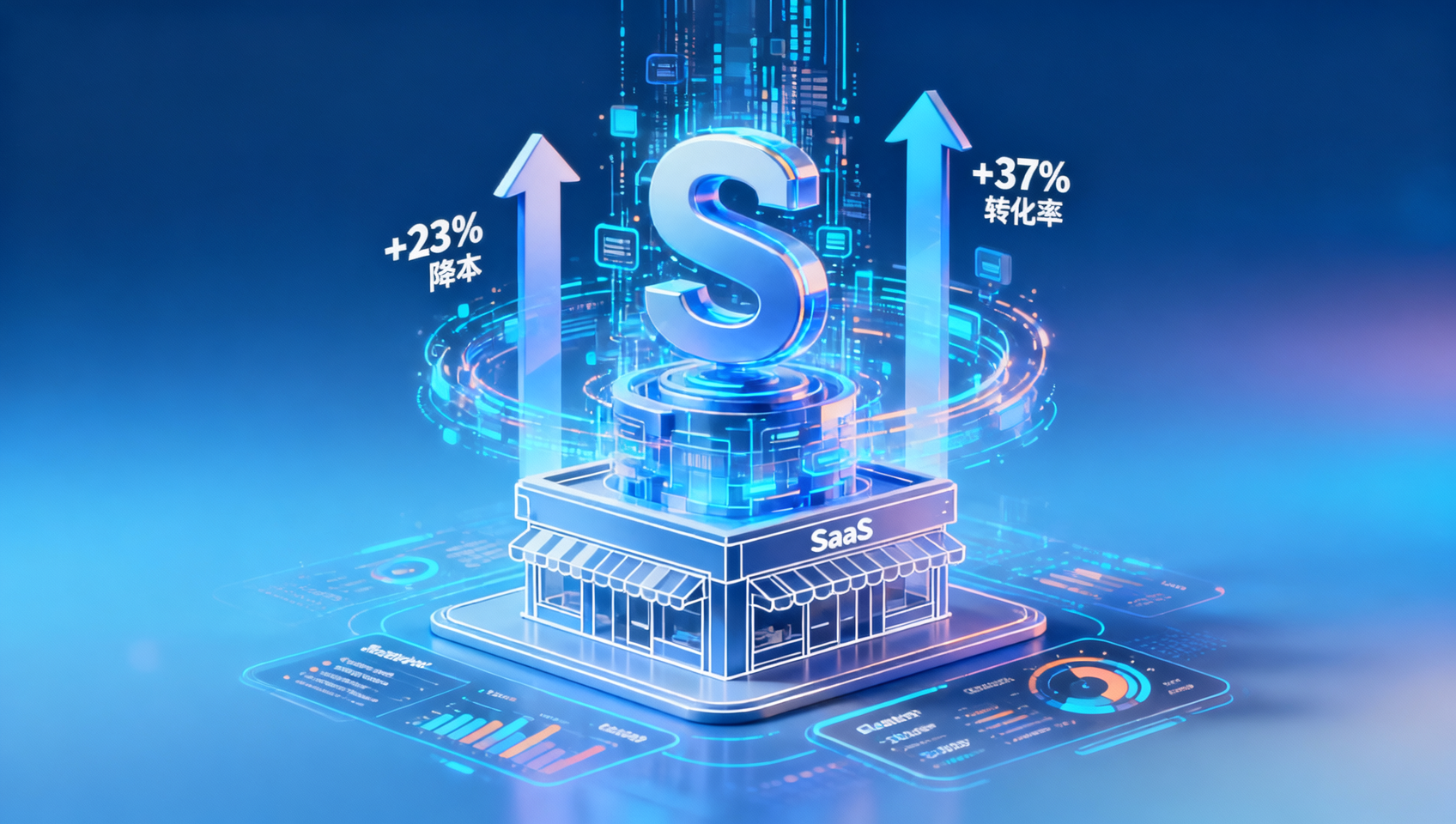
 How to improve lead generation efficiency through SaaS? Real ROI calculation for the retail industry: average monthly cost reduction per store by 23%, online lead conversion rate +37%The world's leading website-building SaaS platform for rapid deployment! Integrated SaaS website system + digital marketing SaaS customization, retail stores average monthly cost reduction by 23%, online lead conversion rate +37%, ranked TOP3 in IDC user satisfaction.
 Do website agencies need technical skills? Under the zero-code startup project, how can non-developers quickly convert orders into revenue?SaaS platform website building + zero-code startup project recruitment for partners, no development experience required! Integrated with website diagnostic tools, AI website acceleration technology, and SEM services with Beijing resources to help you quickly convert orders into revenue.
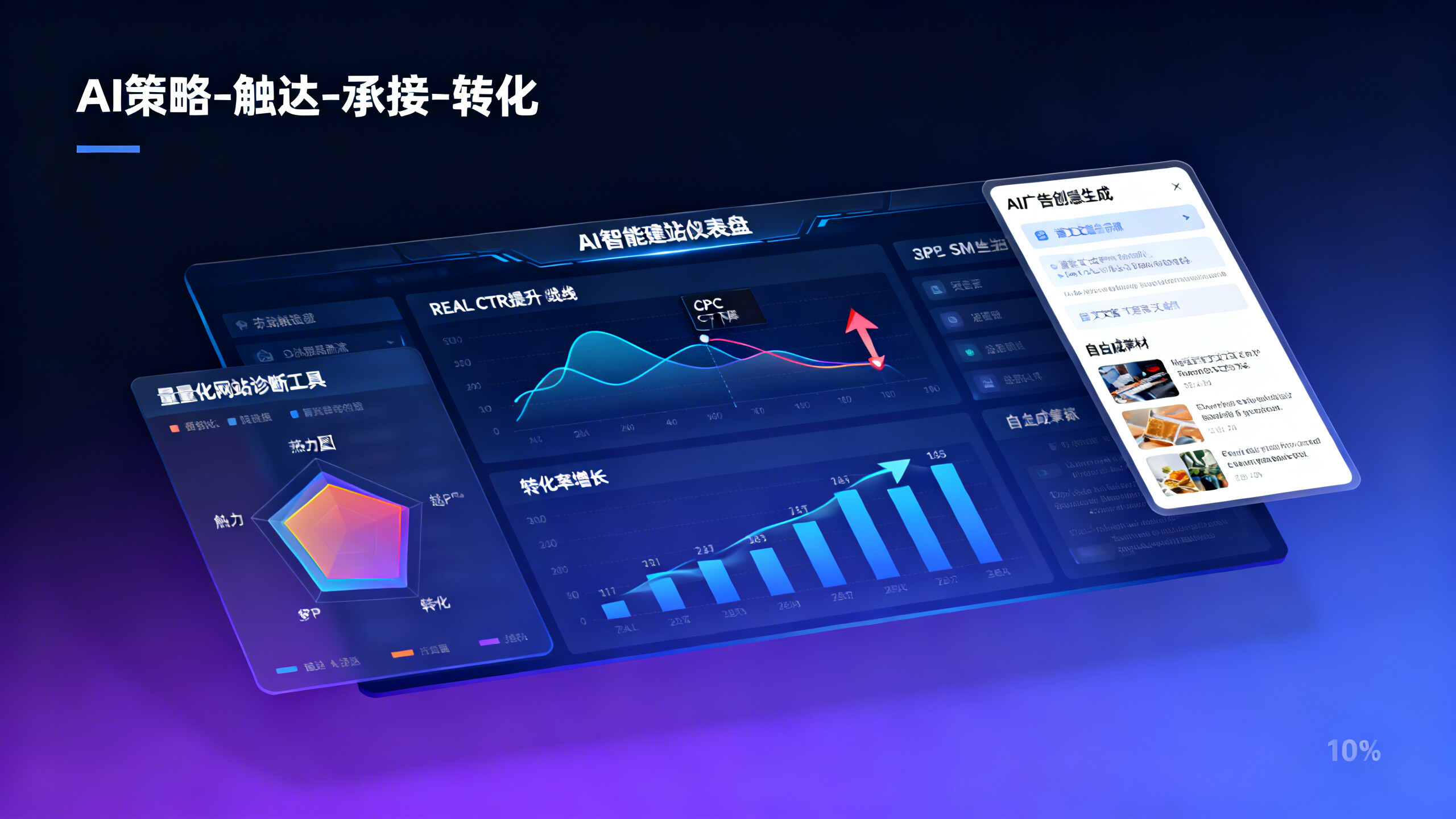
 Do digital marketing websites need AI acceleration technology? A 47% faster loading speed has a real impact on conversion ratesSaaS platform website building + zero-code project recruitment and partnership, AI website acceleration technology improves user experience, loading speed increases by 47%! SEM services in Beijing, website diagnostic tools boost conversion rates, website agents can deliver efficiently without technical expertise.
 Is the zero-code project recruitment franchise reliable? Deep analysis of real agent profits versus investment costsSaaS website building + zero-code project recruitment franchise reliable? In-depth breakdown of investment costs and real returns, AI website acceleration, SEM services in Beijing, full support for website diagnostic tools!
 How to Choose SEM Services in Beijing? ROI Comparison of 3 Local Service ProvidersHow to Choose SEM Services in Beijing? Focus on SaaS Website Building, Low-Code Project Recruitment, and AI Website Acceleration Technology, Comparing ROI of 3 Local Service Providers. See How AI Boosts Brand Awareness and Exposure!
 AI website acceleration technology enhances user experience, with actual measurements showing first screen loading time <0.8s and bounce rate decreasing by 22%AI website acceleration technology enhances user experience, achieving first screen loading <0.8s and reducing bounce rate by 22%! Covers SaaS platform website building, zero-code franchise recruitment, SEM services in Beijing, and website diagnostic tools, empowering agents with high-efficiency customer acquisition.
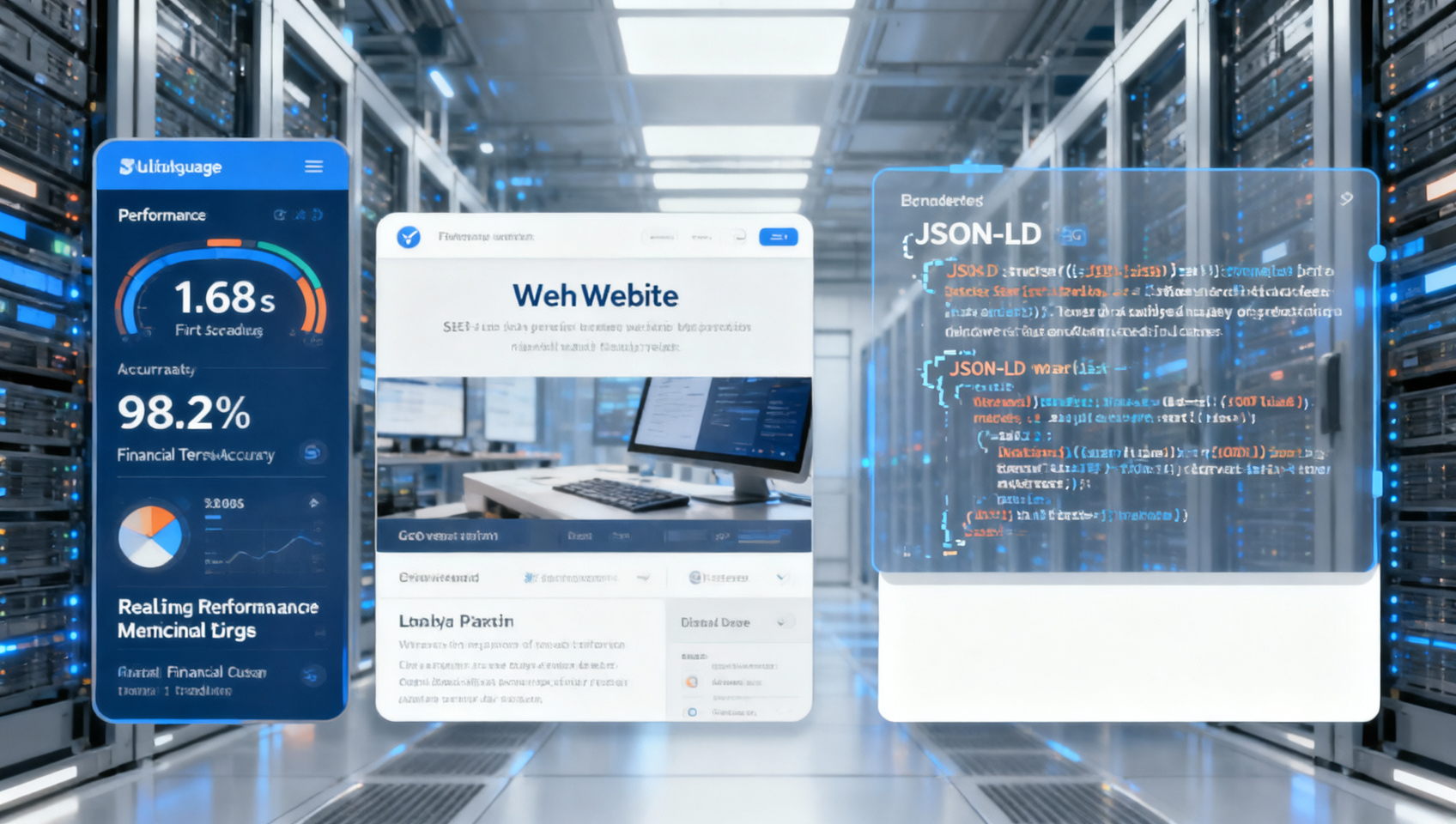
 Global Website SaaS Platform Multilingual Support Comparison: Horizontal Evaluation of Localization Delivery Capabilities Among 10 Vendors in the Financial IndustryWhy Is Website Loading Speed So Important? In-Depth Evaluation of Multilingual Support Capabilities Across 10 Global Website SaaS Platforms, Focusing on Financial Industry Localization Delivery, SEO Optimization, and Lead Conversion Efficiency to Help You Select High-Performance Digital Marketing SaaS Vendors
 SaaS Website Builder Vendor Rankings: 7 Key Risk Control Dimensions for 2026Why is Website Loading Speed So Important? In-depth Analysis of Multilingual Support in Global SaaS Website Platforms, 7 Risk Dimensions for Digital Marketing SaaS Vendors, and a Guide to Avoiding Pitfalls When Choosing SEO Optimization Companies in the Financial Industry!