
I. Definition of Website Agency Authority and Analysis of Modern Technology Requirements
1. Definition of Website Agency Authority
**Website agency**, also known as website construction service provider or digital marketing agent, refers to a commercial entity authorized by a certain brand (usually a SaaS platform or technology service provider) to utilize its provided technical tools, design templates, brand backing, and knowledge system to offer end clients comprehensive services such as website planning, design, setup, launch, SEO optimization, and post-launch maintenance. The essence of a website agency is **a provider of localized services and marketing solutions empowered by technology**.
2. Core Q&A: What Technology Does a Website Agency Actually Need?
In the website market of 2025, the answer to "Does a website agency need technology?" is: **Yes, but not traditional coding skills**. The technological requirements have undergone a structural shift:
- **Past (Traditional Development Model):** Required **hardcoding skills** like HTML/CSS, JavaScript, PHP/Python, with extremely high barriers and low delivery efficiency.
- **Present (SaaS-Empowered Model):** Requires **soft and business skills**, including:
- **SEO Optimization Skills:** Mastery of keyword research, content layout, Google Core Web Vitals (CWV) optimization, etc.
- **User Experience (UX/UI) Skills:** Ability to design high-conversion website structures and interfaces.
- **Client Consultation and Solution Skills:** Accurately understand client needs and leverage the headquarters system for rapid configuration and delivery.
- **Project Management and Delivery Skills:** Ensure timely and quality completion of multiple projects through streamlined processes.
Thus, the core competitiveness of modern website agencies lies in **"business capabilities"** and **"technology application skills"**, not **"technology development skills"**.
3. The 5 Core Value Chains of Website Agencies
II. The Evolution of Website Agency Models and the Transformation of "Technology"
The answer to "Does a website agency need technology?" has undergone three fundamental shifts as website technology has evolved:

1. Phase One: Manual Coding and High Technical Barriers (1995 - 2005)
Characteristics: Websites were primarily hand-coded in HTML and CSS. Technical Requirements: Agents had to be **professional programmers**, mastering 100% coding skills. Pain Points: Low delivery efficiency, projects took months, with high costs. Technology requirements were **"hard necessities"**.
2. Phase Two: CMS Popularization and Semi-Technical Barriers (2005 - 2015)
Milestones: Content Management Systems (CMS) like WordPress and Joomla became widespread. Technical Requirements: Agents no longer needed to code from scratch but still required skills in theme modification, plugin configuration, server deployment, and basic PHP knowledge. Technology shifted from **"writing"** to **"customization and maintenance"**. Requirements were **"semi-hard"**.
3. Phase Three: SaaS and AI-Empowered Zero-Code Era (2015 - Present)
Core Change: SaaS website platforms like Wix, Shopify, and Yi Ying Bao emerged, offering drag-and-drop operations and AI content generation. Technical Requirements: **Coding skills nearly dropped to 0**. Headquarters 100% responsible for underlying technology, security maintenance, and algorithm updates. Agent requirements shifted to **"application"** and **"strategy"**, i.e., how to use platform tools to achieve client business goals. Technology requirements became **"business strategy and application skills"**.
III. The Technological Principles of Website Agencies: 5 Core Empowerment Mechanisms of SaaS Platforms
Modern website agencies achieve "low technical barriers and high-efficiency delivery" through five core technological systems provided by headquarters, which bear all technical risks and R&D costs.
1. Core Technology System Empowerment (SaaS & Stability)
Principle: Complex code, server deployment, and security maintenance are 100% centralized and automated. Agents only need to configure on the platform. Effect: Ensures 24/7 high-speed website operation. **Agents need not worry about underlying technical failures or hacker attacks**.
2. International SEO/CWV Optimization Empowerment (Algorithm Compliance)
Principle: Website templates and system architecture are 100% designed according to Google Core Web Vitals (CWV) and SEO best practices. Effect: **Websites are inherently SEO-friendly**. Agents focus on content and keywords, avoiding complex code optimization.
3. AI-Driven Design and Content Empowerment (Efficiency & Scalability)
Principle: AI tools assist in layout design, draft content generation, and image optimization. Effect: **Significantly shortens design cycles**. Projects complete in 7 days instead of 30, **boosting agent business volume and profit margins**.
4. Centralized Knowledge Base and Training Empowerment (Skill Transfer)
Principle: Success experiences from experts, latest marketing strategies, and common solutions are 100% integrated into a centralized knowledge base and delivered via systematic training. Effect: **Agents with zero foundation become qualified website consultants in 90 days**, solving talent cultivation challenges.
5. Continuous R&D and Iteration Empowerment (Future Proofing)
Principle: Headquarters continuously invests in R&D to ensure system functionality, security, and algorithm compatibility upgrades. Effect: **Agent projects remain at the industry's technological forefront**, avoiding market obsolescence due to outdated technology and ensuring long-term profitability.
IV. 5 Core Features and Strategic Advantages of Modern Website Agencies
Understanding the features of modern website agency models is key to answering "Does a website agency need technology?" Core lies in headquarters' technological empowerment, granting agents strategic advantages surpassing traditional website companies.
1. Standardized and High-Efficiency Delivery Processes
Feature: All projects follow standardized processes and templates based on headquarters' SaaS platform. Advantage: **Delivery time shortened by 70%**, with highly controllable quality. **One agent can manage 10+ projects simultaneously**, freeing profit potential.
2. Marginal Costs Approaching Zero
Feature: Agents need not invest in servers, purchase development software, or hire technical staff. Advantage: **Extremely low operational costs**, yielding far higher net profit margins than traditional website companies.
3. Rapid Response to Google Algorithm Updates
Feature: Upon Google or major search engine algorithm updates (e.g., CWV), headquarters immediately optimizes the system's underlying architecture. Advantage: **Agents need not worry about technical risks**, ensuring stable project rankings and high client satisfaction.
4. Focus on Localized Services and Network Advantages
Feature: Agents can dedicate 100% effort to local client consultation, relationship maintenance, and marketing planning. Advantage: **Leverages local networks and resources** to offer more personalized services, building stable local client bases.
5. Dual Backing of Brand and Technology
Feature: Agents share the headquarters' brand authority and technical strength. Advantage: **Extremely high client trust** during sales, significantly reducing contract difficulties and avoiding the lengthy process of building credibility from scratch.
V. In-Depth Applications and 4 Profit Models of Website Agencies
Website agency models have expanded from simple corporate websites to complex e-commerce, foreign trade, and SaaS services, with increasingly diversified profit models.

1. Application Scenario: Foreign Trade and E-Commerce Websites
Technical Implementation: Agents use headquarters-provided multilingual systems, international SEO tools, and payment interfaces to quickly build high-conversion websites aligned with overseas user habits. Key agent skills: **Familiarity with target market user behavior and compliance requirements**.
2. Application Scenario: Local Services and O2O Platforms
Technical Implementation: Agents leverage headquarters-provided CRM, booking systems, and membership modules to build platforms for local life services and educational institutions. Key agent skills: **Integration of local resources and business process design**.
3. Profit Model One: Project Delivery Profits
Earnings from fast, standardized website deliveries, including design and implementation fees. Due to minimal technical costs, **project profit margins often exceed 60%**.
4. Profit Model Two: SaaS System and Maintenance Fees
Annual system usage, server, and technical maintenance fees from clients, ensuring **stable, recurring revenue shares** and building cash flow moats.
5. Profit Model Three: Value-Added Services and Promotional Operations
Leveraging SEO expertise to offer high-ticket services like keyword ranking optimization, content marketing, and Google Ads management.
6. Profit Model Four: Talent and Knowledge Monetization
Through headquarters authorization, agents conduct local website and marketing training, transforming **business strategies and application skills** into training revenue.
VI. Yi Ying Bao: 0 Technical Barriers, 100% Empowerment to Become a Website Agency Expert!
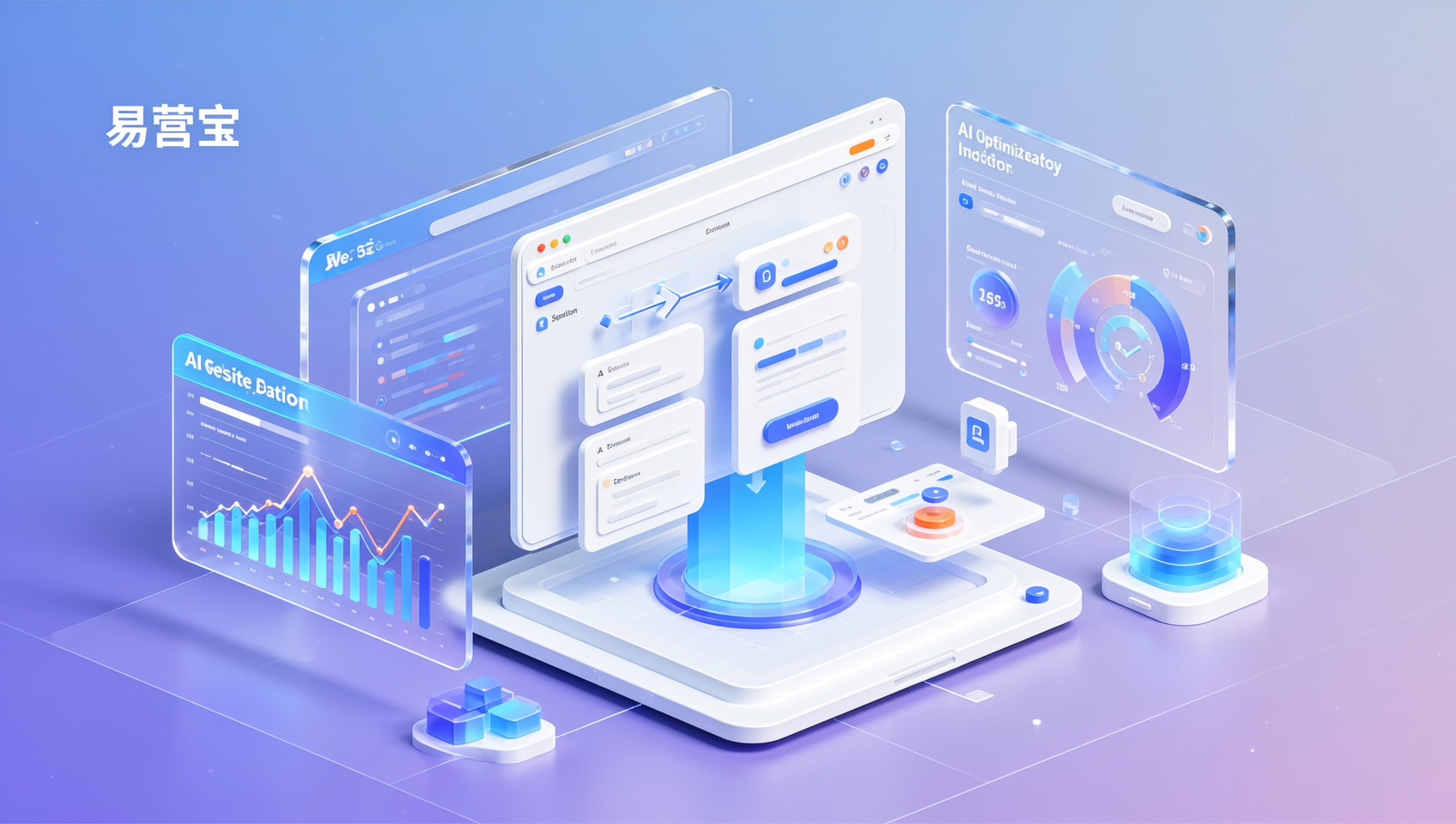
Yi Ying Bao's website agency solution **completely resolves the question of "Does a website agency need technology?"** We provide **an AI-driven SaaS website system, full-set SEO optimization tools, and 1-on-1 expert training**, reducing your technical barriers to 0. You only need to focus on the most important clients and markets. **Our success model has been 100% validated in 300+ cities**.
Get Yi Ying Bao's 0-Code Website Agency High ROI Package Now!FAQ
1. Can I become a website agent if I know nothing about coding?
Answer: Absolutely. Modern SaaS website platforms like Yi Ying Bao offer 0-code, drag-and-drop systems. Headquarters 100% handles underlying coding, server maintenance, and security updates. You only need to learn how to **apply** platform tools, conduct **marketing planning**, and **communicate with clients**, not write code.
2. Do agents need to purchase servers or domains themselves?
Answer: Top-tier SaaS website agency headquarters provide unified servers and systems. Agents typically only assist clients in purchasing domains. Server maintenance, security, and speed optimization are entirely managed by headquarters, **significantly reducing agents' technical and operational costs**.
3. Where do website agency profits mainly come from?
Answer: Profits primarily come from four areas: project delivery service fees (initial website setup), SaaS system annual fee shares (recurring income), website maintenance fees, and high-value-added services like SEO and ad operations. Among these, **SaaS recurring fee shares** are the core for ensuring agents' long-term stable cash flow.
4. What level of technical training can headquarters provide after becoming an agent?
Answer: Professional headquarters offer systematic,实战-oriented training aimed at mastering **SEO optimization strategies, high-conversion website design principles, and efficient client consultation techniques**. Post-training, you'll be equipped to provide clients with professional digital marketing solutions, not just basic website operations.

Customer Reviews
Mr. Wang, a website agent transitioning from the IT industry
"I used to work in IT sales and knew nothing about coding, but I had extensive market resources. The question **'Do website agents need technical skills?'** troubled me for a long time. After joining EasyProfit, all my doubts were completely dispelled. **The headquarters' SaaS system allows me to operate with zero coding**, and 100% of technical issues are handled by them. Now, I can focus all my energy on acquiring clients and closing deals. In the first month alone, I signed 3 orders, **fully recouping costs within 90 days**. The profit model is far more efficient than my previous IT sales job!"
Ms. Zhao, former project manager at a network company (now a core partner at EasyProfit)
"As a project manager, my biggest pain points were managing technical teams and low delivery efficiency. After becoming a website agent with EasyProfit, I realized **technology is no longer a bottleneck but an enabler**. The headquarters' system comes with built-in CWV optimization and SEO architecture, **reducing delivery cycles from 20 days to just 5 days**. I no longer need to worry about technical details—I just leverage my connections and project management skills. My net profit margin has doubled, **truly achieving asset-light, high-efficiency operations**."
 Seven Essential Technical Licensing Clauses to Include in Exclusive Agency Contracts for Foreign Trade WebsitesMust-Read for AI+SEM Smart Advertising Marketing System Providers! Exclusive Agency Contracts for Foreign Trade Websites Must Clearly Specify 7 Technical Licensing Clauses. Covering core pain points like global CDN acceleration implementation and website agency technical requirements solutions, ensuring agency rights and operational effectiveness.
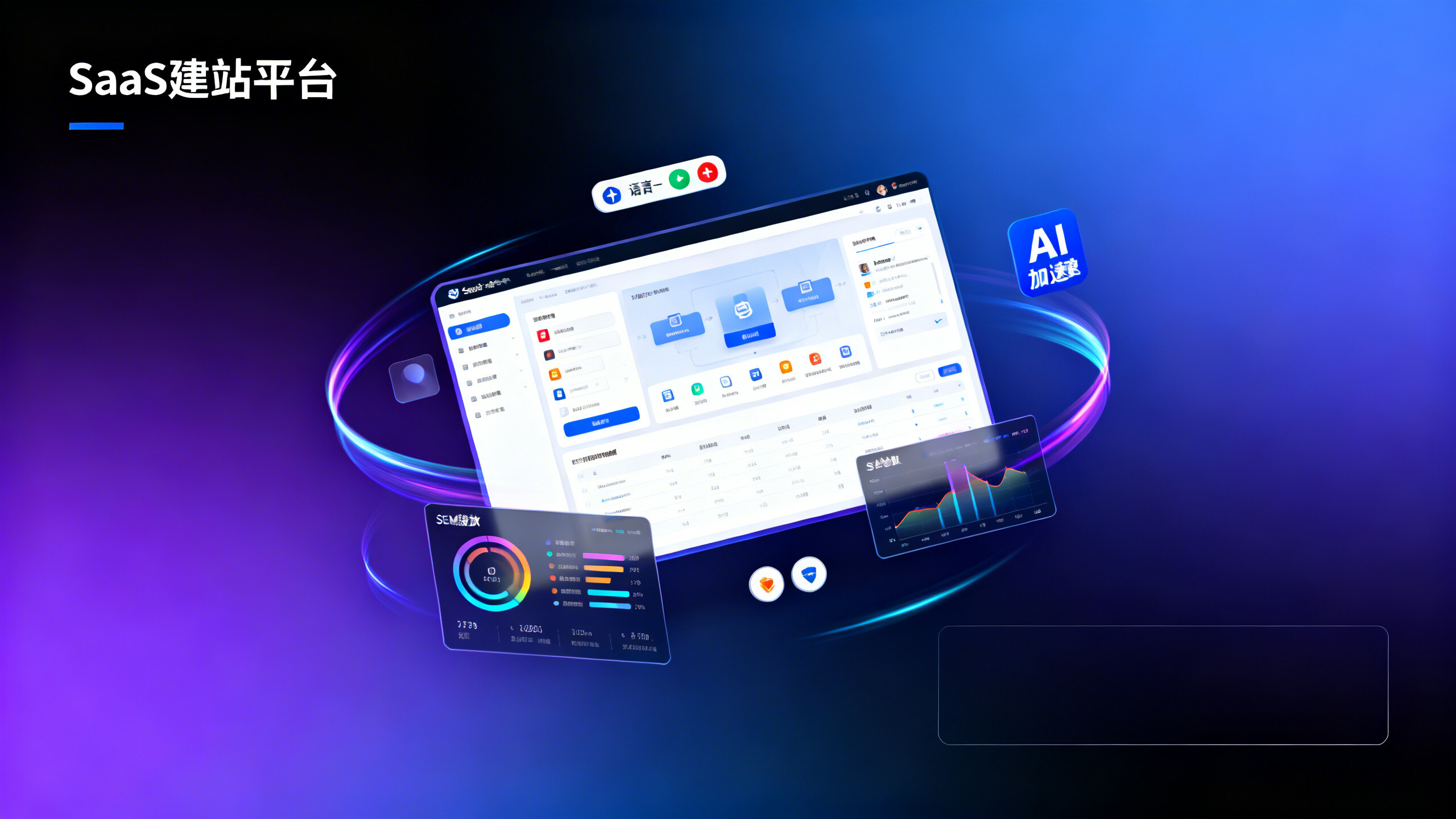
 Do website agencies need technical skills? Under the zero-code startup project, how can non-developers quickly convert orders into revenue?SaaS platform website building + zero-code startup project recruitment for partners, no development experience required! Integrated with website diagnostic tools, AI website acceleration technology, and SEM services with Beijing resources to help you quickly convert orders into revenue.
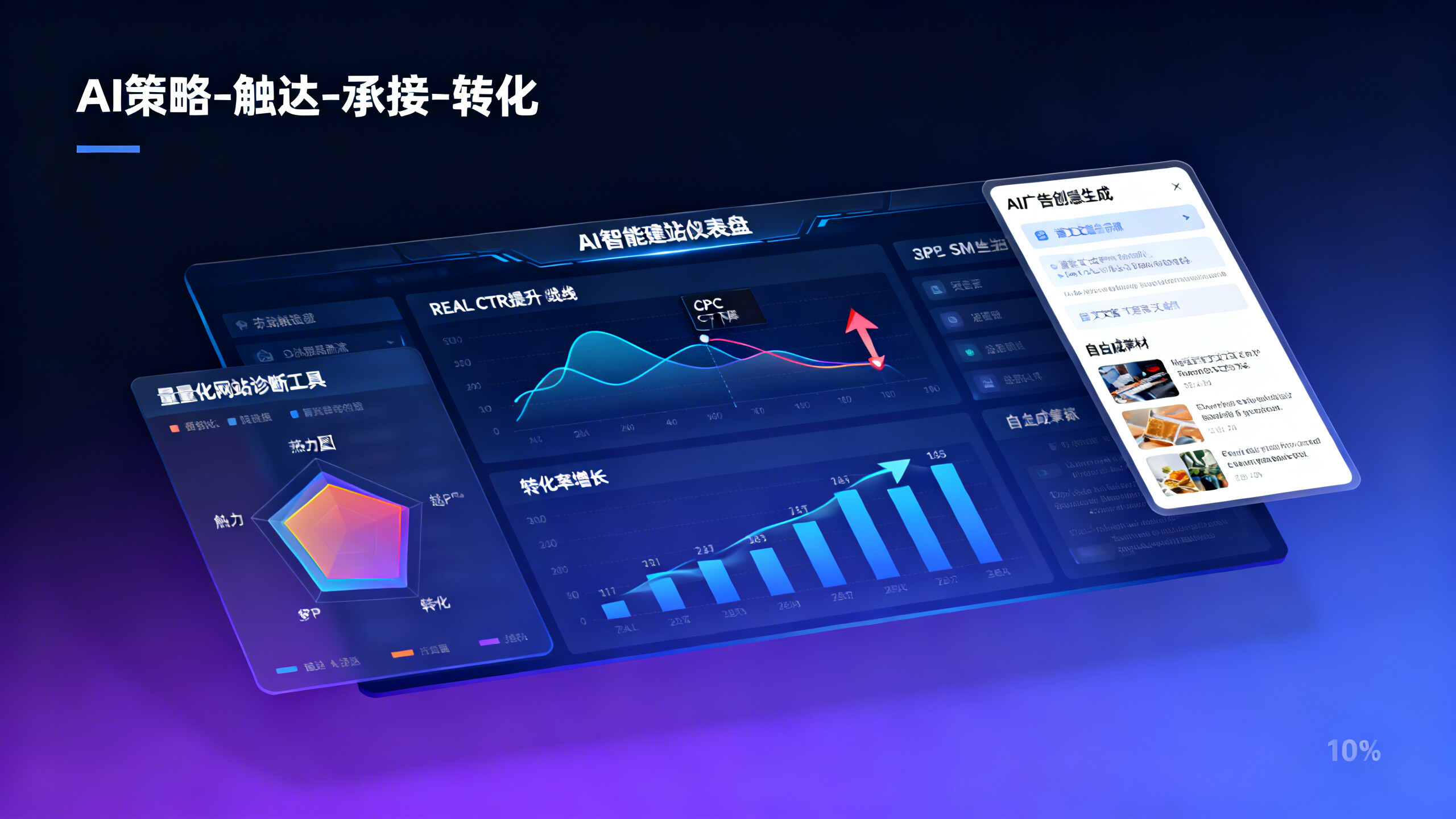
 Do digital marketing websites need AI acceleration technology? A 47% faster loading speed has a real impact on conversion ratesSaaS platform website building + zero-code project recruitment and partnership, AI website acceleration technology improves user experience, loading speed increases by 47%! SEM services in Beijing, website diagnostic tools boost conversion rates, website agents can deliver efficiently without technical expertise.
 Is the zero-code project recruitment franchise reliable? Deep analysis of real agent profits versus investment costsSaaS website building + zero-code project recruitment franchise reliable? In-depth breakdown of investment costs and real returns, AI website acceleration, SEM services in Beijing, full support for website diagnostic tools!
 How to Choose SEM Services in Beijing? ROI Comparison of 3 Local Service ProvidersHow to Choose SEM Services in Beijing? Focus on SaaS Website Building, Low-Code Project Recruitment, and AI Website Acceleration Technology, Comparing ROI of 3 Local Service Providers. See How AI Boosts Brand Awareness and Exposure!
 AI website acceleration technology enhances user experience, with actual measurements showing first screen loading time <0.8s and bounce rate decreasing by 22%AI website acceleration technology enhances user experience, achieving first screen loading <0.8s and reducing bounce rate by 22%! Covers SaaS platform website building, zero-code franchise recruitment, SEM services in Beijing, and website diagnostic tools, empowering agents with high-efficiency customer acquisition.
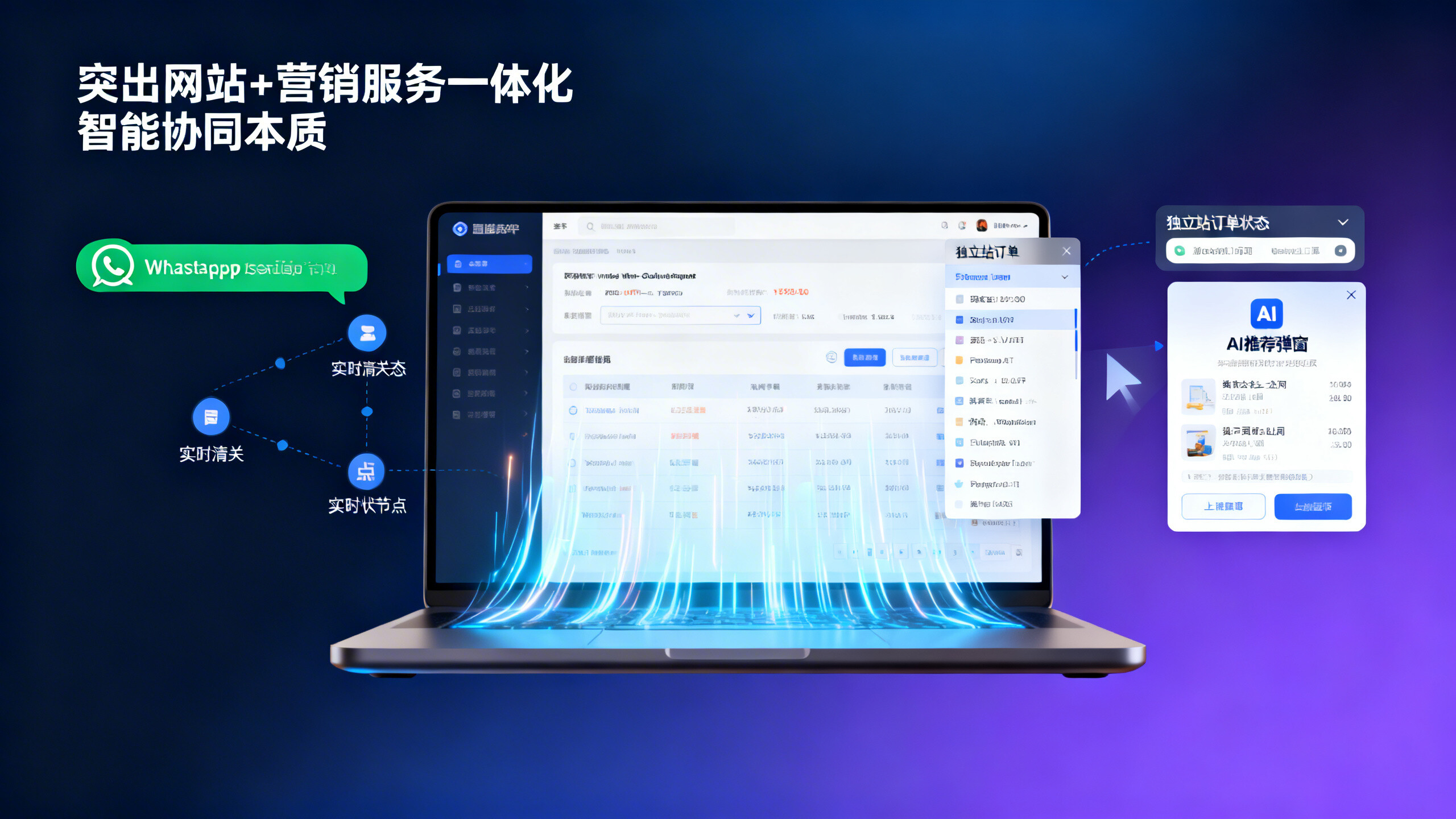
 SaaS Marketing Platform Application Scenario Upgrade: New Features for 2026 Include WhatsApp Automation and Customs Clearance Status SynchronizationYingyingbao, the AI+SEM advertising intelligent investment marketing system provider, has upgraded its SaaS marketing platform application scenarios: Newly added WhatsApp automated outreach and customs clearance status synchronization empower no-code startup projects, B2B e-commerce website building, and global traffic ecosystem implementation.
 Global Traffic Ecosystem Provider Onboarding Guide: A 5-Step Configuration Method for Cross-Channel Attribution from Google Ads to TikTok ShopGlobal Traffic Ecosystem Provider YingYingBao Launches AI+SEM Smart Advertising Marketing System Achieve Cross-Platform Attribution from Google Ads to TikTok Shop in 5 Steps! Covering Zero-Code Entrepreneurship, E-commerce Website Building, and CDN Acceleration Across All Scenarios. Click to Get the Integration Guide.