I. The Authoritative Definition and Core Value of AI+SEM Intelligent Advertising Marketing System
1. The authoritative definition of AI+SEM intelligent advertising and marketing system
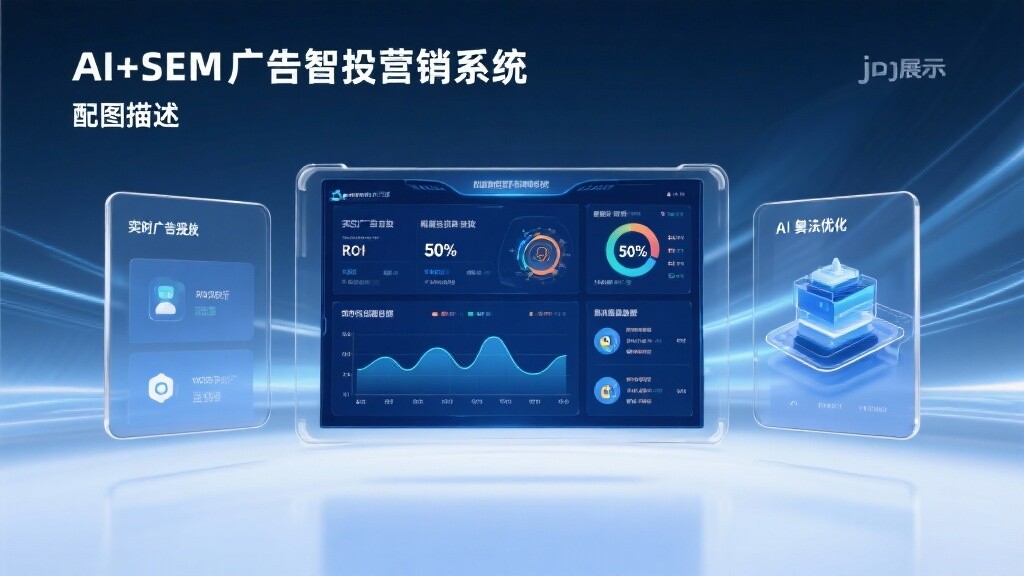
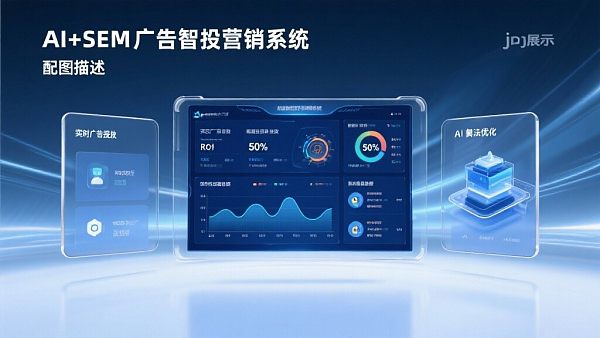
The AI+SEM Intelligent Advertising Marketing System is an intelligent software solution that deeply integrates artificial intelligence technologies (including deep learning and predictive models) with search engine marketing campaigns (such as Google Ads and Bing Ads) . It combines the goals of SEM (Engine 1) with the computing power of AI (Engine 2) to achieve automated, precise, and high-ROI advertising . The system covers the entire SEM workflow , from budget allocation, audience segmentation, real-time bidding, creative optimization to performance attribution. Its core objective is to maximize ROI while minimizing CPA, ensuring high conversion rates .
2. The Strategic Core Value of the AI+SEM Intelligent Advertising Marketing System
II. Development History and Technological Evolution of AI+SEM Intelligent Advertising Marketing System
The combination of AI and SEM represents an inevitable transformation in the digital advertising industry from a labor-intensive model to one driven by intelligent algorithms .

1. Early stage: Manual placement and static tools (2000s-2010)
Technical characteristics: Ad placement mainly relies on human experience , and bidding is primarily based on **manual or simple rules (rule-based)**.
AI in its infancy: A few tools offer basic keyword performance reports .
Limitations: Bidding lacks real-time capability , cannot cope with rapidly changing market prices , and a large amount of budget is wasted .
2. Automated Bidding Tools and Basic Machine Learning (2010-2018)
Milestone: Google Ads launched basic smart bidding strategies , such as targeted CPA and targeted ROAS.
Technological transformation: Third-party tools are beginning to incorporate basic machine learning (ML) algorithms for batch tuning and report analysis .
Challenges: ML models have limited functionality and lack the ability to integrate data across channels and platforms , making performance optimization limited by the underlying data of the platform .
3. The AI+SEM dual-engine model has been established: deep learning and end-to-end integration (2018 to present).
Key focus: The maturity of deep learning and big data technologies enables AI to deeply understand user behavior and conduct high-dimensional real-time bidding .
Model deepening:
Dual-engine architecture: SEM target engine defines conversion (CPA/ROAS), and AI computing power engine efficiently executes bidding and optimization.
End-to-end automation: Achieving closed-loop automation from budget allocation to bidding, creative optimization, and conversion attribution .
Predictive bidding: The system begins to have the ability to predict the conversion probability of a certain click , realizing **"paying high prices only for high-value clicks"**.
Trend: The AI+SEM dual-engine is becoming a core competitive advantage for top digital marketing agencies and large enterprises to achieve high ROI and predictable growth .
III. The Technical Principles of the AI+SEM Intelligent Advertising Marketing System: Driven by Three Core Technologies
The power of the AI+SEM dual-engine system lies in the deep integration of its data, algorithms, and architecture , which can surpass the platform's built-in intelligent bidding tools.
1. Deep Learning-Driven Real-Time Bidding Model
Principle: By using a multi-layer neural network model to analyze massive amounts of high-dimensional data , the value of each click (conversion probability and LTV) is predicted , enabling millisecond-level real-time bidding decisions .
Core technologies:
High-dimensional feature engineering: The model considers hundreds of real-time variables such as user geolocation, time, device, historical behavior, search keywords, landing page quality score, and competitor bids .
Predictive bidding (PPC Prediction): The system predicts the probability of a specific ad placement converting to a specific user at the current moment and dynamically calculates the optimal bid based on the target CPA/ROAS .
Attribution model optimization: AI not only focuses on the final conversion, but also analyzes the user's complete conversion path , assigning credit to the clicks that truly drive the conversion , and guiding more scientific bidding.
2. Cross-platform data integration and dynamic budget allocation architecture
Principle: The system seamlessly integrates data from multiple platforms such as Google Ads, Meta Ads, and GA4 through API interfaces , achieving a unified data hub and budget decision-making .
Core technologies:
Unified Data Lake: Aggregates cost, click, and conversion data from all platforms, eliminating data silos and ensuring a unified ROI measurement standard .
Dynamic Budget Engine: AI monitors conversion performance across different platforms in real time and automatically adjusts budget allocation . For example, when Google Shopping's ROAS is found to be better than Google Search, the system automatically shifts some budget from Search to Shopping .
Audience Insight and Synchronization: After AI discovers high-value audience groups , it automatically synchronizes audience tags to different advertising platforms for precise remarketing.
3. Generative AI-driven creative optimization and testing
Principle: Utilizes AI algorithms to automate the generation, testing, and optimization of advertising copy, headlines, and descriptions , ensuring the highest quality advertising creative. 100% match to the user's search intent**.
Core technologies:
Copy generation and iteration: AI generates high-click-through-rate ad copy variations in batches based on high-conversion keywords and user profiles , and conducts A/B testing in real time.
Creative optimization suggestions: AI analyzes the click-through and conversion effects of different creatives , providing suggestions on image/video optimization directions and sizes to improve ad quality scores.
Landing Page Diagnostics: AI diagnoses conversion funnel flaws in ad landing pages , providing optimization suggestions to ensure ad traffic is not wasted.
IV. Core Features and Strategic Advantages of the AI+SEM Intelligent Advertising Marketing System
1. Bidding accuracy and efficiency surpassing manual methods
Features: AI is able toIt can process hundreds of data points within milliseconds , while a human can only process a limited number of data points. 5 to 10 .
Advantages: Achieve conversion rates while maintaining a constant CPA. increase , or a significant decrease in CPA while maintaining the same conversion rate .
2. True cross-platform, end-to-end unified management
Features: One system manages Google Ads and other major advertising platforms simultaneously , enabling unified budget decisions.
Advantages: Eliminates cross-platform data discrepancies and budget decision blind spots , achieving globally optimal budget allocation .
3. Sustainable self-learning and iterative results
Features: The system continuously learns new conversion data and user behavior , and the bidding model becomes more and more accurate over time .
Advantages: The advertising effect will not stagnate with market competition , but will be continuously optimized and enhanced , providing enterprises with a lasting competitive advantage .
4. Transparent budget and controllable risks
Features: The system provides transparent reports that clearly demonstrate the AI decision-making logic and budget allocation .
Advantages: Businesses have greater control over their advertising spending , and the AI risk warning mechanism can prevent major budget mistakes in advance.
V. In-depth Application and Practical Scenarios of AI+SEM Intelligent Advertising Marketing System
1. Maximizing ROAS in foreign trade/cross-border e-commerce
Application: Suitable for cross-border e-commerce businesses with a large number of SKUs and global market deployment needs .
Practical Application: AI analyzes the profit margins and conversion funnels of different products in real time , automatically adjusting the ROAS target for Google Shopping . The system ensures that high-profit products receive higher bidding weights , maximizing the overall return on advertising investment (ROAS) .
2. Lead quality optimization for B2B enterprises
Application: Suitable for B2B industries with high average order value and long decision-making cycles , focusing on SQL (Sales Qualified Leads) rather than MQL (Market Qualified Leads) .
Practical Application: The AI model is deeply integrated with CRM data , learning from historical SQL queries and the characteristics of transacting customers . The system adjusts its bidding objective from "reducing the CPA of MQLs" to "reducing the CPA of SQL queries," only bidding higher prices for high-value, high-intent B2B searches .
3. Precise optimization of localized and regionalized deployment
Application: Suitable for businesses serving regional clients or those requiring A/B testing in different cities .
Practical Application: AI analyzes conversion performance in different cities and time periods in real time , automatically adjusting regional and time-based bid coefficients . The system ensures optimal ad exposure during high-conversion time windows and in high-value geographic areas .
4. Budget grabbing for seasonal and promotional activities
Application: Suitable for businesses with obvious promotional periods and peak traffic periods (such as Black Friday, large-scale exhibitions).
In practice: The AI prediction model automatically warms up and allocates budgets before the campaign starts , and automatically increases bids and budget caps during peak conversion periods to ensure the highest conversion share is captured when competition is fiercest .
VI. YiYingBao: The Core Driver of AI+SEM Intelligent Advertising System
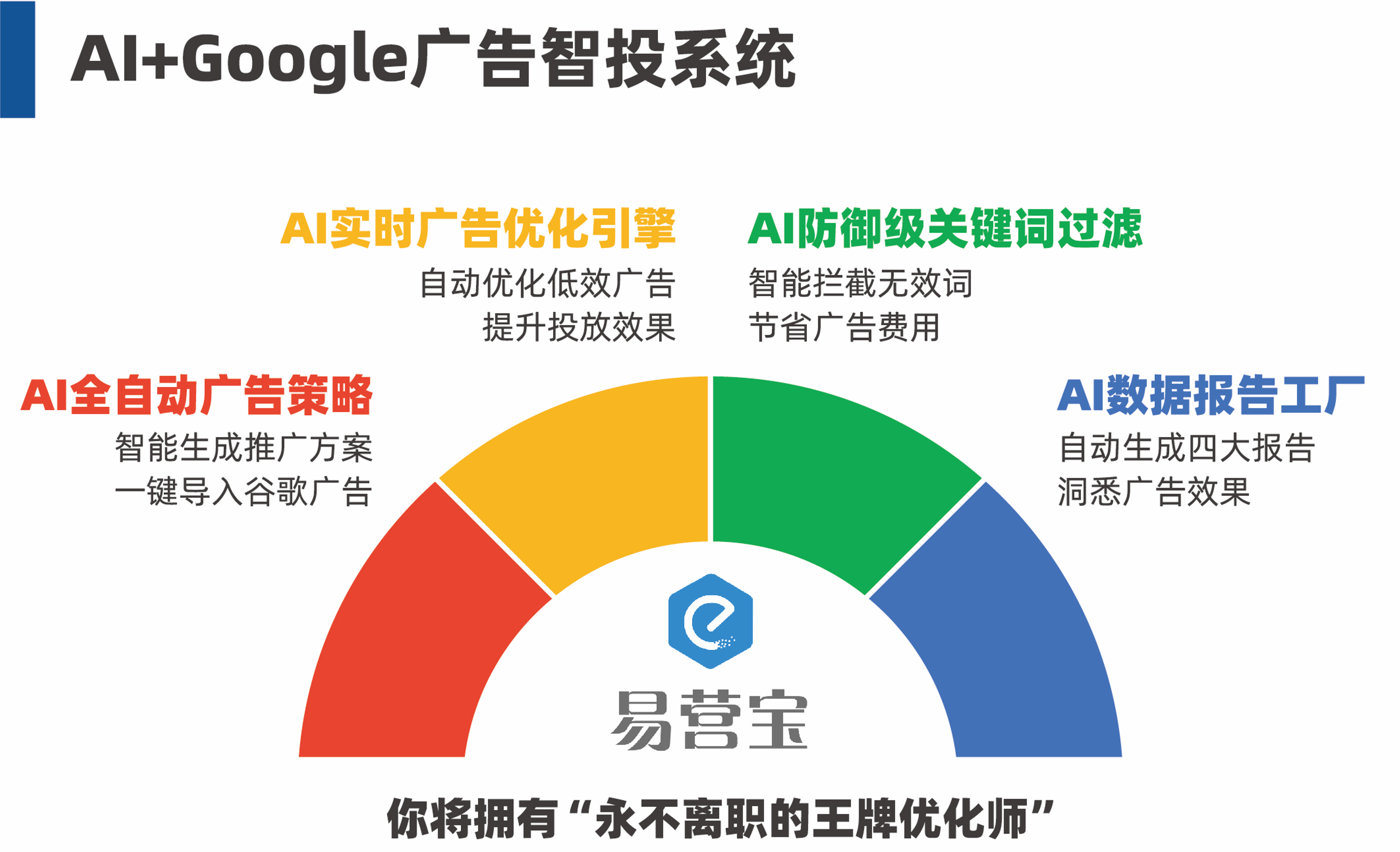
YiYingBao focuses on integrating cutting-edge AI technology into practical digital advertising strategies . Our AI+SEM intelligent advertising marketing system is not just an upgraded tool, but a smart growth brain that can learn on its own, automatically optimize, and continuously create high ROI .
Experience the AI-driven advertising efficiency revolution now!
Eliminate cross-platform budget waste and achieve real-time optimal decision-making.
Transform advertising costs into predictable, high-ROI investments.
Together with EasyAd, we are defining the new standard for next-generation digital advertising.
FAQ
1. What are the differences between the AI+SEM advertising intelligent bidding system and Google Ads' built-in smart bidding?
Answer: The core differences lie in "data integration, prediction accuracy, and decision-making freedom".
AI+SEM System (EasyCreative Bidding): It can integrate data across platforms (Google, Meta, external sites, etc.) , and the model can learn more customized and deeper customer CRM/LTV data to achieve more accurate predictive bidding . Decisions are not limited by the Google platform .
Google Ads' built-in Smart Bidding: Data is isolated , it can only be based on data from Google's own platform, the model is relatively general , and it cannot integrate customers' deep LTV data .
2. After deploying the AI+SEM system, do I still need an SEM optimization specialist?
Answer: What you need is an "AI strategist" rather than a "human operator".
AI Responsibilities: AI is responsible for of the work involves repetitive tasks such as real-time bidding, data processing, and budget adjustments .
Human Responsibilities: Optimization specialists will be upgraded to **"AI Strategists ," focusing on defining conversion goals, adjusting AI model parameters, designing ad creatives, optimizing landing pages , and cross-departmental collaboration.** Efficiency and strategic value will be significantly improved .
3. How does the AI system handle the optimization of advertising creatives (copy and images)?
Answer: Achieve this through generative AI and automated A/B testing.
Creative Generation: AI generates efficient ad copy and headline combinations in batches based on high-converting keywords and user profiles .
Real-time testing: The system automatically deploys these creative combinations and monitors their CTR, conversion rate, and quality score in real time .
Intelligent optimization: AI automatically disables underperforming creatives and focuses the budget on the best-performing creative mix , continuously iterating on the optimal creatives .
4. To what extent can the ROI of advertising be improved?
Answer: Specific ROI improvements depend on the industry and data foundation, but are generally achievable. toSignificant optimization of .
Scientific basis: AI's real-time bidding capability can effectively eliminate the premiums and lags in manual bidding .
Actual results: Many clients have seen a reduction in CPA after deploying AI systems, while maintaining the same conversion rate. ; or, with CPA remaining stable, the conversion rate increased. , resulting in a significant improvement in overall ROI .

Customer Reviews
Mr. Ma, Marketing Director of a global B2B industrial technology company
"Previously, our Google Ads account optimization relied entirely on manual processes, resulting in highly volatile performance and significant budget waste. After introducing EasyAd's AI+SEM ad delivery system , we achieved true cross-platform budget allocation optimization for the first time . AI dynamically shifts the budget from inefficient display ads to high-converting search ads in real time , improving the CPA of B2B leads."Reduced within months . This system is not just a tool, but also our core weapon for achieving precise customer acquisition in the global market , resulting in predictable and continuous growth in advertising ROI .
Ms. Yi, CEO of a large DTC cross-border e-commerce company
"In the fiercely competitive cross-border e-commerce sector, millisecond-level bidding is crucial. E-Creative's AI+SEM system 's deep learning bidding model has completely transformed our advertising performance. The system can predict user LTV in real time , bidding high only on clicks with the highest purchase potential , maximizing ROAS . Simultaneously, AI-generated ad copy has significantly improved our click-through rate. Our overall advertising spending remained the same, but our sales increased." , which demonstrates the significant advantages of AI in digital advertising .
 Quick SEO Optimization: A Guide to Traffic Surge for Foreign Trade Independent WebsitesThis article details key steps for SEO optimization of foreign trade independent websites, including keyword research, technical optimization, content strategy, and link building, helping businesses quickly improve their website's ranking and traffic on overseas search engines.
 Which Shenzhen SEO optimization software is the best? The latest 2023 evaluation is out!This article presents the authoritative 2023 evaluation report on SEO optimization software in Shenzhen and Guangdong, covering technical performance comparisons, procurement decision guides, typical client cases, and industry trend forecasts. It provides customized recommendations specifically tailored to the independent website construction needs of foreign trade enterprises.
 Hangzhou Foreign Trade Independent Website Setup Strategies – Doubling Traffic Is No Problem!Complete guide on building independent websites for foreign trade enterprises covering technical selection, SEO optimization and multilingual adaptation, validated with industry cases and data.
 AI+SEM Advertising Intelligent Marketing System: How to Reduce Advertising Costs?Easypackage AI+SEM Advertising Intelligent Marketing System uses intelligent algorithms to analyze advertising data, optimize placement strategies, reduce enterprise advertising costs by over 30%, increase conversion rates by up to 200%, and help businesses achieve high-efficiency digital marketing.
 SEO Optimization Case Study: How a Brand Achieved 500% Growth in Organic TrafficThis article provides a detailed analysis of how a home furnishings brand achieved exponential traffic growth through an AI-driven SEO optimization system. It covers the technical framework, execution strategies, and quantifiable data results, offering practical insights for B2B enterprises.
 Google Ads Techniques for B2B Export BeginnersThis article provides a comprehensive guide for B2B export beginners on how to achieve precise lead generation through Google Ads, including website builder recommendations, multilingual website tutorials, SEO optimization techniques, and leveraging the advantages of AI+SEM smart marketing systems to offer businesses a one-stop solution.
 AI+SEO Dual Engine Optimization System: How to Skyrocket Your Website Rankings?This article provides a comprehensive analysis of the core value of AI+SEO dual engine optimization systems, covering technical principles to practical applications. Leveraging the functional advantages of EasyTreasure intelligent marketing platform, it offers actionable solutions for enterprise decision-makers.
 Beijing SEO Optimization Software: How Localization Services Fuel Business ExpansionThis article offers a comprehensive guide on how Beijing SEO optimization software accelerates business growth through localization services, highlighting the core functionalities and benefits of EasyYunbao's AI-powered website builder and AI+SEM intelligent advertising system to deliver all-inclusive digital marketing solutions for executives.




 Facebook Advertising PromotionEasy Operation Treasure provides professional Facebook advertising promotion services, including precise ad placement, fan page operation, and comprehensive marketing solutions, helping businesses enhance brand exposure and conversion rates.
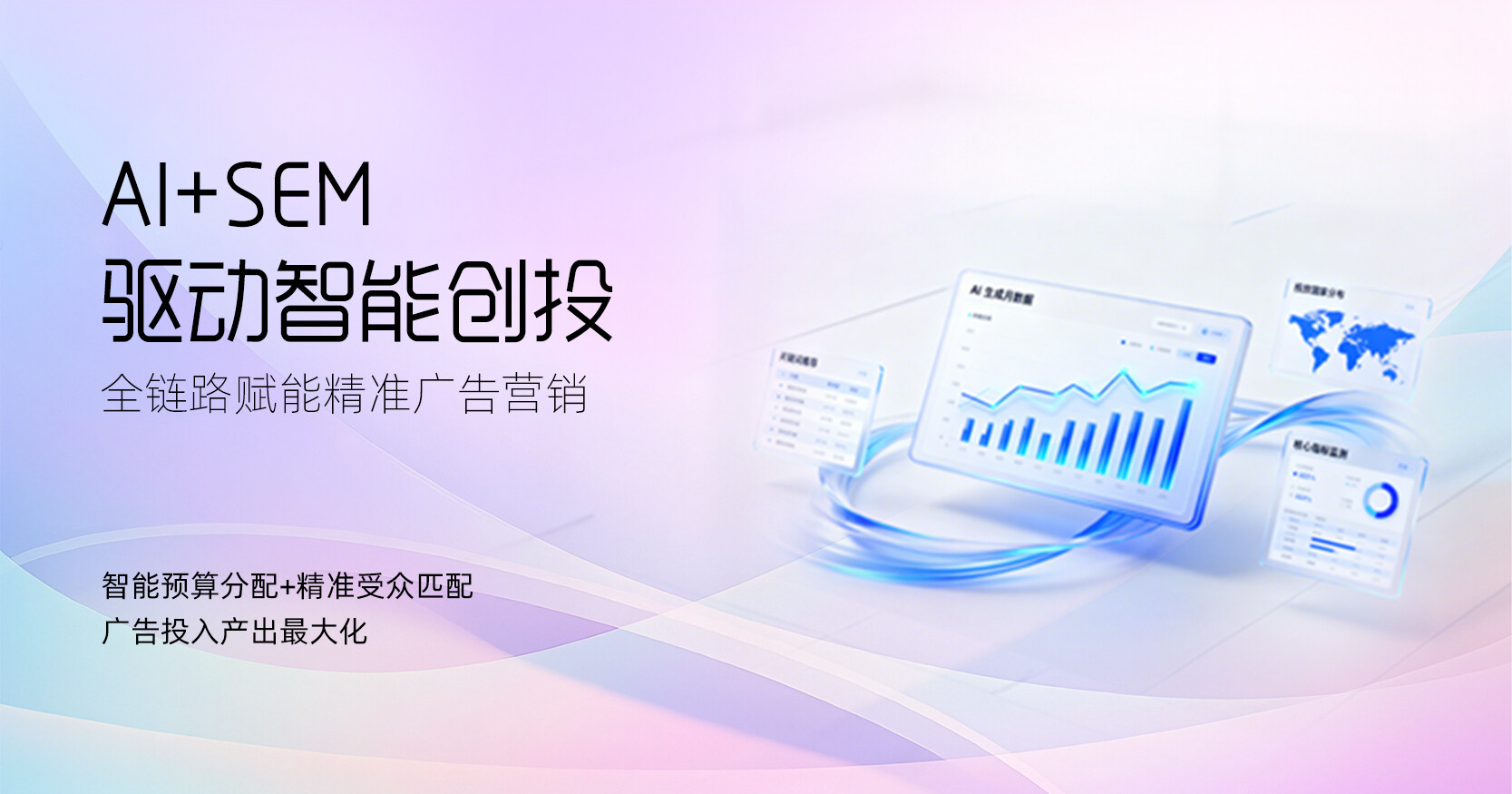
 AI+SEM Intelligent Advertising Marketing SystemAI+SEM drives intelligent ad creation, empowering full-funnel precision advertising marketing. The system automatically generates weekly/monthly reports, AI recommends keywords and target countries, monitors core metrics in real-time with intelligent alerts, and enables one-click high-conversion ad solutions to help quickly acquire customers and improve ROI.
 Google 广告推广易营宝作为Google核心合作伙伴,为外贸企业提供专业Google广告推广服务,覆盖全球100+国家,按点击付费,精准投放带来高转化率,助您轻松拓展海外市场。