- توصلت ترتيبات الرسوم الجمركية بين الصين والولايات المتحدة إلى توافق إيجابي، وسيتم إنشاء مجلس التجارة15-06-2026عرض التفاصيل
- العبور غير الجمركي الصيني المغربي، وتراجع تكلفة تصدير المنتجات المغربية إلى الصين11-06-2026عرض التفاصيل
- ما هي الإشارة التنفيذية التي يتم إطلاقها مؤقتًا بشأن تصدير الأسماك إلى اليابان10-06-2026عرض التفاصيل
- واردات الصين من LNG في مايو ترتفع مجددًا، وروسيا وكندا تزيدان الإمدادات لتعويض النقص في الشرق الأوسط10-06-2026عرض التفاصيل
- هل ستغير شركة GEO استراتيجيتها في تحسين محركات البحث؟04-06-2026عرض التفاصيل
- ما هي الأنشطة التجارية التي تناسبها حلول السلسلة الكاملة؟03-06-2026عرض التفاصيل
كيف تُعدّ تقويم محتوى وسائل التواصل الاجتماعي الخارجية؟ قالب جدول شهري مناسب لفريق B2B
Why isn't the overseas social media content calendar just a simple posting schedule?

When many people create an overseas social media content calendar for the first time, they focus on “what to post on which day”. In fact, that is only the surface. A truly effective monthly schedule should answer three questions at the same time: who the content is for, what action it is meant to drive, and whether it can connect with website conversion.
For website and marketing service integration teams, an overseas social media content calendar is more like a coordination map. It brings topics, materials, publishing times, landing pages, and inquiry goals into the same table, preventing content from becoming noisy while leads remain disconnected.
Especially in B2B scenarios, the decision cycle is long, and content cannot rely only on trending topics. The more common approach is to build a monthly rhythm around industry issues, solutions, case studies, and conversion entry points. This way, social media content can continuously support the official website, inquiry forms, and follow-up tracking.
In simple terms, an overseas social media content calendar is not about filling up the schedule, but about making every post serve the growth path, from exposure to visits, and then to leads.
What should a monthly schedule actually include to fit the B2B rhythm?
If every month starts from zero on topic selection, the team can easily lose pace. A more stable approach is to first define the content columns, and then assign a frequency to each column. This creates continuity and makes review easier.
An overseas social media content calendar suitable for a B2B team usually includes the following types of content:
- Industry awareness content: explain trends, standards, and common issues, and answer “why it is worth paying attention to”.
- Product and solution content: explain application scenarios, performance differences, and delivery methods, and answer “whether it can be used”.
- Case study content: show project process, result changes, and data feedback, and answer “whether it is trustworthy”.
- Website conversion content: guide users to landing pages, download materials, and submit forms, and answer “what to do next”.
In practice, monthly scheduling does not necessarily pursue daily updates. What matters more is continuity between pieces of content. For example, doing trend awareness in the first week, solution content in the second week, case studies in the third week, and then directing traffic to a topic page or inquiry page in the fourth week is more in line with the process of overseas customers gradually understanding the brand.
A practical monthly template can be structured like this
Should you only look at posting time, or should you first look at the conversion path?
Posting time is certainly important, but it comes after the conversion path. Because B2B content is not fast-consumption logic, whether a single piece of content appears in the “golden time slot” is often less important than whether it matches the correct page, clearly communicates value, and has a follow-up action in place.
A mature overseas social media content calendar should first clarify the landing point. For example, whether a piece of content is meant to guide traffic to a product page, download solution materials, or make an appointment for communication. If this goal is unclear, testing more posting times is only a partial optimization.
One thing to note is that social media and the website must be connected. After content is published, the landing page must load quickly, match the language, and have a clear structure; otherwise, no matter how hard the front end works to attract traffic, the back end conversion will also be lost. Solutions like YiYingBao foreign trade marketing-type (super) website can bring multilingual support, SEO, visit speed, and marketing analytics into one system, making them more suitable as the landing page foundation after social media traffic acquisition.
What kind of team needs to make an overseas social media content calendar more detailed?
It is not only large-content teams that need scheduling. On the contrary, when resources are limited, an overseas social media content calendar becomes even more important because it reduces repeated communication and inefficient production.
The following situations usually call for a more detailed monthly schedule:
- The official website, SEO, advertising, and social media are all being promoted at the same time, requiring unified themes and timing.
- The content needs to cover multiple overseas regions, with multilingual and localization differences.
- There are fixed inquiry targets every month, and the team hopes to trace the visits and leads brought by the content.
- Publishing depends on design, copywriting, operations, and sales materials, with a relatively long collaboration chain.
Platforms like YiYingBao, a digital marketing service platform that has spent more than ten years deeply engaged in global marketing, itself emphasizes a dual approach of “technological innovation + localized service”. Applied to content operations, the logic is the same: scheduling is not just about arranging posts, but about considering regional markets, website landing, and data feedback at the same time.
If the content also needs to connect with an independent website, site performance will affect social media results as well. For example, page loading controlled within 1.5 seconds, support for more than 100 languages, and global node acceleration. These capabilities may seem like website functions, but they actually determine whether social media traffic can land smoothly.
What are the most common mistakes when making a monthly schedule?
Many teams do not fail because they cannot make an overseas social media content calendar, but because they easily put effort in the wrong place. The more detailed the schedule, the more chaotic the execution can become, usually related to the following misunderstandings.
- Only schedule dates, not goals. The content looks neat, but it is impossible to judge which pieces truly bring visits and leads.
- Only look at engagement, not conversion. Likes and comments are not the same as inquiries, especially in B2B scenarios.
- Copy and paste across multiple platforms. Different platforms have different reading habits, and direct republishing often produces average results.
- No content reuse mechanism. Cases, white papers, product pages, and blog articles are not broken down and reused, making production costs too high.
- Ignore on-site landing. The social copy may be good, but if the landing page structure is messy, conversion will still be affected in the end.
A more common way of judging is to assign a primary goal to each piece of content, then match it with a landing page and a set of review metrics. In this way, when you look back at the end of the month, you can tell whether the content calendar was “fully scheduled” or “scheduled correctly”.
If we start now, how should the first version of the overseas social media content calendar be implemented?
The first version does not need to be complicated; the key is to build the most basic framework. You can start with one month, one key market, and one core topic, and expand after the process becomes smooth.
A more practical approach is to move forward in the following order:
- First set the monthly goal: increase official website visits, or get more inquiries.
- Then define weekly themes, so that each week’s content revolves around the same issue.
- Prepare landing pages in sync to ensure that social traffic has a clear action entry after arriving.
- Finally, arrange platform publishing times and record the review data for each piece of content.
If the website side also needs synchronous optimization, you can refer to solutions with AI intelligent website building, multilingual management, SEO optimization, and marketing closed-loop analysis capabilities. In this way, the overseas social media content calendar is no longer just an operation table, but is linked with website content, search indexing, and SEO tracking.
In the end, the value of an overseas social media content calendar is not in filling every day, but in making topic selection, publishing, and conversion form one coherent line. First organize the monthly goals, weekly themes, landing pages, and review metrics, then gradually refine execution, and scheduling can truly become a growth tool.
مقالات ذات صلة
 ما هي الصناعات الخارجية المناسبة لجذب العملاء عبر وسائل التواصل الاجتماعي؟ افهم بوضوح العلاقة بين اختيار المنصة وطريقة صياغة المحتوى
 كيف يتم الحصول على عملاء عبر LinkedIn؟ حسابات مناسبة لفرق التجارة الخارجية، والمحتوى، وعملية التطوير
 طرق تشغيل LinkedIn للشركات B2B: من تحسين الصفحة الرئيسية إلى خطوات التواصل عبر الرسائل الخاصة

منتجات ذات صلة
 EasyCamp SaaS نظام ذكي لبناء المواقع الإلكترونية والتسويقنظام التسويق الذكي للمواقع الإلكترونية E-Yingbao SaaS: إنشاء مواقع إلكترونية بدون كتابة أكواد برمجية وبواسطة الذكاء الاصطناعي. أنشئ مواقع تجارة إلكترونية مستقلة متعددة اللغات في غضون 10 دقائق فقط. تسريع الخادم العالمي وتحسين محركات البحث بواسطة الذكاء الاصطناعي يمكّن الشركات من التواصل بفعالية مع الأسواق العالمية. الاندماج السلس بين التكنولوجيا والتشغيل السهل يجعل تطوير مواقع التجارة الإلكترونية أمرًا في غاية البساطة.
 خدمة تحسين نظام AI + SEO المزدوجنظام تحسين Yi Ying Bao AI + SEO المزدوج، من خلال استخراج الكلمات الرئيسية الذكية بواسطة الذكاء الاصطناعي، وإنشاء المحتوى والتحسين التقني الشامل، لمساعدة شركات التجارة الخارجية في الحصول على حركة مرور طبيعية عالية الجودة، وتحسين ترتيب البحث ومعدل التحويل بشكل ملحوظ.
 نظام ذكاء الإعلانات AI+SEM للتسويقيقود AI+SEM الإعلانات الذكية، ويمكّن التسويق الدقيق للإعلانات عبر سلسلة كاملة. يولد النظام تلقائيًا تقارير أسبوعية/شهرية، ويوصي AI بالكلمات الرئيسية والبلدان المستهدفة، ويراقب المؤشرات الأساسية في الوقت الفعلي مع تنبيهات ذكية، ويطلق خطة إعلانية عالية التحويل بنقرة واحدة، مما يساعد على اكتساب عملاء سريعًا وتحسين عائد الاستثمار.
 نظام التسويق عبر وسائل التواصل الاجتماعي AI+SNSنظام التسويق الذكي Yingyingbao AI+SNS Social Media - التقاط دقيق للوسائط الاجتماعية في عصر وسائل التواصل الاجتماعي. يدعم مزامنة المحتوى بنقرة واحدة عبر المنصات الرئيسية بما في ذلك Facebook و LinkedIn. تعزز إعادة كتابة المنشورات المدعومة بالذكاء الاصطناعي التوطين. تتيح خدمة العملاء الذكية على مدار الساعة وطوال أيام الأسبوع وتحليل ملفات تعريف المستخدمين للشركات التوسع بكفاءة في الأسواق العالمية.
 حلول التسويق الإعلاني AI+SEMتستفيد حلول الإعلانات SEM المدعومة بالذكاء الاصطناعي من الذكاء الاصطناعي لتحسين إدارة حملات SEM بشكل كبير. باستخدام الذكاء الاصطناعي لإنشاء تقارير أسبوعية وشهرية، تقدم هذه الحلول بيانات الحساب عبر أبعاد متعددة، مما يتيح الإشراف الشامل على أداء الإعلانات واتجاهاتها. يقدم الذكاء الاصطناعي توصيات دقيقة بشأن الكلمات الرئيسية والبلدان المستهدفة، ويصمم نصوص إعلانية عالية التحويل بذكاء، ويبدأ نشر الحملات بكفاءة بنقرة واحدة، مما يسرع من اكتساب العملاء للشركات. في الوقت نفسه، يراقب النظام المقاييس الأساسية في الوقت الفعلي، ويحدد التقلبات غير الطبيعية بذكاء، ويصدر تنبيهات في الوقت المناسب، مما يضمن أداء إعلانيًا مستقرًا وعوائد عالية.
 AI+SEO营销解决方案易营宝AI+SEO营销解决方案,通过AI批量写作、智能生成TDK、精准关键词扩词等功能,全面优化网站SEO效果,提升流量与转化率。助力企业构建高效智能网站新生态。
 خدمات أسماء النطاقاتيقدم يي يينغ باو خدمات احترافية لأسماء النطاقات، تشمل الاستعلام الذكي، التسجيل الشامل، حماية العلامة التجارية، والإدارة الشاملة، لمساعدة الشركات في بناء صورة العلامة التجارية الرقمية.
 متجر EasyOperate B2C عبر الحدود وموقع مستقلمنصة متجر B2C عبر الحدود المستقلة من EasyStore هي حل متكامل للبناء الذكي للمواقع والتجارة الإلكترونية عبر الحدود، تم تطويره بشكل مستقل من قبل شركة EasyStore لتكنولوجيا المعلومات (بكين) المحدودة. تم تصميم النظام خصيصًا للشركات الصغيرة والمتوسطة وكذلك الكبيرة المصدرة، حيث يجمع بين "البناء، التشغيل، التسويق، الإعلان، التحويل" في نظام واحد، لمساعدة الشركات على إنشاء موقع تجارة إلكترونية مستقل عبر الحدود بسرعة، وتحقيق النمو في المبيعات العالمية وانتشار العلامة التجارية في الخارج. تدعم المنصة تعدد اللغات والعملات وقنوات التسويق، وتضم نظام ترجمة ذكي يعمل بالذكاء الاصطناعي ونظام تحسين محركات البحث (SEO)، وهي مناسبة للأسواق الرئيسية مثل جنوب شرق آسيا، أوروبا وأمريكا، أمريكا اللاتينية، الشرق الأوسط، مما يساعد الشركات المصنعة الصينية على التخطيط الفعال للتجارة الإلكترونية الدولية.
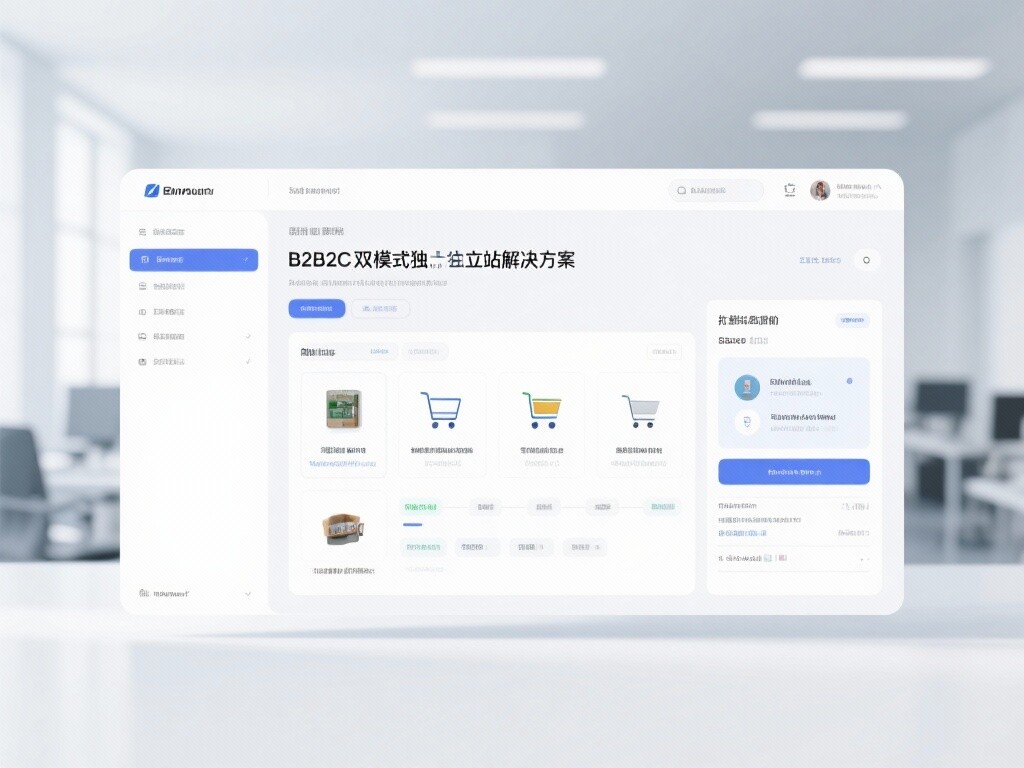
 B2B2C双模式独立站解决方案易营宝推出的B2B2C双模式独立站解决方案,专为同时开展批发与零售业务的企业打造。平台支持商品价格展示、商品多规格管理、购物车与购物车弹窗、购物车总价计算,以及统一批量询价等功能,帮助企业以更高效、更直观的方式触达B端与C端客户。通过云建站、大数据分析与广告智能投放体系,助力企业打破渠道壁垒,实现国内外市场拓展与品牌价值提升。