- ما هو مزوّد خدمات تدفق الزيارات العالمي؟ وما الفروق بينه وبين الوكالة الإعلانية الواحدة؟16-07-2026عرض التفاصيل
- ما الذي ينبغي أن تركز عليه أحدث تقارير SaaS لخدمات المؤسسات؟ من معدل التجديد وتكلفة التسليم إلى فرص النمو في الخارج12-07-2026عرض التفاصيل
- ما هي أهم الإشارات التي تستحق الانتباه في تقرير اتجاهات التسويق عبر الحدود؟ ست إشارات ينبغي لشركات B2B مراقبتها11-07-2026عرض التفاصيل
- تقرير اتجاهات التسويق عبر الحدود: كيف تُقرأ؟ 5 أبعاد رئيسية للحكم على فرص القنوات11-07-2026عرض التفاصيل
- ما القناة ذات أعلى عائد استثمار في منظومة حركة المرور العالمية؟ تحليل مقارن بين البحث ووسائل التواصل الاجتماعي والإعلانات المدفوعة10-07-2026عرض التفاصيل
- ما هي خدمات المواقع متعددة اللغات في سانيا؟ أي نموذج أنسب لبناء مواقع الشركات المحلية عند التوسع إلى الخارج08-07-2026عرض التفاصيل
مؤشر أسعار الشركات اليابانية ارتفع بنسبة 6.3%، مسجلاً أعلى مستوى جديد خلال ثلاث سنوات
June 10, 2026, the Bank of Japan's release of May corporate goods price data drew market attention: Japan's Corporate Goods Price Index rose 6.3% year-on-year to 134.5, hitting a high since March 2023. For the industry, this not only reflects the continuing expansion of cost pressure on Japanese enterprises, but also makes links such as import procurement, manufacturing supporting services, logistics services and cross-border supply chain coordination more worthy of continued tracking, especially for intermediate goods and customized equipment suppliers targeting the Japanese market, who may face new opportunities for price competition and substitution.

Continued upward pressure on enterprise-side prices in May
According to data released by the Bank of Japan on June 10, Japan's Corporate Goods Price Index in May rose 6.3% year-on-year to 134.5, the highest level since March 2023.
By category, among the 23 statistical commodities, prices in 22 categories increased, showing that the upward price trend on the enterprise side has a relatively broad coverage.
The confirmed cost pressures are mainly concentrated in energy, raw materials and logistics services, and these factors have jointly pushed up the price levels on the procurement and operations sides of enterprises.
At the same time, the input information indicates that Japanese importers' procurement budgets are under pressure and may accelerate their shift to alternative markets such as China, seeking more cost-effective intermediate goods and customized equipment supply.
Which business links will feel the changes first
Rising budgets and price comparison pressure on the import procurement side
From an industry perspective, Japanese importers may be among the first entities to be directly affected. The broad rise in corporate goods prices means procurement budgets are more easily squeezed by spending related to energy, raw materials and logistics, and in the import segment, comparisons over price, delivery times and sources of alternatives are likely to become more frequent. What is currently more worthy of attention is whether the procurement side will speed up the search for high-cost-performance intermediate goods, and whether it will increase requirements for customized supply capabilities.
Manufacturing supporting enterprises face cost transmission and order changes
For processing, manufacturing and equipment supporting enterprises, the impact is mainly reflected in two ends: one is the tightening of the upstream cost environment, and the other is the possible change in customer procurement strategies. Analysis shows that if Japanese customers place greater emphasis on cost control, suppliers that can provide stable delivery, specification adaptation and customization capabilities may enter the shortlist more easily; however, in addition to price, fulfillment stability will also become a key screening criterion.
Logistics and supply chain service providers need to pay attention to service cost linkage
Logistics service costs have been explicitly listed as one of the sources of price increase pressure, which means that supply chain service companies not only have to cope with their own cost fluctuations, but also need to handle customers' increased sensitivity to transportation, warehousing, delivery cycles and integrated quotations. Observing the situation, service providers need to pay closer attention to quotation validity, execution rhythm and coordination efficiency in cross-border delivery.
Export enterprises targeting the Japanese market face both opportunities and screening
The input information mentioned that Japanese importers may accelerate their shift to alternative markets such as China. For export enterprises, this looks more like a structural window, but it does not mean demand has already been confirmed and implemented. Enterprises need to pay attention not to simple low prices, but to how to establish clearer competitiveness in cost, specifications, response speed and continuous supply.
What should enterprises pay attention to now
First see whether inquiries for key products have changed
For enterprises that already serve Japanese customers, the current focus should be on whether inquiries related to intermediate goods, spare parts and customized equipment have increased, especially whether customers' attention to alternative solutions, cost breakdowns and delivery schedules in quotation communications has clearly risen. Such changes often reflect actual procurement intentions better than a single price signal.
Make supply capability explanations more specific
If Japanese buyers' budgets are under pressure, enterprises need to explain in communication more specifically the substitutability, specification matching, delivery cycles, document materials and fulfillment arrangements. Analysis shows that the more cost-sensitive the stage, the more likely customers are to simultaneously review suppliers' stable supply capabilities, rather than only asking about the price itself.
Differentiate between short-term inquiries and long-term cooperation signals
The current market may simultaneously see temporary price comparisons and medium- to long-term alternative evaluation demands. In order-taking and resource allocation, enterprises need to distinguish which inquiries are stage-specific and which may develop into sustained cooperation, so as to avoid judgment bias in capacity, inventory or delivery commitments.
The gap between continuously tracking official data and customer feedback
The Corporate Goods Price Index reflects enterprise-side price changes, but whether specific orders are transferred, to which categories they are transferred, and at what pace still need to be judged in combination with subsequent customer feedback. For the business team, the synchronization between data changes and actual transactions is the link that needs key verification next.
This looks more like a cost signal than a result that has already landed
Observing the situation, this piece of information first shows that the upward pressure on costs on the Japanese enterprise side remains obvious, and that the coverage is relatively broad, not limited to a single category. For participants in the cross-border supply chain, what deserves attention is that the price pressure has already touched basic cost items such as energy, raw materials and logistics services, which means that enterprises' procurement decisions may become more cautious and pay more attention to comprehensive cost-performance ratio.
However, from an analytical perspective, this change is more appropriately understood as a signal for demand re-evaluation and supply chain re-comparison, rather than a clear market shift that has already taken shape. The input information mentions that Japanese importers "may" accelerate their search for supply in alternative markets such as China, which itself means that subsequent changes still need observation, especially whether alternative procurement can convert from inquiries into stable orders.
How should we understand this piece of information now
In summary, Japan's May Corporate Goods Price Index has reached a nearly three-year high, and its core significance lies in the fact that enterprise-side cost pressure is having a more direct impact on procurement and supply chain choices. For related industries, this is neither a short-term fluctuation that can be ignored, nor enough to directly conclude that a definite market transfer has occurred.
A more appropriate way to understand it is: this is an industry dynamic that needs continuous tracking, releasing a signal that Japanese procurement is re-evaluating costs and supply sources. For relevant enterprises, what truly matters is not amplifying the impact emotionally, but quickly identifying which product categories, which customers and which business links have already begun to show substantive changes.
Basis of this article and directions for subsequent verification
This article is generated based on the title, event time and event summary provided by the user. The core information includes the changes in Japan's Corporate Goods Price Index disclosed on June 10, 2026, the scope of price increases, and the description that Japanese importers may adjust their procurement direction.
Such information can usually be continuously verified by combining official announcements, corporate announcements, industry association information, authoritative media reports and related statistical documents. Since the input content did not provide a specific official source link, the specific official source link still needs to be continuously verified in the future.
Directions worth continued attention include: subsequent monthly changes in Japan's corporate goods prices, whether price pressure related to energy and raw materials continues, whether logistics service costs continue to rise, and actual inquiries and transaction changes by Japanese buyers regarding intermediate goods and customized equipment.
مقالات ذات صلة
منتجات ذات صلة
 EasyCamp SaaS نظام ذكي لبناء المواقع الإلكترونية والتسويقنظام التسويق الذكي للمواقع الإلكترونية E-Yingbao SaaS: إنشاء مواقع إلكترونية بدون كتابة أكواد برمجية وبواسطة الذكاء الاصطناعي. أنشئ مواقع تجارة إلكترونية مستقلة متعددة اللغات في غضون 10 دقائق فقط. تسريع الخادم العالمي وتحسين محركات البحث بواسطة الذكاء الاصطناعي يمكّن الشركات من التواصل بفعالية مع الأسواق العالمية. الاندماج السلس بين التكنولوجيا والتشغيل السهل يجعل تطوير مواقع التجارة الإلكترونية أمرًا في غاية البساطة.
 خدمة تحسين نظام AI + SEO المزدوجنظام تحسين Yi Ying Bao AI + SEO المزدوج، من خلال استخراج الكلمات الرئيسية الذكية بواسطة الذكاء الاصطناعي، وإنشاء المحتوى والتحسين التقني الشامل، لمساعدة شركات التجارة الخارجية في الحصول على حركة مرور طبيعية عالية الجودة، وتحسين ترتيب البحث ومعدل التحويل بشكل ملحوظ.
 نظام ذكاء الإعلانات AI+SEM للتسويقيقود AI+SEM الإعلانات الذكية، ويمكّن التسويق الدقيق للإعلانات عبر سلسلة كاملة. يولد النظام تلقائيًا تقارير أسبوعية/شهرية، ويوصي AI بالكلمات الرئيسية والبلدان المستهدفة، ويراقب المؤشرات الأساسية في الوقت الفعلي مع تنبيهات ذكية، ويطلق خطة إعلانية عالية التحويل بنقرة واحدة، مما يساعد على اكتساب عملاء سريعًا وتحسين عائد الاستثمار.
 نظام التسويق عبر وسائل التواصل الاجتماعي AI+SNSنظام التسويق الذكي Yingyingbao AI+SNS Social Media - التقاط دقيق للوسائط الاجتماعية في عصر وسائل التواصل الاجتماعي. يدعم مزامنة المحتوى بنقرة واحدة عبر المنصات الرئيسية بما في ذلك Facebook و LinkedIn. تعزز إعادة كتابة المنشورات المدعومة بالذكاء الاصطناعي التوطين. تتيح خدمة العملاء الذكية على مدار الساعة وطوال أيام الأسبوع وتحليل ملفات تعريف المستخدمين للشركات التوسع بكفاءة في الأسواق العالمية.
 حلول التسويق الإعلاني AI+SEMتستفيد حلول الإعلانات SEM المدعومة بالذكاء الاصطناعي من الذكاء الاصطناعي لتحسين إدارة حملات SEM بشكل كبير. باستخدام الذكاء الاصطناعي لإنشاء تقارير أسبوعية وشهرية، تقدم هذه الحلول بيانات الحساب عبر أبعاد متعددة، مما يتيح الإشراف الشامل على أداء الإعلانات واتجاهاتها. يقدم الذكاء الاصطناعي توصيات دقيقة بشأن الكلمات الرئيسية والبلدان المستهدفة، ويصمم نصوص إعلانية عالية التحويل بذكاء، ويبدأ نشر الحملات بكفاءة بنقرة واحدة، مما يسرع من اكتساب العملاء للشركات. في الوقت نفسه، يراقب النظام المقاييس الأساسية في الوقت الفعلي، ويحدد التقلبات غير الطبيعية بذكاء، ويصدر تنبيهات في الوقت المناسب، مما يضمن أداء إعلانيًا مستقرًا وعوائد عالية.
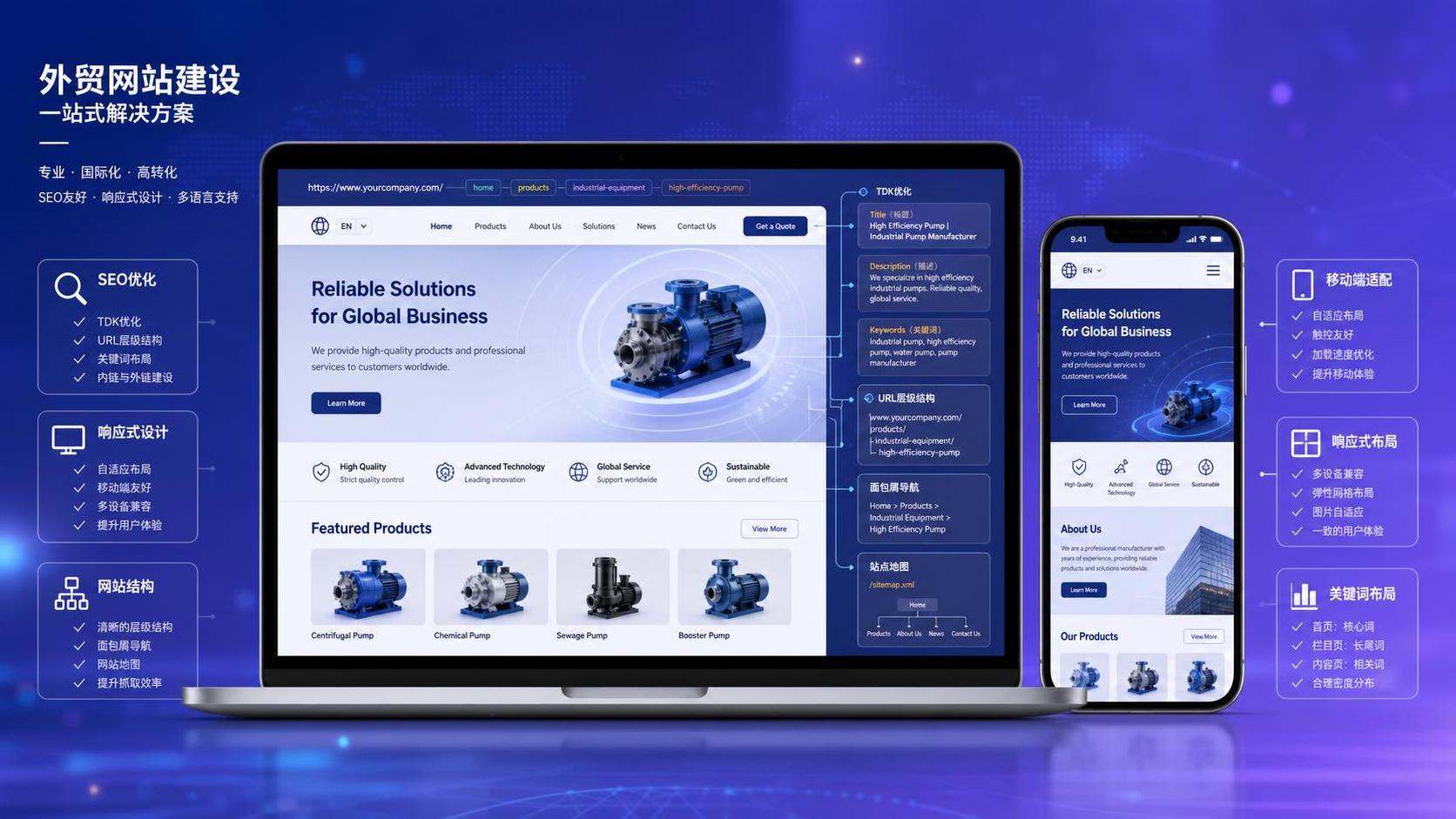
 AI+SEO营销解决方案易营宝AI+SEO营销解决方案,通过AI批量写作、智能生成TDK、精准关键词扩词等功能,全面优化网站SEO效果,提升流量与转化率。助力企业构建高效智能网站新生态。
 خدمات أسماء النطاقاتيقدم يي يينغ باو خدمات احترافية لأسماء النطاقات، تشمل الاستعلام الذكي، التسجيل الشامل، حماية العلامة التجارية، والإدارة الشاملة، لمساعدة الشركات في بناء صورة العلامة التجارية الرقمية.
 متجر EasyOperate B2C عبر الحدود وموقع مستقلمنصة متجر B2C عبر الحدود المستقلة من EasyStore هي حل متكامل للبناء الذكي للمواقع والتجارة الإلكترونية عبر الحدود، تم تطويره بشكل مستقل من قبل شركة EasyStore لتكنولوجيا المعلومات (بكين) المحدودة. تم تصميم النظام خصيصًا للشركات الصغيرة والمتوسطة وكذلك الكبيرة المصدرة، حيث يجمع بين "البناء، التشغيل، التسويق، الإعلان، التحويل" في نظام واحد، لمساعدة الشركات على إنشاء موقع تجارة إلكترونية مستقل عبر الحدود بسرعة، وتحقيق النمو في المبيعات العالمية وانتشار العلامة التجارية في الخارج. تدعم المنصة تعدد اللغات والعملات وقنوات التسويق، وتضم نظام ترجمة ذكي يعمل بالذكاء الاصطناعي ونظام تحسين محركات البحث (SEO)، وهي مناسبة للأسواق الرئيسية مثل جنوب شرق آسيا، أوروبا وأمريكا، أمريكا اللاتينية، الشرق الأوسط، مما يساعد الشركات المصنعة الصينية على التخطيط الفعال للتجارة الإلكترونية الدولية.
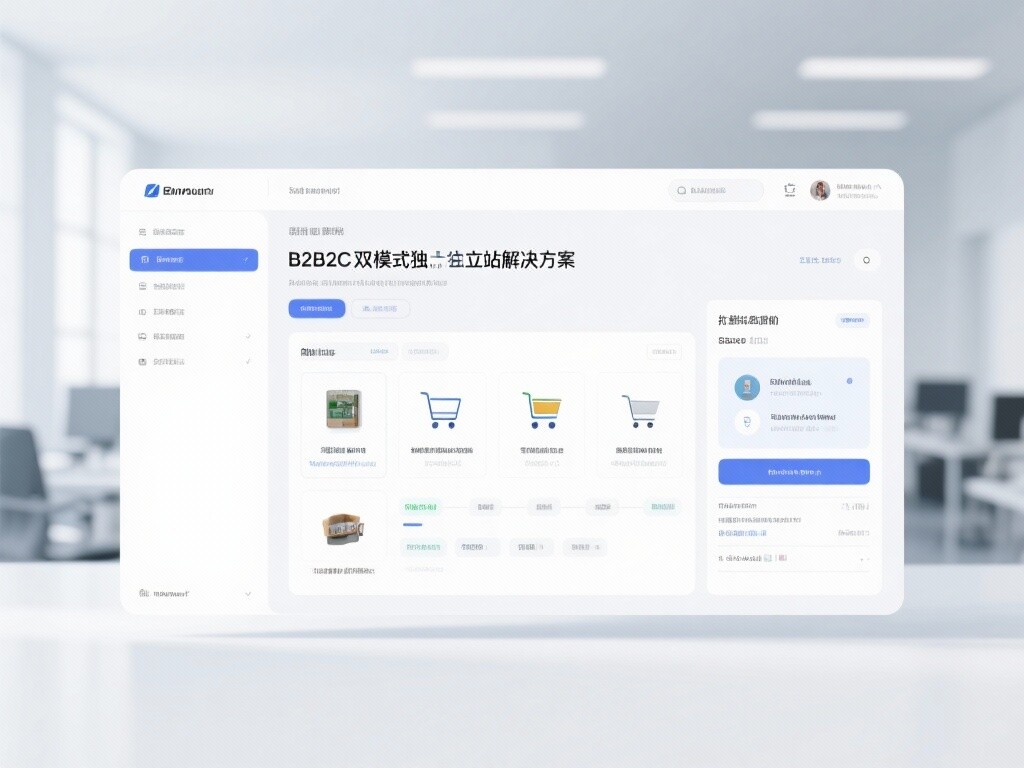
 B2B2C双模式独立站解决方案易营宝推出的B2B2C双模式独立站解决方案,专为同时开展批发与零售业务的企业打造。平台支持商品价格展示、商品多规格管理、购物车与购物车弹窗、购物车总价计算,以及统一批量询价等功能,帮助企业以更高效、更直观的方式触达B端与C端客户。通过云建站、大数据分析与广告智能投放体系,助力企业打破渠道壁垒,实现国内外市场拓展与品牌价值提升。