- هل لا يزال إنشاء موقع مستقل للتجارة الخارجية في تشجيانغ مجديًا؟ نظرة على تغيرات الزيارات واكتساب العملاء28-07-2026عرض التفاصيل
- ما الإشارات الجديدة التي تظهر في تقارير تسويق SaaS لخدمات المؤسسات؟27-07-2026عرض التفاصيل
- ما هو مزوّد خدمات تدفق الزيارات العالمي؟ وما الفروق بينه وبين الوكالة الإعلانية الواحدة؟16-07-2026عرض التفاصيل
- ما الذي ينبغي أن تركز عليه أحدث تقارير SaaS لخدمات المؤسسات؟ من معدل التجديد وتكلفة التسليم إلى فرص النمو في الخارج12-07-2026عرض التفاصيل
- ما هي أهم الإشارات التي تستحق الانتباه في تقرير اتجاهات التسويق عبر الحدود؟ ست إشارات ينبغي لشركات B2B مراقبتها11-07-2026عرض التفاصيل
- تقرير اتجاهات التسويق عبر الحدود: كيف تُقرأ؟ 5 أبعاد رئيسية للحكم على فرص القنوات11-07-2026عرض التفاصيل
ما هي الوظائف الأساسية لنظام التسويق بالذكاء الاصطناعي؟ تسجيل الدرجات، المتابعة التلقائية، وتحليل الإحالة بالبيانات
The value of an AI marketing system does not lie in packing more tools into the backend, but in connecting website traffic, advertising touchpoints, content interactions and sales actions into a measurable conversion path. For the scenario of integrated website and marketing services, whether, when, by whom, and which final budget line brought the deal are often what determine whether a system is truly usable.
Especially in foreign trade lead generation, cross-border e-commerce and brand overseas expansion, where channels are scattered, decision cycles are long, and visitor languages are complex, relying solely on manual judgment makes it difficult to improve efficiency in a stable way. That is precisely why the core capabilities of an AI marketing system are usually concentrated in online lead scoring, automated follow-up and data attribution, as these directly affect conversion quality and return on investment.
Start from the bottom layer: what an AI marketing system solves is not single-point automation

Many systems may seem able to send messages, create forms and generate reports, but a truly mature AI marketing system focuses on the closed loop of “intent recognition—action triggering—result validation”. In other words, it is not simply replacing humans; it is integrating the data from websites, ads, SEO, social media and customer management so that every step is evidence-based.
In the website + marketing services integration model, this closed loop is especially important. If a website is only a display page and marketing data cannot feed back to site content and landing page optimization, then no matter how smart the system is, it is still hard to achieve sustained growth. Conversely, if website building, lead generation, follow-up and attribution are unified within one system, the system truly has decision-making value.
From Yiyingbao's practical path, the combination of its self-developed cloud intelligent website building system, AI advertising marketing system and AI+SEO/GEO optimization system is essentially putting “indexability, promotability and convertibility” into the same operating framework. For those evaluating systems, this is more meaningful than comparing a single automation feature in isolation.
Lead scoring determines whether resources are being directed at the right people
Lead scoring is not just about assigning customers a high or low score. More precisely, it answers two questions: how much business value this lead has, and whether it is currently in a conversion window. Without this step, sales and operations often spend a lot of time on low-quality inquiries.
Scoring models usually come from three types of signals
- Identity signals: region, industry, company size, purchasing role, language version access path.
- Behavior signals: page depth, dwell time, material downloads, repeat visits, form completion rate.
- Source signals: whether it came from organic search, ad clicks, social interactions, or old customer referrals.
What really matters is not the number of signals, but whether the signals match the business goals. For example, a B2B foreign trade website should pay more attention to the behavioral chain between product pages, case study pages, certification pages and inquiry pages; a cross-border e-commerce store should focus more on the return actions after add-to-cart, revisit and promotional triggers.
You can judge whether the scoring is effective in this way
If an AI marketing system can only do static scoring, it is more like a form management tool; if it can continuously refine judgments based on user behavior and directly use scoring results to arrange subsequent actions, then it has entered the operational stage.
The key to automated follow-up is not mass sending, but matching cadence and content
After deploying AI marketing systems, many companies first enable automatic emails, SMS or in-site messages, but the results often vary greatly. The reason is not complicated: automation itself does not improve conversion; only when the trigger timing, content structure and channel selection fit the user's state does automated follow-up truly become effective.
For example, a visitor who views a product page for the first time but has not submitted a form is suitable for being guided to view case studies, parameters or delivery capabilities; a lead that has repeatedly visited a pricing page is more suitable for entering a quotation reminder, sales introduction or appointment communication process. What is reflected here is not sending capability, but the ability to identify the intent stage.
More practical automated follow-up should have these characteristics
- Support behavior-based triggers, not just time-based batch sending.
- Support multilingual, multi-region, and multi-product line content distribution.
- Can synchronize updates with website forms, advertising leads, and CRM statuses.
- Allows manual handoff nodes to prevent the whole process from losing control.
This is even more critical for overseas marketing scenarios. Markets such as North America, Europe, and Southeast Asia differ significantly in communication habits, opening times and information density, so automated follow-up cannot rely on a unified template. The system needs to incorporate site language, source channel, visited pages and historical interactions into its judgment in order for automation to truly support conversions.
When extending the evaluation system, it is also helpful to draw on methods from other fields. For example, materials around governance frameworks and implementation paths, such as ESG's implementation path for helping enterprises develop new quality productive forces, provide a way of thinking from goal decomposition to landing collaboration. Applying this kind of thinking to AI marketing system construction is equally suitable for process design and responsibility allocation.
Data attribution determines whether budget optimization has a basis
If lead scoring solves “whether to follow up”, and automated follow-up solves “how to follow up”, then the answer given by data attribution is “whether the money was spent well”. This is one of the most easily overlooked yet most influential links in management judgment within AI marketing systems.
In real business, customers rarely complete conversion through a single click. An inquiry may first come from Google search, then pass through ad remarketing, build trust in social media content, and finally submit a requirement on the official website. If the system attributes all credit to the last click, budget allocation will be misled.
Attribution capability should at least look at three things
- Can it identify cross-channel paths instead of looking only at a single source.
- Can it connect on-site behavior with the final purchase intent rather than stopping at the click layer.
- Can it support different attribution windows to suit long-cycle decision-making businesses.
For websites that rely on SEO for long-term growth, the attribution system also needs to look at the assisted conversion value of content pages. Many pages do not directly bring forms, but they play a role in educating customers, building trust and shortening decision-making. If the AI marketing system cannot recognize these indirect values, it will easily underestimate the importance of content construction and site structure optimization.
Platforms like Yiyingbao, which cover website building, SEO, advertising, social media and AI search visibility, have an advantage in that their data sources are more complete. Completeness does not mean natural accuracy, but it at least provides a unified entry point for attribution analysis and also makes it easier to make subsequent budget adjustments, page revisions and channel allocation comparisons.
From selection to landing, what really needs to be verified is collaboration capability
Many projects look impressive at the demo stage, but after going live, they struggle to deliver results. The problem usually lies not in the algorithm, but in collaboration. If an AI marketing system cannot connect with site structure, form fields, ad accounts, customer service workflows and CRM nodes, then no matter how good the scoring and attribution are, they will remain at the dashboard level.
Therefore, when evaluating, it is more appropriate to reverse-engineer system capabilities from the business process rather than just looking at the feature list:
- Whether the website supports landing pages, content layering and multilingual landing page linkage.
- Whether leads can enter the same recognition system from ads, SEO and social media.
- Whether automated follow-up allows different strategies to be configured by product line and region.
- Whether attribution results can feed back into budget, content and page optimization.
If these points can be connected, the AI marketing system will not just be a marketing tool, but a growth infrastructure. At that point, the relationship between lead quality, follow-up efficiency and ad return will become clear and continuously optimizable.
Put the judgment standard in the conversion path
In the final analysis, the core function of an AI marketing system is not the more the better, but whether it can establish continuous judgments around real business: identify high-value leads, trigger appropriate follow-up, and restore real contributions. For website + marketing services integration scenarios, these three points directly determine whether the system is worth long-term investment.
The more practical next step is to first sort out the bottlenecks in the existing website, channels and sales process, and then use these bottlenecks to map the system's capabilities. Only when lead scoring, automated follow-up and data attribution all land in specific scenarios will the value of the AI marketing system no longer stay at the conceptual level, but become measurable growth results.
- يي ينغ باو
- SEO
- التسويق الدولي
- B2B التجارة الخارجية
- حركة مرور الموقع
- بناء المواقع الذكية
- التسويق بالذكاء الاصطناعي
- تحسين محرك التوليد
- اكتساب عملاء التجارة الخارجية
- تحسين محركات التوليد
- تقييم العملاء المحتملين
- موقع إلكتروني للتجارة الخارجية B2B
- متجر إلكتروني عابر للحدود
- تحسين صفحات الهبوط
- نظام التسويق بالذكاء الاصطناعي
مقالات ذات صلة
 ما المخاطر التي قد تنطوي عليها الاستعانة بمصادر خارجية لأتمتة التسويق عبر وسائل التواصل الاجتماعي؟ افحص هذه النقاط الخمس أولًا
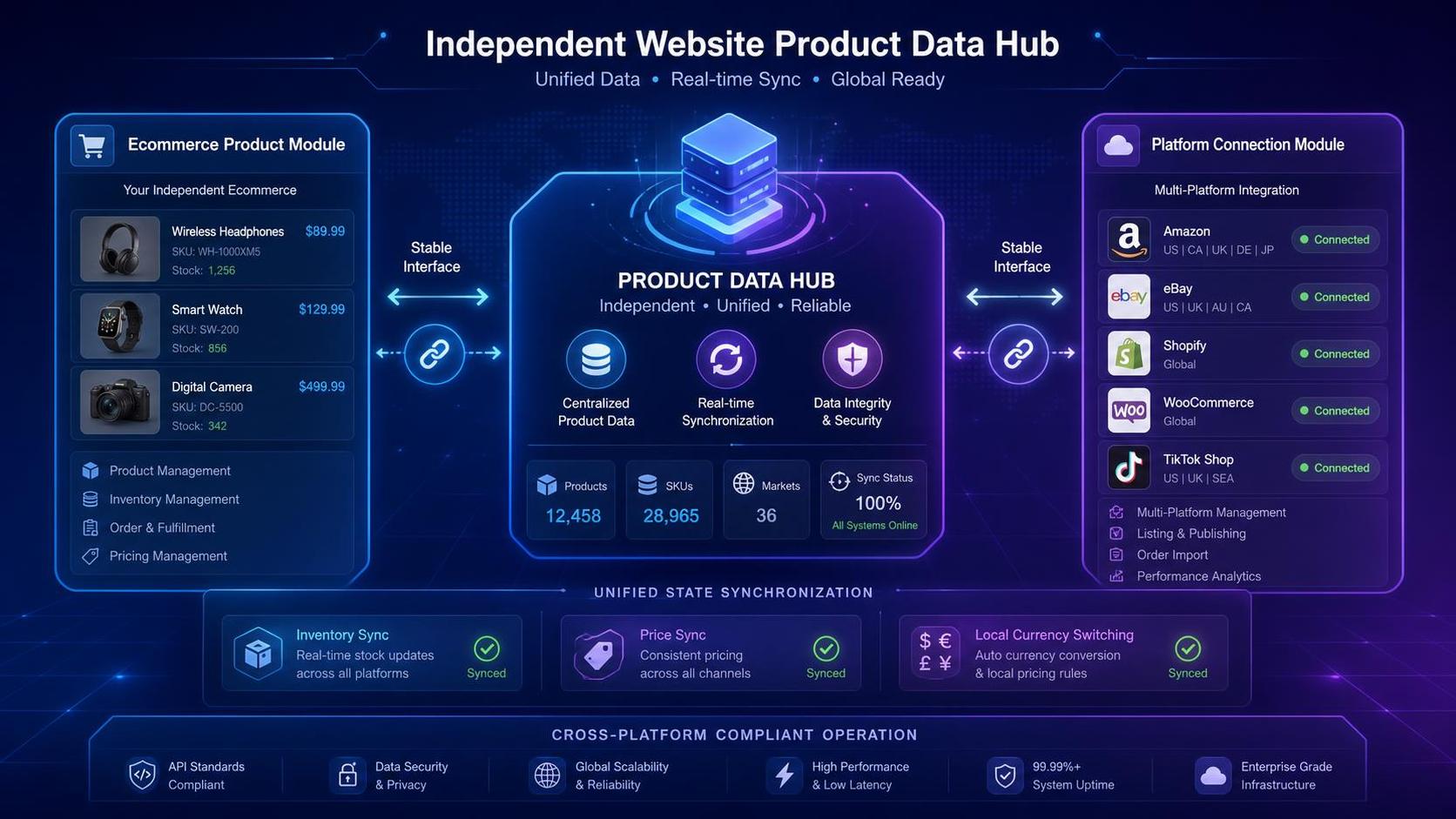
 دخلت اللوائح الجديدة للتجارة الإلكترونية في جنوب شرق آسيا حيز التنفيذ: يجب على بائعي المواقع الإلكترونية المستقلة مزامنة بيانات المخزون والأسعار عبر API خلال 72 ساعة
 كيف يدعم الترجمة متعددة اللغات بالذكاء الاصطناعي التسويق العالمي


منتجات ذات صلة
 EasyCamp SaaS نظام ذكي لبناء المواقع الإلكترونية والتسويقنظام التسويق الذكي للمواقع الإلكترونية E-Yingbao SaaS: إنشاء مواقع إلكترونية بدون كتابة أكواد برمجية وبواسطة الذكاء الاصطناعي. أنشئ مواقع تجارة إلكترونية مستقلة متعددة اللغات في غضون 10 دقائق فقط. تسريع الخادم العالمي وتحسين محركات البحث بواسطة الذكاء الاصطناعي يمكّن الشركات من التواصل بفعالية مع الأسواق العالمية. الاندماج السلس بين التكنولوجيا والتشغيل السهل يجعل تطوير مواقع التجارة الإلكترونية أمرًا في غاية البساطة.
 خدمة تحسين نظام AI + SEO المزدوجنظام تحسين Yi Ying Bao AI + SEO المزدوج، من خلال استخراج الكلمات الرئيسية الذكية بواسطة الذكاء الاصطناعي، وإنشاء المحتوى والتحسين التقني الشامل، لمساعدة شركات التجارة الخارجية في الحصول على حركة مرور طبيعية عالية الجودة، وتحسين ترتيب البحث ومعدل التحويل بشكل ملحوظ.
 نظام ذكاء الإعلانات AI+SEM للتسويقيقود AI+SEM الإعلانات الذكية، ويمكّن التسويق الدقيق للإعلانات عبر سلسلة كاملة. يولد النظام تلقائيًا تقارير أسبوعية/شهرية، ويوصي AI بالكلمات الرئيسية والبلدان المستهدفة، ويراقب المؤشرات الأساسية في الوقت الفعلي مع تنبيهات ذكية، ويطلق خطة إعلانية عالية التحويل بنقرة واحدة، مما يساعد على اكتساب عملاء سريعًا وتحسين عائد الاستثمار.
 نظام التسويق عبر وسائل التواصل الاجتماعي AI+SNSنظام التسويق الذكي Yingyingbao AI+SNS Social Media - التقاط دقيق للوسائط الاجتماعية في عصر وسائل التواصل الاجتماعي. يدعم مزامنة المحتوى بنقرة واحدة عبر المنصات الرئيسية بما في ذلك Facebook و LinkedIn. تعزز إعادة كتابة المنشورات المدعومة بالذكاء الاصطناعي التوطين. تتيح خدمة العملاء الذكية على مدار الساعة وطوال أيام الأسبوع وتحليل ملفات تعريف المستخدمين للشركات التوسع بكفاءة في الأسواق العالمية.
 حلول التسويق الإعلاني AI+SEMتستفيد حلول الإعلانات SEM المدعومة بالذكاء الاصطناعي من الذكاء الاصطناعي لتحسين إدارة حملات SEM بشكل كبير. باستخدام الذكاء الاصطناعي لإنشاء تقارير أسبوعية وشهرية، تقدم هذه الحلول بيانات الحساب عبر أبعاد متعددة، مما يتيح الإشراف الشامل على أداء الإعلانات واتجاهاتها. يقدم الذكاء الاصطناعي توصيات دقيقة بشأن الكلمات الرئيسية والبلدان المستهدفة، ويصمم نصوص إعلانية عالية التحويل بذكاء، ويبدأ نشر الحملات بكفاءة بنقرة واحدة، مما يسرع من اكتساب العملاء للشركات. في الوقت نفسه، يراقب النظام المقاييس الأساسية في الوقت الفعلي، ويحدد التقلبات غير الطبيعية بذكاء، ويصدر تنبيهات في الوقت المناسب، مما يضمن أداء إعلانيًا مستقرًا وعوائد عالية.
 AI+SEO营销解决方案易营宝AI+SEO营销解决方案,通过AI批量写作、智能生成TDK、精准关键词扩词等功能,全面优化网站SEO效果,提升流量与转化率。助力企业构建高效智能网站新生态。
 خدمات أسماء النطاقاتيقدم يي يينغ باو خدمات احترافية لأسماء النطاقات، تشمل الاستعلام الذكي، التسجيل الشامل، حماية العلامة التجارية، والإدارة الشاملة، لمساعدة الشركات في بناء صورة العلامة التجارية الرقمية.
 متجر EasyOperate B2C عبر الحدود وموقع مستقلمنصة متجر B2C عبر الحدود المستقلة من EasyStore هي حل متكامل للبناء الذكي للمواقع والتجارة الإلكترونية عبر الحدود، تم تطويره بشكل مستقل من قبل شركة EasyStore لتكنولوجيا المعلومات (بكين) المحدودة. تم تصميم النظام خصيصًا للشركات الصغيرة والمتوسطة وكذلك الكبيرة المصدرة، حيث يجمع بين "البناء، التشغيل، التسويق، الإعلان، التحويل" في نظام واحد، لمساعدة الشركات على إنشاء موقع تجارة إلكترونية مستقل عبر الحدود بسرعة، وتحقيق النمو في المبيعات العالمية وانتشار العلامة التجارية في الخارج. تدعم المنصة تعدد اللغات والعملات وقنوات التسويق، وتضم نظام ترجمة ذكي يعمل بالذكاء الاصطناعي ونظام تحسين محركات البحث (SEO)، وهي مناسبة للأسواق الرئيسية مثل جنوب شرق آسيا، أوروبا وأمريكا، أمريكا اللاتينية، الشرق الأوسط، مما يساعد الشركات المصنعة الصينية على التخطيط الفعال للتجارة الإلكترونية الدولية.
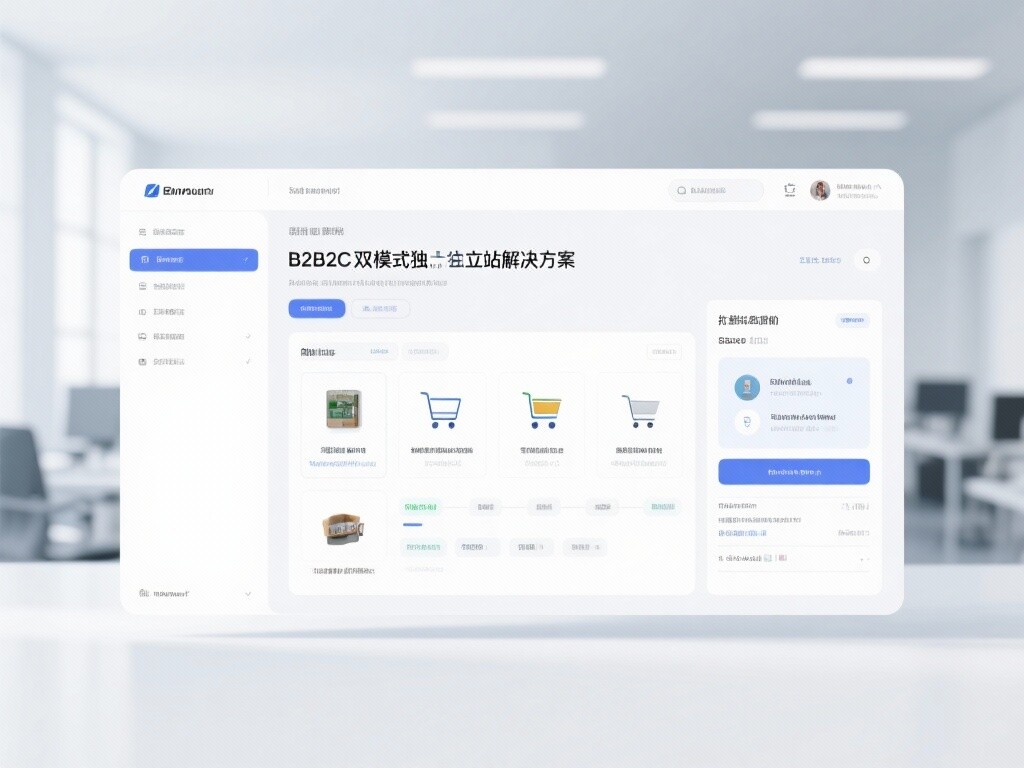
 B2B2C双模式独立站解决方案易营宝推出的B2B2C双模式独立站解决方案,专为同时开展批发与零售业务的企业打造。平台支持商品价格展示、商品多规格管理、购物车与购物车弹窗、购物车总价计算,以及统一批量询价等功能,帮助企业以更高效、更直观的方式触达B端与C端客户。通过云建站、大数据分析与广告智能投放体系,助力企业打破渠道壁垒,实现国内外市场拓展与品牌价值提升。