- ما هو مزوّد خدمات تدفق الزيارات العالمي؟ وما الفروق بينه وبين الوكالة الإعلانية الواحدة؟16-07-2026عرض التفاصيل
- ما الذي ينبغي أن تركز عليه أحدث تقارير SaaS لخدمات المؤسسات؟ من معدل التجديد وتكلفة التسليم إلى فرص النمو في الخارج12-07-2026عرض التفاصيل
- ما هي أهم الإشارات التي تستحق الانتباه في تقرير اتجاهات التسويق عبر الحدود؟ ست إشارات ينبغي لشركات B2B مراقبتها11-07-2026عرض التفاصيل
- تقرير اتجاهات التسويق عبر الحدود: كيف تُقرأ؟ 5 أبعاد رئيسية للحكم على فرص القنوات11-07-2026عرض التفاصيل
- ما القناة ذات أعلى عائد استثمار في منظومة حركة المرور العالمية؟ تحليل مقارن بين البحث ووسائل التواصل الاجتماعي والإعلانات المدفوعة10-07-2026عرض التفاصيل
- ما هي خدمات المواقع متعددة اللغات في سانيا؟ أي نموذج أنسب لبناء مواقع الشركات المحلية عند التوسع إلى الخارج08-07-2026عرض التفاصيل
معرض خدمات التجارة الخارجية 2026 يطلق لأول مرة منطقة خدمات التوسع إلى الخارج، ويطلق إشارة تصدير خدمات التسويق الرقمي

On June 2, 2026, the organizing committee of the China Fair announced that this edition of the exhibition will, for the first time, establish a “Global Service Zone”, showcasing integrated solutions such as AI website building, cross-border ad placement, multilingual SEO automation, and localized social media operations. For brand owners, service providers, channel partners, and overseas procurement representatives in cross-border business, this arrangement is worth noting, as it reflects that digital marketing-related services are entering the B2B procurement landscape in a clearer product form; the focus is no longer only on technical capabilities themselves, but also on delivery methods, cooperation interfaces, and alignment with overseas business needs.
What confirmed information does the zone setup reveal
According to the disclosed content, the China Fair will establish a “Global Service Zone” for the first time in 2026. The exhibition focus of this zone includes intelligent website building systems, AI-driven Google/Facebook ad placement platforms, multilingual SEO automation tools, and social media localized operations hubs.
At the same time, the invited audience for the zone is clearly targeted at overseas buyers, channel integrators, and regional distribution partners. This means that the connection points at the exhibition site are no longer limited to displaying individual tools; they also include service procurement and cooperation discussions around overseas customer acquisition, channel collaboration, and localized operations.
Another layer of information that can be confirmed from the event summary is that the relevant descriptions have already positioned China’s digital marketing services as entering a new stage of B2B service export that is “standardized, modular, and procured”. In terms of the information itself, this is the core positioning conveyed by this zone setup.
Which business roles will feel the change more directly
Brands and trading companies targeting overseas markets
From an industry perspective, what such companies may care about most is whether overseas services can be broken down into more easily procured, evaluated, and combined modules. Because this zone focuses on website building, advertising, multilingual SEO, and social media operations, it corresponds precisely to the key stages in the overseas customer acquisition chain. For enterprises, the impact is mainly reflected in supplier screening, budget allocation, placement collaboration, and multi-market operations coordination; later attention should be paid to whether the services have clear boundaries, replicable delivery, and cross-regional adaptation capabilities.
Digital marketing and technical service providers
Analysis shows that the zone setup will increase the competitive pressure among service providers on the same stage. The reason is that when website building systems, ad placement platforms, SEO automation tools, and operations hubs are displayed together, the market is more likely to shift from viewing them as “one-off project services” to assessing suppliers by “standardized product capabilities”. Affected business links may include product packaging, quotation structures, delivery processes, and cooperation interfaces; service providers need to pay attention to whether their own capabilities can extend from customized execution to modular output.
Channel integrators and regional distributors
This targeted invitation to channel integrators and regional distributors indicates that the cooperation relationship does not stop at the end-customer procurement level. Observations show that such participants are more concerned with whether the tools or services can be embedded into existing sales networks, regional operating systems, and customer service processes. The main impact lies in solution integration, resale collaboration, and regional delivery adaptation; what deserves continued attention is whether the compatibility between different service modules and the cooperation model is clear.
Evaluation approach for overseas procurement roles
For overseas buyers, this zone may bring more concentrated and more comparable supplier options. The impact is not only “seeing more service providers”, but also that procurement criteria may gradually shift toward demonstrable, combinable, and implementable solution capabilities. What is more worth noting at present is how buyers will view the standardization level of services, and whether they will include them in a long-term cooperation framework or a phased pilot framework.
Which practical details enterprises should pay more attention to
First look at whether the official statement continues to refine
What is currently confirmed is the direction of the zone and the key exhibition content, but in actual follow-up, enterprises should pay more attention to whether the official side will further clarify the scope of participation, forms of cooperation, target counterparts, or service classifications. These details will directly affect whether enterprises judge it as a showcase window or as a practical procurement and cooperation channel.
Assess tool capability and delivery capability separately
Based on this information, AI website building, ad placement, multilingual SEO, and social localization all fall under high-frequency overseas expansion needs, but whether they are suitable for procurement cannot be judged by feature display alone. When enterprises engage with related solutions, they need to distinguish between tool demonstration capability and continuous delivery capability, especially in areas such as multilingual operations collaboration, placement execution handoff, and localized content management, which are practical implementation links.
Prepare external communication and information framework in advance
If an enterprise plans to participate in this type of docking scenario, whether it is the buyer or the service provider, it should sort out its own business boundaries, cooperation needs, delivery cycle descriptions, and basic materials in advance. Analysis shows that when services are placed into a B2B context that is “procurable”, communication will focus more on solution structure, service interfaces, and implementation arrangements, rather than purely on conceptual presentation.
Differentiate exhibition signals from actual transaction logic
Observations show that the establishment of the zone itself is a clear industry signal, but it does not mean that all related services have already formed a unified procurement standard. Enterprises need to separate the “direction released by policies or platforms” from the “real business transaction conditions”, and focus on which capabilities have already fit standardized procurement and which parts still depend on customized cooperation and long-term refinement.
This is more like a phased signal
From an industry perspective, the importance of this information lies not in the display of a single technical tool, but in the fact that “overseas services” are being placed into a more explicit trading and cooperation framework. Analysis shows that the China Fair has established a related zone for the first time, indicating that digital marketing, website building, localized operations, and similar services are being further incorporated into a service export context that is displayable, comparable, and connectable.
At the same time, it should also be recognized that this change is currently better understood as a phased signal rather than a mature market result. Because the information only confirms the zone setup, exhibition direction, and invited audiences, but has not yet further expanded into procurement rules, cooperation standards, or implementation outcomes. Therefore, the industry still needs to continue observing the organizational structure and actual docking conditions released later.
Basis of this article and direction for follow-up verification
This article was generated based on the title, event timing, and event summary provided by the user, and the information used is limited to the title “The 2026 China Fair will set up a ‘Global Service Zone’, focusing on AI website building, cross-border advertising, and multilingual operations solutions” and the related summary content dated June 2, 2026.
For such information, the sources that can usually be continuously verified include official announcements, public information from the exhibition organizer, releases from industry associations, company announcements, and reports from authoritative media. Since no specific official source link was provided in the input, the relevant statements still need to be continuously verified in combination with formal public information.
If further tracking is needed, later attention can be focused on the zone’s further official statements, participation and docking rules, service classification methods, as well as the actual participation status of overseas buyers, channel integrators, and regional distribution partners.
مقالات ذات صلة



منتجات ذات صلة
 EasyCamp SaaS نظام ذكي لبناء المواقع الإلكترونية والتسويقنظام التسويق الذكي للمواقع الإلكترونية E-Yingbao SaaS: إنشاء مواقع إلكترونية بدون كتابة أكواد برمجية وبواسطة الذكاء الاصطناعي. أنشئ مواقع تجارة إلكترونية مستقلة متعددة اللغات في غضون 10 دقائق فقط. تسريع الخادم العالمي وتحسين محركات البحث بواسطة الذكاء الاصطناعي يمكّن الشركات من التواصل بفعالية مع الأسواق العالمية. الاندماج السلس بين التكنولوجيا والتشغيل السهل يجعل تطوير مواقع التجارة الإلكترونية أمرًا في غاية البساطة.
 خدمة تحسين نظام AI + SEO المزدوجنظام تحسين Yi Ying Bao AI + SEO المزدوج، من خلال استخراج الكلمات الرئيسية الذكية بواسطة الذكاء الاصطناعي، وإنشاء المحتوى والتحسين التقني الشامل، لمساعدة شركات التجارة الخارجية في الحصول على حركة مرور طبيعية عالية الجودة، وتحسين ترتيب البحث ومعدل التحويل بشكل ملحوظ.
 نظام ذكاء الإعلانات AI+SEM للتسويقيقود AI+SEM الإعلانات الذكية، ويمكّن التسويق الدقيق للإعلانات عبر سلسلة كاملة. يولد النظام تلقائيًا تقارير أسبوعية/شهرية، ويوصي AI بالكلمات الرئيسية والبلدان المستهدفة، ويراقب المؤشرات الأساسية في الوقت الفعلي مع تنبيهات ذكية، ويطلق خطة إعلانية عالية التحويل بنقرة واحدة، مما يساعد على اكتساب عملاء سريعًا وتحسين عائد الاستثمار.
 نظام التسويق عبر وسائل التواصل الاجتماعي AI+SNSنظام التسويق الذكي Yingyingbao AI+SNS Social Media - التقاط دقيق للوسائط الاجتماعية في عصر وسائل التواصل الاجتماعي. يدعم مزامنة المحتوى بنقرة واحدة عبر المنصات الرئيسية بما في ذلك Facebook و LinkedIn. تعزز إعادة كتابة المنشورات المدعومة بالذكاء الاصطناعي التوطين. تتيح خدمة العملاء الذكية على مدار الساعة وطوال أيام الأسبوع وتحليل ملفات تعريف المستخدمين للشركات التوسع بكفاءة في الأسواق العالمية.
 حلول التسويق الإعلاني AI+SEMتستفيد حلول الإعلانات SEM المدعومة بالذكاء الاصطناعي من الذكاء الاصطناعي لتحسين إدارة حملات SEM بشكل كبير. باستخدام الذكاء الاصطناعي لإنشاء تقارير أسبوعية وشهرية، تقدم هذه الحلول بيانات الحساب عبر أبعاد متعددة، مما يتيح الإشراف الشامل على أداء الإعلانات واتجاهاتها. يقدم الذكاء الاصطناعي توصيات دقيقة بشأن الكلمات الرئيسية والبلدان المستهدفة، ويصمم نصوص إعلانية عالية التحويل بذكاء، ويبدأ نشر الحملات بكفاءة بنقرة واحدة، مما يسرع من اكتساب العملاء للشركات. في الوقت نفسه، يراقب النظام المقاييس الأساسية في الوقت الفعلي، ويحدد التقلبات غير الطبيعية بذكاء، ويصدر تنبيهات في الوقت المناسب، مما يضمن أداء إعلانيًا مستقرًا وعوائد عالية.
 AI+SEO营销解决方案易营宝AI+SEO营销解决方案,通过AI批量写作、智能生成TDK、精准关键词扩词等功能,全面优化网站SEO效果,提升流量与转化率。助力企业构建高效智能网站新生态。
 خدمات أسماء النطاقاتيقدم يي يينغ باو خدمات احترافية لأسماء النطاقات، تشمل الاستعلام الذكي، التسجيل الشامل، حماية العلامة التجارية، والإدارة الشاملة، لمساعدة الشركات في بناء صورة العلامة التجارية الرقمية.
 متجر EasyOperate B2C عبر الحدود وموقع مستقلمنصة متجر B2C عبر الحدود المستقلة من EasyStore هي حل متكامل للبناء الذكي للمواقع والتجارة الإلكترونية عبر الحدود، تم تطويره بشكل مستقل من قبل شركة EasyStore لتكنولوجيا المعلومات (بكين) المحدودة. تم تصميم النظام خصيصًا للشركات الصغيرة والمتوسطة وكذلك الكبيرة المصدرة، حيث يجمع بين "البناء، التشغيل، التسويق، الإعلان، التحويل" في نظام واحد، لمساعدة الشركات على إنشاء موقع تجارة إلكترونية مستقل عبر الحدود بسرعة، وتحقيق النمو في المبيعات العالمية وانتشار العلامة التجارية في الخارج. تدعم المنصة تعدد اللغات والعملات وقنوات التسويق، وتضم نظام ترجمة ذكي يعمل بالذكاء الاصطناعي ونظام تحسين محركات البحث (SEO)، وهي مناسبة للأسواق الرئيسية مثل جنوب شرق آسيا، أوروبا وأمريكا، أمريكا اللاتينية، الشرق الأوسط، مما يساعد الشركات المصنعة الصينية على التخطيط الفعال للتجارة الإلكترونية الدولية.
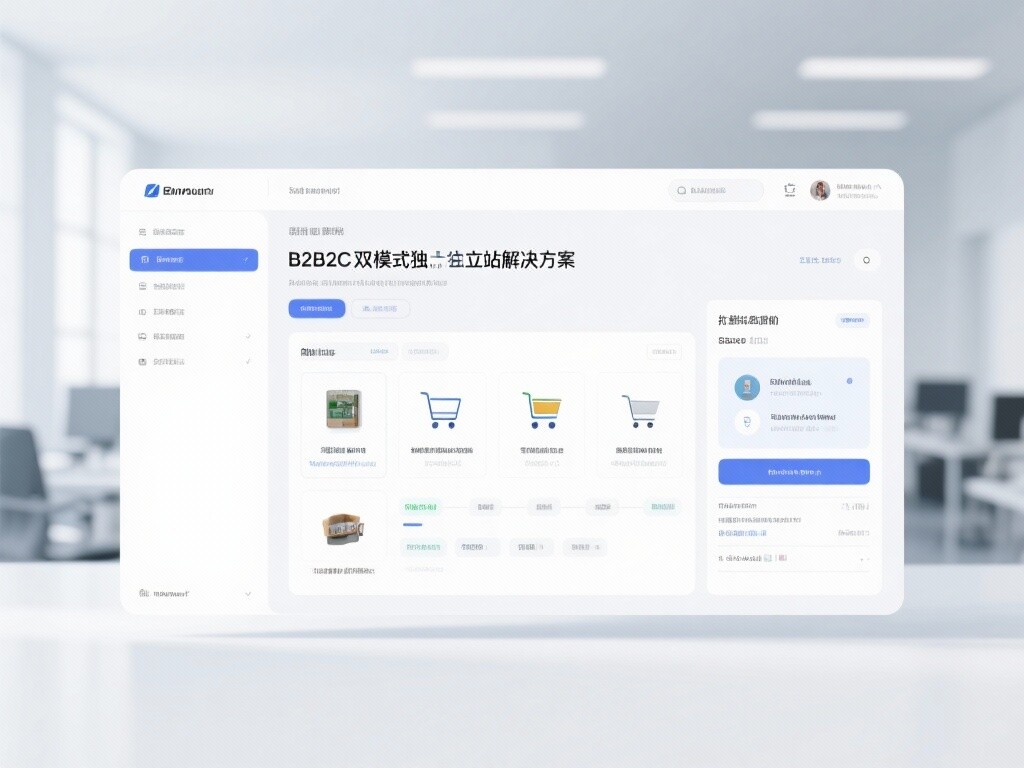
 B2B2C双模式独立站解决方案易营宝推出的B2B2C双模式独立站解决方案,专为同时开展批发与零售业务的企业打造。平台支持商品价格展示、商品多规格管理、购物车与购物车弹窗、购物车总价计算,以及统一批量询价等功能,帮助企业以更高效、更直观的方式触达B端与C端客户。通过云建站、大数据分析与广告智能投放体系,助力企业打破渠道壁垒,实现国内外市场拓展与品牌价值提升。