









- CBP Finalizes Electronic Rail Export Manifest Rule, Effective October 26, 2026Oct 26, 2026View details
- Amazon’s 2026 peak season surcharge takes effect on October 25Oct 26, 2026View details
- AI Is Eating SaaS: Three Real-World Cases in One AfternoonOct 25, 2026View details
- Exiger CEO: The SaaS Apocalypse Is Real, but It Means Something DifferentOct 25, 2026View details
- Hengqin Cooperation Zone Shares Cross-Border E-Commerce Developments, Focusing on Macao-Hengqin Collaboration and International MarketsOct 24, 2026View details
- A Shenyang study highlights the development of the “cross-border e-commerce + industrial cluster” modelOct 24, 2026View details
Should inquiry email templates be customized for different countries?
Yes, and the focus of customization is not merely translating English into the local language. Inquiry emails involve different business communication habits: some markets value complete information and direct responses; others place greater importance on forms of address, relationship building, and appropriate wording; customers in some regions may first confirm delivery terms, payment methods, or local after-sales arrangements. If the same template is used for all countries, even when the product, price, and delivery time are acceptable, an unsuitable email style may reduce their willingness to reply.
A more practical approach is to retain a unified core information framework while adjusting the order of presentation, language details, and next steps by country or region. The core framework usually includes: the product or model the customer has asked about, key specifications, the basis for the quotation, delivery information, and any missing conditions that need confirmation. What truly needs to be localized is how this information is presented, rather than writing every email from scratch.
First determine: which information must remain consistent, and which information should be adjusted
Product models, technical parameters, quantities, trade terms, validity periods, payment terms, and similar information should be managed consistently through internal documentation. In particular, dimensional units, material grades, surface treatments, packaging methods, and lead times must not change due to the expression habits of different markets. Email customization must not develop into uncontrolled information versions; otherwise, inconsistencies can easily arise among sales, engineering, production, and logistics teams.
The parts that need adjustment are mainly the opening, information density, degree of politeness, call to action, and follow-up pace. For example, when a customer only asks, “Please send price,” some markets accept directly receiving a price range and minimum order conditions; in other situations, asking first about the application, quantity, or destination port may appear more professional. Both approaches may be appropriate. The difference lies in the customer's procurement process and whether the current inquiry contains enough information to support a formal quotation.
Differences among markets are often reflected in the “order” of an email
North American customers often want to see comparable information quickly. For inquiries with clear specifications and quantities, the first half of the email can respond to pricing, lead time, and sample arrangements first, followed by brief bullet points on packaging, shipping, or customization limitations. Overly long company introductions and repetitive polite expressions can obscure what the customer actually needs to compare.
European customers are more likely to focus on whether the quotation terms are clear. For example, whether the price includes specific packaging, whether lead time is calculated from order confirmation or receipt of the advance payment, whether technical drawings need to be confirmed, and whether the product is suitable for a particular operating environment. Here, being “detailed” does not mean piling up parameters; it means clearly stating the prerequisites that affect the transaction. If any information has not yet been confirmed, it should be clearly marked as a “preliminary quotation based on the current inquiry” to prevent the customer from treating estimated conditions as final commitments.
Markets such as Japan and South Korea are generally more sensitive to the politeness of wording, completeness of structure, and accuracy of responses. Emails can place greater emphasis on thanking the customer, responding to each point of the inquiry, and clearly explaining attachments. Especially when the customer's requested conditions cannot be met, it is not advisable to simply write “cannot do” or “not available.” The email should explain whether the limitation comes from the minimum order quantity, processing method, lead-time arrangement, or available specifications, and provide actionable alternatives.
Regions such as the Middle East, Latin America, and Southeast Asia cannot simply be addressed using one type of “regional template.” Even within the same country, end customers, trading companies, engineering contractors, and e-commerce sellers may communicate differently. During initial contact, the name, job title, contact details, inquiry source, and project description are more useful than country labels in determining how direct the email should be and how much background information should be added.

Language localization does not mean word-for-word translation
The most common cause of misunderstanding is translating Chinese expressions sentence by sentence into English, and then translating English into other languages. In Chinese, phrases such as “the price can be negotiated further,” “we will try to arrange it,” and “there is no problem with the quality” may sound natural, but in cross-border business emails they lack actionable boundaries. Customers cannot determine whether a price adjustment is based on quantity, packaging, payment terms, or expectations of long-term cooperation; “we will try” also does not indicate whether production scheduling has already been arranged.
A more reliable approach is to break vague commitments down into conditions. For example: the current quotation is based on a certain quantity and packaging method; if the quantity is adjusted to a certain range, the unit price can be recalculated; the production cycle must be determined after the drawings or samples are confirmed. Complex vocabulary is not necessary here. The key is to enable the other party to provide a clear response.
When using the local language, attention must also be paid to measurement, date, and number formats. Whether dimensions are in millimeters or inches, weight is in kilograms or pounds, and dates are in “day/month/year” or “month/day/year” format can all affect understanding. When technical drawings, dimensional tolerances, color codes, thread specifications, or electrical parameters are involved, key items should be stated in the email body rather than only saying “see attachment.” Attachments may not be convenient to open on mobile devices and may also be lost during forwarding.
Templates should be layered by “inquiry maturity,” rather than classified only by country
Initial inquiries and repeat-purchase inquiries from the same country should not be written in the same way. When an initial inquiry lacks sufficient information, the goal is to quickly obtain the conditions that affect the quotation; for inquiries with complete specifications, the goal is to allow the customer to verify them quickly and move to the next step; for projects where samples or drawings have already been discussed, the version, changes, and confirmation deadline should be clearly stated.
- Inquiries with incomplete information: First confirm the product application, material or model, quantity, target market, and delivery location. Do not ask more than a dozen questions all at once; prioritize items that will change the quotation and feasibility.
- Inquiries that can be quoted directly: Clearly list the price, quantity unit, Incoterms, and the conditions from which lead time is calculated, and explain whether mold fees, sampling fees, inner and outer packaging, or freight are included.
- Custom product inquiries: The email should specify the drawing version, critical dimensions, surface treatment, color, testing requirements, and confirmation method. Simply referring to the customer's file name without specifying the version date can easily lead to execution based on incorrect documentation later.
- Follow-up after silence: Do not forward the previous long email unchanged. You may ask only about one specific point, such as whether the specifications have been confirmed, whether the project is still under evaluation, or whether a revised quotation based on another quantity is needed.
This type of layering can reduce the number of unnecessary country-specific templates. Otherwise, teams can easily accumulate numerous “US versions,” “German versions,” and “UAE versions” of emails without distinguishing inquiry stages. The result is merely a change of salutation and language, while the core issues remain unresolved.
Three common mistakes can make customization ineffective
First, turning politeness into verbosity. Business etiquette requires respect, but customers should be able to quickly find the answer after opening an email. An overly long opening, excessive brand introductions, and repeated thanks can push quotation terms and items requiring confirmation further down the email.
Second, determining the language based only on the country. A customer's company location, the contact person's commonly used language, and the actual location of the purchasing team may not be the same. If an inquiry comes from an English-language page, the contact uses English throughout, and English specifications are provided, forcibly switching to a machine-translated local language may instead increase the effort required to understand the message. The communication language actively used by the customer should take priority.
Third, overlooking time zones and response windows. No matter how appropriate the email content is, the customer's perception of responsiveness may be affected if follow-ups are always sent outside their working hours or if responses take a long time. For projects requiring internal confirmation, a brief acknowledgement can be sent first to explain what is being verified and the expected response time, followed by the complete quotation.
An effective inquiry email template should enable the customer to understand three things in a very short time: whether you have accurately understood the requirements, what conditions you can currently offer, and what information is still needed to proceed. Country-specific customization serves these three goals. First ensure that product and transaction information is accurate, then address differences in language, tone, and format. Only then can templates genuinely reduce communication back-and-forth rather than increase the maintenance burden.
Related Articles
 Before launching a new website, how can you use an SEO checklist to identify indexing barriers?
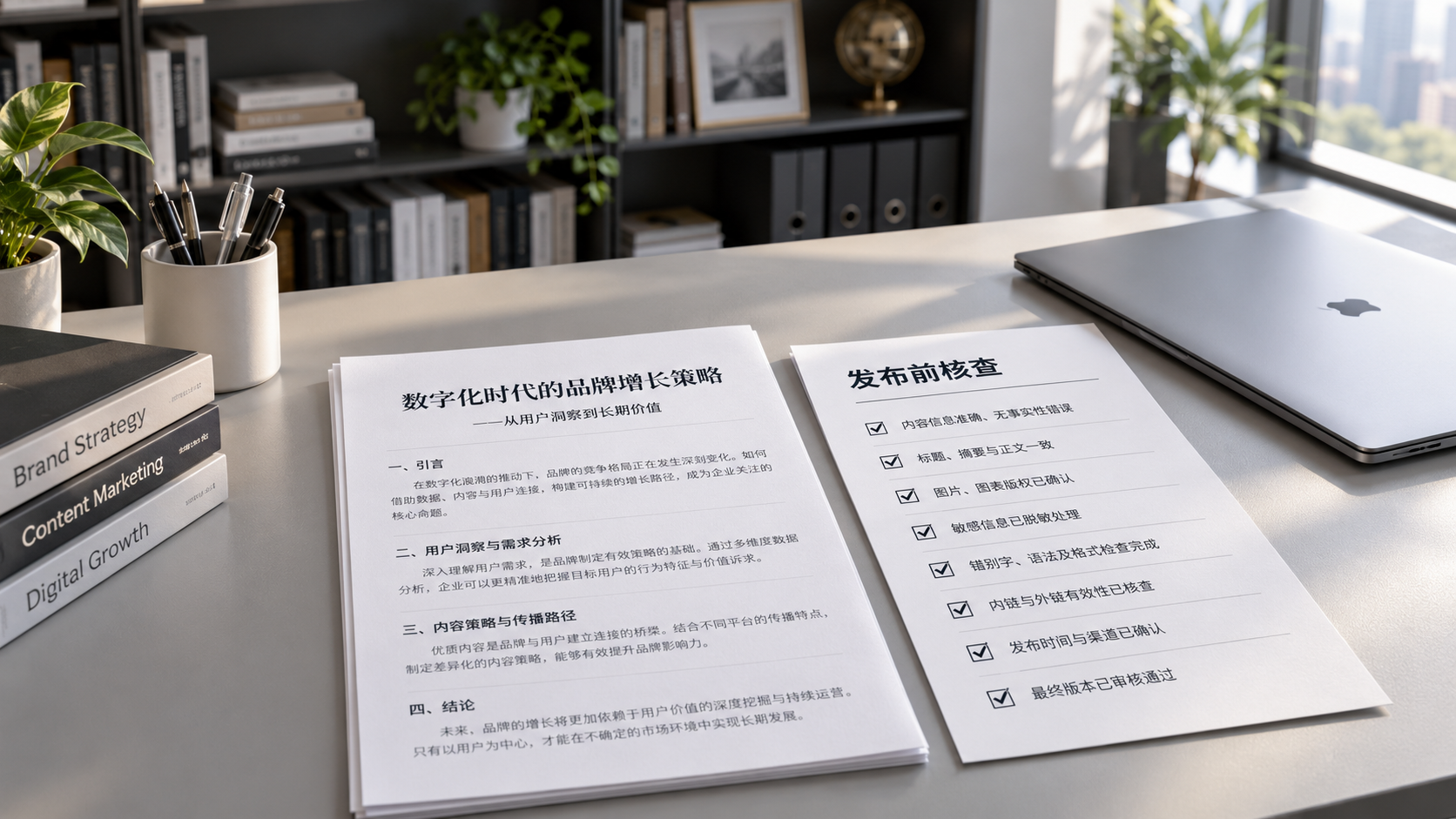
 What should be included in a pre-publication SEO content checklist?
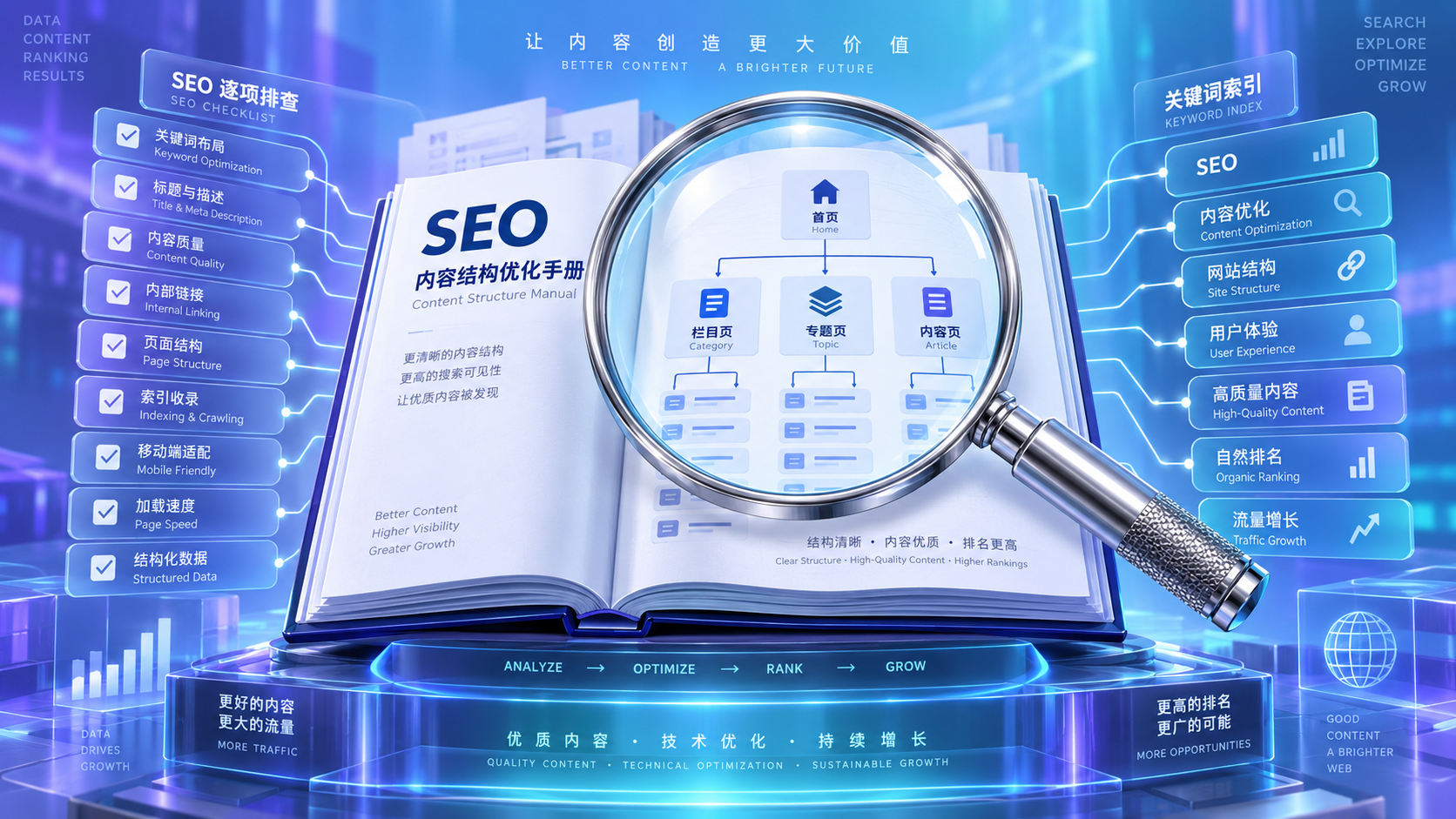
 Page SEO Optimization Checklist: Review Every Item from Title Tags to Content Structure

Related Products
 Yiyingbao SaaS Intelligent Website Building and Marketing SystemYiyingbao SaaS Intelligent Website Building and Marketing System, AI-powered no-code website building, rapid creation of multilingual B2B international websites in 10 minutes, global server acceleration, AI-powered SEO optimization, helping businesses connect efficiently with global markets. The perfect integration of technology and operation makes building an international trade website remarkably simple
 AI+SEM Intelligent Advertising Marketing SystemAI+SEM drives intelligent ad creation, empowering full-funnel precision advertising marketing. The system automatically generates weekly/monthly reports, AI recommends keywords and target countries, monitors core metrics in real-time with intelligent alerts, and enables one-click high-conversion ad solutions to help quickly acquire customers and improve ROI.
 AI+SEO Dual-Engine System Optimization ServicesYiyingbao’s AI+SEO dual-engine optimization system helps foreign trade enterprises acquire high-quality organic traffic through AI-powered keyword research, content generation, and comprehensive technical optimization, significantly improving search rankings and conversion rates.
 AI+SNS Social Media Marketing SystemYingbao AI+SNS Social Media Marketing System - Precision social capture for the social media era. Supports one-click content synchronization across major platforms like Facebook and LinkedIn. AI intelligently rewrites posts for enhanced relevance. 24/7 AI customer service and user profiling analysis empower businesses to efficiently expand into global markets.
 AI+SEO营销解决方案易营宝AI+SEO营销解决方案,通过AI批量写作、智能生成TDK、精准关键词扩词等功能,全面优化网站SEO效果,提升流量与转化率。助力企业构建高效智能网站新生态。
 AI+SEM Advertising Marketing SolutionsAI+SEM Advertising Marketing Solution leverages AI technology to deeply empower SEM ad campaigns. It automatically generates weekly/monthly reports using AI, presenting account data across multiple dimensions for comprehensive insights into campaign performance and trends. The system precisely recommends keywords and target countries, intelligently generates high-conversion ad copy, and enables one-click activation of efficient campaign plans to help businesses rapidly acquire customers. Simultaneously, it monitors core metrics in real time, intelligently identifies abnormal fluctuations, and issues timely alerts to ensure stable, high-return advertising results.
 Domain Name ServicesEasyWin provides professional domain name services, including intelligent queries, one-stop registration, brand protection, and full lifecycle management, helping businesses build a digital brand image.
 EasyOperate B2C Cross-Border E-Commerce Platform & Independent WebsiteEasyStore B2C Cross-border E-commerce Independent Store is an intelligent website building and cross-border e-commerce integrated solution independently developed by EasyStore Information Technology (Beijing) Co., Ltd. The system is specially designed for small and medium-sized as well as large export enterprises, integrating 'website building, operation, marketing, advertising, and conversion' into one, helping enterprises quickly establish cross-border e-commerce independent stores to achieve brand globalization and global sales growth.
The platform supports multiple languages, multiple currencies, and multi-channel marketing, with built-in AI intelligent translation and SEO optimization systems, suitable for mainstream markets such as Southeast Asia, Europe and America, Latin America, and the Middle East, assisting Chinese manufacturing enterprises in efficiently deploying international e-commerce strategies. SSL证书易营宝提供专业SSL安全证书服务,包括单域名和泛域名证书,确保网站数据传输加密、身份验证和完整性保护,助力企业建立安全可信的在线业务环境。









