









- The U.S. has ended the $800 de minimis exemption for non-postal shipments; express courier packages must be formally declared.Nov 16, 2026View details
- ASEAN Signs Digital Economy Framework Agreement, Moving Toward Harmonized Cross-Border E-Commerce RulesNov 15, 2026View details
- Shenzhen Becomes the First City in Mainland China to Exceed RMB 5 Trillion in Foreign TradeNov 15, 2026View details
- Fujian Announces the First Batch of Provincial-Level Cross-Border E-Commerce Industrial Parks and Key Brands for CultivationNov 14, 2026View details
- Amazon Global Store Announces the Launch of the 2026 Black Friday Global Shopping SeasonNov 14, 2026View details
- CCTV.com Examines APEC’s Role in China’s Foreign TradeNov 12, 2026View details
How can you evaluate the content quality of an AI marketing content provider?
How can you assess the content quality of an ai 마케팅 콘텐츠 업체? Business evaluators can establish clear criteria for assessing service providers by looking at accuracy, fit with target markets, search performance, and conversion potential. What really needs to be compared is not how many articles a provider can generate in a day, but whether the content stands up to scrutiny, is understood by target customers, and connects with the website’s lead-generation process.
Check whether the content is accurate, not just well written
AI can quickly organize product information, but it may not know which specifications apply to which model. It may also present certifications the customer has not yet obtained as established facts. For export-oriented manufacturers, an error in materials, specifications, or scope of application can lead to repeated explanations by the sales team and even undermine trust in inquiries.
For the assessment, provide each candidate provider with the same set of real product information and ask them to write a product description or purchasing guide. Check whether the specifications match the source material, whether missing information has been filled in without authorization, whether industry terminology is accurate, and whether key claims can be traced to their sources. Unsupported performance comparisons, certification claims, and delivery-time commitments should be revised or removed.
Also ask about the review process: Who checks the technical details? Who approves the wording for publication? How are customer-requested revisions tracked? If a provider shows only the final copy but cannot explain its sources or review responsibilities, even fluent writing makes it difficult to assess the consistency of future work at scale.
For multilingual content, assess market fit—not just translation
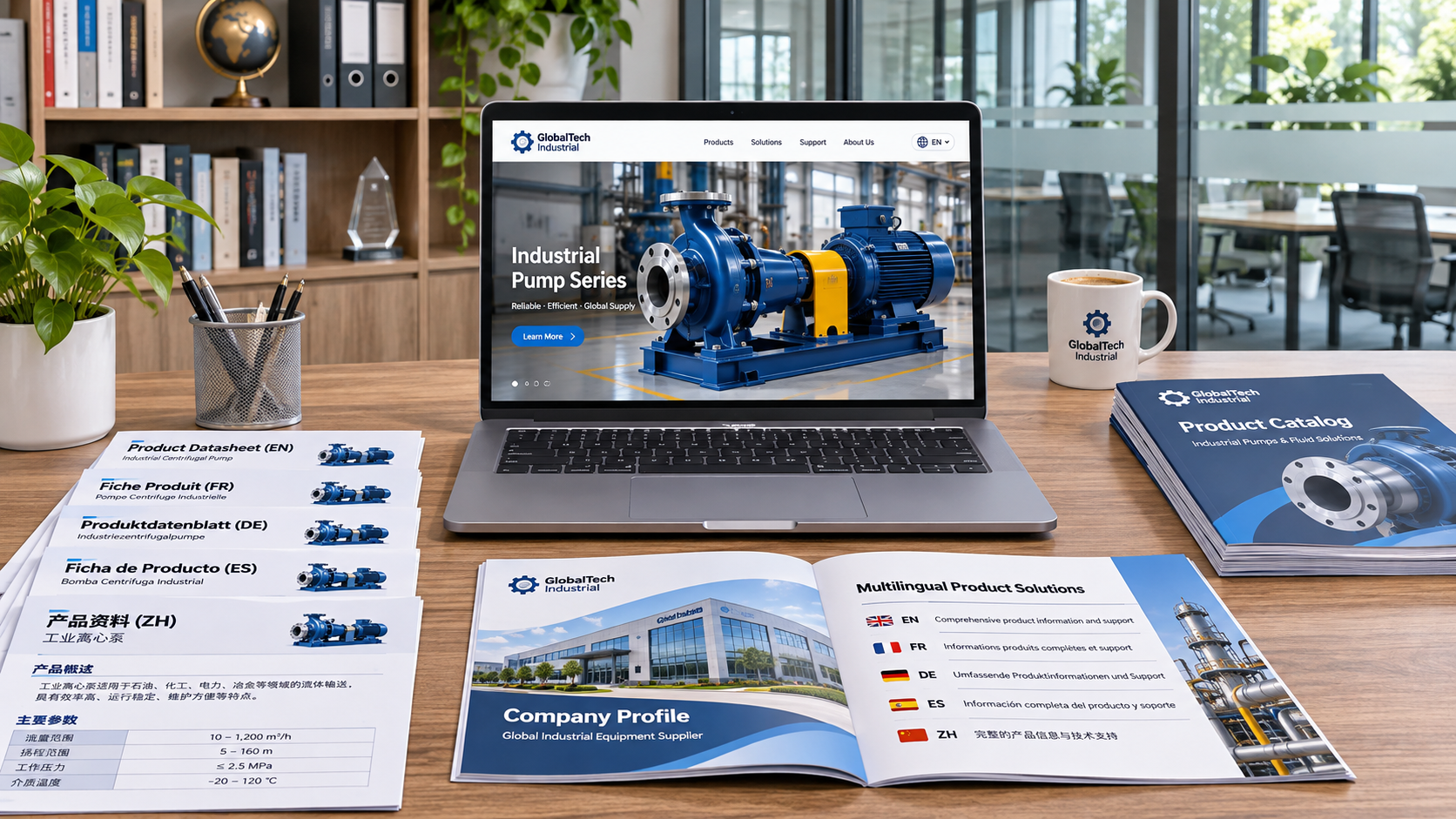
Content aimed at overseas buyers needs to answer the questions local customers actually ask. For example, buyers in different markets may focus on different voltage specifications, shipping conditions, after-sales service, or documentation requirements for the same industrial equipment. Providers should at least identify these differences and refer items requiring confirmation back to the company, rather than simply reusing Chinese marketing copy.
During a trial, have sales staff familiar with the target market check whether the terminology suits purchasing communications, units of measurement and contact details are clear, and the tone is appropriate for business customers. Content involving regulations, certifications, or platform requirements should also be verified against the target market and specific product; it should not be published based solely on machine-translated wording.
Another often overlooked issue is consistency across multilingual websites. The services described in an article should match those on the corresponding product and inquiry pages in each language. When a product is updated, it should also be clear who is responsible for updating the other language versions, so outdated information does not remain online.
Assess search performance in light of page and business goals
The search value of an article cannot be judged solely by how many times a keyword appears. A more practical question is whether it addresses early-stage research before a purchase, supplier comparisons, or a buyer preparing to request a quote. If a title attracts people looking for free tutorials while the body pushes a product, the traffic may not generate qualified business opportunities.
Ask the provider to explain the basis for its topic choices, target search intent, related pages, and internal-link plan. Check whether the title, meta description, and body are consistent. For an existing website, also check whether new content will compete with existing pages for the same search intent and whether the page is accessible and discoverable by search engines. Rankings and indexing depend on factors such as the competitive landscape and the website’s existing foundation, so do not accept vague promises to “guarantee rankings after publication.”
易营宝 offers SEO optimization solutions for corporate websites and cross-border independent websites, including keyword recommendations, multilingual content generation, and ranking tracking. When comparing solutions of this kind, confirm whether keyword suggestions are relevant to the products, whether reports identify specific page issues, and whether generated content is checked by a person. A full set of tools does not mean every piece of content is ready to publish.
Is there a gap between reading an article and making an inquiry?
Content quality is also reflected in what readers can do next. After reading an article about selecting equipment, a buyer may want to check specifications, download materials, or submit a request. If the article does not link to a product page, or the form asks for too much irrelevant information, traffic is unlikely to turn into leads the sales team can follow up on.
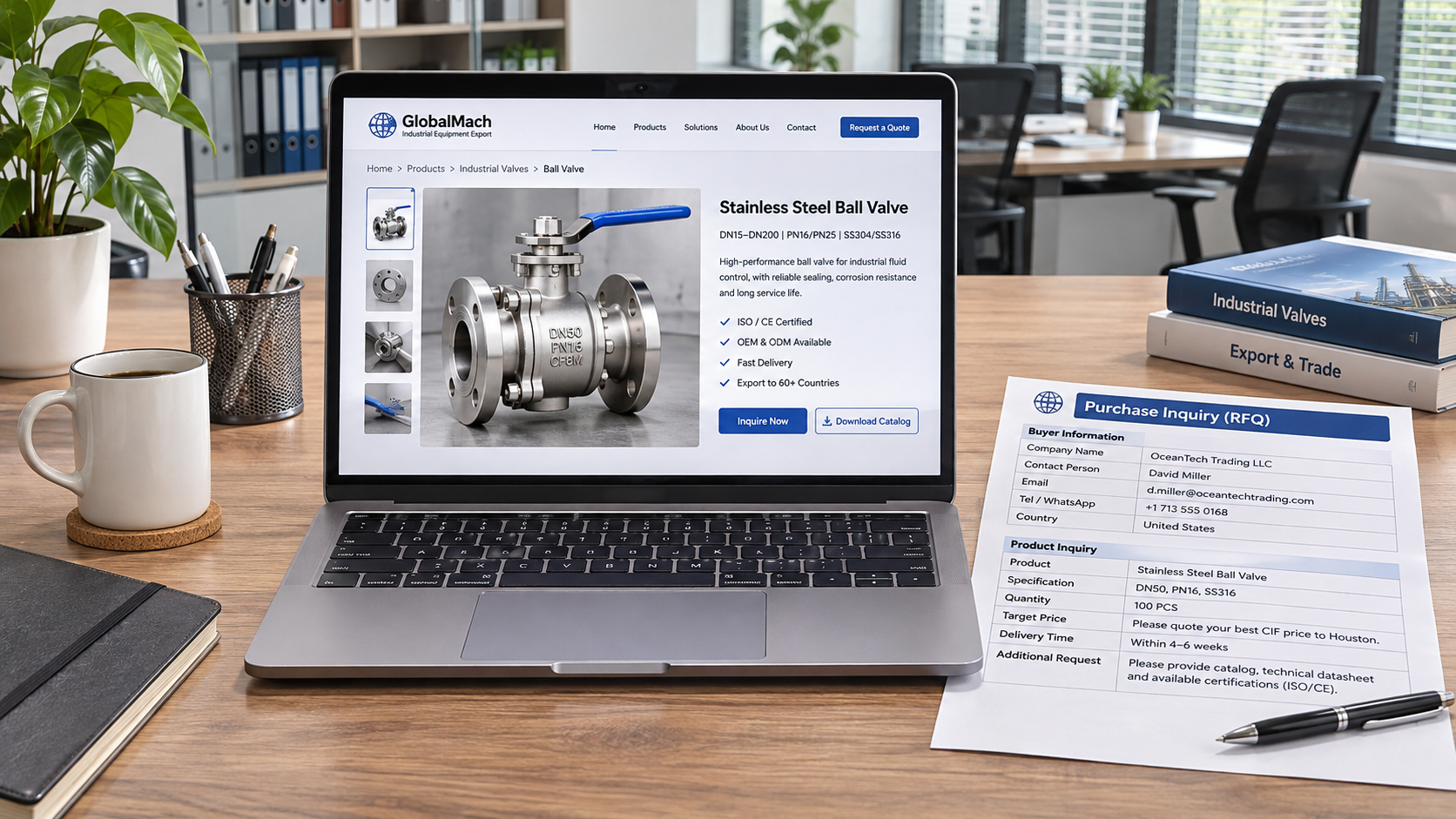
When assessing integrated website and marketing capabilities, follow the path from “search results → article → product page → inquiry form” and check whether mobile reading, page navigation, form submission, and lead delivery to sales all work smoothly. The same checks apply to advertising landing pages and social media traffic: Does the landing page actually answer the question promised at the point of entry?
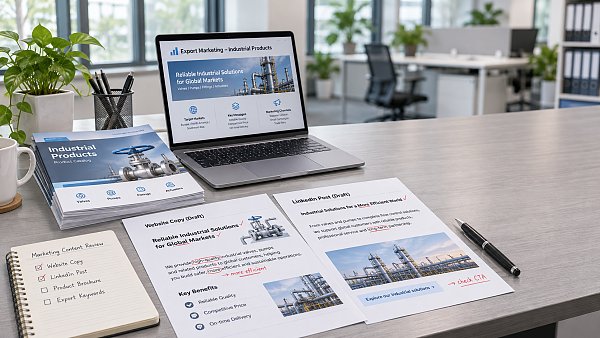
易营宝’s services cover website development, search, advertising, and social media, making it a useful reference when assessing integrated delivery. However, a broad service scope does not automatically mean that the same team handles every part. Before purchasing, confirm who is responsible for content, website changes, data configuration, and lead follow-up, and how issues will be identified.
Compare providers with a small-scale trial, not just by price
Before signing a formal contract, select one product category and one target market, and ask each candidate to provide topic ideas, a sample article, and page recommendations based on the same materials. In your comparison, look beyond delivery speed to how specific their questions are, whether they implement feedback, and whether the final content is easy for your team to maintain.
The contract and acceptance criteria should specify the quantity and languages of the content, responsibilities for providing source materials, the scope of human review, the number of revision rounds, image usage rights, and publishing permissions. If performance targets are involved, also agree on the analytics tools, start date, lead definition, and attribution method. Traffic, form submissions, and inquiries that meet the target customer criteria are not the same metric.
After the trial, decide whether to expand the partnership based on content accuracy, revision costs, page performance, and sales feedback. For projects that have been live only a short time, there may not yet be enough search data to draw conclusions. At this stage, checking the delivery process and page issues is more reliable than rushing to judge success by rankings.
Related Articles
 Do Domain Restrictions on Free Website Builders Affect Foreign Trade Businesses?
 What Customization Requirements Can a Global Website-Building SaaS Platform Meet?
 How Can You Tell Whether a Service Provider Can Improve Your Foreign Trade Website’s Conversion Rate?
Related Products
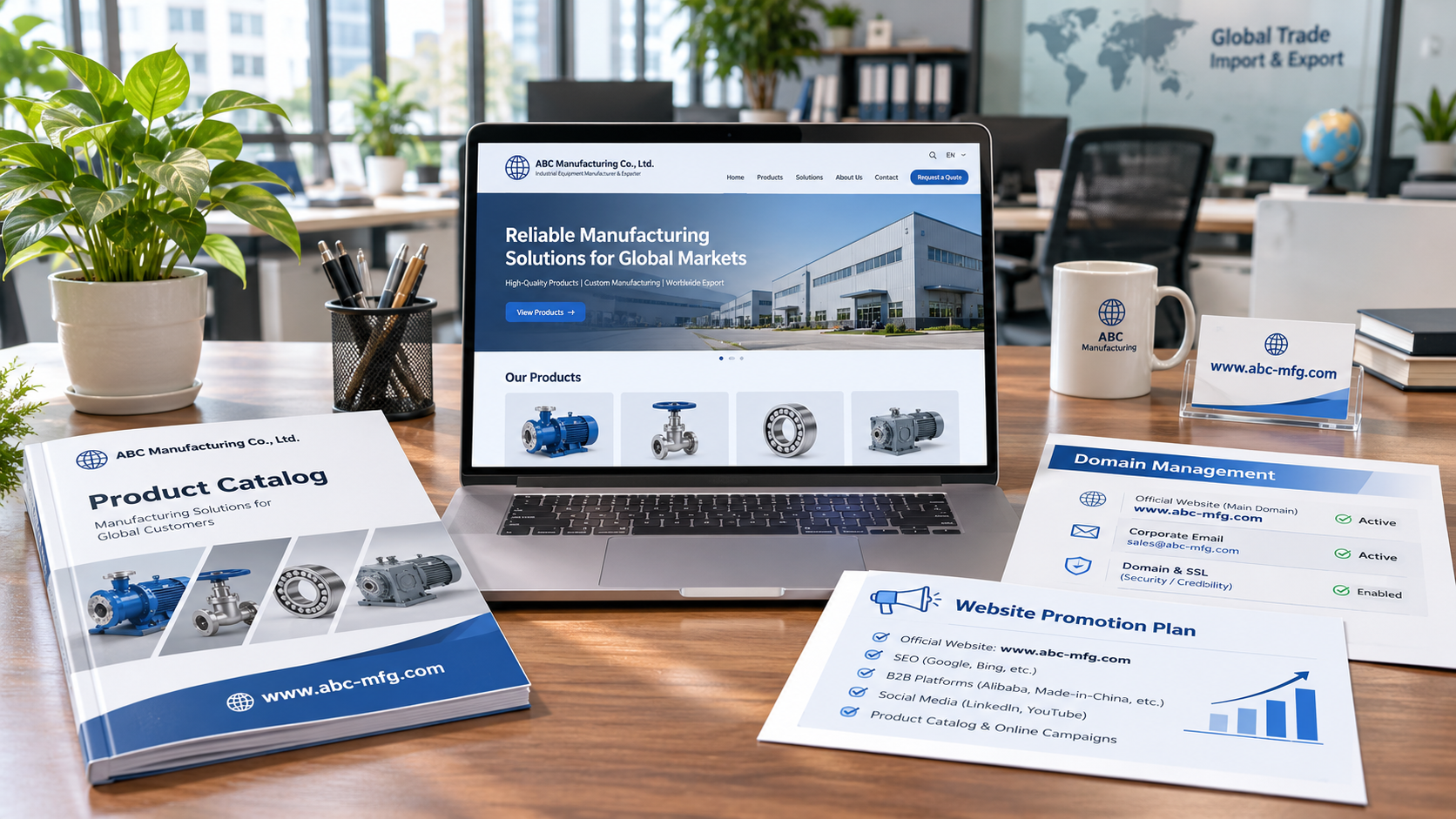
 Yiyingbao SaaS Intelligent Website Building and Marketing SystemYiyingbao SaaS Intelligent Website Building and Marketing System, AI-powered no-code website building, rapid creation of multilingual B2B international websites in 10 minutes, global server acceleration, AI-powered SEO optimization, helping businesses connect efficiently with global markets. The perfect integration of technology and operation makes building an international trade website remarkably simple
 AI+SEM Intelligent Advertising Marketing SystemAI+SEM drives intelligent ad creation, empowering full-funnel precision advertising marketing. The system automatically generates weekly/monthly reports, AI recommends keywords and target countries, monitors core metrics in real-time with intelligent alerts, and enables one-click high-conversion ad solutions to help quickly acquire customers and improve ROI.
 AI+SEO Dual-Engine System Optimization ServicesYiyingbao’s AI+SEO dual-engine optimization system helps foreign trade enterprises acquire high-quality organic traffic through AI-powered keyword research, content generation, and comprehensive technical optimization, significantly improving search rankings and conversion rates.
 AI+SNS Social Media Marketing SystemYingbao AI+SNS Social Media Marketing System - Precision social capture for the social media era. Supports one-click content synchronization across major platforms like Facebook and LinkedIn. AI intelligently rewrites posts for enhanced relevance. 24/7 AI customer service and user profiling analysis empower businesses to efficiently expand into global markets.
 AI+SEO营销解决方案易营宝AI+SEO营销解决方案,通过AI批量写作、智能生成TDK、精准关键词扩词等功能,全面优化网站SEO效果,提升流量与转化率。助力企业构建高效智能网站新生态。
 AI+SEM Advertising Marketing SolutionsAI+SEM Advertising Marketing Solution leverages AI technology to deeply empower SEM ad campaigns. It automatically generates weekly/monthly reports using AI, presenting account data across multiple dimensions for comprehensive insights into campaign performance and trends. The system precisely recommends keywords and target countries, intelligently generates high-conversion ad copy, and enables one-click activation of efficient campaign plans to help businesses rapidly acquire customers. Simultaneously, it monitors core metrics in real time, intelligently identifies abnormal fluctuations, and issues timely alerts to ensure stable, high-return advertising results.
 Domain Name ServicesEasyWin provides professional domain name services, including intelligent queries, one-stop registration, brand protection, and full lifecycle management, helping businesses build a digital brand image.
 EasyOperate B2C Cross-Border E-Commerce Platform & Independent WebsiteEasyStore B2C Cross-border E-commerce Independent Store is an intelligent website building and cross-border e-commerce integrated solution independently developed by EasyStore Information Technology (Beijing) Co., Ltd. The system is specially designed for small and medium-sized as well as large export enterprises, integrating 'website building, operation, marketing, advertising, and conversion' into one, helping enterprises quickly establish cross-border e-commerce independent stores to achieve brand globalization and global sales growth.
The platform supports multiple languages, multiple currencies, and multi-channel marketing, with built-in AI intelligent translation and SEO optimization systems, suitable for mainstream markets such as Southeast Asia, Europe and America, Latin America, and the Middle East, assisting Chinese manufacturing enterprises in efficiently deploying international e-commerce strategies. SSL证书易营宝提供专业SSL安全证书服务,包括单域名和泛域名证书,确保网站数据传输加密、身份验证和完整性保护,助力企业建立安全可信的在线业务环境。









