









- Fujian Announces the First Batch of Provincial-Level Cross-Border E-Commerce Industrial Parks and Key Brands for CultivationNov 14, 2026View details
- Amazon Global Store Announces the Launch of the 2026 Black Friday Global Shopping SeasonNov 14, 2026View details
- CCTV.com Examines APEC’s Role in China’s Foreign TradeNov 12, 2026View details
- China’s Tariff Commission of the State Council Adjusts Additional Tariffs on U.S. Goods: 24% Tariff Suspended for Two MonthsNov 10, 2026View details
- APEC Shenzhen Spotlight: Cross-Border E-Commerce Orders Promote Asia-Pacific Trade and Economic CooperationNov 08, 2026View details
- China-Europe Railway Express and CIIE Hold Business Matchmaking Event, Focusing on Cross-Border E-commerce B2B ExportsNov 07, 2026View details
What capabilities should be considered when selecting a global brand marketing service platform?
What Capabilities Should You Consider When Selecting a Global Brand Marketing Service Platform?
When many companies enter overseas markets, they first purchase website-building tools, then hire advertising agencies, and later add SEO, social media, and content teams. While each task appears to be moving forward, they often end up with fragmented data: traffic generated by ads does not stay, website content cannot support organic search, and sales teams struggle to identify the sources of inquiries they receive. As channels multiply, customer acquisition costs are not truly brought under control.
Therefore, when selecting a global brand marketing service platform, companies should not focus only on whether it can build websites or run ads. What they truly need is a growth capability that connects their official website, content, traffic, leads, and performance reviews. Especially for manufacturers and B2B exporters, an overseas website is not simply a corporate profile; it is a core asset that supports search, advertising, trade show follow-ups, and sales follow-up activities.
First Determine Whether the Platform Understands That a Website Is Marketing Infrastructure
The problem with many website-building projects is not visual design, but the inability to operate the site after launch. For example, product pages may lack clear application scenarios, specification logic, and inquiry entry points; pages for different countries may be merely machine-translated; advertising traffic may only be directed to the homepage; and when sales teams want to add new product content, they have to wait for technical staff to modify the code. Even if such a website looks attractive, it is difficult for it to support ongoing lead generation.
When evaluating a platform, focus on whether it can support marketing-oriented page structures, multilingual content management, mobile experience, form and conversion tracking, rapid landing page publishing, and ongoing content iteration. B2B companies should also pay particular attention to whether product categories are suitable for buyer searches: buyers often look for suppliers by material, process, application, certification requirements, or industry solutions, rather than browsing according to internal product codes used by Chinese companies.
At the technical level, do not simply accept broad claims such as “compliant with search engine rules.” More practical questions include: Can multilingual pages independently set titles, descriptions, and link rules? How are old links handled after a website redesign? Who investigates issues related to images, forms, speed, and indexing? These details determine whether a website is a one-time deliverable or a digital asset that can be operated over the long term.
Channel Integration Capabilities Matter More Than Having More Service Offerings
Global brand marketing service platforms typically cover services such as Google SEO, Google Ads, Facebook Ads, overseas social media, and short-form video, but a long service list does not mean channels are well coordinated. The real questions to ask are: Can advertising search terms inform SEO topics? Can social media content direct users to specific industry pages? Can leads from different channels be evaluated for quality using the same criteria?
Taking industrial product globalization as an example, search ads are suitable for reaching audiences with existing purchasing intent, SEO is better suited to covering technical questions and application needs throughout longer decision-making cycles, while social media is often used to build brand credibility, showcase factory capabilities, or reach potential customers who have not yet started searching. These three channels serve different purposes and should not be assessed solely by the number of inquiries. If a platform is only good at buying traffic but cannot help companies build high-quality pages and content, leads often disappear once the budget stops.

Data Attribution Should Guide the Next Budget Decision, Not Just Produce Reports
Decision-makers do not need to require precise attribution for every overseas lead, but the platform should at least help the team answer several key questions: Which countries or regions generate visits that are closer to target customers? Which product pages bring more effective inquiries? At which step do users drop off after clicking an ad? Is there overlap between inquiries generated by organic search and paid traffic?
Here, it is especially important to be wary of service models that provide “a lot of data but few conclusions.” Listing impressions, clicks, and follower growth in a monthly report does not directly prove that marketing efforts are effective. For B2B businesses, it is more valuable to connect actions such as form submissions, online communications, material downloads, and meeting bookings with pages, channels, and regions, and then have sales teams provide feedback on whether they represent valid business opportunities. If the platform cannot incorporate this layer of feedback, optimization can easily be misled by low-quality inquiries.
Before cooperation begins, companies should also clarify the ownership and handover arrangements for accounts, domains, website content, and advertising materials. Overseas expansion projects are usually not short-term, and companies should not lose historical data, site access, or accumulated content assets simply because they change service providers.
Localization Is Not Translation: Service Teams Should Be Able to Ask Follow-Up Questions
Purchasing habits, content preferences, and communication pace vary across markets such as North America, Europe, Southeast Asia, the Middle East, Japan and South Korea, and Latin America. Pages targeting German industrial customers may need to present technical documentation and delivery terms more clearly; content for Southeast Asian distributors may need to place greater emphasis on channel policies and response speed. A platform does not necessarily need to possess industry knowledge for every country on behalf of the company, but it should be capable of translating market differences into pages, keywords, materials, and lead-handling processes.
A reliable service team will often first ask the company questions in return: What is the profit structure of the key products? Which countries are not worth investing in? Can the sales team respond promptly in the target language? Are samples, lead times, and certification documents complete? These questions may not sound like marketing, but they directly affect whether subsequent advertising investment will be wasted. If a company lacks internal capacity to handle leads, no amount of traffic may prevent ineffective spending.
Assess Platform Capabilities, but Also Whether They Suit the Company’s Current Stage
Some companies are at the market validation stage and need multilingual websites that can go live quickly, advertising landing pages, and basic conversion tracking. Companies with stable orders may instead focus more on SEO content systems, brand search presence, cross-border e-commerce stores, and multi-channel data integration. Before selecting a platform, companies should first define their stage-specific goals rather than purchasing all services at once.
Take Yiyingbao as an example. Its services cover AI-powered website building, multilingual website development, B2B foreign trade marketing websites, cross-border e-commerce stores, Google SEO and advertising, Facebook advertising, overseas social media, short-form video marketing, and GEO generative engine optimization. Through its self-developed cloud intelligent website-building system, cross-border e-commerce system, AI advertising marketing system, and AI+SEO/GEO optimization system, it connects websites with promotion. The company was established in 2013 and is headquartered in Beijing, providing services for multiple overseas trade regions; according to its disclosed information, it was selected as one of China’s Top 100 SaaS Companies in 2023. The value of such integrated platforms lies not only in reducing communication among multiple suppliers, but also in whether website building, promotion, and data analysis can operate under the same business logic.
However, integration does not mean that companies can abandon their own judgment. The most prudent approach is to ask candidate platforms to use an actual product line or target market to explain how the website structure will be built, what the first batch of content will include, how advertising will be tested, how data will be fed back, and what will determine whether to increase investment or cut losses after three months. A platform that can clearly explain this path is usually more worthy of advancing to the next round of evaluation than one that only presents a list of features.
Related Articles
 What Customization Requirements Can a Global Website-Building SaaS Platform Meet?
 How Can You Tell Whether a Service Provider Can Improve Your Foreign Trade Website’s Conversion Rate?
 How can you evaluate the content quality of a Q&A content creation platform?

Related Products
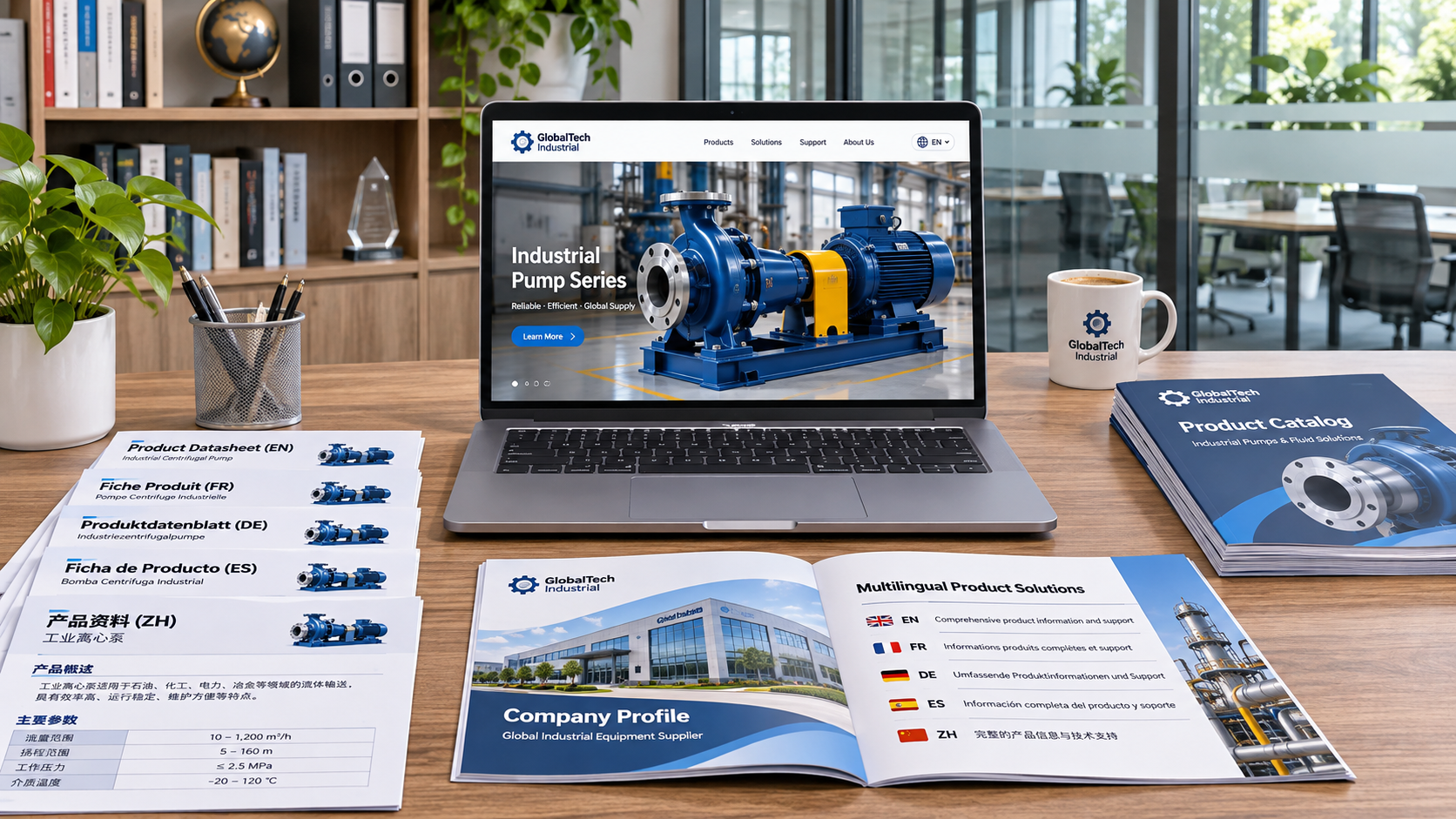
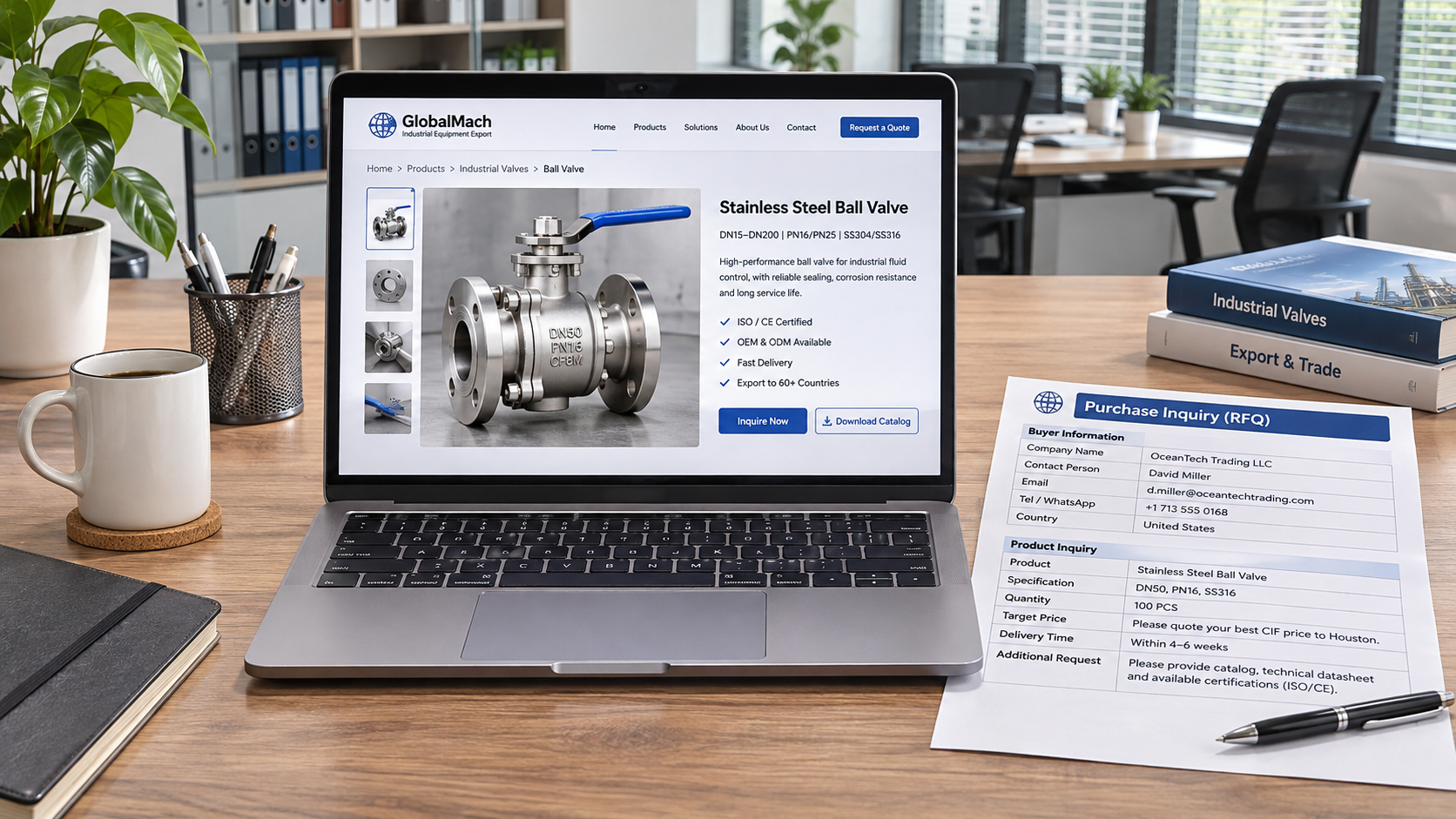
 Yiyingbao SaaS Intelligent Website Building and Marketing SystemYiyingbao SaaS Intelligent Website Building and Marketing System, AI-powered no-code website building, rapid creation of multilingual B2B international websites in 10 minutes, global server acceleration, AI-powered SEO optimization, helping businesses connect efficiently with global markets. The perfect integration of technology and operation makes building an international trade website remarkably simple
 AI+SEM Intelligent Advertising Marketing SystemAI+SEM drives intelligent ad creation, empowering full-funnel precision advertising marketing. The system automatically generates weekly/monthly reports, AI recommends keywords and target countries, monitors core metrics in real-time with intelligent alerts, and enables one-click high-conversion ad solutions to help quickly acquire customers and improve ROI.
 AI+SEO Dual-Engine System Optimization ServicesYiyingbao’s AI+SEO dual-engine optimization system helps foreign trade enterprises acquire high-quality organic traffic through AI-powered keyword research, content generation, and comprehensive technical optimization, significantly improving search rankings and conversion rates.
 AI+SNS Social Media Marketing SystemYingbao AI+SNS Social Media Marketing System - Precision social capture for the social media era. Supports one-click content synchronization across major platforms like Facebook and LinkedIn. AI intelligently rewrites posts for enhanced relevance. 24/7 AI customer service and user profiling analysis empower businesses to efficiently expand into global markets.
 AI+SEO营销解决方案易营宝AI+SEO营销解决方案,通过AI批量写作、智能生成TDK、精准关键词扩词等功能,全面优化网站SEO效果,提升流量与转化率。助力企业构建高效智能网站新生态。
 AI+SEM Advertising Marketing SolutionsAI+SEM Advertising Marketing Solution leverages AI technology to deeply empower SEM ad campaigns. It automatically generates weekly/monthly reports using AI, presenting account data across multiple dimensions for comprehensive insights into campaign performance and trends. The system precisely recommends keywords and target countries, intelligently generates high-conversion ad copy, and enables one-click activation of efficient campaign plans to help businesses rapidly acquire customers. Simultaneously, it monitors core metrics in real time, intelligently identifies abnormal fluctuations, and issues timely alerts to ensure stable, high-return advertising results.
 Domain Name ServicesEasyWin provides professional domain name services, including intelligent queries, one-stop registration, brand protection, and full lifecycle management, helping businesses build a digital brand image.
 EasyOperate B2C Cross-Border E-Commerce Platform & Independent WebsiteEasyStore B2C Cross-border E-commerce Independent Store is an intelligent website building and cross-border e-commerce integrated solution independently developed by EasyStore Information Technology (Beijing) Co., Ltd. The system is specially designed for small and medium-sized as well as large export enterprises, integrating 'website building, operation, marketing, advertising, and conversion' into one, helping enterprises quickly establish cross-border e-commerce independent stores to achieve brand globalization and global sales growth.
The platform supports multiple languages, multiple currencies, and multi-channel marketing, with built-in AI intelligent translation and SEO optimization systems, suitable for mainstream markets such as Southeast Asia, Europe and America, Latin America, and the Middle East, assisting Chinese manufacturing enterprises in efficiently deploying international e-commerce strategies. SSL证书易营宝提供专业SSL安全证书服务,包括单域名和泛域名证书,确保网站数据传输加密、身份验证和完整性保护,助力企业建立安全可信的在线业务环境。









