









- The U.S. has ended the $800 de minimis exemption for non-postal shipments; express courier packages must be formally declared.Nov 16, 2026View details
- ASEAN Signs Digital Economy Framework Agreement, Moving Toward Harmonized Cross-Border E-Commerce RulesNov 15, 2026View details
- Shenzhen Becomes the First City in Mainland China to Exceed RMB 5 Trillion in Foreign TradeNov 15, 2026View details
- Fujian Announces the First Batch of Provincial-Level Cross-Border E-Commerce Industrial Parks and Key Brands for CultivationNov 14, 2026View details
- Amazon Global Store Announces the Launch of the 2026 Black Friday Global Shopping SeasonNov 14, 2026View details
- CCTV.com Examines APEC’s Role in China’s Foreign TradeNov 12, 2026View details
Do Overseas Social Media Operations and Google SEO Conflict?
Introduction: Do overseas social media operations conflict with Google SEO? In fact, the two are not opposed: social media can expand brand reach and drive content distribution, while SEO builds long-term search traffic. The key is to align content strategy and conversion paths to achieve coordinated growth.
Companies searching for “Do overseas social media operations conflict with Google SEO?” are usually not looking to understand basic concepts. Instead, they are assessing how to allocate their budget, team capacity, and content resources.
This is particularly true for export-oriented factories, cross-border sellers, and global brands, which often already operate independent websites, run Google campaigns, or use social media channels such as Facebook and LinkedIn, but worry that investment across multiple channels may divert traffic from one another.
The conclusion is clear: overseas social media operations and Google SEO do not inherently conflict. What truly causes inefficiency is not the combination of channels, but inconsistent content objectives, disconnected landing pages, and focusing only on exposure rather than conversions.
First, Understand That They Serve Different User Needs
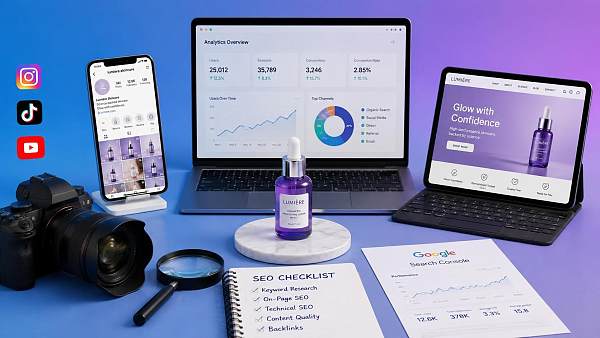
Google SEO targets users who already have clear search intent. For example, when buyers search for product models, suppliers, solutions, or industry applications, they are often already in the information comparison and selection stage.
Overseas social media operations are more focused on stimulating demand, building brand awareness, and maintaining relationships. When users come across case studies, videos, factory capabilities, or professional insights, they may not purchase immediately, but they begin to form an initial impression.
Therefore, SEO is more like acquiring traffic that actively comes to you, while social media continuously expands the potential customer pool. The former emphasizes search visibility, while the latter emphasizes reach frequency, engagement-based trust, and content distribution.
For B2B companies, their conversion cycles are particularly different. SEO traffic may go directly to an inquiry page, whereas social media users often follow an account, browse content, and then return to the official website to verify the company’s capabilities.
When Do Companies Mistakenly Believe That the Two Channels Conflict?
The most common issue is mechanically copying the same content. Companies publish website articles on social media without any changes to the title, images, or wording. As a result, the content lacks social media engagement and creates no additional value.
Another issue is a disconnect between keywords and brand messaging. The SEO team writes content solely around search terms, while the social media team only follows trending topics. After entering the website from a post, users find that the page does not address their original interest.
Some companies also view advertising data, social media data, and SEO data entirely separately, comparing only the traffic each generates. This makes it easy to overlook social media’s supporting value for branded searches, remarketing, and organic conversions.
The real conflict usually arises when resources are limited. For example, without a unified topic-selection mechanism, companies may simultaneously require frequent posting, continuous article writing, video production, and multilingual page updates, ultimately resulting in superficial execution across every task.
The Right Way to Coordinate: One Content Strategy, Multiple Touchpoints
A more effective approach is to first plan content around the customer decision-making journey, then adapt its presentation for each channel. One core topic can serve SEO articles, social media posts, short videos, email content, and sales materials at the same time.
For example, an industrial equipment company can create an in-depth SEO page around “how to select a certain type of automated equipment,” covering specifications, processes, delivery, case studies, and FAQs to capture Google search traffic.
On social media, the same topic can be broken down into factory footage, customer pain points, selection misconceptions, before-and-after application comparisons, and engineer explanations. This lowers the barrier to understanding and guides interested users back to the dedicated page.
This approach is not intended to make every post generate inquiries directly. Instead, social media expands content distribution, while the official website supports in-depth reading and conversion actions such as form submissions, catalog downloads, or consultation bookings.
Which Return-on-Investment Metrics Should Business Managers Focus On?
When determining whether overseas social media operations and Google SEO are worth investing in simultaneously, do not focus only on follower counts, likes, or the ranking of a single article. Traffic quality, growth in branded searches, and ultimate contribution to business opportunities deserve greater attention.
For SEO, key metrics include target keyword rankings, organic traffic, the share of visits from priority countries, time on page, inquiry rate, and cost per qualified lead. The core issue is not the number of rankings, but whether high-commercial-intent keywords are covered.
In addition to engagement rate, social media metrics should include website referral traffic, content saves and shares, direct-message inquiries, video-viewing quality, and whether social media visitors later search for brand terms or revisit the website.
For B2B businesses with high average order values and long decision cycles, quarterly evaluations are recommended. The value of social media often lies in shortening the time needed to establish trust, while the value of SEO continues to grow as content accumulates.
How Should Budgets Be Allocated Across Different Business Scenarios?
If a company has just launched an overseas independent website and its products have clear search demand, prioritizing website structure, product pages, multilingual content, and foundational Google SEO is more appropriate. These elements form the foundation for converting traffic from all subsequent promotional channels.
If a company is launching new products, expanding its brand globally, or entering an unfamiliar market, social media operations should be brought forward appropriately. Testing market feedback through LinkedIn, Facebook, Instagram, or short-video channels can validate content direction more quickly.
For cross-border e-commerce brands, social media and SEO typically need to operate in parallel. Social media is suitable for creating product discussions, accumulating content assets, and expanding repeat-purchase touchpoints, while SEO helps brands cover category terms, problem-related terms, and comparison-based search queries.
When budgets are limited, there is no need to cover every platform. Priority should be given to platforms where target customers are active, while building a content loop around high-value product lines that is searchable, shareable, and convertible.
Avoid These Four Common Mistakes During Implementation
First, do not treat social media accounts merely as product-poster boards. Overseas users are more willing to follow authentic case studies, industry experience, team expertise, production processes, and information that solves practical problems.
Second, do not stuff keywords solely for SEO. Google places greater importance on whether content comprehensively addresses the search query and whether the page provides a clear structure, reliable information, and a positive user experience.
Third, do not direct all social media links to the homepage. Different content should correspond to different landing pages. For example, case study content should lead to case study pages, selection-related content to guide pages, and product content to the relevant product pages.
Fourth, do not overlook data attribution. Only through UTM links, website analytics tools, and CRM lead records can companies identify the actual path between a customer’s first interaction, repeat visits, and final inquiry submission.
Conclusion: It Is Not a Choice Between Two Options, but a Long-Term Growth Mix
Overseas social media operations and Google SEO do not naturally conflict. The premise is that companies should not treat them as separate tasks, but plan them together around target markets, customer needs, and website conversions.
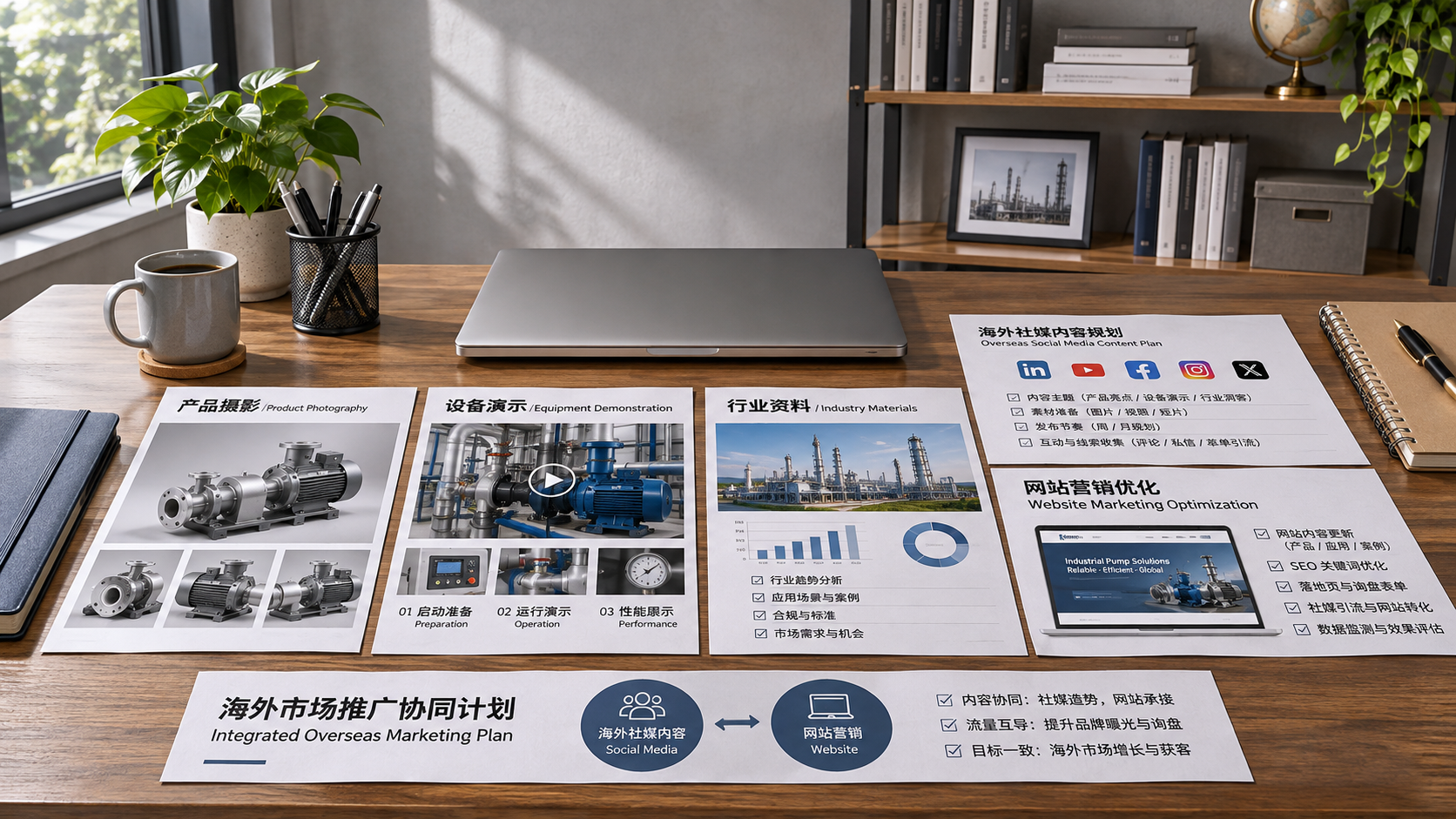
Social media helps companies become seen, remembered, and discussed by more potential customers, while Google SEO helps companies consistently appear when customers actively search. Only by combining the two can businesses cover the complete journey from awareness and comparison to inquiry conversion.
For companies expanding globally, what is more worthy of investment is not short-term data from a single channel, but sustainably accumulated digital assets: high-quality website content, clear multilingual pages, credible brand materials, and trackable customer journeys.
Related Articles
 How can you assess a social media management provider’s content delivery capabilities?
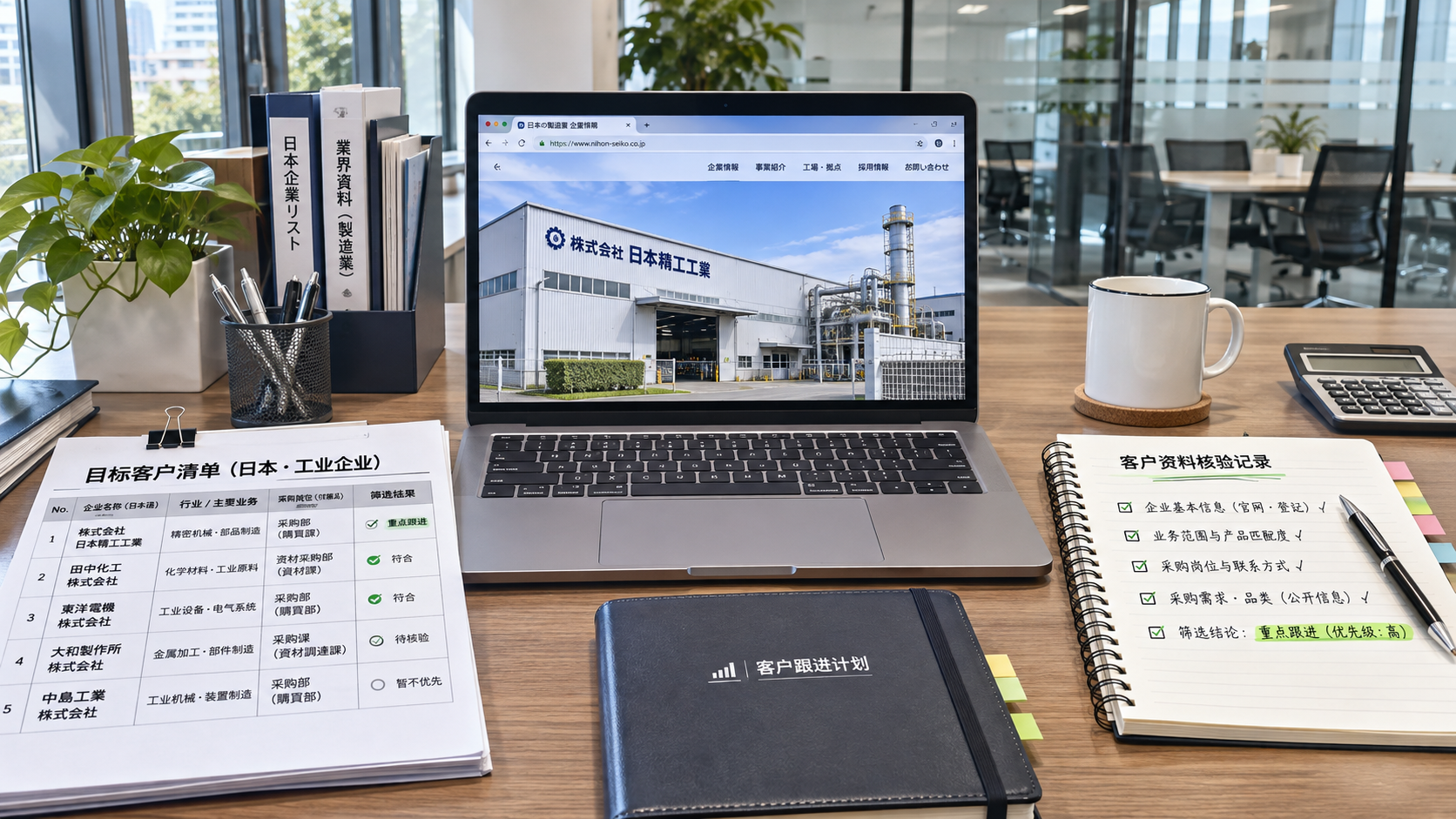
 How to Find Potential Customers in Japan Through LinkedIn?
 How to Choose a Platform for Overseas Social Media Brand Promotion?
Related Products
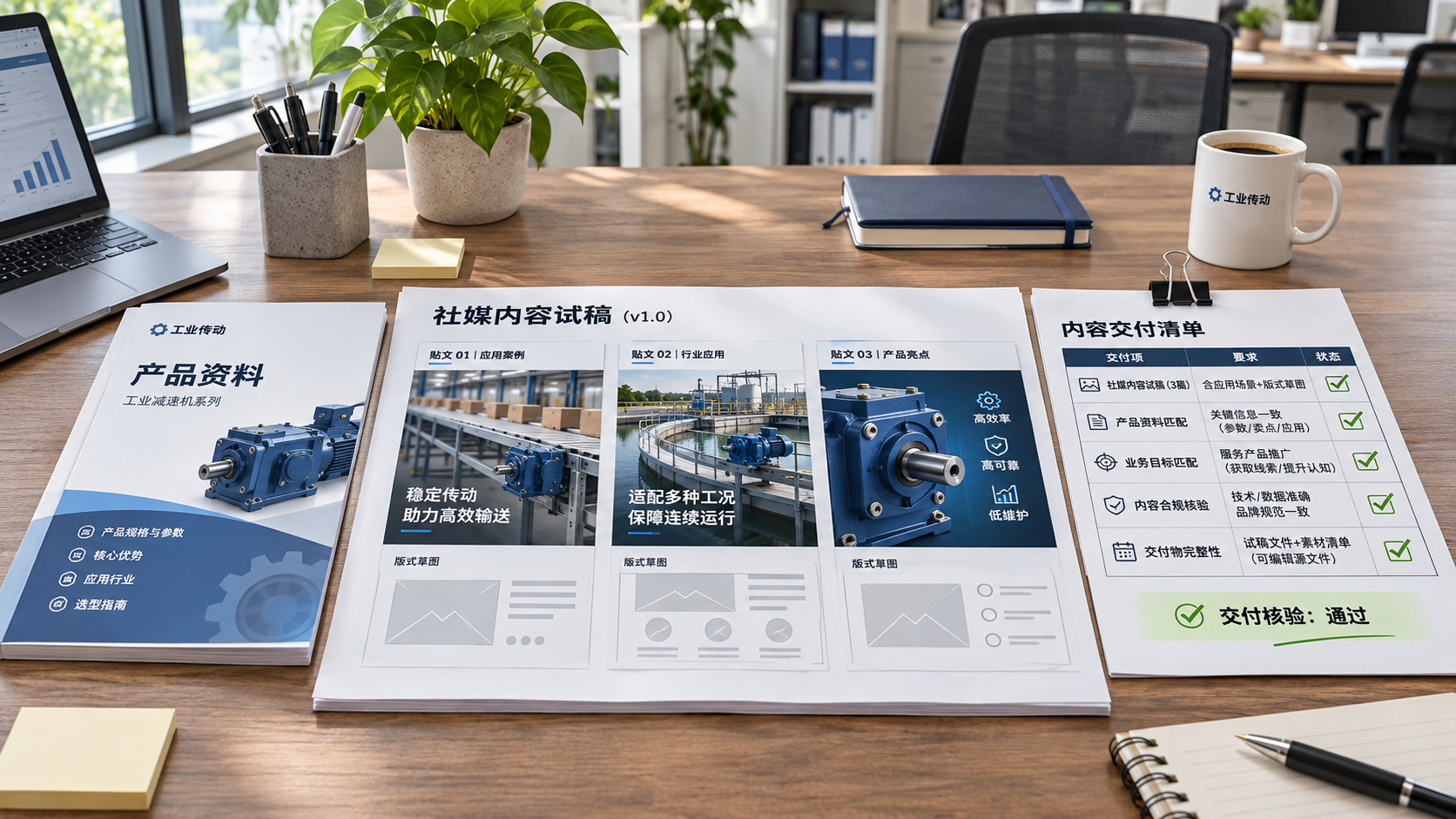
 Yiyingbao SaaS Intelligent Website Building and Marketing SystemYiyingbao SaaS Intelligent Website Building and Marketing System, AI-powered no-code website building, rapid creation of multilingual B2B international websites in 10 minutes, global server acceleration, AI-powered SEO optimization, helping businesses connect efficiently with global markets. The perfect integration of technology and operation makes building an international trade website remarkably simple
 AI+SEM Intelligent Advertising Marketing SystemAI+SEM drives intelligent ad creation, empowering full-funnel precision advertising marketing. The system automatically generates weekly/monthly reports, AI recommends keywords and target countries, monitors core metrics in real-time with intelligent alerts, and enables one-click high-conversion ad solutions to help quickly acquire customers and improve ROI.
 AI+SEO Dual-Engine System Optimization ServicesYiyingbao’s AI+SEO dual-engine optimization system helps foreign trade enterprises acquire high-quality organic traffic through AI-powered keyword research, content generation, and comprehensive technical optimization, significantly improving search rankings and conversion rates.
 AI+SNS Social Media Marketing SystemYingbao AI+SNS Social Media Marketing System - Precision social capture for the social media era. Supports one-click content synchronization across major platforms like Facebook and LinkedIn. AI intelligently rewrites posts for enhanced relevance. 24/7 AI customer service and user profiling analysis empower businesses to efficiently expand into global markets.
 AI+SEO营销解决方案易营宝AI+SEO营销解决方案,通过AI批量写作、智能生成TDK、精准关键词扩词等功能,全面优化网站SEO效果,提升流量与转化率。助力企业构建高效智能网站新生态。
 AI+SEM Advertising Marketing SolutionsAI+SEM Advertising Marketing Solution leverages AI technology to deeply empower SEM ad campaigns. It automatically generates weekly/monthly reports using AI, presenting account data across multiple dimensions for comprehensive insights into campaign performance and trends. The system precisely recommends keywords and target countries, intelligently generates high-conversion ad copy, and enables one-click activation of efficient campaign plans to help businesses rapidly acquire customers. Simultaneously, it monitors core metrics in real time, intelligently identifies abnormal fluctuations, and issues timely alerts to ensure stable, high-return advertising results.
 Domain Name ServicesEasyWin provides professional domain name services, including intelligent queries, one-stop registration, brand protection, and full lifecycle management, helping businesses build a digital brand image.
 EasyOperate B2C Cross-Border E-Commerce Platform & Independent WebsiteEasyStore B2C Cross-border E-commerce Independent Store is an intelligent website building and cross-border e-commerce integrated solution independently developed by EasyStore Information Technology (Beijing) Co., Ltd. The system is specially designed for small and medium-sized as well as large export enterprises, integrating 'website building, operation, marketing, advertising, and conversion' into one, helping enterprises quickly establish cross-border e-commerce independent stores to achieve brand globalization and global sales growth.
The platform supports multiple languages, multiple currencies, and multi-channel marketing, with built-in AI intelligent translation and SEO optimization systems, suitable for mainstream markets such as Southeast Asia, Europe and America, Latin America, and the Middle East, assisting Chinese manufacturing enterprises in efficiently deploying international e-commerce strategies. SSL证书易营宝提供专业SSL安全证书服务,包括单域名和泛域名证书,确保网站数据传输加密、身份验证和完整性保护,助力企业建立安全可信的在线业务环境。









