









- Fujian Announces the First Batch of Provincial-Level Cross-Border E-Commerce Industrial Parks and Key Brands for CultivationNov 14, 2026View details
- Amazon Global Store Announces the Launch of the 2026 Black Friday Global Shopping SeasonNov 14, 2026View details
- CCTV.com Examines APEC’s Role in China’s Foreign TradeNov 12, 2026View details
- China’s Tariff Commission of the State Council Adjusts Additional Tariffs on U.S. Goods: 24% Tariff Suspended for Two MonthsNov 10, 2026View details
- APEC Shenzhen Spotlight: Cross-Border E-Commerce Orders Promote Asia-Pacific Trade and Economic CooperationNov 08, 2026View details
- China-Europe Railway Express and CIIE Hold Business Matchmaking Event, Focusing on Cross-Border E-commerce B2B ExportsNov 07, 2026View details
How to Find Potential Customers in Japan Through LinkedIn?
How can you find potential customers in Japan through LinkedIn? This article explains practical ways to search for customers, build connections, and follow up, focusing on linkedin 見込み客 獲得.
The key to finding customers in Japan through LinkedIn is to identify people who may be involved in purchasing and then build trust with targeted content. LinkedIn is suitable for reaching companies with international business or overseas procurement needs, but it should not be your only customer acquisition channel.
For export sales representatives and marketers, a practical approach is to define target companies and roles, optimize your profile in Japanese or English, search in batches and send personalized invitations, then follow up based on engagement and gradually guide prospects to a product page or a meeting.
Step 1: First, determine which Japanese customers are worth targeting on LinkedIn
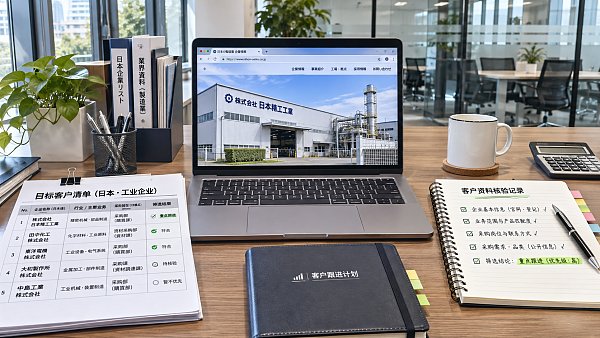
If your products serve manufacturing, industrial equipment, software services, or cross-border supply chains, prioritize Japanese companies with overseas branches, international procurement teams, or cross-border operations. Relevant employees at these companies may be more active on LinkedIn, and English-language information may be easier to find.
Start by creating a target account list that records each company’s industry, size, location, and potential procurement needs. For example, when selling industrial components, you could start with equipment manufacturers, system integrators, and their Japanese subsidiaries rather than searching for all manufacturing companies.
Also list the roles you need to reach, including procurement, technical, product, and business leaders. Purchasing decisions at Japanese companies may involve multiple departments. Finding one contact is only the starting point; you also need to understand whether that person is involved in product selection, evaluation, or supplier management.
Some Japanese companies or roles have limited information on LinkedIn. Few search results do not necessarily mean there is no demand. In such cases, verify the company using its website, industry trade show directories, and public information, then decide whether to contact it through another suitable channel.
Step 2: How to search for Japanese companies and potential contacts
Enter industry terms, product terms, or a company name in LinkedIn’s search bar. Then switch to the “Companies” or “People” results and narrow your search using available filters such as location, current company, and industry. The interface and filters may vary depending on your account and version.
Try keywords in both Japanese and English. For example, to find procurement professionals, combine “調達,” “購買,” “procurement,” and “purchasing.” To find manufacturing customers, try “製造業,” “manufacturer,” and specific product names.
Do not focus only on people whose job titles are an exact match. Some profiles use English job titles, while others list only a department or business area. Reviewing a person’s profile, work history, team, and public posts is more reliable than judging them solely from search results.
Record relevant prospects in a spreadsheet or customer relationship management system. At a minimum, include their name, company, job title, profile link, reason for matching, contact date, and next action. Deduplicate your list after each search to avoid multiple sales representatives contacting the same person.
If you need more detailed filtering and customer management features, consider paid tools such as LinkedIn Sales Navigator. Check the official website for current features, pricing, and trial terms. Validate your target audience with the free features first, then decide whether an investment is worthwhile.
Step 3: Before sending an invitation, make sure your profile looks credible
After receiving an invitation, potential customers will usually check your profile. Use a clear profile photo, and state your target customers, product area, and the problems you can solve in your headline or summary. Show your genuine work experience and avoid vague statements such as “looking for buyers.”
When preparing materials for Japanese customers, use Japanese or English according to your target audience, and ensure that the company name, product specifications, and contact details are consistent. Have Japanese content reviewed by someone familiar with business language, paying particular attention to honorifics, units, and technical terms.
Your company page and website should also stand up to scrutiny. Provide product specifications, application scenarios, quality management information, and a clear way to get in touch. When mentioning certifications, lead times, or customer cases, include only information that is accurate and verifiable.
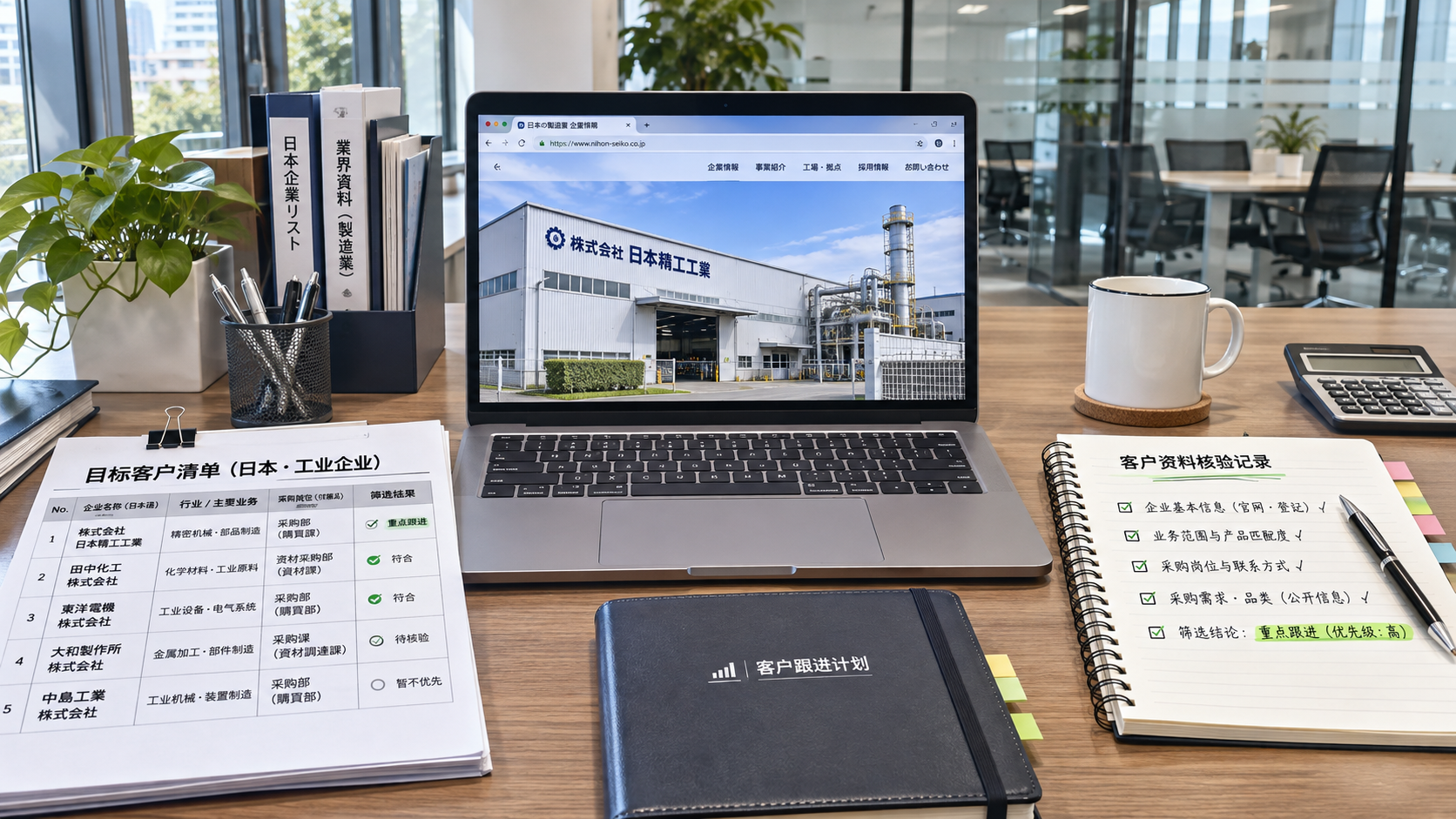
If target customers are likely to visit your website, first check that the Japanese or English pages load properly, are easy to read on mobile devices, and have a working inquiry form. Interest on social media is more likely to turn into a qualified lead when visitors can move smoothly to a credible page.
Step 4: How to send invitations that are more likely to get a response
Before sending an invitation, review the person’s role, company business, and public posts, and find a genuinely relevant point of connection. Your invitation note does not need to introduce your entire product catalog. Simply explain who you are, why you are reaching out, and what specifically you would like to discuss.
For example, you can adapt the following Japanese invitation message to suit the recipient: “突然のご連絡失礼いたします。弊社は産業用部品を扱っております。貴社の事業に関心があり、情報交換できれば幸いです。”
This message communicates who you are, what interests you, and your willingness to exchange information, but you should still add genuine business context. If the recipient uses English, you can also communicate in concise English. Do not use a language you cannot continue communicating in just to appear local.
Avoid asking directly about procurement plans, quotation opportunities, or meeting times in your first invitation. Do not praise the recipient’s company without having verified the relevant facts. A reasonable explanation for contacting someone about a specific business matter is more effective for building trust than sending the same sales pitch to a large number of strangers.
Step 5: How to follow up after your invitation is accepted without being too pushy
After your invitation is accepted, start with a brief thank-you and share a useful piece of information related to a question the recipient may care about. For example, share a relevant material selection guide with an equipment manufacturer and ask whether they are responsible for that area, rather than immediately sending a lengthy quotation.
If the recipient responds, adapt the conversation to their role. Procurement professionals may care about supply reliability and lead times, while technical staff may focus more on specifications and testing methods. Confirm their needs and responsibilities first, then offer to send materials or schedule a short meeting to avoid unnecessary back-and-forth.
If there is no reply, follow up briefly once after an interval, provide new relevant information, and make it easy for the recipient to decline. If there is still no response, stop sending frequent reminders and instead monitor public posts for new opportunities to engage.
Record the content and outcome of each interaction, and comply with LinkedIn’s terms of use and applicable privacy and marketing requirements. Do not add someone’s contact details to a bulk mailing list without their consent. If they clearly say they are not interested, stop contacting them promptly.
How to assess the effectiveness of your outreach and keep improving
Review the number of new target customers, accepted invitations, meaningful replies, and leads that progress to further discussions each week. A meaningful reply is business-related, such as confirming responsibilities, asking a technical question, or agreeing to review materials—not simply a polite thank-you.
If your acceptance rate is low, check whether you are targeting the right roles, whether your profile looks credible, and whether your reason for reaching out is specific. If few people reply after accepting, review whether your first message is too long and whether its value is clear. Prioritize changing one part of the process at a time so you can compare the results.
Also track how social media leads behave after they reach your website, including visits to information pages, form submissions, and subsequent sales opportunities. If customers are willing to talk but rarely submit inquiries, the issue may be the page language, product information, or contact process. Review your actual records to identify the cause.
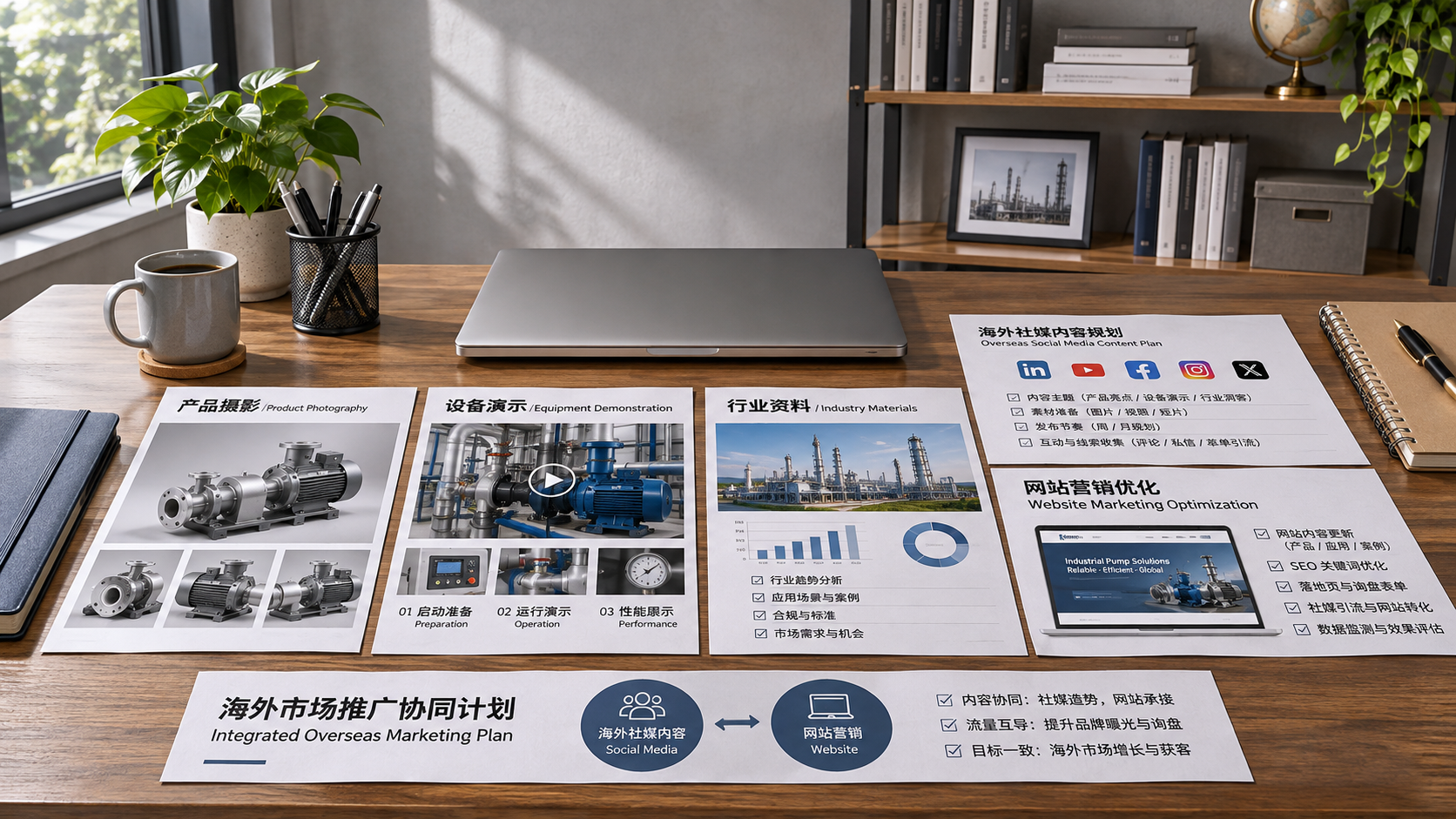
Teams with limited resources can start with one niche industry, conduct small-scale searches and outreach consistently, and expand after gathering genuine feedback. If you need to improve your multilingual website, social media content, and search-based customer acquisition process, you can also assess whether a provider such as 易营宝 meets your needs.
In short, finding potential customers in Japan through LinkedIn requires a connected process of precise searching, credible presentation, and measured follow-up. First verify that your target customers are active, then use relevant information to encourage conversation, and support the process with your website and other channels to gradually improve lead quality.
Related Articles
 How to Find Potential Customers in Japan Through LinkedIn?
 How to Choose a Platform for Overseas Social Media Brand Promotion?
 Vietnam’s E-commerce Market Share Gap Narrows in Q3: Shopee and TikTok Shop Differ by 1.7 Percentage Points

Related Products
 Yiyingbao SaaS Intelligent Website Building and Marketing SystemYiyingbao SaaS Intelligent Website Building and Marketing System, AI-powered no-code website building, rapid creation of multilingual B2B international websites in 10 minutes, global server acceleration, AI-powered SEO optimization, helping businesses connect efficiently with global markets. The perfect integration of technology and operation makes building an international trade website remarkably simple
 AI+SEM Intelligent Advertising Marketing SystemAI+SEM drives intelligent ad creation, empowering full-funnel precision advertising marketing. The system automatically generates weekly/monthly reports, AI recommends keywords and target countries, monitors core metrics in real-time with intelligent alerts, and enables one-click high-conversion ad solutions to help quickly acquire customers and improve ROI.
 AI+SEO Dual-Engine System Optimization ServicesYiyingbao’s AI+SEO dual-engine optimization system helps foreign trade enterprises acquire high-quality organic traffic through AI-powered keyword research, content generation, and comprehensive technical optimization, significantly improving search rankings and conversion rates.
 AI+SNS Social Media Marketing SystemYingbao AI+SNS Social Media Marketing System - Precision social capture for the social media era. Supports one-click content synchronization across major platforms like Facebook and LinkedIn. AI intelligently rewrites posts for enhanced relevance. 24/7 AI customer service and user profiling analysis empower businesses to efficiently expand into global markets.
 AI+SEO营销解决方案易营宝AI+SEO营销解决方案,通过AI批量写作、智能生成TDK、精准关键词扩词等功能,全面优化网站SEO效果,提升流量与转化率。助力企业构建高效智能网站新生态。
 AI+SEM Advertising Marketing SolutionsAI+SEM Advertising Marketing Solution leverages AI technology to deeply empower SEM ad campaigns. It automatically generates weekly/monthly reports using AI, presenting account data across multiple dimensions for comprehensive insights into campaign performance and trends. The system precisely recommends keywords and target countries, intelligently generates high-conversion ad copy, and enables one-click activation of efficient campaign plans to help businesses rapidly acquire customers. Simultaneously, it monitors core metrics in real time, intelligently identifies abnormal fluctuations, and issues timely alerts to ensure stable, high-return advertising results.
 Domain Name ServicesEasyWin provides professional domain name services, including intelligent queries, one-stop registration, brand protection, and full lifecycle management, helping businesses build a digital brand image.
 EasyOperate B2C Cross-Border E-Commerce Platform & Independent WebsiteEasyStore B2C Cross-border E-commerce Independent Store is an intelligent website building and cross-border e-commerce integrated solution independently developed by EasyStore Information Technology (Beijing) Co., Ltd. The system is specially designed for small and medium-sized as well as large export enterprises, integrating 'website building, operation, marketing, advertising, and conversion' into one, helping enterprises quickly establish cross-border e-commerce independent stores to achieve brand globalization and global sales growth.
The platform supports multiple languages, multiple currencies, and multi-channel marketing, with built-in AI intelligent translation and SEO optimization systems, suitable for mainstream markets such as Southeast Asia, Europe and America, Latin America, and the Middle East, assisting Chinese manufacturing enterprises in efficiently deploying international e-commerce strategies. SSL证书易营宝提供专业SSL安全证书服务,包括单域名和泛域名证书,确保网站数据传输加密、身份验证和完整性保护,助力企业建立安全可信的在线业务环境。









