









Related recommendations
- Eight Departments, Including the Ministry of Commerce, Issue the 15th Five-Year Plan for the Development of Trade in ServicesNov 27, 2026View details
- General Administration of Customs Issues New Rules on Import and Export Cosmetic Labeling, Effective December 1Nov 26, 2026View details
- U.S. to Announce Section 301 Investigation Findings on 16 Economies, Potentially Proposing New TariffsNov 26, 2026View details
- Hapag-Lloyd’s $4.2 billion acquisition of ZIM faces a closing delay; ZIM reports third-quarter net profit of $830 millionNov 24, 2026View details
- SCFI falls for a third straight week to 3,503.78 points, with blank sailings on trans-Pacific routes rising to 10Nov 24, 2026View details
- Lazada 11.11 Mega Sale: LazMall Contributes Nearly Two-Thirds of GMVNov 23, 2026View details
Which metrics should you look at in an SEO traffic analysis to find pages that are truly losing traffic?
Publish date:Nov 27, 2026
Author:Easy Yingbao (Eyingbao)
Page views:

How can you analyze SEO traffic to find pages that are truly losing traffic? Don’t focus only on the overall traffic trend. First compare clicks, impressions, and average position, then break down traffic losses by landing page and keyword. Distinguish ranking shifts from seasonality and crawling issues, prioritize fixes by their potential value, and quickly identify the pages worth fixing first. Click to view the full method.
Inquire now : 4006552477
When overall traffic declines, the first question to clarify is not how much traffic has been lost, but where it has been lost. A 30% drop in clicks across the site could mean that a handful of core pages have lost most of their traffic, or that a large number of long-tail pages have each lost a little. The latter may look more dispersed, but it is harder to address; the former is more concentrated and often has a more specific cause. Looking only at the overall trend can easily lead you to treat these two situations as the same.
When conducting SEO traffic analysis, start by comparing clicks, impressions, and average position over the same period. Clicks represent actual visits to the site, impressions are the number of times a page appears in search results, and average position is a combined reflection of ranking positions. Each of these metrics can be misleading on its own: a drop in clicks could be caused by fewer impressions, or by a lower click-through rate despite unchanged rankings; if impressions increase but clicks do not, the page is being seen but not clicked.
First break down the traffic loss by page, then by keyword
The first step is to break down click changes by landing page. Use a sufficiently long comparison period, such as one complete month versus the previous month, or the same period year over year, to rule out daily fluctuations. After sorting the results, you will usually find that the traffic loss is concentrated on a dozen or so pages. Then look at the keywords for those pages: has the ranking of one core keyword dropped, or have several related keywords all slipped? When a core keyword loses rank, clicks to the page can shrink significantly; when several keywords decline across the board, it is more likely that the page has an issue with overall relevance or content freshness.
The keyword structure within a page also matters. A page may target brand, product, and informational keywords at the same time. If brand keywords maintain their rankings but clicks decline, search demand itself may be changing. If impressions for product keywords remain stable but rankings fall from the first page to the second, clicks can drop sharply, because click-through rates on the second page are nowhere near those on the first. Grouping keywords by intent is more useful for pinpointing the issue than looking only at average position.
A ranking drop means different things at different positions
Average position is a metric that can be obscured by averages. A page dropping from position 3 to position 5 and one dropping from position 11 to position 18 may both appear to have lost a few positions, but the actual impact is completely different. The first page is still on page one and can still attract clicks; the second has already fallen off page one, where both impressions and clicks can disappear. When reviewing ranking changes, consider the specific position range rather than just the numerical difference.
You should also distinguish between ranking fluctuations and sustained declines. A short-term movement of one or two positions is a normal result of competition and does not require immediate changes to the page. If rankings continue to fall over several weeks, or multiple similar pages decline at the same time, check whether newer pages have outperformed the content and whether the title and description still match current search intent. If search intent changes while the page content stays the same, a ranking decline is only a matter of time. Click-through rate is another signal that is often overlooked. If rankings and impressions remain unchanged but click-through rate falls, the problem is likely with how the page appears on the search results page. The clarity of the title, whether the description answers what users care about most, and whether new rich results are taking up space in the results can all affect clicks. Conversely, if click-through rate rises while total clicks fall, the page itself has not deteriorated; it has simply had fewer opportunities to appear, with the underlying cause lying in rankings or indexing.
Seasonality, crawling, and page status can distort the trend
Some traffic losses have nothing to do with page quality. Demand in some industries is seasonal, and holidays, purchasing cycles, and trade shows can all cause search volumes to rise and fall naturally. In these cases, impressions change first, clicks follow, and rankings remain largely unchanged. Looking only at clicks may make you think the page has a problem. Comparing year-over-year data or checking whether similar pages are changing in the same way can help rule out this kind of interference.
Crawling and indexing status can also affect your assessment. If a page is removed from the index, encounters a crawl error, or returns an abnormal status code, impressions may drop to zero before clicks disappear. In traffic reports, these issues appear as a sudden cliff rather than a gradual decline. Checking the coverage report and server logs is more direct than repeatedly changing the content. Being able to crawl and index a page normally is a prerequisite for all subsequent analysis.
When deciding whether a page should be prioritized for repair, also consider its place in the overall site structure. Some pages have little traffic but serve as entry points to several core pages; others get many clicks, but visitors leave quickly. Traffic value should not be ranked by click volume alone. You also need to consider what kind of demand the page serves and where it sits in the conversion process. For this kind of structural assessment, you can refer to the discussion of system interdependencies in An Analysis of the Impact of Digital Transformation on Business Resilience [blocked] and view individual page performance in the context of the whole site.
Prioritize by repair value, not by traffic loss
Once you have identified the pages that have lost traffic, the final step is deciding which one to fix first. The page with the largest traffic loss is not necessarily the one that should be prioritized. If competition for its core keywords has clearly changed, or the content itself is outdated, investing a great deal of time may not restore its former position. By contrast, a page on the edge of the first results page with a low click-through rate and content that needs only minor adjustments may offer a better return on the effort.
You can prioritize pages using three criteria: whether the traffic loss is concentrated and sustained, whether the rankings are still in positions that can be recovered, and whether demand for the page’s topic still exists. Address pages that meet all three criteria first; monitor those that meet only one. The purpose of traffic analysis is not to explain every fluctuation, but to identify, among a sea of numbers, the few pages that genuinely need action—and where action is likely to work.

Related Articles
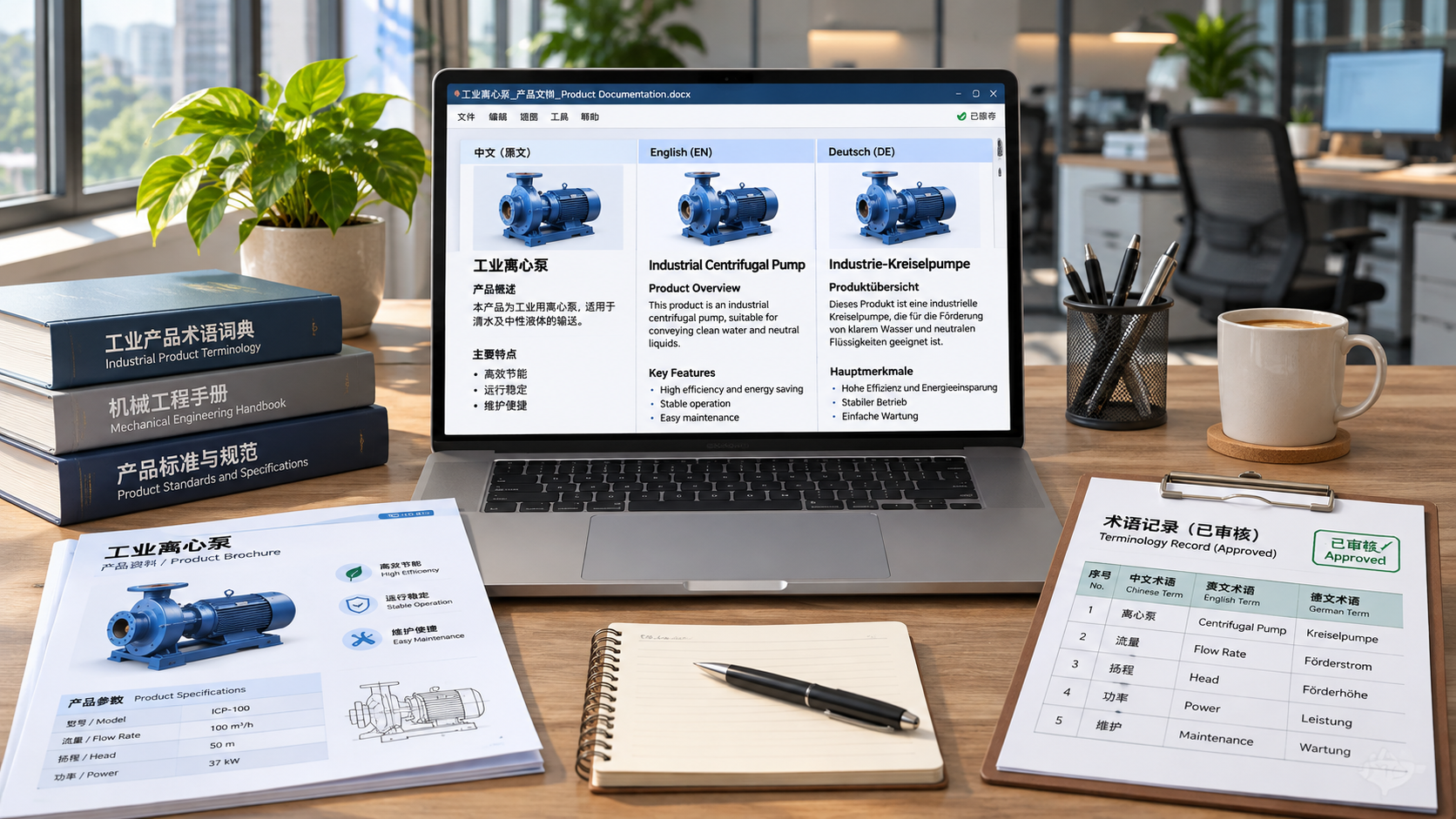
 How can AI multilingual translation solutions address inconsistent product terminology?
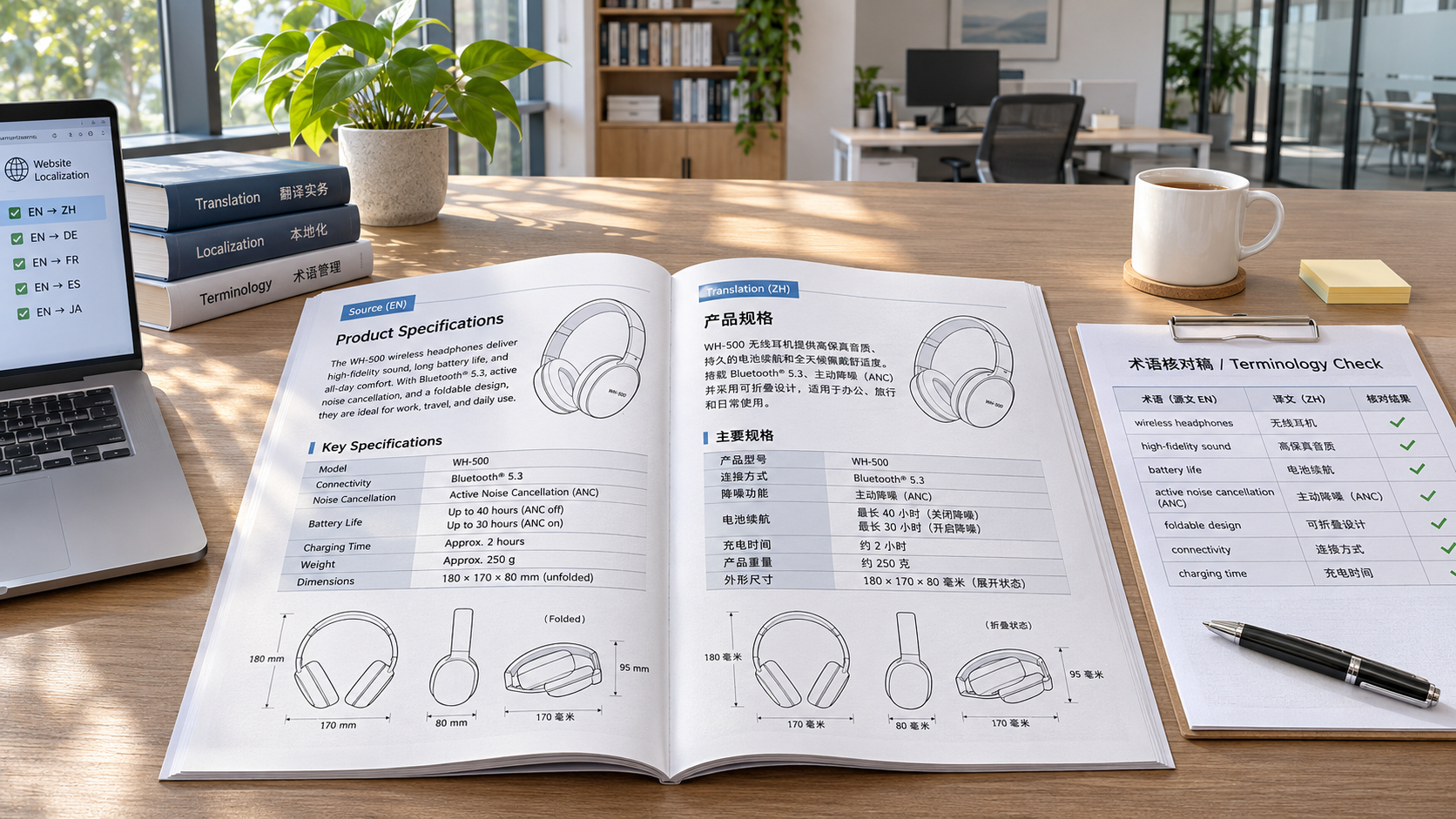
 How to Check Translation Quality After Building a Multilingual B2B Website with AI
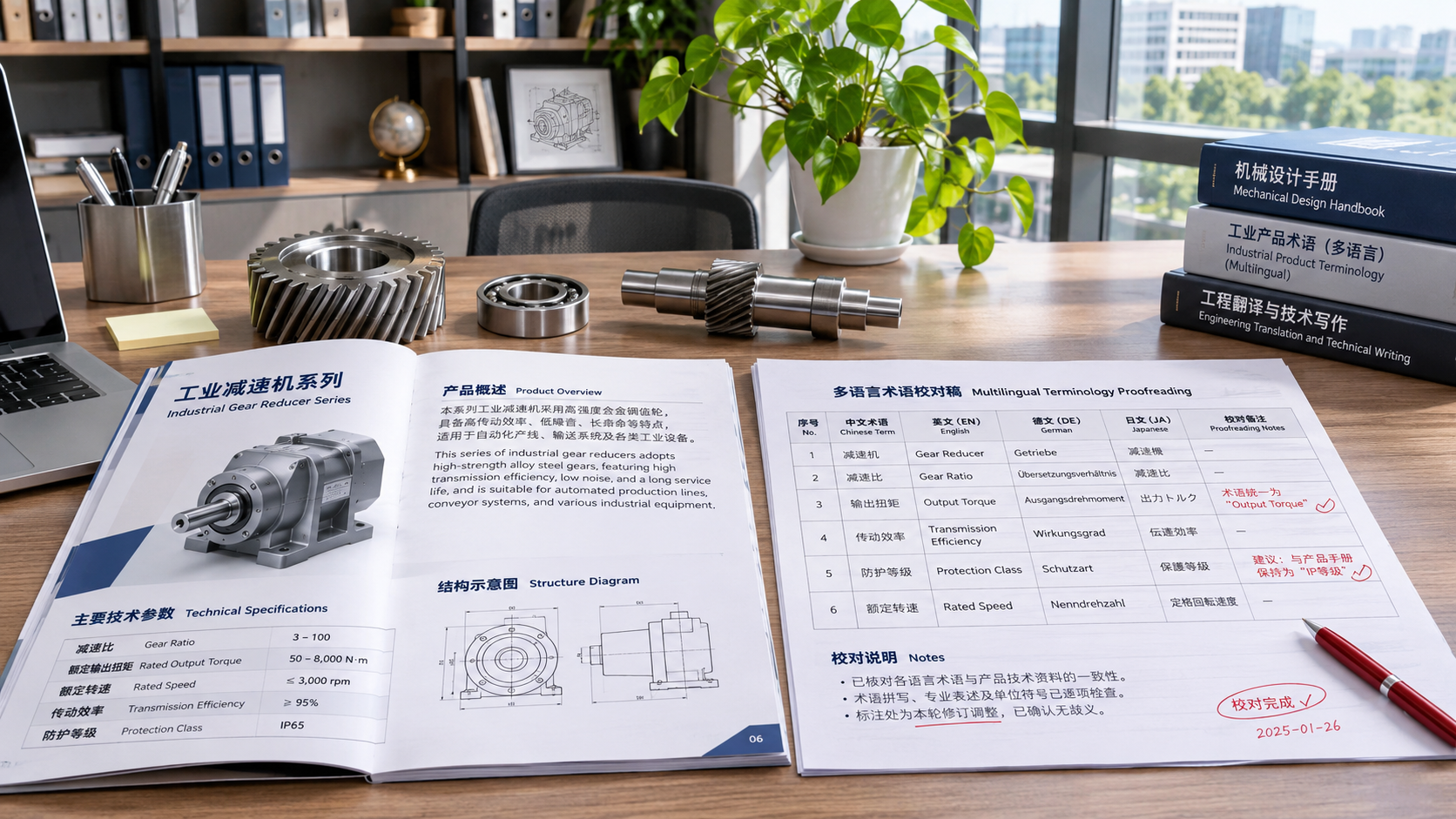
 Can AI website translation tools accurately handle industry terminology?
{item.title}
Related Products
 Yiyingbao SaaS Intelligent Website Building and Marketing SystemYiyingbao SaaS Intelligent Website Building and Marketing System, AI-powered no-code website building, rapid creation of multilingual B2B international websites in 10 minutes, global server acceleration, AI-powered SEO optimization, helping businesses connect efficiently with global markets. The perfect integration of technology and operation makes building an international trade website remarkably simple
 AI+SEM Intelligent Advertising Marketing SystemAI+SEM drives intelligent ad creation, empowering full-funnel precision advertising marketing. The system automatically generates weekly/monthly reports, AI recommends keywords and target countries, monitors core metrics in real-time with intelligent alerts, and enables one-click high-conversion ad solutions to help quickly acquire customers and improve ROI.
 AI+SEO Dual-Engine System Optimization ServicesYiyingbao’s AI+SEO dual-engine optimization system helps foreign trade enterprises acquire high-quality organic traffic through AI-powered keyword research, content generation, and comprehensive technical optimization, significantly improving search rankings and conversion rates.
 AI+SNS Social Media Marketing SystemYingbao AI+SNS Social Media Marketing System - Precision social capture for the social media era. Supports one-click content synchronization across major platforms like Facebook and LinkedIn. AI intelligently rewrites posts for enhanced relevance. 24/7 AI customer service and user profiling analysis empower businesses to efficiently expand into global markets.
 AI+SEO营销解决方案易营宝AI+SEO营销解决方案,通过AI批量写作、智能生成TDK、精准关键词扩词等功能,全面优化网站SEO效果,提升流量与转化率。助力企业构建高效智能网站新生态。
 AI+SEM Advertising Marketing SolutionsAI+SEM Advertising Marketing Solution leverages AI technology to deeply empower SEM ad campaigns. It automatically generates weekly/monthly reports using AI, presenting account data across multiple dimensions for comprehensive insights into campaign performance and trends. The system precisely recommends keywords and target countries, intelligently generates high-conversion ad copy, and enables one-click activation of efficient campaign plans to help businesses rapidly acquire customers. Simultaneously, it monitors core metrics in real time, intelligently identifies abnormal fluctuations, and issues timely alerts to ensure stable, high-return advertising results.
 Domain Name ServicesEasyWin provides professional domain name services, including intelligent queries, one-stop registration, brand protection, and full lifecycle management, helping businesses build a digital brand image.
 EasyOperate B2C Cross-Border E-Commerce Platform & Independent WebsiteEasyStore B2C Cross-border E-commerce Independent Store is an intelligent website building and cross-border e-commerce integrated solution independently developed by EasyStore Information Technology (Beijing) Co., Ltd. The system is specially designed for small and medium-sized as well as large export enterprises, integrating 'website building, operation, marketing, advertising, and conversion' into one, helping enterprises quickly establish cross-border e-commerce independent stores to achieve brand globalization and global sales growth.
The platform supports multiple languages, multiple currencies, and multi-channel marketing, with built-in AI intelligent translation and SEO optimization systems, suitable for mainstream markets such as Southeast Asia, Europe and America, Latin America, and the Middle East, assisting Chinese manufacturing enterprises in efficiently deploying international e-commerce strategies. SSL证书易营宝提供专业SSL安全证书服务,包括单域名和泛域名证书,确保网站数据传输加密、身份验证和完整性保护,助力企业建立安全可信的在线业务环境。









