









- Eight Departments, Including the Ministry of Commerce, Issue the 15th Five-Year Plan for the Development of Trade in ServicesNov 27, 2026View details
- General Administration of Customs Issues New Rules on Import and Export Cosmetic Labeling, Effective December 1Nov 26, 2026View details
- U.S. to Announce Section 301 Investigation Findings on 16 Economies, Potentially Proposing New TariffsNov 26, 2026View details
- Hapag-Lloyd’s $4.2 billion acquisition of ZIM faces a closing delay; ZIM reports third-quarter net profit of $830 millionNov 24, 2026View details
- SCFI falls for a third straight week to 3,503.78 points, with blank sailings on trans-Pacific routes rising to 10Nov 24, 2026View details
- Lazada 11.11 Mega Sale: LazMall Contributes Nearly Two-Thirds of GMVNov 23, 2026View details
How Arabic SEO Translation Handles Word Order, Keywords, and Cultural Expression

When an Arabic page is translated correctly but receives no organic traffic, the issue is often not incorrect word meaning, but that the sentence focus, search term forms, and page wording still follow Chinese or English logic. Arabic is written from right to left, with more flexible verb–subject–object ordering; the same product term may also have different forms depending on gender, singular or plural usage, definite articles, and regional conventions. When performing arabic seo translation, first determine the search intent the page is intended to address, then handle the title, body text, image descriptions, and form fields. Do not publish the page immediately after replacing the source text sentence by sentence.
Make Arabic sentences read like natural web content, not translated copy
Arabic commonly uses verb-first sentence structures, though subject-first structures are also possible. Product page titles do not need to mechanically retain the word order of the source language. If the Chinese term “industrial valve manufacturer” is mapped word for word, the keyword may be retained but result in an awkward stack of nouns; if it is reorganized according to page intent as “valve manufacturing and supply for industrial projects,” the core product, application scenario, and action-related information become clearer and easier to read.
Pay particular attention to modifier relationships. In Arabic, nouns and adjectives must agree in gender, number, and definiteness, and compound technical terms often have established industry translations. Placing “high-pressure,” “corrosion-resistant,” and “customized” individually before a product name may not match search expressions in the target market. First confirm the terms actually used in local directories, industry media, competitor pages, and customer inquiries, then decide whether to retain a literal translation, use a common translation, or provide an explanation in the format “Arabic term (English model)” at its first occurrence.
When a page contains Arabic together with model numbers, dimensions, and English abbreviations, bidirectional text can easily cause parentheses, hyphens, numbers, and units to shift out of place. Dimension ranges, part numbers, URLs, email addresses, and phone numbers should all be checked section by section in the published preview, rather than only in the editor. Right alignment does not mean the content has been adapted for right-to-left reading; navigation arrows, carousel direction, table column order, and breadcrumb paths also need to be adjusted accordingly.

Keywords are not simply a matter of finding one Arabic equivalent
First separate keywords by page task: some users are looking for product categories, some are comparing specifications, some need supply capabilities, while others are seeking after-sales service, spare parts, or shipping conditions. Phrases for different tasks should not be mixed into the same paragraph. Category pages are suitable for covering major product categories and key variants; specification pages should focus on models, pressure ratings, materials, loads, or compatible equipment; inquiry pages should use meanings that appear during the procurement stage, such as lead time, customization, volume, and project support.
In Arabic searches, the definite article “ال”, conjunction prefixes, singular and plural forms, and derivatives change the appearance of a string. Do not repeatedly use one short term in titles, opening paragraphs, and anchor text simply because a tool shows it has high search volume. Search engines can understand some morphological relationships, but the page still needs to clearly answer the need: what the product is, where it is used, how key specifications are confirmed, and what information needs to be submitted next. For specialized equipment, model numbers and English abbreviations are sometimes search entry points themselves, and removing them entirely may instead disrupt established search habits.
Regional differences affect vocabulary and conversion messaging
Arabic is not a single commercial expression environment. Modern Standard Arabic is suitable for the main website content, technical documentation, and cross-regional pages; when content involves local services, delivery, payment, or hotline communication, a limited number of business terms more familiar in the target region may be used. However, colloquial language should not be used in technical specifications, contract descriptions, or safety notices that require long-term maintenance. For sites serving multiple countries, it is more reliable to first establish a standardized Modern Standard Arabic main version, then expand regional pages based on actual traffic and inquiry sources, rather than copying similar content for every country from the start.
The focus of cultural expression is accuracy and restraint. Exaggerated absolute promises, ambiguous grade-related terms, and unexplained metaphors can all weaken the credibility of B2B pages. For logistics, heavy equipment, or project supply, “broad coverage” should be translated into verifiable information, such as service areas, product categories, transportation coordination methods, and information required for consultation. Taking pages related to heavy vehicles and logistics as an example, labels in maps, data dashboards, or product search functions must be consistent with the terminology in the main text; if a visual module says “global operations” while the inquiry form lists only local options, the visitor journey will be interrupted.
Translation, website building, and publishing require validation in the same cycle
First identify elements in the source-language page that cannot be translated directly: brand terms, model numbers, certificate names, material grades, text within images, download file names, and structured data fields. Then create a terminology glossary that at minimum specifies the preferred Arabic form, English that may be retained, prohibited literal translations, and applicable pages. This ensures that product detail pages, category pages, advertising landing pages, and form prompts remain consistent, and prevents the same component from appearing under multiple names as new pages are added.
Before publishing, check title truncation, button text, filters, and date and number displays on actual mobile devices; then search site results using Arabic keywords to confirm that important pages do not have their authority diluted by filter conditions, duplicate parameter pages, or incorrect canonical tags. If indexing is slow, first investigate language-version links, indexing status, page loading, and duplicate content before deciding whether keywords need adjustment. Mistaking technical issues for translation issues and frequently rewriting the body text usually only creates more rework.
Finally, retain the relationship between search terms, landing pages, form submissions, and inquiry topics. If visits concentrate on broad category terms while inquiry questions consistently concern specifications and delivery conditions, the page needs to add parameters and processes rather than continue adding keywords; if certain terms generate a large amount of irrelevant traffic, narrow the application qualifiers in the title and opening paragraph. The quality of Arabic SEO translation is ultimately reflected in whether readers can quickly understand what the page offers, the conditions involved, and the next-step information.
Related Articles
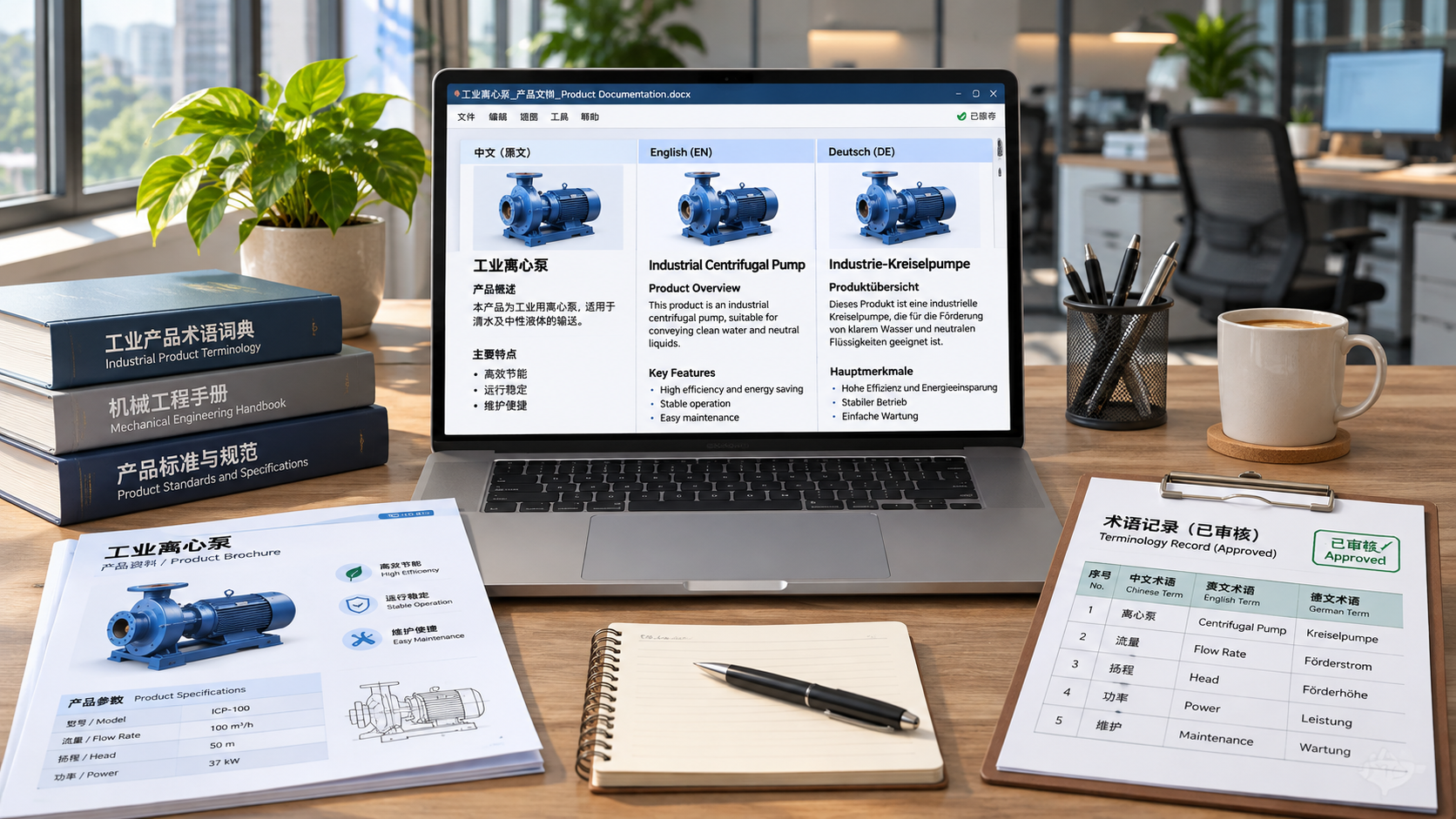
 How can AI multilingual translation solutions address inconsistent product terminology?
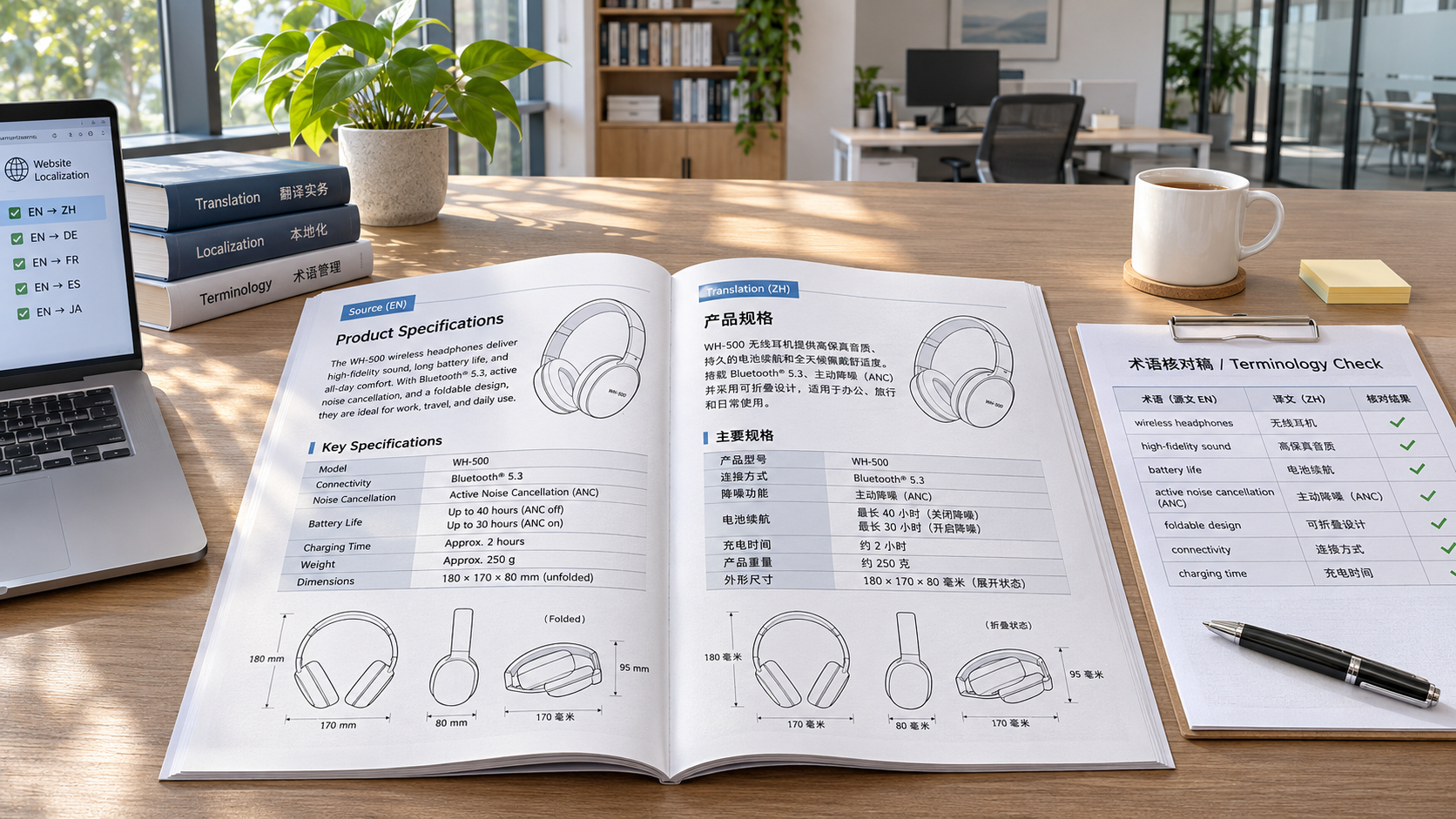
 How to Check Translation Quality After Building a Multilingual B2B Website with AI
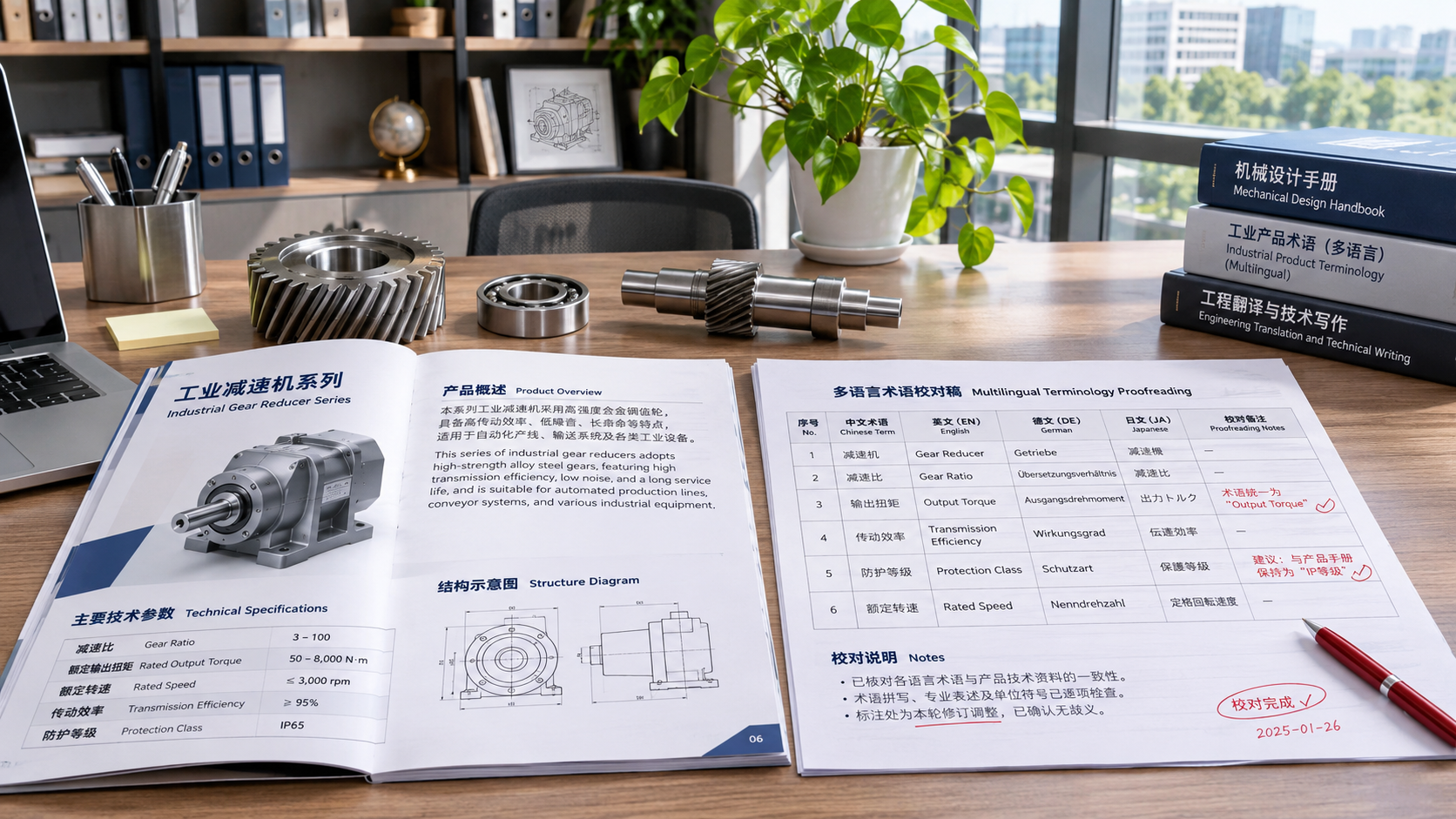
 Can AI website translation tools accurately handle industry terminology?
Related Products
 Yiyingbao SaaS Intelligent Website Building and Marketing SystemYiyingbao SaaS Intelligent Website Building and Marketing System, AI-powered no-code website building, rapid creation of multilingual B2B international websites in 10 minutes, global server acceleration, AI-powered SEO optimization, helping businesses connect efficiently with global markets. The perfect integration of technology and operation makes building an international trade website remarkably simple
 AI+SEM Intelligent Advertising Marketing SystemAI+SEM drives intelligent ad creation, empowering full-funnel precision advertising marketing. The system automatically generates weekly/monthly reports, AI recommends keywords and target countries, monitors core metrics in real-time with intelligent alerts, and enables one-click high-conversion ad solutions to help quickly acquire customers and improve ROI.
 AI+SEO Dual-Engine System Optimization ServicesYiyingbao’s AI+SEO dual-engine optimization system helps foreign trade enterprises acquire high-quality organic traffic through AI-powered keyword research, content generation, and comprehensive technical optimization, significantly improving search rankings and conversion rates.
 AI+SNS Social Media Marketing SystemYingbao AI+SNS Social Media Marketing System - Precision social capture for the social media era. Supports one-click content synchronization across major platforms like Facebook and LinkedIn. AI intelligently rewrites posts for enhanced relevance. 24/7 AI customer service and user profiling analysis empower businesses to efficiently expand into global markets.
 AI+SEO营销解决方案易营宝AI+SEO营销解决方案,通过AI批量写作、智能生成TDK、精准关键词扩词等功能,全面优化网站SEO效果,提升流量与转化率。助力企业构建高效智能网站新生态。
 AI+SEM Advertising Marketing SolutionsAI+SEM Advertising Marketing Solution leverages AI technology to deeply empower SEM ad campaigns. It automatically generates weekly/monthly reports using AI, presenting account data across multiple dimensions for comprehensive insights into campaign performance and trends. The system precisely recommends keywords and target countries, intelligently generates high-conversion ad copy, and enables one-click activation of efficient campaign plans to help businesses rapidly acquire customers. Simultaneously, it monitors core metrics in real time, intelligently identifies abnormal fluctuations, and issues timely alerts to ensure stable, high-return advertising results.
 Domain Name ServicesEasyWin provides professional domain name services, including intelligent queries, one-stop registration, brand protection, and full lifecycle management, helping businesses build a digital brand image.
 EasyOperate B2C Cross-Border E-Commerce Platform & Independent WebsiteEasyStore B2C Cross-border E-commerce Independent Store is an intelligent website building and cross-border e-commerce integrated solution independently developed by EasyStore Information Technology (Beijing) Co., Ltd. The system is specially designed for small and medium-sized as well as large export enterprises, integrating 'website building, operation, marketing, advertising, and conversion' into one, helping enterprises quickly establish cross-border e-commerce independent stores to achieve brand globalization and global sales growth.
The platform supports multiple languages, multiple currencies, and multi-channel marketing, with built-in AI intelligent translation and SEO optimization systems, suitable for mainstream markets such as Southeast Asia, Europe and America, Latin America, and the Middle East, assisting Chinese manufacturing enterprises in efficiently deploying international e-commerce strategies. SSL证书易营宝提供专业SSL安全证书服务,包括单域名和泛域名证书,确保网站数据传输加密、身份验证和完整性保护,助力企业建立安全可信的在线业务环境。









