









- APEC Shenzhen Spotlight: Cross-Border E-Commerce Orders Promote Asia-Pacific Trade and Economic CooperationNov 08, 2026View details
- China-Europe Railway Express and CIIE Hold Business Matchmaking Event, Focusing on Cross-Border E-commerce B2B ExportsNov 07, 2026View details
- China’s Ministry of Commerce Responds to Additional Charges on Low-Value Imports Imposed by the EUNov 06, 2026View details
- Two Internet Development Reports Released at the 2026 World Internet ConferenceNov 05, 2026View details
- Internet Business Revenue of Enterprises Above the Designated Size Reached RMB 1.716 Trillion in the First Three Quarters, with Profits Up 17.6%Nov 05, 2026View details
- Shopify's Third-Quarter Revenue and GMV Fall Short of Expectations, Sending Shares Tumbling Before the Market OpensNov 04, 2026View details
How should an agricultural export website present origin, specifications, and certification information to help overseas buyers evaluate suppliers?
When evaluating agricultural products, overseas buyers usually need to answer three questions first: Where does the product come from? Do its specifications meet their purchasing needs? Which products and stages are covered by the available documentation? An agricultural export website should organize its pages around these questions, so buyers do not have to search repeatedly through promotional copy, images, and attachments to find the information they need.
A landscape photo of the place of origin or a row of certification logos can provide only a first impression. Whether a buyer proceeds to the next round of discussions also depends on whether the information is specific and consistent, and whether buyers can clearly state their requirements for their market and order.
Origin Information: Specify the Growing Location and the Limits of Supply
On product pages, it is not enough to list only the country of origin. Depending on the actual circumstances, you can specify the province, region, growing site, or cooperative growing area, and distinguish between the growing location, processing location, and location of the exporting company. These may not be the same, and presenting them together without clarification can lead buyers to assume that the processing plant is also the source of the raw materials.
If the same product comes from multiple regions, the page should clarify whether supply comes from a fixed growing site or is sourced from different regions depending on the season and order. For fresh fruit, vegetables, and other products significantly affected by harvest seasons, you can show the supply season, estimated availability window, and whether seasonal variations occur. Do not describe year-round supply as “available year-round” if it cannot be reliably guaranteed.
Images should help buyers make informed judgments: growing areas, harvesting, sorting, and packaging can be shown separately, with explanations for each. Images from different years or growing sites should not give the impression that they depict the actual source of the current order. Obtain the relevant authorization before publishing information about growing site locations, personnel, or partners.
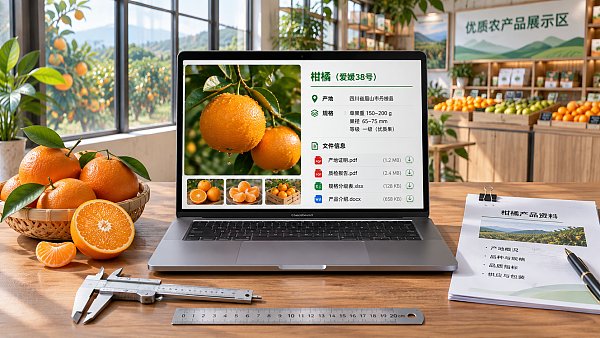
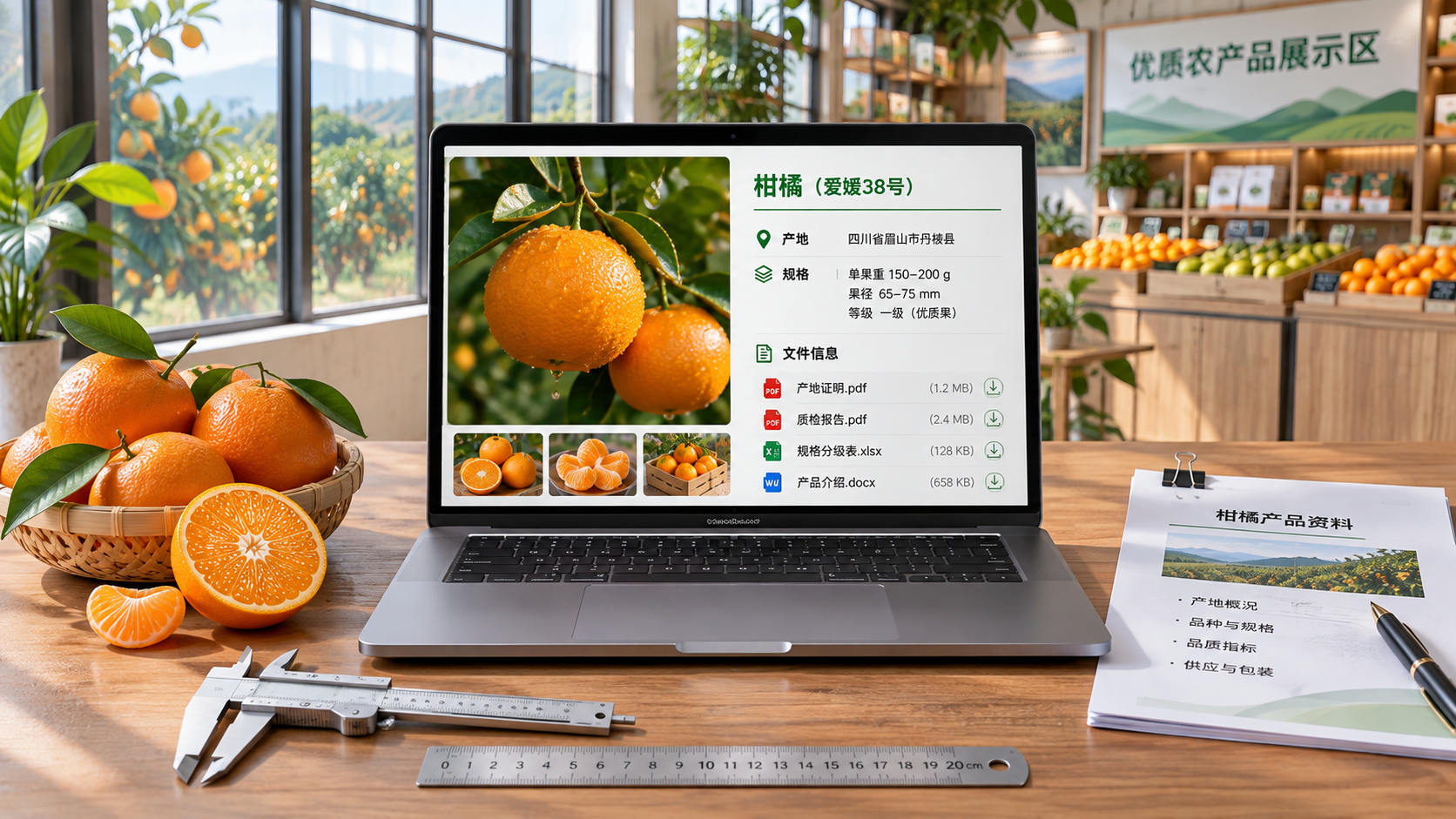
Product Specifications: Make It Easy for Buyers to Compare and Specify Order Requirements
Product detail pages should place consistently available specifications where they are easy to find, rather than relying on claims such as “excellent quality” or “a full range of specifications.” The specific fields will vary by product category: fresh fruit may require the variety, fruit size, grade, and packaging; grain may require moisture content, impurities, and test items; frozen or dried products may require details of the processing method, storage conditions, and shelf life.
Specifications should include units and explain the measurement or grading method. For example, different suppliers may interpret “medium fruit” differently; specifying a fruit-size range and unit makes it easier for buyers to compare with their purchasing standards. Test results should identify the relevant batch or test date. Results from a single sample should not be presented as a fixed guarantee for all orders.
Packaging details can include net weight per unit, packaging format, inner and outer packaging materials, and available labeling or customization options. Minimum order quantities, container loading quantities, delivery terms, and prices can vary considerably depending on the packaging, destination, and order arrangements. If conditions have not yet been confirmed, you can state the applicable prerequisites or confirm them through an inquiry; there is no need to provide fixed figures that could be misleading just to fill the page.
For products available in multiple specifications, a comparison table on the same page can show buyers the differences in variety, grade, packaging, and availability. Products with significantly different uses or processing methods can instead have separate pages. Downloadable specification sheets are useful for internal circulation among purchasing staff, but core information should still appear in the webpage text for easy reading on mobile devices, search engine comprehension, and updates by sales staff.
Certifications and Testing: Show What They Apply To, Not Just the Logos
Certification images can help buyers quickly identify relevant information, but they cannot replace the certificate details. Certification descriptions should list the certificate name, certificate holder, scope of covered products or activities, validity period, and certificate status. Clearly identify whether a certificate applies to a growing site, processing plant, or trading company. A certificate held by one link in the supply chain should not imply that all products and batches have the same certification.
Test reports also need to distinguish between samples and batches. The page can state the test items, report date, and sample to which the report relates. For a batch of particular interest to a buyer, provide the applicable documents in response to an inquiry. Statements about organic status, food safety systems, and similar matters should match the scope of the certificates currently held, so that company qualifications, product certifications, and tests of individual batches are not conflated.
Buyers may require different documents depending on the target market, product category, and sales channel. The website can display available documents and provide a “Request relevant documents” option. Do not use similar icons or vague wording to imply that a certificate has been obtained if it has not, or if it does not apply to the product. Before publishing certificates, remove contact details and other information that should not be made public, while retaining the information buyers need to assess the scope of the documents.
Connect Information to Inquiries and Ongoing Marketing
After reviewing the specifications, buyers usually do not place an order immediately. They first confirm the target market, quantity, packaging, delivery time, and document requirements. An inquiry form can prefill the product name and include fields for these details, while retaining a free-text message field so buyers who are still making an initial comparison are not deterred by too many required fields.
Product names, units, specifications, and certificate scopes need to be consistent across multilingual pages; translating only the promotional copy is not enough. If an English page says “net weight” but another language version says “gross weight,” this could lead to discrepancies in subsequent quotations and purchasing decisions. Promotional campaigns should also direct search or ad traffic to the relevant product detail page, rather than sending all traffic to a homepage with only general information.
If you need to manage multilingual website development, search optimization, and overseas channel promotion together, you can consider the relevant services provided by EasyYingbao. When evaluating them, focus on whether product fields can be maintained flexibly, how different language versions are kept in sync, whether inquiries can be linked to specific products, and who reviews updates to documents. Website development and promotional capabilities cannot replace a company’s own management of origin information, specifications, and supporting documents.
Before Launch, Arrange a Cross-Check of the Information
Have staff responsible for products, supply chain, quality, and sales review the pages together: Does the stated origin match the actual sourcing area? Do the specifications include units and applicable conditions? Do the certificate holder, validity period, and scope match? Do the different language versions, specification sheets, and inquiry forms use the same set of information? For details that vary by season or batch, assign an update owner and a review date to prevent outdated information from continuing to reach buyers through advertising and search traffic.
This work also involves the flow of information within a company. If you would like to explore digital management topics further, you can refer to Optimization Paths for Financial Management Information Systems in State-Owned Enterprises Amid Digital Transformation; its subject is financial management information systems, not agricultural export websites or certification and compliance solutions.
Related Articles
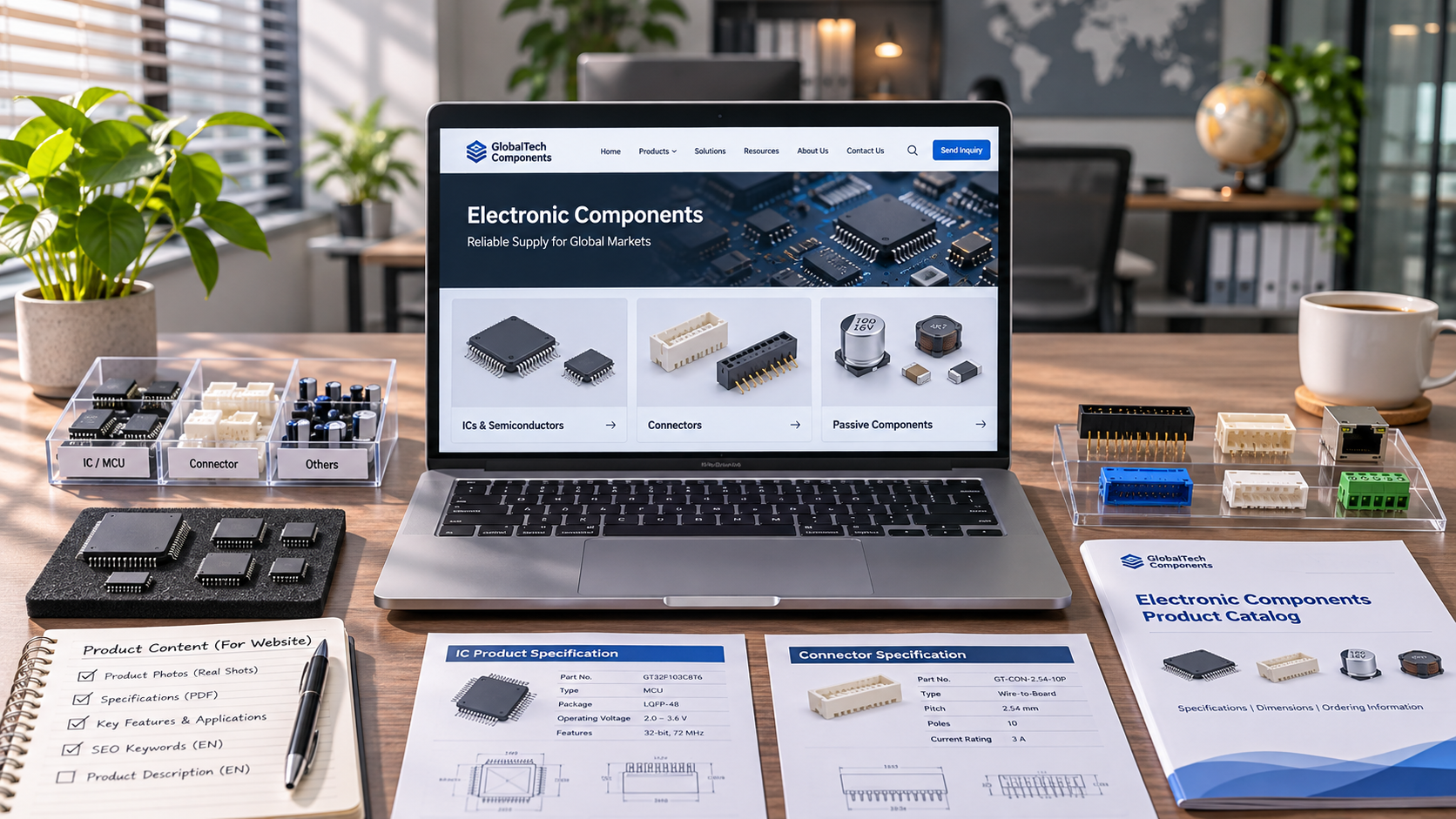
 What Features Affect the Cost of an Export Website for Electronic Components?
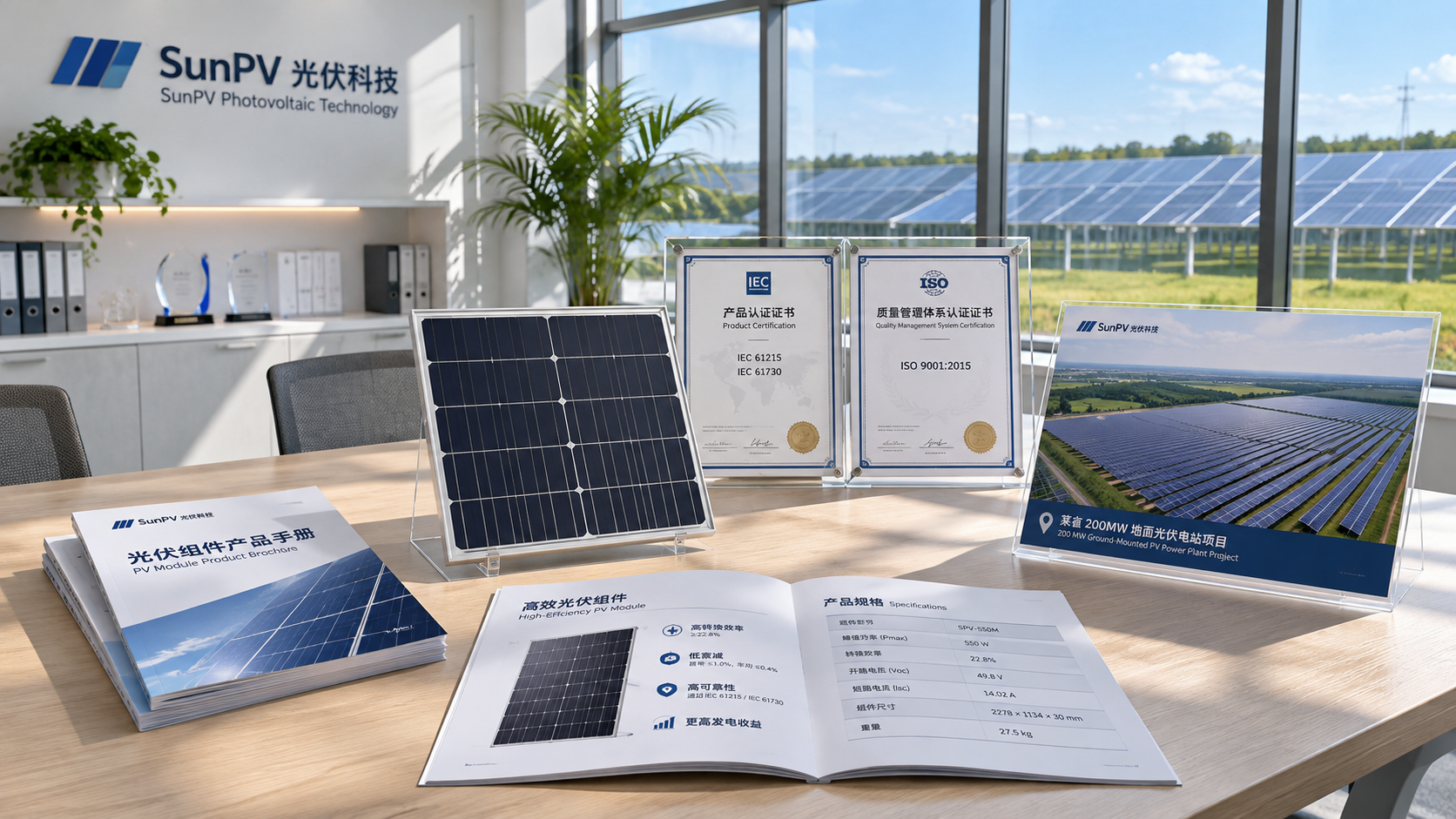
 Solar PV Website Development for Exporters: How Should Product Certifications and Project Case Studies Be Presented?
 How should an agricultural export website present origin, specifications, and certification information to help overseas buyers evaluate suppliers?
Related Products
 Yiyingbao SaaS Intelligent Website Building and Marketing SystemYiyingbao SaaS Intelligent Website Building and Marketing System, AI-powered no-code website building, rapid creation of multilingual B2B international websites in 10 minutes, global server acceleration, AI-powered SEO optimization, helping businesses connect efficiently with global markets. The perfect integration of technology and operation makes building an international trade website remarkably simple
 AI+SEM Intelligent Advertising Marketing SystemAI+SEM drives intelligent ad creation, empowering full-funnel precision advertising marketing. The system automatically generates weekly/monthly reports, AI recommends keywords and target countries, monitors core metrics in real-time with intelligent alerts, and enables one-click high-conversion ad solutions to help quickly acquire customers and improve ROI.
 AI+SEO Dual-Engine System Optimization ServicesYiyingbao’s AI+SEO dual-engine optimization system helps foreign trade enterprises acquire high-quality organic traffic through AI-powered keyword research, content generation, and comprehensive technical optimization, significantly improving search rankings and conversion rates.
 AI+SNS Social Media Marketing SystemYingbao AI+SNS Social Media Marketing System - Precision social capture for the social media era. Supports one-click content synchronization across major platforms like Facebook and LinkedIn. AI intelligently rewrites posts for enhanced relevance. 24/7 AI customer service and user profiling analysis empower businesses to efficiently expand into global markets.
 AI+SEO营销解决方案易营宝AI+SEO营销解决方案,通过AI批量写作、智能生成TDK、精准关键词扩词等功能,全面优化网站SEO效果,提升流量与转化率。助力企业构建高效智能网站新生态。
 AI+SEM Advertising Marketing SolutionsAI+SEM Advertising Marketing Solution leverages AI technology to deeply empower SEM ad campaigns. It automatically generates weekly/monthly reports using AI, presenting account data across multiple dimensions for comprehensive insights into campaign performance and trends. The system precisely recommends keywords and target countries, intelligently generates high-conversion ad copy, and enables one-click activation of efficient campaign plans to help businesses rapidly acquire customers. Simultaneously, it monitors core metrics in real time, intelligently identifies abnormal fluctuations, and issues timely alerts to ensure stable, high-return advertising results.
 Domain Name ServicesEasyWin provides professional domain name services, including intelligent queries, one-stop registration, brand protection, and full lifecycle management, helping businesses build a digital brand image.
 EasyOperate B2C Cross-Border E-Commerce Platform & Independent WebsiteEasyStore B2C Cross-border E-commerce Independent Store is an intelligent website building and cross-border e-commerce integrated solution independently developed by EasyStore Information Technology (Beijing) Co., Ltd. The system is specially designed for small and medium-sized as well as large export enterprises, integrating 'website building, operation, marketing, advertising, and conversion' into one, helping enterprises quickly establish cross-border e-commerce independent stores to achieve brand globalization and global sales growth.
The platform supports multiple languages, multiple currencies, and multi-channel marketing, with built-in AI intelligent translation and SEO optimization systems, suitable for mainstream markets such as Southeast Asia, Europe and America, Latin America, and the Middle East, assisting Chinese manufacturing enterprises in efficiently deploying international e-commerce strategies. SSL证书易营宝提供专业SSL安全证书服务,包括单域名和泛域名证书,确保网站数据传输加密、身份验证和完整性保护,助力企业建立安全可信的在线业务环境。









