









- CBP Finalizes Electronic Rail Export Manifest Rule, Effective October 26, 2026Oct 26, 2026View details
- Amazon’s 2026 peak season surcharge takes effect on October 25Oct 26, 2026View details
- AI Is Eating SaaS: Three Real-World Cases in One AfternoonOct 25, 2026View details
- Exiger CEO: The SaaS Apocalypse Is Real, but It Means Something DifferentOct 25, 2026View details
- Hengqin Cooperation Zone Shares Cross-Border E-Commerce Developments, Focusing on Macao-Hengqin Collaboration and International MarketsOct 24, 2026View details
- A Shenyang study highlights the development of the “cross-border e-commerce + industrial cluster” modelOct 24, 2026View details
How to Design a B2B Inquiry Page for a Packaging Industry Foreign Trade Website
How should a B2B inquiry page for a packaging industry export website be designed so that overseas buyers can quickly understand the products, assess supply capabilities, and be willing to submit genuine requirements? For packaging exporters, this is not simply a matter of placing a “Contact Us” form. Buyers may be looking for packaging suppliers for food, personal care, electronics, pharmaceuticals, or retail projects. They care about whether materials are compliant, whether customization is feasible, whether the MOQ is acceptable, whether lead times match, and whether communication costs will be too high.
A truly effective inquiry page should be like a salesperson familiar with both factories and international trade: it does not pressure customers, yet addresses concerns at critical points; it does not pile up selling points, yet lets visitors know what to do next.
First distinguish between two types of pages: contact pages and inquiry conversion pages
Many packaging companies build their inquiry pages with a company address, email, telephone number, and a general message box. This approach is not entirely ineffective, but it is more suitable for existing customers who already have strong trust in the company and clearly defined needs. For new visitors entering the website for the first time through Google search, product detail pages, or social media ads, the information provided is often insufficient.
Therefore, when designing a B2B inquiry page for a packaging industry export website, the key is not how complex the form is, but whether it reduces the difficulty for customers to express their purchasing needs while enabling the sales team to obtain enough information to assess lead quality.
Above the fold: clearly explain “what you can do for me” in the buyer's language
The above-the-fold section should not simply say “Welcome to Contact Us.” More effective wording should focus on the customer's task, such as obtaining customized packaging solutions, requesting samples, asking for bulk quotations, or confirming packaging materials and printing processes. If the company mainly supplies flexible packaging bags, paper boxes, labels, blister trays, or sustainable packaging, the core categories should also be clearly listed to avoid making customers guess.
A brief note can be added below the above-the-fold section, such as “Custom sizes, materials, printing, and structures supported; upload your artwork or reference images.” This information may seem minor, but it lets buyers who have not yet prepared a complete RFQ know that they can start a conversation even if they currently only have a preliminary idea.
Action buttons should avoid using only “Submit.” Buttons such as “Request a Quote,” “Get Packaging Consultation,” and “Send Your Specification” provide clearer direction and better match the operating habits of overseas B2B users. The page should retain supplementary contact options such as phone, email, and WhatsApp, but they should not compete with the main form for attention.

A form should not simply be shorter; its fields need to provide value
Many companies worry that too many fields will reduce submission rates, so they retain only name, email, and a message field. As a result, inquiry volume may appear satisfactory, but sales teams need to repeatedly follow up for product specifications, purchasing quantities, and usage scenarios. Once responses become slower, genuinely valuable prospects may also leave.
A more appropriate approach is to divide fields into “required” and “optional.” Required information should remain concise: name, business email, country or region, product category, estimated purchase quantity, and requirement description. Optional fields may include packaging dimensions, material preferences, printing colors, whether sustainable materials are required, target lead time, and file uploads.
For packaging products, attachment uploads deserve particular attention. Customers may have dielines, AI/PDF artwork, photos of existing packaging, or even just a reference image of a competing product. The upload option should clearly indicate supported file types and size limits; where technically feasible, it can provide a note such as “No file available? Describe your requirements first,” preventing the form from becoming a barrier.
Place the questions buyers care about most before the submit button
When reaching the final step, users often hesitate: How soon will someone reply after submission? Is an order required? Will my design be disclosed? Is it worthwhile to contact you for a small-batch project? If these questions are not addressed, even a beautifully designed form may be closed.
Providing concise trust-building information near the button is more effective than stacking slogans at the bottom of the page. Based on actual service capabilities, explain what type of team will follow up after receiving requirements, what information is needed for an accurate quotation, and how communication for samples and mass production will proceed. Where confidentiality is involved, use statements the company can actually fulfill, such as “Design files are used only for project evaluation and quotation communication,” rather than making absolute promises that cannot be substantiated.
If the factory has specific certifications, testing capabilities, export market experience, or available trade terms, these can also be presented through icons and short statements, provided the information is authentic and relevant to customer decisions. For food packaging buyers, material safety and regulatory compliance are usually more important than “how many years the company has been established”; for retail brands, consistent color management, sampling efficiency, and delivery coordination may be more persuasive.
Customers from different entry points should not be treated the same on the inquiry page
Visitors entering through product keywords such as “custom printed stand up pouch” usually already know the category they need, so the page should prioritize relevant products, size ranges, material options, and quotation forms. Customers entering through “sustainable packaging supplier” also need to see information about sustainable materials, applicable scenarios, and supporting verification documents.
Ad landing pages should follow the principle of “one theme, one action” even more closely. If an ad promotes customized cosmetic paper boxes but directs users to a general contact page covering dozens of packaging types, customers can easily lose direction. Ideally, ad keywords, landing page titles, product evidence, and form fields should form a continuous path.
This is also the difference between marketing-focused export websites and traditional display websites: pages do not exist in isolation. Product detail pages, case studies, FAQ content, multilingual versions, SEO traffic entry points, and advertising landing pages should all naturally guide users to inquiry scenarios that match their needs.
Four easily overlooked details
- Mobile input experience: Overseas buyers also use mobile phones to initially screen suppliers. Form fields must be easy to select, and country calling codes, file uploads, and dropdown options should not be difficult to use.
- Multilingual content is more than translation: Units, dates, and trade terminology on English, German, French, or Spanish pages should align with local reading habits. Dimensions can support both mm and inch, and quantity and currency information should also be clear.
- The thank-you page is worth designing: After submission, customers should not see only a blank notification. The page can explain the next steps and recommend samples, product catalogs, or relevant process content to sustain their willingness to communicate.
- Lead tracking must not be absent: It should identify whether inquiries come from organic search, Google Ads, social media, or direct visits, so that businesses can determine which product pages and campaign themes generate genuine opportunities.
Shift from “collecting emails” to “building purchasing conversations that can be followed up”
Packaging quotations often cannot be completed with a single click. Materials, thickness, dimensions, processes, quantities, and shipping methods all affect the proposed solution. A good B2B inquiry page does not pretend to make complex purchasing completely effortless; instead, it makes the first round of communication clear, easy, and trustworthy.
When building multilingual marketing websites for export companies, Yiyingbao places greater emphasis on coordinating website development with subsequent customer acquisition channels. Through AI-powered website building, SEO and GEO optimization, advertising landing page configuration, and lead tracking capabilities, packaging companies can not only showcase their products but also design inquiry entry points that better match purchasing decisions across different markets and traffic sources. For companies seeking to acquire overseas customers over the long term, the inquiry page is not the final piece of website content; it is the key connection that truly links traffic, trust, and sales opportunities.
Related Articles
 How Can an IDC SaaS Platform Improve User Satisfaction by Reducing Ticket Response Times?
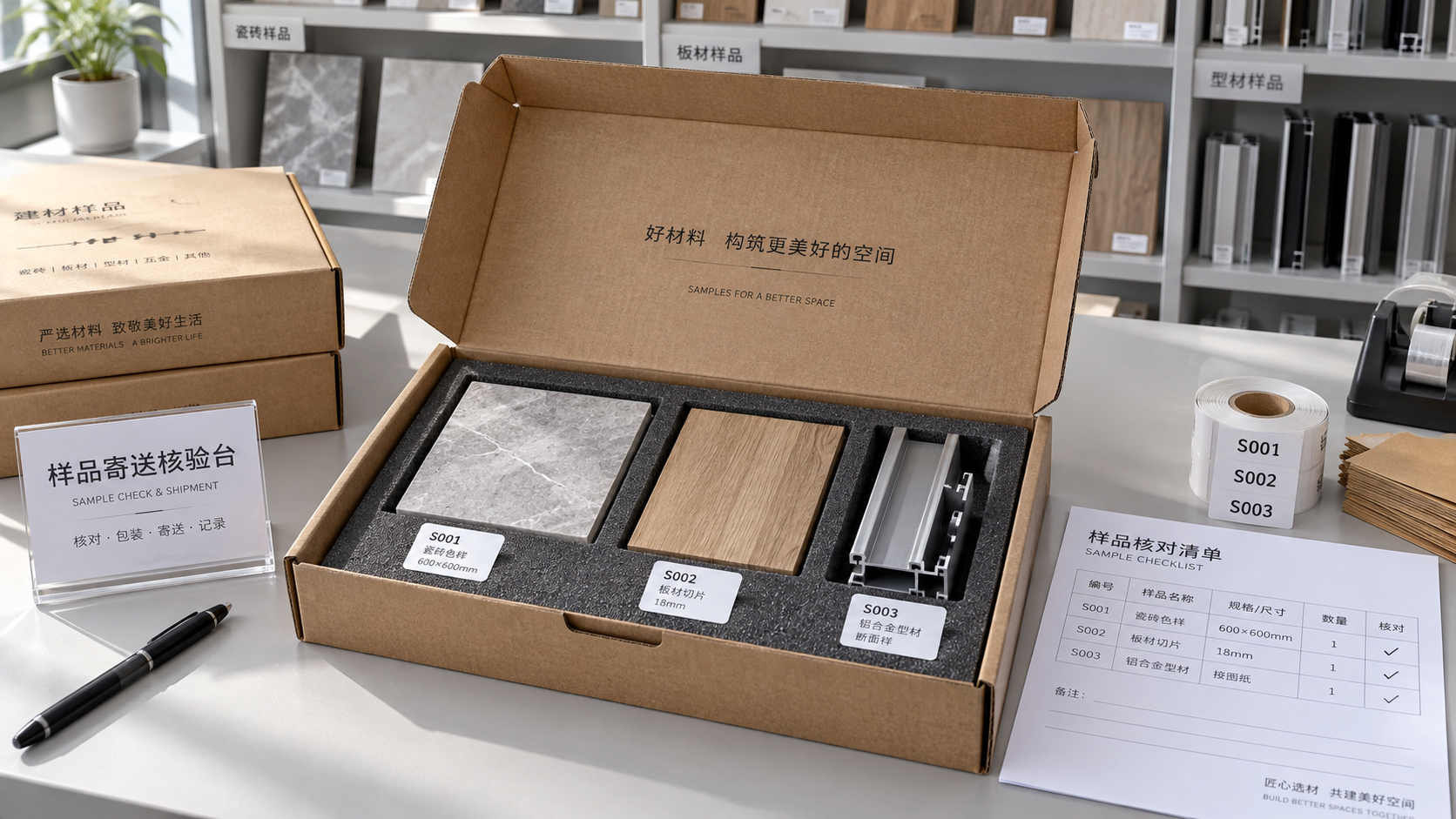
 How should a sample request process be designed for a building materials foreign trade website?
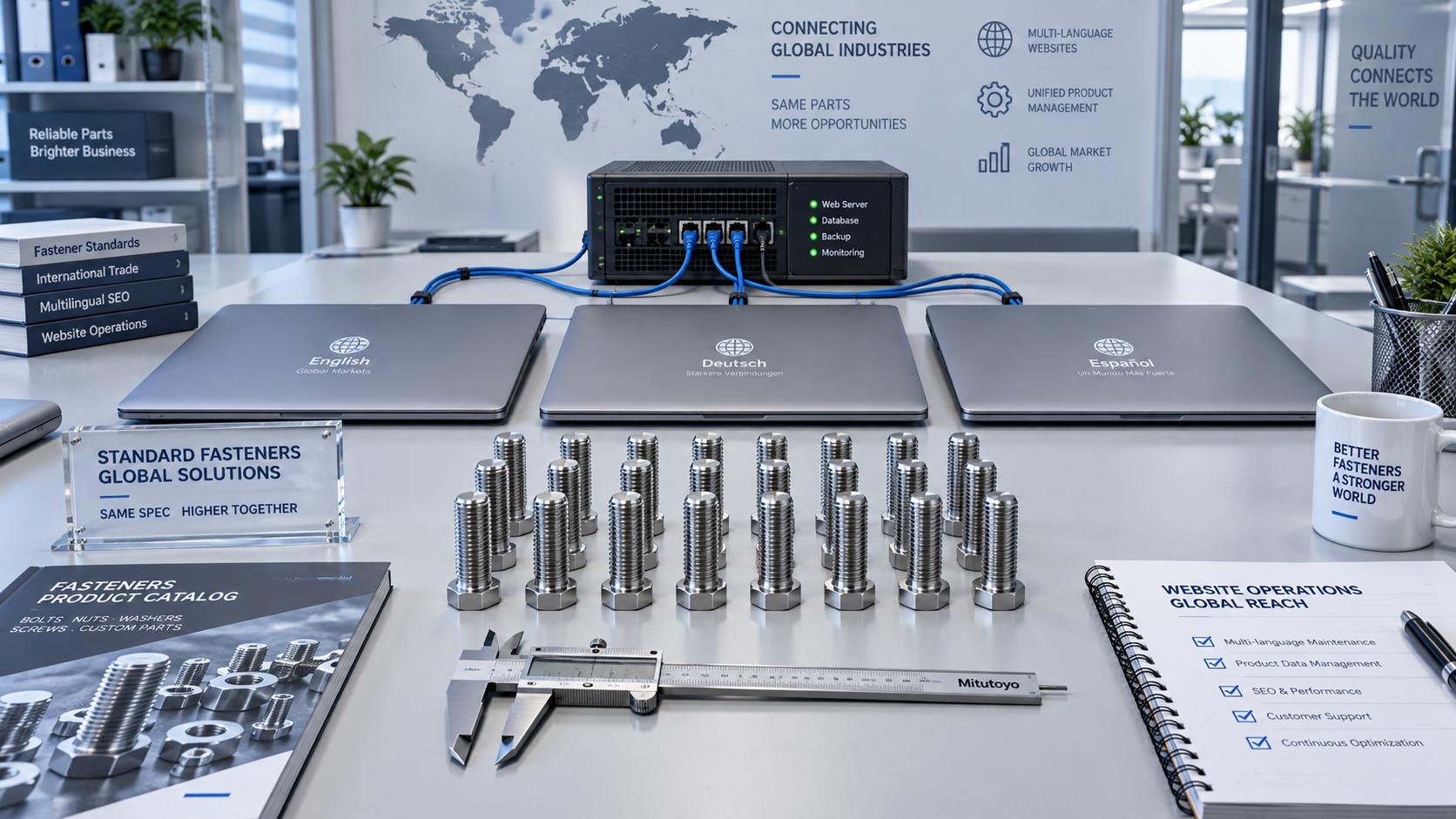
 How Can a Fastener Export Website Synchronize Specification Fields Across Languages?

Related Products
 Yiyingbao SaaS Intelligent Website Building and Marketing SystemYiyingbao SaaS Intelligent Website Building and Marketing System, AI-powered no-code website building, rapid creation of multilingual B2B international websites in 10 minutes, global server acceleration, AI-powered SEO optimization, helping businesses connect efficiently with global markets. The perfect integration of technology and operation makes building an international trade website remarkably simple
 AI+SEM Intelligent Advertising Marketing SystemAI+SEM drives intelligent ad creation, empowering full-funnel precision advertising marketing. The system automatically generates weekly/monthly reports, AI recommends keywords and target countries, monitors core metrics in real-time with intelligent alerts, and enables one-click high-conversion ad solutions to help quickly acquire customers and improve ROI.
 AI+SEO Dual-Engine System Optimization ServicesYiyingbao’s AI+SEO dual-engine optimization system helps foreign trade enterprises acquire high-quality organic traffic through AI-powered keyword research, content generation, and comprehensive technical optimization, significantly improving search rankings and conversion rates.
 AI+SNS Social Media Marketing SystemYingbao AI+SNS Social Media Marketing System - Precision social capture for the social media era. Supports one-click content synchronization across major platforms like Facebook and LinkedIn. AI intelligently rewrites posts for enhanced relevance. 24/7 AI customer service and user profiling analysis empower businesses to efficiently expand into global markets.
 AI+SEO营销解决方案易营宝AI+SEO营销解决方案,通过AI批量写作、智能生成TDK、精准关键词扩词等功能,全面优化网站SEO效果,提升流量与转化率。助力企业构建高效智能网站新生态。
 AI+SEM Advertising Marketing SolutionsAI+SEM Advertising Marketing Solution leverages AI technology to deeply empower SEM ad campaigns. It automatically generates weekly/monthly reports using AI, presenting account data across multiple dimensions for comprehensive insights into campaign performance and trends. The system precisely recommends keywords and target countries, intelligently generates high-conversion ad copy, and enables one-click activation of efficient campaign plans to help businesses rapidly acquire customers. Simultaneously, it monitors core metrics in real time, intelligently identifies abnormal fluctuations, and issues timely alerts to ensure stable, high-return advertising results.
 Domain Name ServicesEasyWin provides professional domain name services, including intelligent queries, one-stop registration, brand protection, and full lifecycle management, helping businesses build a digital brand image.
 EasyOperate B2C Cross-Border E-Commerce Platform & Independent WebsiteEasyStore B2C Cross-border E-commerce Independent Store is an intelligent website building and cross-border e-commerce integrated solution independently developed by EasyStore Information Technology (Beijing) Co., Ltd. The system is specially designed for small and medium-sized as well as large export enterprises, integrating 'website building, operation, marketing, advertising, and conversion' into one, helping enterprises quickly establish cross-border e-commerce independent stores to achieve brand globalization and global sales growth.
The platform supports multiple languages, multiple currencies, and multi-channel marketing, with built-in AI intelligent translation and SEO optimization systems, suitable for mainstream markets such as Southeast Asia, Europe and America, Latin America, and the Middle East, assisting Chinese manufacturing enterprises in efficiently deploying international e-commerce strategies. SSL证书易营宝提供专业SSL安全证书服务,包括单域名和泛域名证书,确保网站数据传输加密、身份验证和完整性保护,助力企业建立安全可信的在线业务环境。









