









- Fujian Announces the First Batch of Provincial-Level Cross-Border E-Commerce Industrial Parks and Key Brands for CultivationNov 14, 2026View details
- Amazon Global Store Announces the Launch of the 2026 Black Friday Global Shopping SeasonNov 14, 2026View details
- CCTV.com Examines APEC’s Role in China’s Foreign TradeNov 12, 2026View details
- China’s Tariff Commission of the State Council Adjusts Additional Tariffs on U.S. Goods: 24% Tariff Suspended for Two MonthsNov 10, 2026View details
- APEC Shenzhen Spotlight: Cross-Border E-Commerce Orders Promote Asia-Pacific Trade and Economic CooperationNov 08, 2026View details
- China-Europe Railway Express and CIIE Hold Business Matchmaking Event, Focusing on Cross-Border E-commerce B2B ExportsNov 07, 2026View details
What to Do When Internal Link Optimization Creates Orphan Pages: Rebuild Crawl Paths with Topic Clusters
What to Do When Internal Link Optimization Creates Orphan Pages: Rebuild Crawl Paths with Topic Clusters
Orphan pages in internal link optimization are not simply a matter of “a page having no links.” For export websites, industrial manufacturing sites, and multilingual standalone websites, if a product description, industry solution, or regional landing page is not effectively linked to by other pages within the site, search engines may struggle to continually discover it and understand its relationship to the core business. Even if the page has been submitted through a sitemap, it may remain in a state of low crawl frequency, unstable indexing, and no organic traffic for a long time.
More troublingly, orphan pages are often hidden within websites that appear normal: newly launched product pages are accessible only from the backend; blog posts are not referenced by category pages after publication; English and other language sites are built separately without language associations between corresponding pages; and advertising landing pages cut off paths back to product and solution pages in pursuit of simplicity. Users cannot find the next step, and crawlers cannot obtain sufficient contextual signals either.
First Confirm: Is It a True Orphan or a “Weakly Connected” Page?
When investigating, do not simply check whether a page has a link. A true orphan page has no crawlable standard internal link entry point, or its entry points exist only in on-site search, script-loaded content, filter parameters, and post-login pages. Whether search engines can reliably discover content through these entry points depends on the specific technical implementation and cannot simply be regarded as valid internal links.
Another type of page is not completely isolated but also deserves attention: it is linked only by a low-value archive page, its anchor text is “click for more” or “view details,” and the surrounding content is unrelated to the page topic. Such weak connections are insufficient to help search engines determine the page’s position within the website, and they are also unlikely to guide users to the next step. During review, cross-check crawl tools, web analytics platforms, and sitemaps: whether the page has entry points, where those entry points come from, whether click depth is too high, and whether important pages can only be reached after more than three or four clicks.
Pay particular attention to pages generated in batches. Model pages, application industry pages, country-site pages, and news pages can easily lose their connections because templates are invoked incompletely. If the pages themselves have highly repetitive content, adding a single link will usually not solve the problem; first determine whether they are worth keeping or need to be consolidated, to avoid further spreading crawl resources across pages of limited value.
A Topic Cluster Is Not About “Adding More Links,” but Redrawing the Business Path
An effective way to address orphan pages is often not to pile a row of links into the footer, but to build a content cluster around a clear topic. The cluster should contain a pillar page that addresses core needs, such as “Industrial Vehicle Export Solutions” or “Logistics Equipment Selection Guide,” followed by pages covering product categories, specific applications, technical knowledge, delivery, and after-sales information. Each page should address a different question rather than repeatedly explaining the same thing.
Taking heavy vehicles and logistics equipment for overseas markets as an example, procurement personnel may first search for transportation conditions, load scenarios, or regional service capabilities before entering specific vehicle model and inquiry pages. A reasonable path could be: the industry solution page links to application scenario pages, which then point to the corresponding product categories and key product pages; product pages supplement technical documentation, related accessories, service networks, and consultation entry points. Reciprocal links should also exist, but there is no need to force every page to link to every other page. Links should answer the questions users are likely to ask at that point, rather than create a dense-looking web.

For example, aheavy vehicle and logistics digital portal for industrial companies expanding overseas can organize supply scale, product diversity, overseas business coverage, and professional consultation entry points under the same topic. Interactive regional maps, customer logo displays, and data dashboards are not merely visual elements: if they respectively link to regional service pages, industry capability pages, or product search centers, they can turn displayed information into navigation nodes for further exploration rather than decorations that remain on the homepage.
When Rebuilding Internal Links, Prioritize Four Types of Relationships
The first is the parent-child relationship. Category pages should clearly list important subcategories and representative pages, while child pages also need to link back to their respective category or solution pages. The second is the relationship from questions to answers. When knowledge content discusses product selection, certification document preparation, or cross-border transportation restrictions, it should naturally lead to relevant product pages, service pages, or resource pages for further reading. The third is the relationship between pages at the same decision-making stage. For example, different application scenarios can recommend one another, but the differences must be explained rather than merely piling up “related content.” The fourth is the cross-language relationship: multilingual pages should use the correct language and regional mapping configuration, while visible navigation should retain language entry points that match user habits.
Anchor text should be specific. Rather than repeatedly using “Learn More,” write “View vehicle configurations for mining transportation scenarios” or “Read the logistics network overview for the European market.” This is not intended to deliberately repeat keywords, but to make the link destination understandable. There is no single answer to how many links a page should contain; when links begin to interrupt reading, multiple links point to the same page, or every module is filled with product entry points, it is time to reduce them.
Do Not Overlook Gaps Caused by Templates, Filter Pages, and Migration
Many internal linking issues arise from structural settings during website development, rather than editors forgetting to add links. If product filter pages generate large numbers of parameterized URLs, they may dilute crawling; after an old-site migration, links referenced by existing articles may become invalid; when a dedicated topic page is taken offline, content that relied on it as an entry point can suddenly become orphaned. To address this, establish checklists for launching and removing pages: before a new page goes live, confirm at least one topic entry point and one related entry point; when pages are merged or deleted, confirm replacement pages and necessary redirects; after each adjustment to navigation or category structures, recheck the click depth of important pages.
For advertising landing pages, conversion and discoverability need to be balanced. Such pages can reduce distractions, but should not be completely detached from the main site. Retaining necessary paths to core products, qualification information, service scope, or privacy policies not only makes it easier for high-intent visitors to verify information, but also prevents pages from becoming neglected content dead ends once short-term campaigns end.
Incorporate Internal Link Optimization into Ongoing Operations Rather Than a One-Time Fix
The value of topic clusters lies in giving content production clear boundaries. Every time an article, product page, or regional page is published, two questions should be asked first: Which topic does it belong to, and where should it lead readers? If the answer is unclear, the page is likely only adding to the number of URLs rather than strengthening the website’s business presentation.
When serving multilingual website development, Google SEO, advertising, and overseas social media operations over the long term, E-Market Pro considers site structure, content paths, and customer acquisition pages within the same operational framework. Its cloud-based intelligent website building, cross-border e-commerce platform, and AI+SEO/GEO optimization capabilities are suitable for organizing relationships among multiple sites, languages, and page types; however, specific linking strategies still need to be confirmed item by item based on product hierarchy, target markets, existing content, and conversion paths.
After orphan pages are fixed, the focus of observation should not be limited to the number of indexed pages on a particular day. More worthy of attention are whether important pages are discovered consistently, whether users can naturally proceed from content pages to product or consultation stages, and whether new pages continue to be incorporated into existing topic paths. Once crawl paths are clear, a website becomes more like a digital portal capable of answering business questions, rather than a collection of disconnected pages.
Related Articles
 How Long Does It Take to See an Increase in Inquiries from SEO for Your Website?
 How Should You Strategically Place Inquiry-Generating Keywords on Your Export Website to Attract Potential Customers?
 Does a Poor Mobile Experience Affect Google Rankings?
Related Products
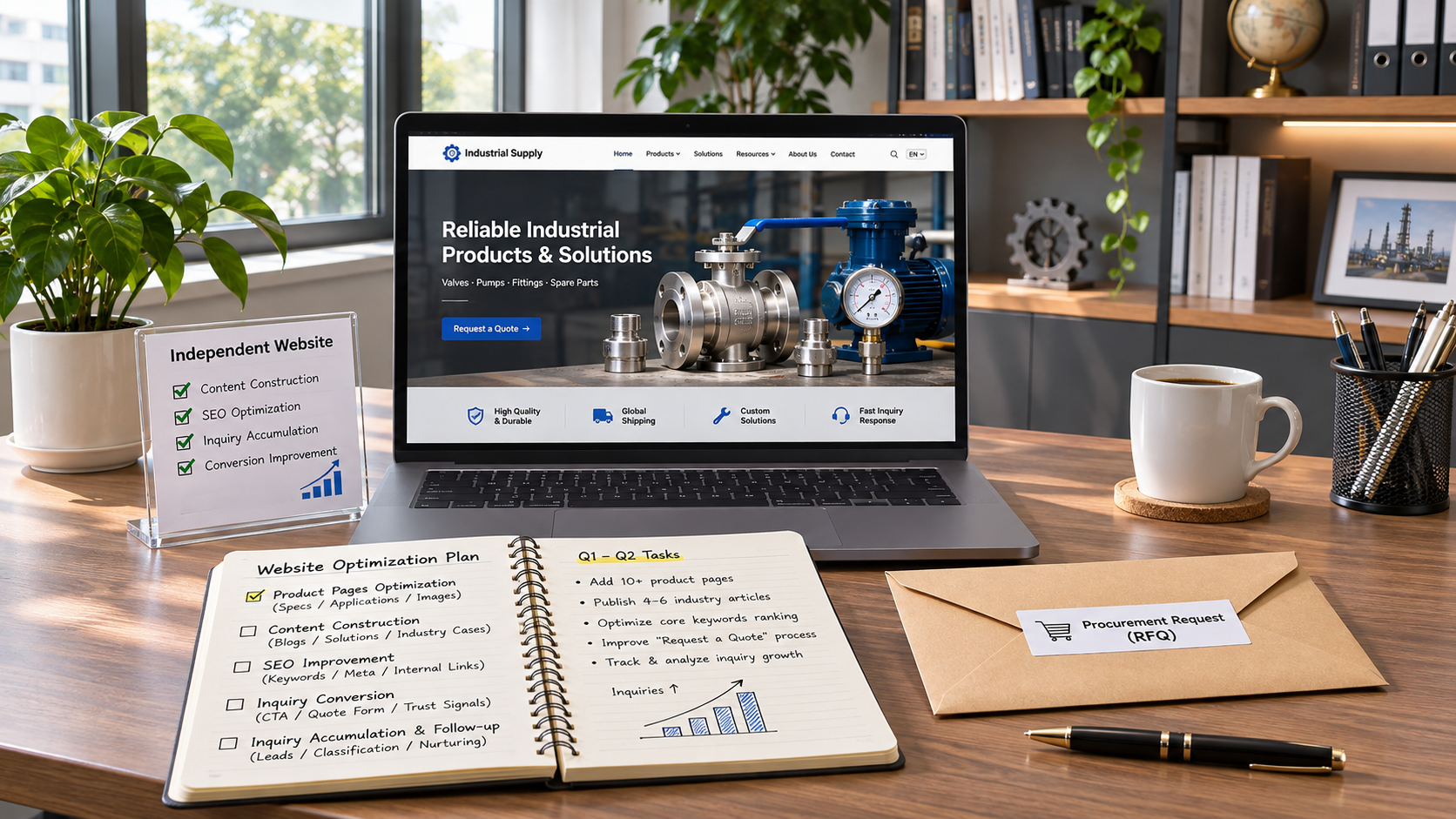
 Yiyingbao SaaS Intelligent Website Building and Marketing SystemYiyingbao SaaS Intelligent Website Building and Marketing System, AI-powered no-code website building, rapid creation of multilingual B2B international websites in 10 minutes, global server acceleration, AI-powered SEO optimization, helping businesses connect efficiently with global markets. The perfect integration of technology and operation makes building an international trade website remarkably simple
 AI+SEM Intelligent Advertising Marketing SystemAI+SEM drives intelligent ad creation, empowering full-funnel precision advertising marketing. The system automatically generates weekly/monthly reports, AI recommends keywords and target countries, monitors core metrics in real-time with intelligent alerts, and enables one-click high-conversion ad solutions to help quickly acquire customers and improve ROI.
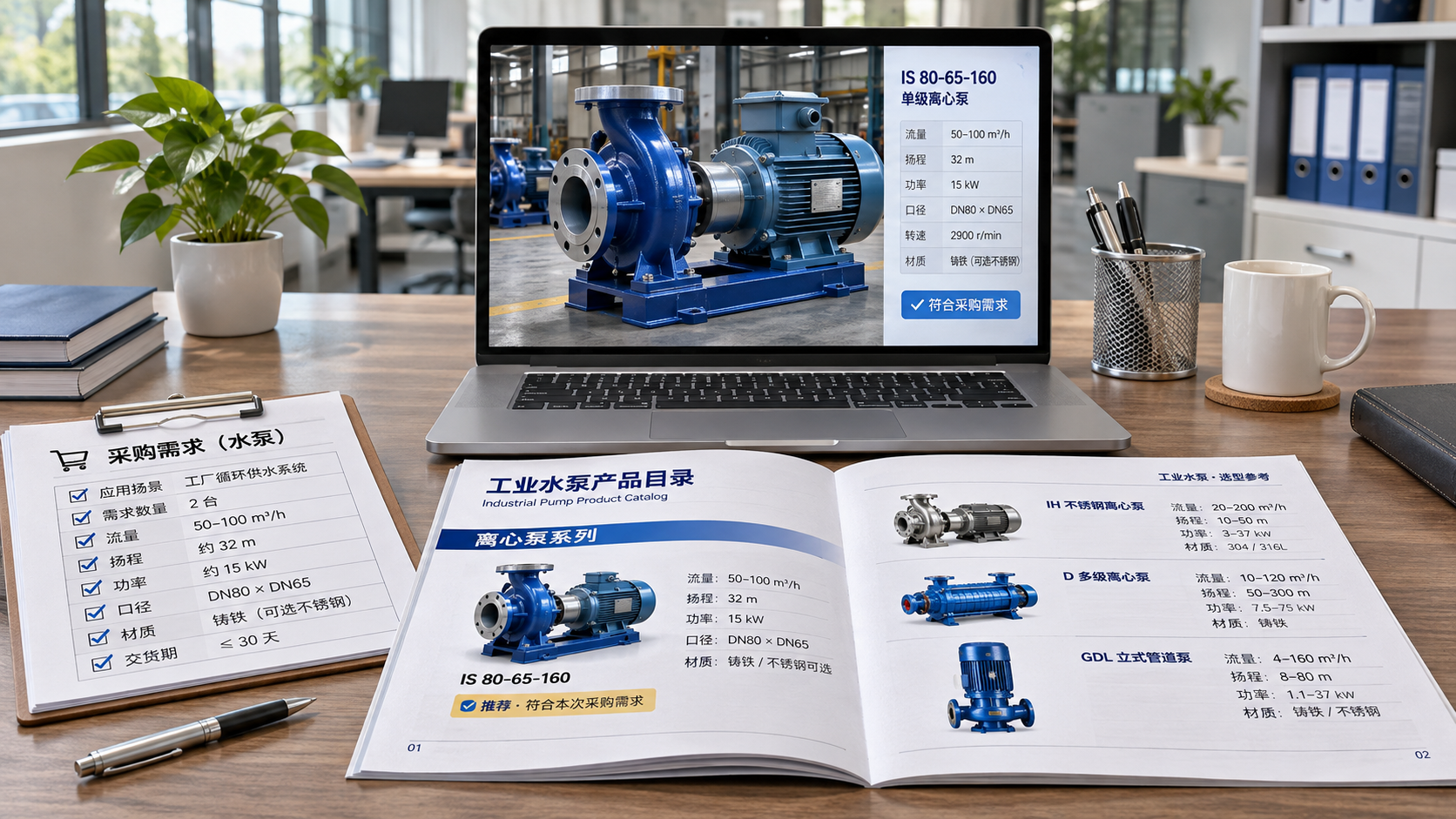
 AI+SEO Dual-Engine System Optimization ServicesYiyingbao’s AI+SEO dual-engine optimization system helps foreign trade enterprises acquire high-quality organic traffic through AI-powered keyword research, content generation, and comprehensive technical optimization, significantly improving search rankings and conversion rates.
 AI+SNS Social Media Marketing SystemYingbao AI+SNS Social Media Marketing System - Precision social capture for the social media era. Supports one-click content synchronization across major platforms like Facebook and LinkedIn. AI intelligently rewrites posts for enhanced relevance. 24/7 AI customer service and user profiling analysis empower businesses to efficiently expand into global markets.
 AI+SEO营销解决方案易营宝AI+SEO营销解决方案,通过AI批量写作、智能生成TDK、精准关键词扩词等功能,全面优化网站SEO效果,提升流量与转化率。助力企业构建高效智能网站新生态。
 AI+SEM Advertising Marketing SolutionsAI+SEM Advertising Marketing Solution leverages AI technology to deeply empower SEM ad campaigns. It automatically generates weekly/monthly reports using AI, presenting account data across multiple dimensions for comprehensive insights into campaign performance and trends. The system precisely recommends keywords and target countries, intelligently generates high-conversion ad copy, and enables one-click activation of efficient campaign plans to help businesses rapidly acquire customers. Simultaneously, it monitors core metrics in real time, intelligently identifies abnormal fluctuations, and issues timely alerts to ensure stable, high-return advertising results.
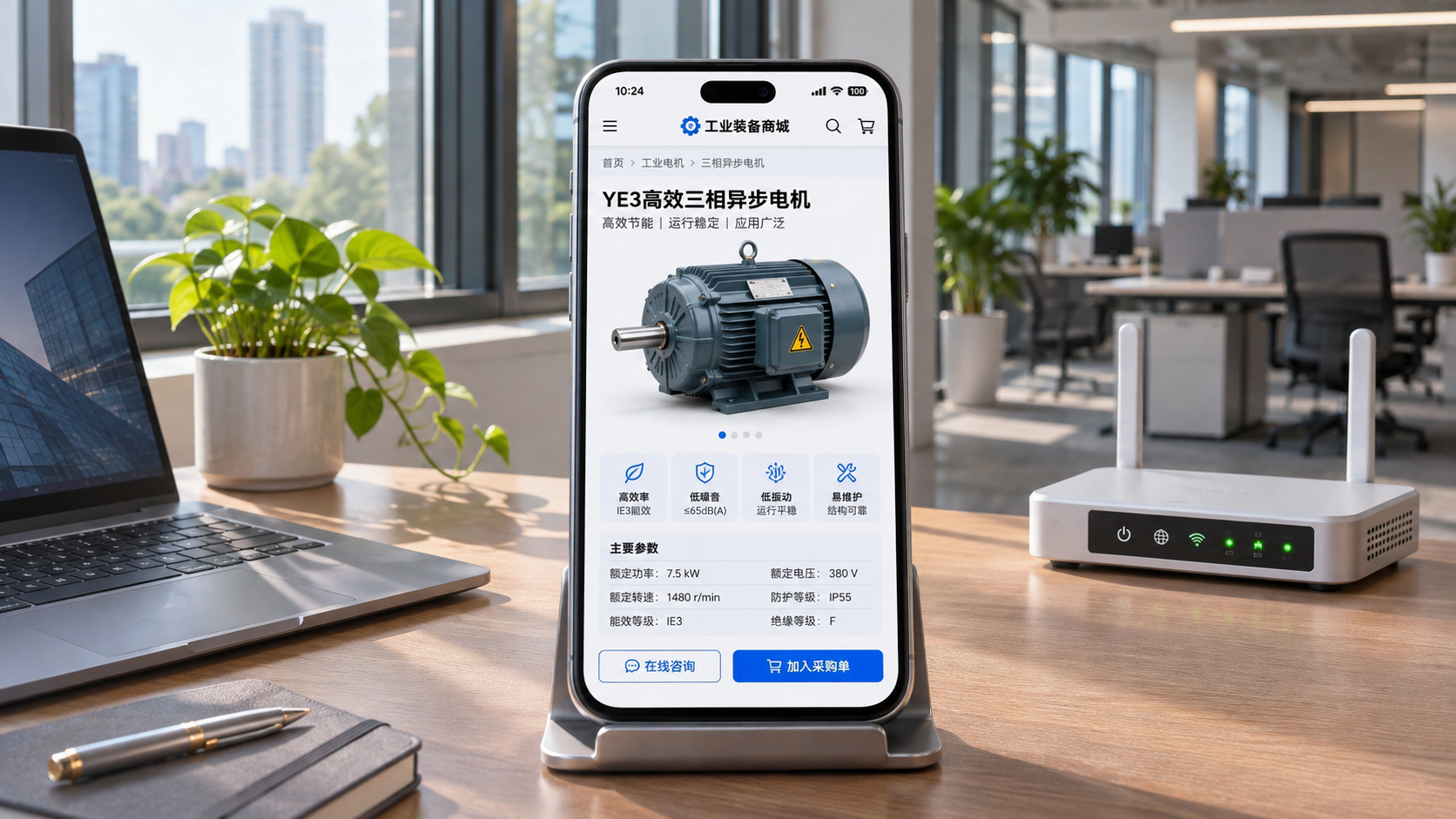
 Domain Name ServicesEasyWin provides professional domain name services, including intelligent queries, one-stop registration, brand protection, and full lifecycle management, helping businesses build a digital brand image.
 EasyOperate B2C Cross-Border E-Commerce Platform & Independent WebsiteEasyStore B2C Cross-border E-commerce Independent Store is an intelligent website building and cross-border e-commerce integrated solution independently developed by EasyStore Information Technology (Beijing) Co., Ltd. The system is specially designed for small and medium-sized as well as large export enterprises, integrating 'website building, operation, marketing, advertising, and conversion' into one, helping enterprises quickly establish cross-border e-commerce independent stores to achieve brand globalization and global sales growth.
The platform supports multiple languages, multiple currencies, and multi-channel marketing, with built-in AI intelligent translation and SEO optimization systems, suitable for mainstream markets such as Southeast Asia, Europe and America, Latin America, and the Middle East, assisting Chinese manufacturing enterprises in efficiently deploying international e-commerce strategies. SSL证书易营宝提供专业SSL安全证书服务,包括单域名和泛域名证书,确保网站数据传输加密、身份验证和完整性保护,助力企业建立安全可信的在线业务环境。









