- Fujian Announces the First Batch of Provincial-Level Cross-Border E-Commerce Industrial Parks and Key Brands for CultivationNov 14, 2026View details
- Amazon Global Store Announces the Launch of the 2026 Black Friday Global Shopping SeasonNov 14, 2026View details
- CCTV.com Examines APEC’s Role in China’s Foreign TradeNov 12, 2026View details
- China’s Tariff Commission of the State Council Adjusts Additional Tariffs on U.S. Goods: 24% Tariff Suspended for Two MonthsNov 10, 2026View details
- APEC Shenzhen Spotlight: Cross-Border E-Commerce Orders Promote Asia-Pacific Trade and Economic CooperationNov 08, 2026View details
- China-Europe Railway Express and CIIE Hold Business Matchmaking Event, Focusing on Cross-Border E-commerce B2B ExportsNov 07, 2026View details
1Password Launches Secure Agent Access Feature: 1Password for Agents
On November 12, 2026, password management platform 1Password announced the launch of 1Password for Agents, enabling enterprise-authorized AI agents to log in to and access software-as-a-service applications without obtaining or exposing actual passwords. This is a change to a product feature, not a confirmed update to regulations or industry standards. For buyers evaluating agent access to enterprise systems, application administrators, and service providers, the key consideration is how changes to agent authentication methods may affect access authorization, supplier evaluation, and delivery acceptance.
Agents can access applications without obtaining actual passwords
According to the information provided, 1Password announced the launch of 1Password for Agents on November 12, 2026. The feature allows enterprise-authorized AI agents to log in to and access software-as-a-service applications without obtaining or exposing actual passwords.
The event summary notes that the feature addresses identity authentication and data privacy and security concerns amid the large-scale integration of AI agents into enterprise systems. The input does not provide details about the specific technical implementation, supported application scope, deployment requirements, or terms of service.

Changes in access methods may affect procurement and delivery
Enterprise buyers: Expand evaluations to include agent identity
In practice, enterprises planning to purchase or use AI agents may need to add an evaluation of agent login methods to their existing software procurement discussions. Buyers need to understand which business processes agents access applications for, whether access is authorized by the enterprise, and whether the selected solution meets the enterprise's requirements for credential handling.
This may affect the items reviewed in procurement questionnaires, supplier technical documentation, and contract appendices. For example, an enterprise may ask suppliers to explain how agents access applications and how access is handled when authorization changes. Specific documents and terms should be based on the actual needs of both parties and the information provided by the supplier. This does not establish that uniform procurement rules have emerged across the industry.
Application management and security teams: Reassess authorization boundaries
From a business management perspective, once AI agents are introduced into applications, their permissions may span multiple accounts and business processes. Even if agents do not need to obtain actual passwords, enterprises may still need to determine which agents can access which applications, what actions they can perform, and who is responsible for approval and review.
Application administrators and security teams can therefore consider jointly reviewing the list of agent access, and including the purpose of access, its scope, and the responsible person in internal evaluations. The input does not confirm which permission management or logging features the product offers, so enterprises should verify these details with the supplier before designing processes.
Service delivery and integration: Pre-delivery validation takes on greater importance
For service providers delivering agent applications to enterprises or responsible for system integration, the analysis suggests that customers may pay closer attention to how a solution connects to existing applications and whether credentials are exposed while agents are in use. These questions may arise during solution reviews, trial validation, and delivery acceptance.
Service providers can prepare technical documentation that reflects the actual solution and confirm the testing scope, authorization responsibilities, and exception-handling procedures with customers. As the input provides no compatibility or deployment details, whether the product is suitable for a particular system and whether existing delivery processes need to be adjusted remain subject to specific validation.
What enterprises can verify, from credential handling to acceptance
First, define agent access scenarios
Enterprises can start with their actual business needs to identify which agents need to log in to applications, what data they will access, and whether their actions require human confirmation. In practice, defining usage scenarios helps distinguish the access scope agents need to complete tasks from unnecessary permissions, and helps buyers ask more specific questions.
Verify feature boundaries and compatibility requirements
The input confirms that agents do not need to obtain or expose actual passwords, but does not explain the specific authentication process. Enterprises can further check with suppliers which applications are supported, the integration requirements, authorization methods, and credential-handling mechanisms, then conduct appropriate tests to assess compatibility with their existing environments. Features for which evidence is not yet available should not be included as definitive delivery commitments.
Discuss the allocation of responsibilities in procurement and delivery
In practice, buyers can discuss with product suppliers and integration service providers who initiates authorization, who approves changes, how the parties will coordinate when access issues occur, and what evidence is required for acceptance. These are recommendations based on business risks, not mandatory requirements established by this event. Specific arrangements will depend on product capabilities and contractual terms.
Monitor authorization changes and conduct ongoing reviews
When an agent's purpose or business process changes, enterprises should consider whether the existing access scope remains appropriate as part of their review. They can also monitor subsequent product documentation and usage requirements from suppliers to confirm that actual deployments remain consistent with the initial evaluation. The input does not specify review frequency or logging requirements; these arrangements should be determined according to each enterprise's management needs.
Whether the product launch will affect market practices remains to be seen
This news is best understood as a product signal in the area of enterprise agent access security: a supplier has proposed an access method that does not expose actual passwords to agents, which may prompt buyers to ask further questions about agent identity and credential protection. The available information is insufficient to show that this practice has become an industry norm, and certainly does not establish new regulatory obligations or certification requirements.
Further conclusions depend on more verifiable information, including the product's specific implementation, supported scope, deployment requirements, and feedback from enterprises during procurement and use. If technical documentation or customer acceptance requirements change, this may affect how different solutions are compared. Whether such changes will occur and how significant their impact will be remain to be seen.
Apply security commitments to specific access scenarios
From an industry perspective, this launch brings the issue of password exposure when agents access applications into enterprise solution-selection discussions. Enterprises can use it as an opportunity to evaluate agent authentication solutions by checking authorization, compatibility, and delivery evidence against real business scenarios, while continuing to compare other viable solutions. For now, the prudent approach is to treat this as an announced product feature and a market signal worth monitoring, while awaiting further implementation details.
Sources for this article and areas for further verification
This article is based on the news headline, event date, and event summary provided by the user. No link to a specific official source was included in the input, so further verification will be necessary. Readers can monitor official product announcements and related technical documentation, and consult authoritative media reports and industry feedback as needed. Changes to the product's scope of applicability, enterprise deployments, procurement requirements, or acceptance criteria should also be assessed based on reliable information as it becomes available.
Related Articles
 New SWIFT rules take effect on November 14: payment messages with fully unstructured addresses will be rejected
 1Password Launches Secure Agent Access Feature: 1Password for Agents
 DebugBear confirms service has been restored following a DNS hijacking incident



Related Products
 Yiyingbao SaaS Intelligent Website Building and Marketing SystemYiyingbao SaaS Intelligent Website Building and Marketing System, AI-powered no-code website building, rapid creation of multilingual B2B international websites in 10 minutes, global server acceleration, AI-powered SEO optimization, helping businesses connect efficiently with global markets. The perfect integration of technology and operation makes building an international trade website remarkably simple
 AI+SEM Intelligent Advertising Marketing SystemAI+SEM drives intelligent ad creation, empowering full-funnel precision advertising marketing. The system automatically generates weekly/monthly reports, AI recommends keywords and target countries, monitors core metrics in real-time with intelligent alerts, and enables one-click high-conversion ad solutions to help quickly acquire customers and improve ROI.
 AI+SEO Dual-Engine System Optimization ServicesYiyingbao’s AI+SEO dual-engine optimization system helps foreign trade enterprises acquire high-quality organic traffic through AI-powered keyword research, content generation, and comprehensive technical optimization, significantly improving search rankings and conversion rates.
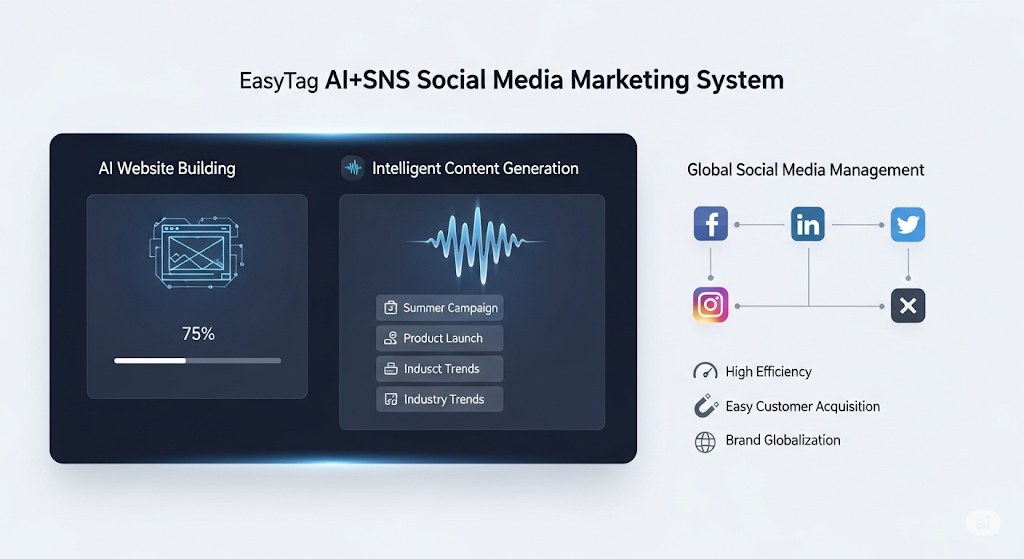
 AI+SNS Social Media Marketing SystemYingbao AI+SNS Social Media Marketing System - Precision social capture for the social media era. Supports one-click content synchronization across major platforms like Facebook and LinkedIn. AI intelligently rewrites posts for enhanced relevance. 24/7 AI customer service and user profiling analysis empower businesses to efficiently expand into global markets.
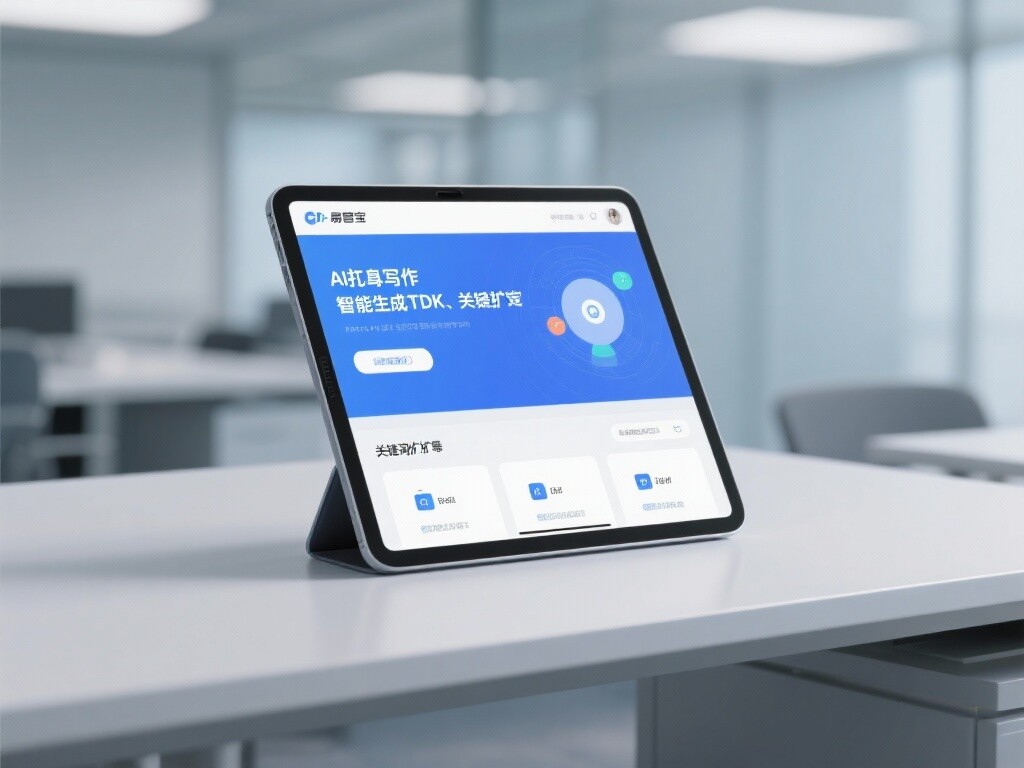
 AI+SEO营销解决方案易营宝AI+SEO营销解决方案,通过AI批量写作、智能生成TDK、精准关键词扩词等功能,全面优化网站SEO效果,提升流量与转化率。助力企业构建高效智能网站新生态。
 AI+SEM Advertising Marketing SolutionsAI+SEM Advertising Marketing Solution leverages AI technology to deeply empower SEM ad campaigns. It automatically generates weekly/monthly reports using AI, presenting account data across multiple dimensions for comprehensive insights into campaign performance and trends. The system precisely recommends keywords and target countries, intelligently generates high-conversion ad copy, and enables one-click activation of efficient campaign plans to help businesses rapidly acquire customers. Simultaneously, it monitors core metrics in real time, intelligently identifies abnormal fluctuations, and issues timely alerts to ensure stable, high-return advertising results.
 Domain Name ServicesEasyWin provides professional domain name services, including intelligent queries, one-stop registration, brand protection, and full lifecycle management, helping businesses build a digital brand image.
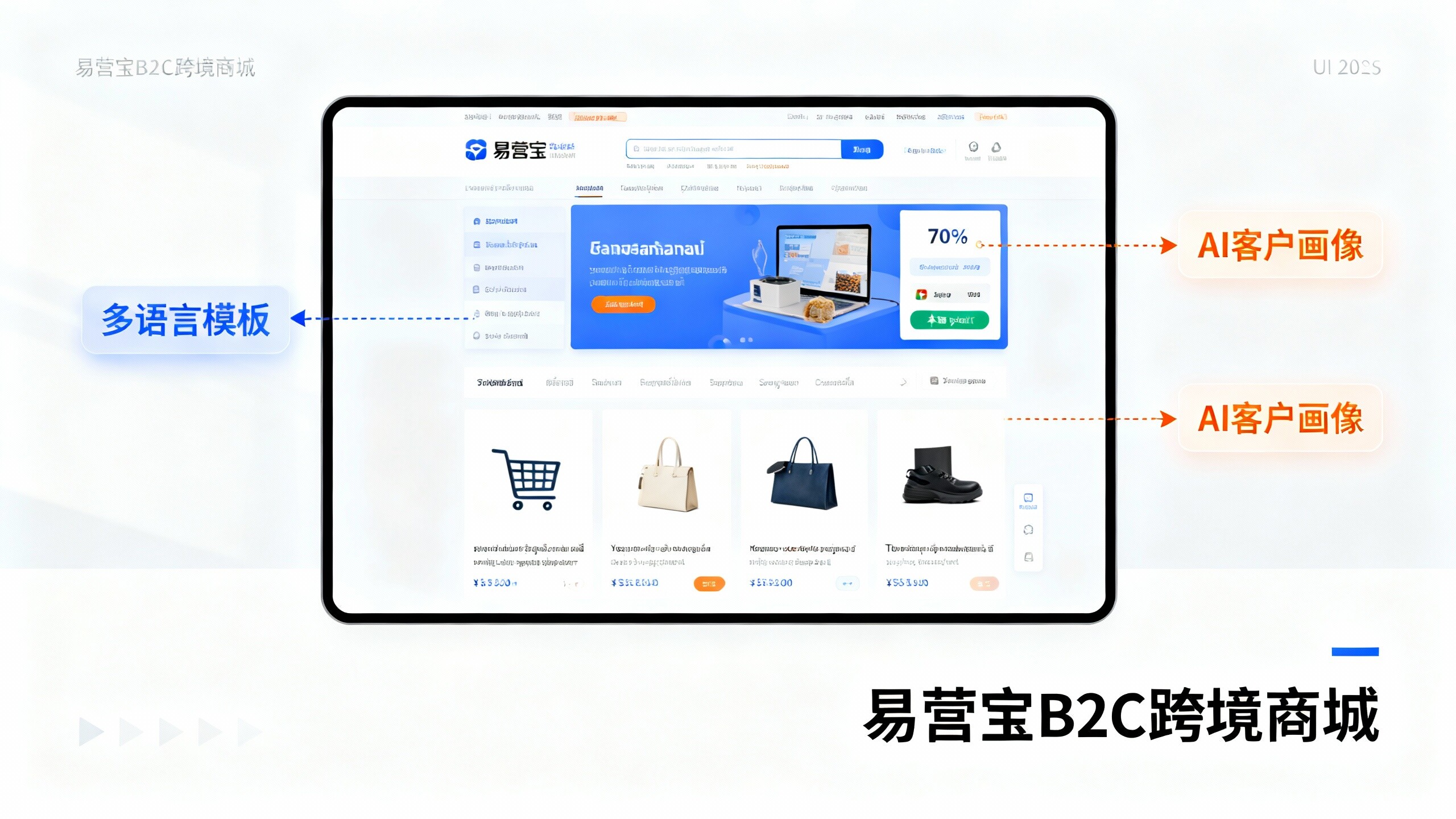
 EasyOperate B2C Cross-Border E-Commerce Platform & Independent WebsiteEasyStore B2C Cross-border E-commerce Independent Store is an intelligent website building and cross-border e-commerce integrated solution independently developed by EasyStore Information Technology (Beijing) Co., Ltd. The system is specially designed for small and medium-sized as well as large export enterprises, integrating 'website building, operation, marketing, advertising, and conversion' into one, helping enterprises quickly establish cross-border e-commerce independent stores to achieve brand globalization and global sales growth.
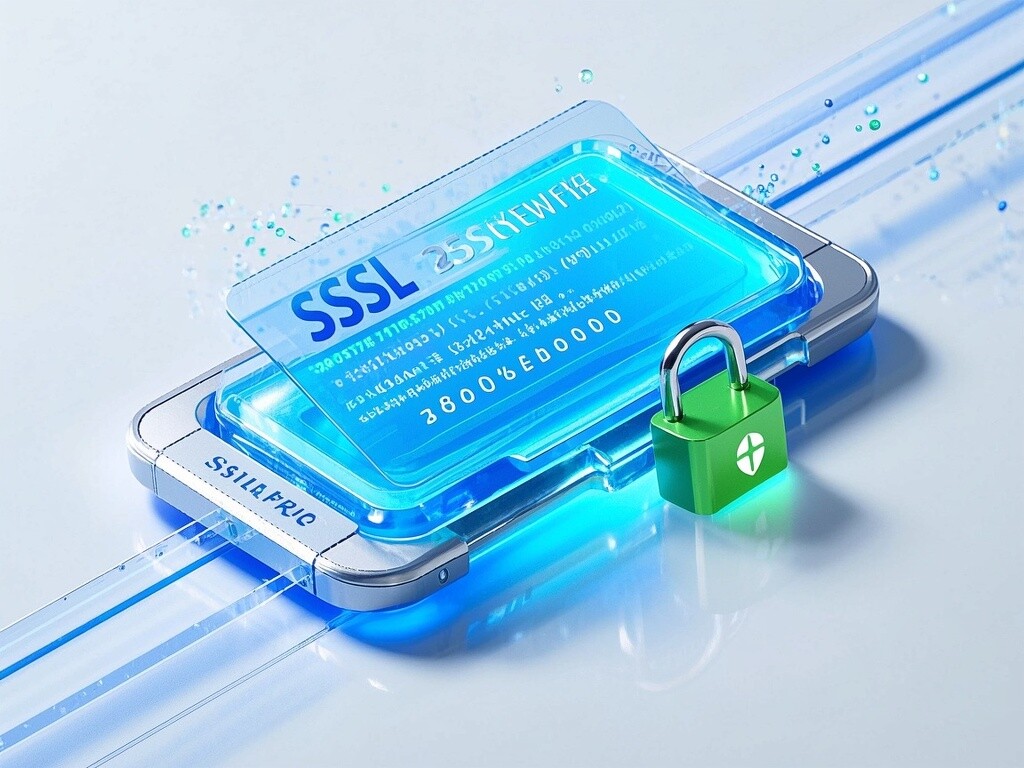
The platform supports multiple languages, multiple currencies, and multi-channel marketing, with built-in AI intelligent translation and SEO optimization systems, suitable for mainstream markets such as Southeast Asia, Europe and America, Latin America, and the Middle East, assisting Chinese manufacturing enterprises in efficiently deploying international e-commerce strategies. SSL证书易营宝提供专业SSL安全证书服务,包括单域名和泛域名证书,确保网站数据传输加密、身份验证和完整性保护,助力企业建立安全可信的在线业务环境。