

I. Definition and Business Scope of Form Optimization
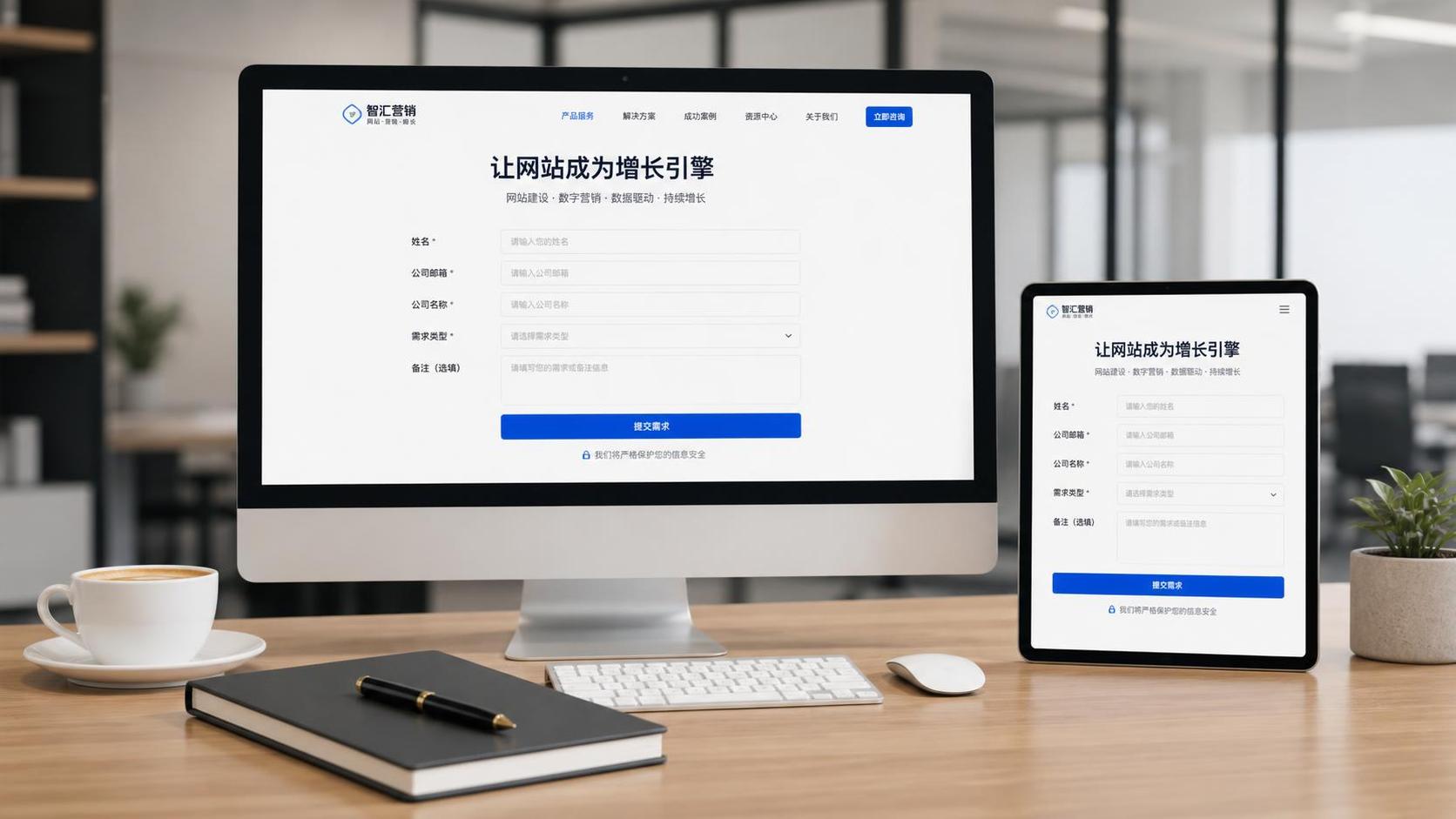
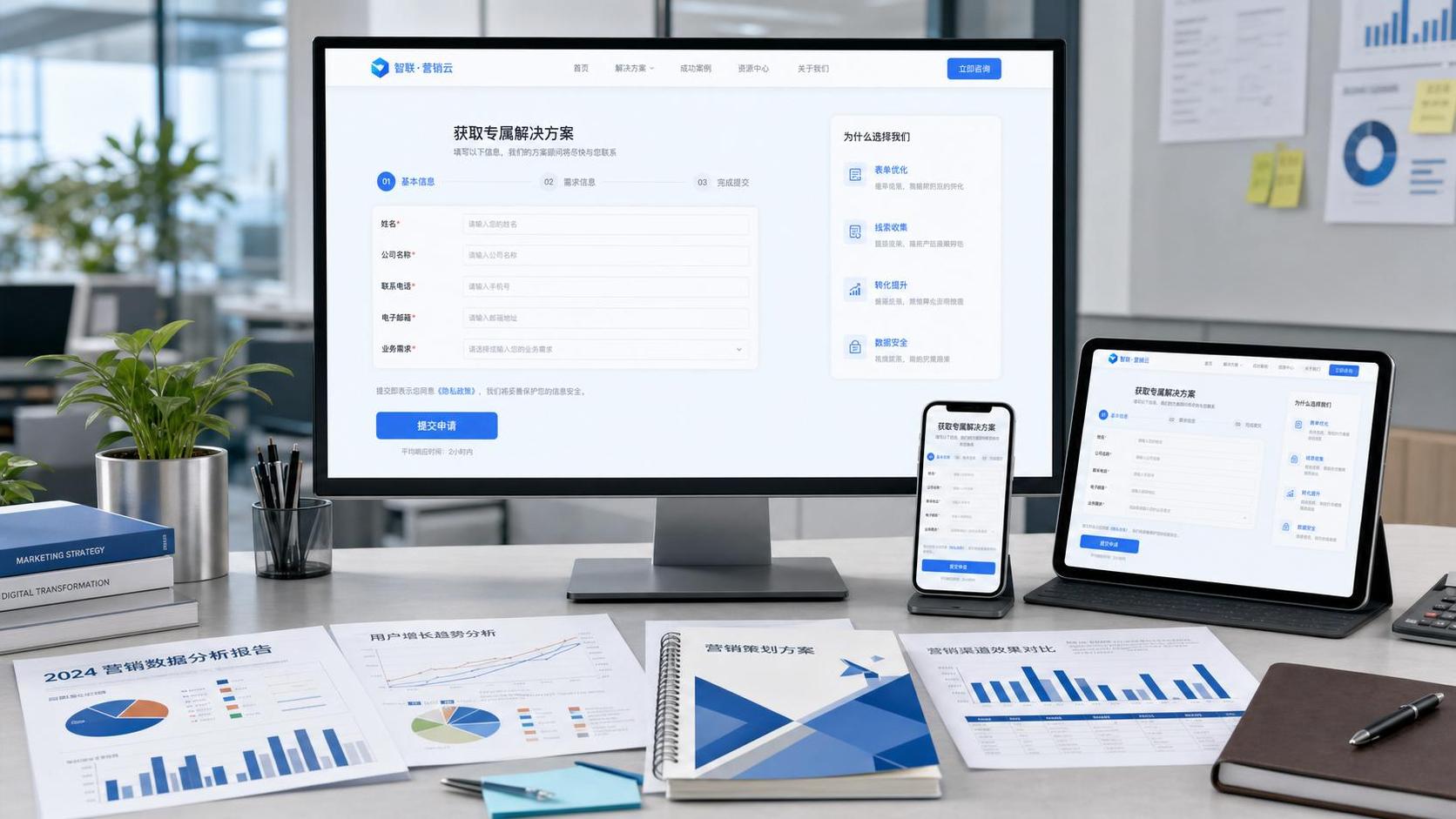
Form optimization refers to the ongoing process of improving the number of fields, page placement, interaction feedback, trust information, submission path, and subsequent allocation mechanism around the goal of having visitors submit information. It is not simply about beautifying input fields, but rather a conversion initiative that connects traffic acquisition, lead identification, and sales follow-up.
On foreign trade B2B websites, forms typically serve purposes such as inquiries, quotations, sample requests, catalog downloads, and appointment scheduling. Before submitting, buyers assess whether the supplier is reliable, communication is convenient, and information is secure. Therefore, form optimization must be designed in coordination with product page content, qualification displays, and contact channels.
An effective form should both reduce the friction of completion and ensure usability for sales. Too few fields may make it impossible to assess requirements, while too many fields increase the risk of abandonment. The reasonable goal is to collect the key information needed for the initial response and progressively supplement procurement details through follow-up emails, phone calls, or instant messaging.
II. Conversion Principles: From Click Intent to Qualified Leads
Form conversion is jointly influenced by three factors: motivation, cost, and risk. The clearer a visitor's purchasing intent, the more willing they are to leave contact information; the more complex the completion process, the higher the probability of drop-off; when there are concerns about delivery capabilities, privacy handling, or response speed, visitors may delay submission even if they have a need.
At the technical level, forms should load reliably, input controls should be optimized for mobile devices, and required-field validation should be clear without clearing previously entered content. After submission, the system should immediately confirm success and communicate expectations for the next step. For international inquiries, parallel channels such as email, WhatsApp, and online customer service can be provided to accommodate communication habits across different regions.
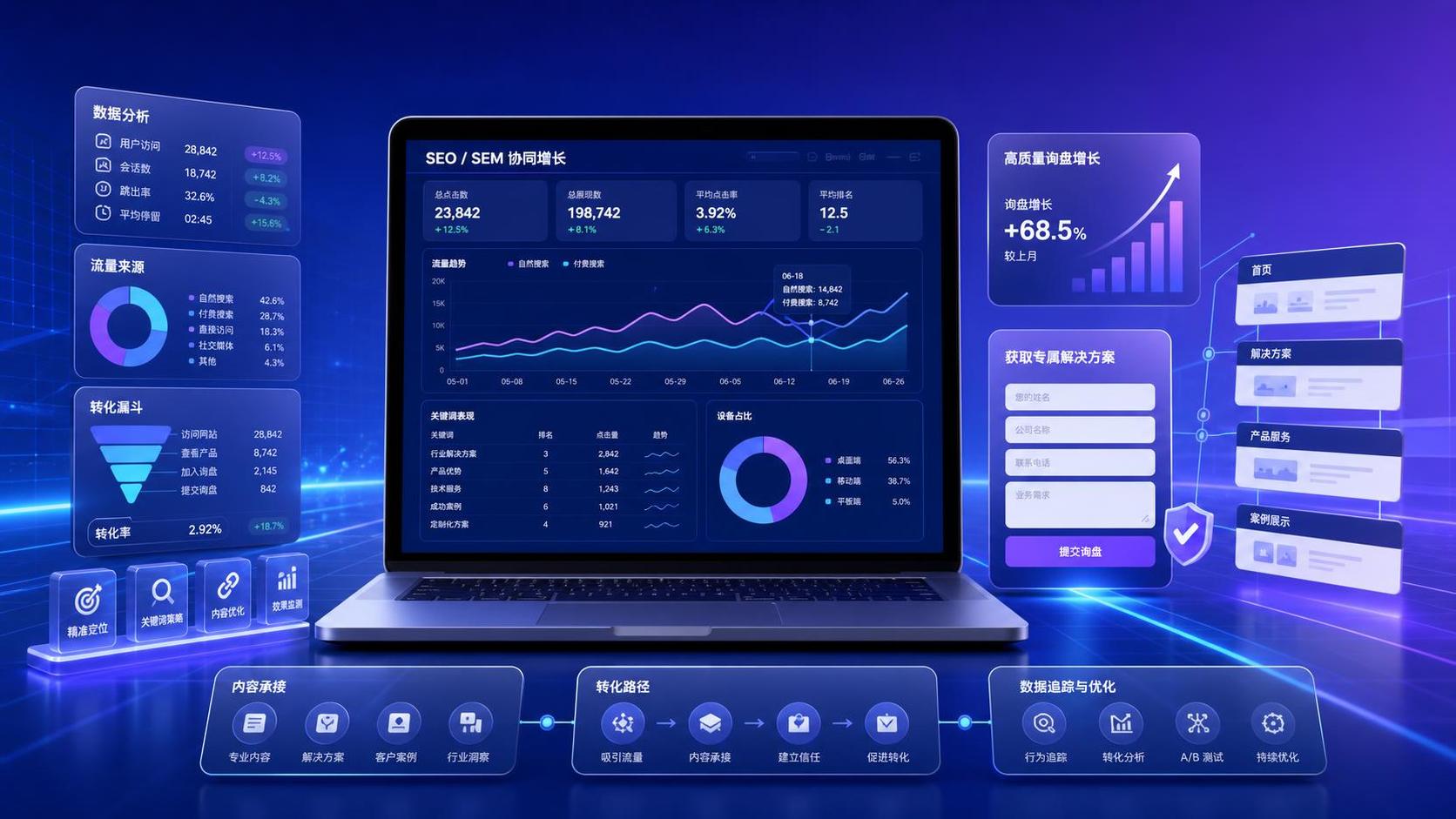
At the data level, companies should distinguish between metrics such as form impressions, form starts, field errors, successful submissions, and sales-qualified leads. Looking only at submission volume can easily mask low-quality traffic or invalid inquiries; only by linking advertising sources, landing pages, product categories, and conversion feedback can companies identify channels truly worth expanding investment in.
III. Mainstream Form Optimization Types and Applicable Scenarios
By page role, common types include product detail page inquiry forms, short forms on advertising landing pages, quotation request forms, sample request forms, after-sales service forms, and content download forms. Product pages are suitable for collecting model, quantity, or application requirements, while advertising pages should focus on a single selling point and reduce questions unrelated to the current conversion.
By interaction method, embedded forms, pop-up forms, multi-step forms, and instant messaging prompts can be used. Complex industrial products can use a multi-step design that presents contact information separately from technical requirements; on mobile devices, short forms, drop-down selections, and controls suitable for finger operation should be prioritized to avoid requiring users to switch input methods frequently.
By lead quality strategy, companies can set up lightweight lead acquisition forms and in-depth qualification forms. The former is suitable for obtaining initial interest, while the latter is used for high-value projects, distributor screening, or customized solutions. Different forms should not share the same set of fields; otherwise, the visitor experience may be compromised or the sales team may face excessive invalid follow-up.
IV. Selection Criteria and Development Requirements for Foreign Trade Companies
When procuring a form system, companies should first confirm whether it supports responsive pages, multilingual fields and prompts, automatic association of product information, anti-spam submissions, email notifications, and lead export. For companies advertising in multiple countries, they should also check whether forms, thank-you pages, and conversion tracking can be configured independently for pages in different languages.
Yiyingbao's website development and operational services for foreign trade marketing websites can incorporate product catalogs, multilingual pages, inquiry forms, WhatsApp, email, and online communication channels into a unified website system. Its responsive architecture is suitable for both PC and mobile access, making it appropriate for companies that need to centrally manage page assets receiving traffic from Google search, advertising, and overseas social media.
Selection should not only compare the number of templates or the initial website development price. It should also consider whether content updates are convenient, whether forms can be configured by product line, whether data is easy to review, and whether subsequent SEO, advertising landing pages, and social media operations can work together. The smoother the connection between system capabilities and operational services, the more controllable the trial-and-error cost of conversion optimization usually becomes.
V. Typical User Groups, Scenarios, and Implementation Methods
Form optimization is particularly suitable for manufacturing plants, OEM/ODM companies, machinery and equipment suppliers, industrial materials companies, cross-border sellers, and teams expanding brands overseas. These businesses have longer decision cycles and more product parameters, so their websites need to enable buyers to express their requirements quickly while giving sales personnel information that can be used to assess project value.
During implementation, companies can first identify high-value pages and existing drop-off points, then establish field strategies for different products. For example, laser engraving machines, heavy trucks, chemical products, or new energy-related products can retain basic information such as name, business email, country, requirement description, and product model; customized projects can additionally include options such as quantity, technical parameters, or target applications.
Yiyingbao's services cover industries including laser engraving machines, steel, chemicals, machinery, new energy, medical care, and furniture, and it has served companies such as Haier, Aucma, Shandong Airlines, and Xiaoya Group. Specific projects still need to determine page content based on the target market, customer decision-making roles, and sales process, and cannot directly apply field structures from other industries.
VI. Testing, Maintenance Cycles, and Quality Control
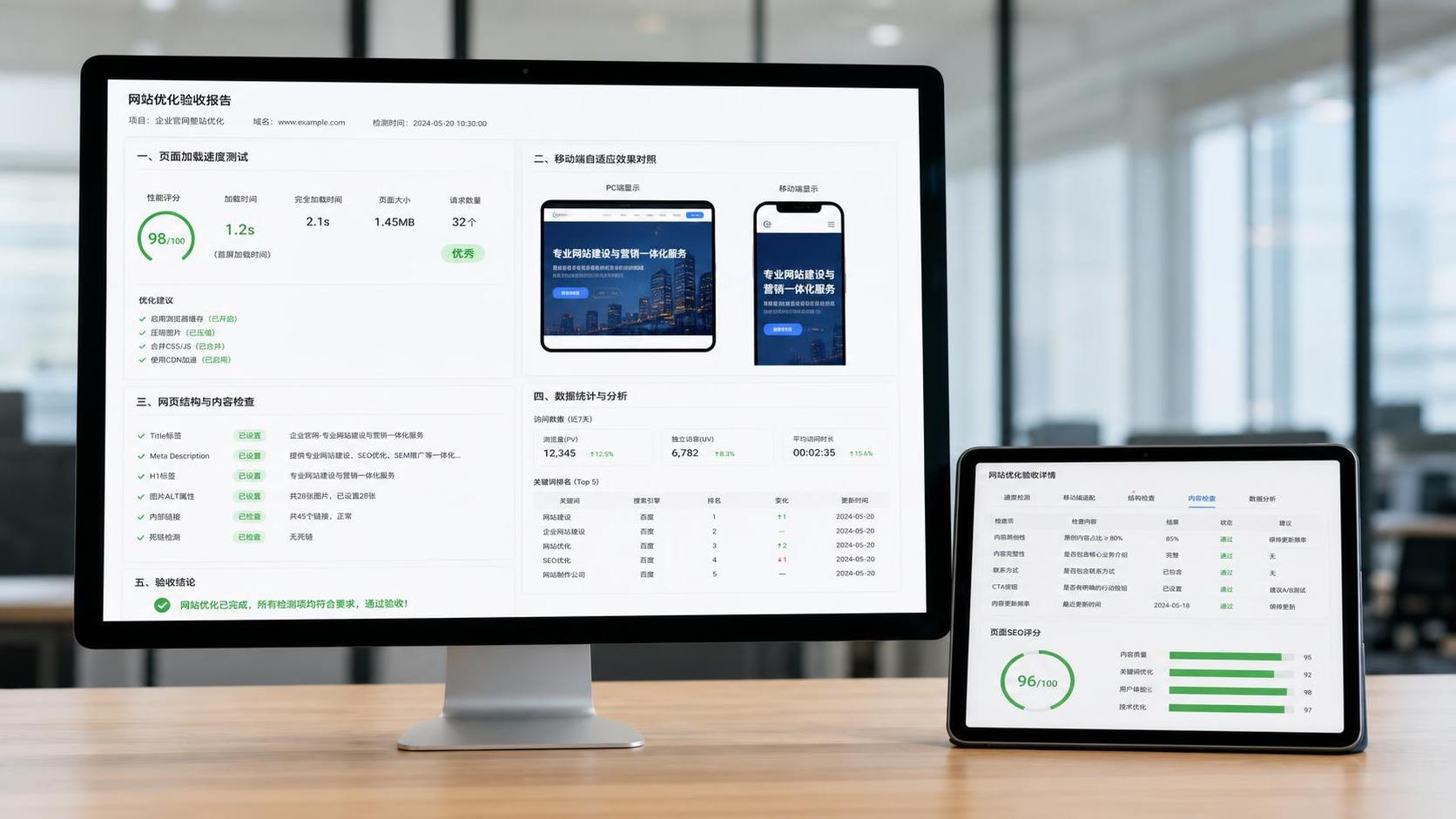
Before a form goes live, testing should be completed across browsers, mobile devices, pages in different languages, email notifications, and lead records, with particular attention to required-field prompts, attachment uploads, verification codes, submission success pages, and performance under unstable network conditions. If any key field cannot be entered or notification emails are missed, advertising and content investments may fail to generate effective leads.
Maintenance cycles should match traffic scale. New advertising landing pages can compare different headlines, field counts, and call-to-action buttons after receiving a certain volume of visits; standard corporate websites should review form submission volume, sources, and sales feedback at least monthly. When products are updated, new markets are entered, or quotation strategies are adjusted, companies should simultaneously review whether form questions still align with business objectives.
Quality control also includes preventing spam leads, identifying duplicate submissions, and defining response time limits. It is recommended that the definition of qualified leads be confirmed jointly with the sales team, such as business email, clear purchasing requirements, target region, or budget range. Marketing teams can optimize traffic accordingly, and sales teams can optimize follow-up accordingly, avoiding the use of submission volume alone as a performance measure.
VII. Total Cost of Ownership, Return Assessment, and Future Trends
The total cost of ownership for form optimization includes website system configuration, multilingual content, page design, development testing, data tracking, anti-spam measures, and ongoing operational labor. For B2B companies, the largest hidden cost is often not the cost of form tools, but the loss of high-quality traffic due to insufficient page experience and the sales follow-up time occupied by low-quality leads.
Return assessment should use the complete funnel: visits, form start rate, submission rate, qualified lead rate, quotation rate, and contribution to closed deals. If shortening a form increases submissions but significantly reduces the qualified lead rate, the fields and filtering mechanism should be rebalanced. Industries with high average order values should place greater emphasis on opportunity quality and improvements in sales cycle length when assessing investment value.
In the future, forms will be more deeply integrated with AI content generation, behavioral analysis, multilingual localization, and customer relationship management systems. As search, advertising, and generative question-and-answer environments jointly influence procurement paths, companies need to keep product information, form questions, and subsequent responses consistent. Yiyingbao's capabilities in AI website development, SEO, advertising, and website operations can provide a collaborative foundation for continuously iterating form optimization.
 Portuguese independent website building tutorial:Domain name、translation、local payments and SEO processPortuguese independent website building tutorial explains in detail domain name selection、Portuguese localized translation、local payment integration and SEO process,helping enterprises build high-conversion websites better suited to the Brazilian and Portuguese markets,improving indexing、inquiries and transaction efficiency。
 Which form fields on landing pages for B2B websites are more effective at increasing conversions?Which form fields on landing pages for B2B websites are more effective at increasing conversions? This article focuses on high-performing fields such as name, business email, company name, and inquiry type, helping you balance lead quality and submission rates to quickly optimize B2B landing page lead generation.
 What projects and acceptance criteria are generally included in website optimization services?What projects are generally included in website optimization services? This article breaks down common service items and acceptance criteria, covering technical foundations, page content, structural conversion, and data maintenance. It helps you understand quotations, clarify delivery boundaries, avoid scope creep, and make procurement easier.
 For lead conversion optimization, should you look at the form or the landing page journey first?For lead conversion optimization, should you look at the form or the landing page journey first? In the integrated website and marketing services context, this article explains how to identify where leads are being lost, breaks down the logic for handling SEO, advertising, and social media traffic, helps pinpoint key efficiency improvements, and enhances lead quality and conversion rates.
 How to Allocate Your Search Engine Marketing Budget More RationallyHow should a search engine marketing budget be allocated most effectively? This article breaks down more scientific budget allocation strategies from four dimensions—SEO, advertising, landing page development, and data optimization—while taking into account different stages of business development to help you reduce customer acquisition costs and improve inquiry conversion rates.
 How to Improve B2B Search Engine Marketing Lead ConversionHow can B2B lead conversion be improved through search engine marketing? The key is not just traffic, but also website lead handling, landing page content alignment, form path optimization, and closed-loop data tracking. This article breaks down methods for increasing high-quality leads to help businesses improve conversion rates and customer acquisition efficiency.
 How Much Does a Foreign Trade Website Generally Cost to Be Considered Reasonable?How much does a foreign trade website generally cost? It usually depends on the website development method, functional requirements, multilingual configuration, and marketing support. This article explains common price ranges, key pitfalls to avoid, and budgeting recommendations to help you choose an integrated website development solution better suited to customer acquisition and conversion.
 How to Assess ROAS for Facebook Advertising Management Services in FranceHow to Assess ROAS for Facebook Advertising Management Services in France? Don’t Focus Only on Clicks and Impressions—Pay More Attention to Lead Quality, Website Engagement, Conversion Efficiency, and Repurchase Potential. Understand the Logic Behind Advertising Performance Evaluation in the French Market to Help Businesses Optimize Their Budgets and Customer Acquisition Results More Precisely.