

I. Definition and Core Categories of B2B Export Marketing
B2B export marketing refers to digital customer acquisition and nurturing activities conducted by exporting companies for overseas corporate buyers, distributors, engineering contractors, and brand customers. Its goal is not simply to increase website traffic, but to identify target market needs, build trust, and drive qualified inquiries, sample discussions, quotations, and long-term cooperation.
Compared with marketing aimed at individual consumers, B2B transactions typically involve longer decision-making cycles, higher average order values, and approval by multiple stakeholders. Websites need to explain product specifications, application scenarios, factory capabilities, quality control, delivery terms, and after-sales support. Marketing content should also support purchasing decisions rather than merely emphasize low prices.
Common categories include organic search customer acquisition, paid search advertising, social media content and advertising, email and customer remarketing, industry content marketing, and online nurturing after trade shows. Companies can combine channels based on product complexity, target countries, sales cycles, and existing team capabilities, rather than relying on a single traffic source.
II. Customer Acquisition Technology Principles and Basic Industry Requirements
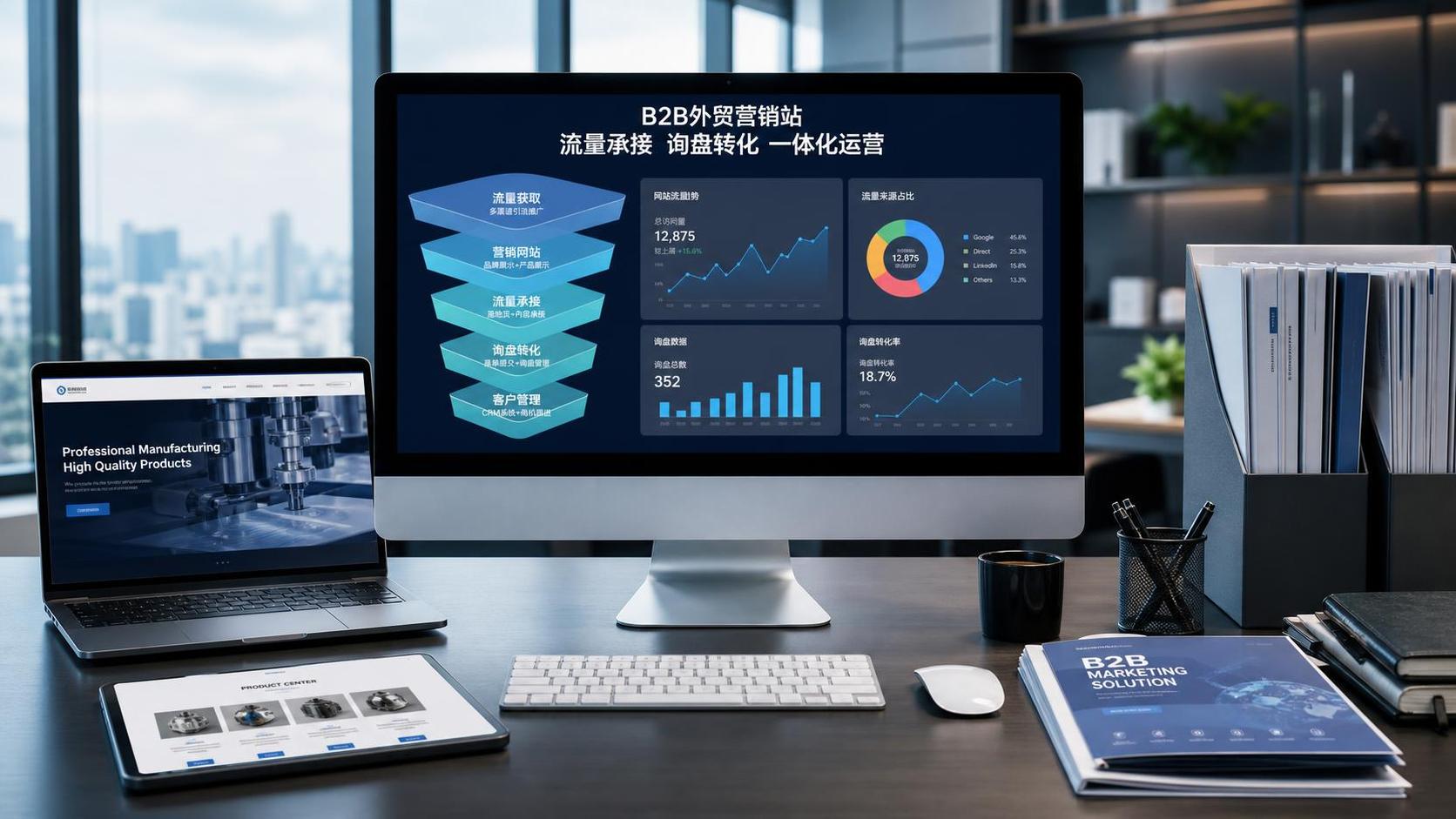
The underlying B2B export marketing process typically consists of “market positioning, keyword and audience research, content engagement, visitor tracking, lead qualification, sales follow-up, and review and optimization.” Verifiable data should be retained at every stage, such as channel sources, page behavior, form submissions, inquiry countries, and deal stages.
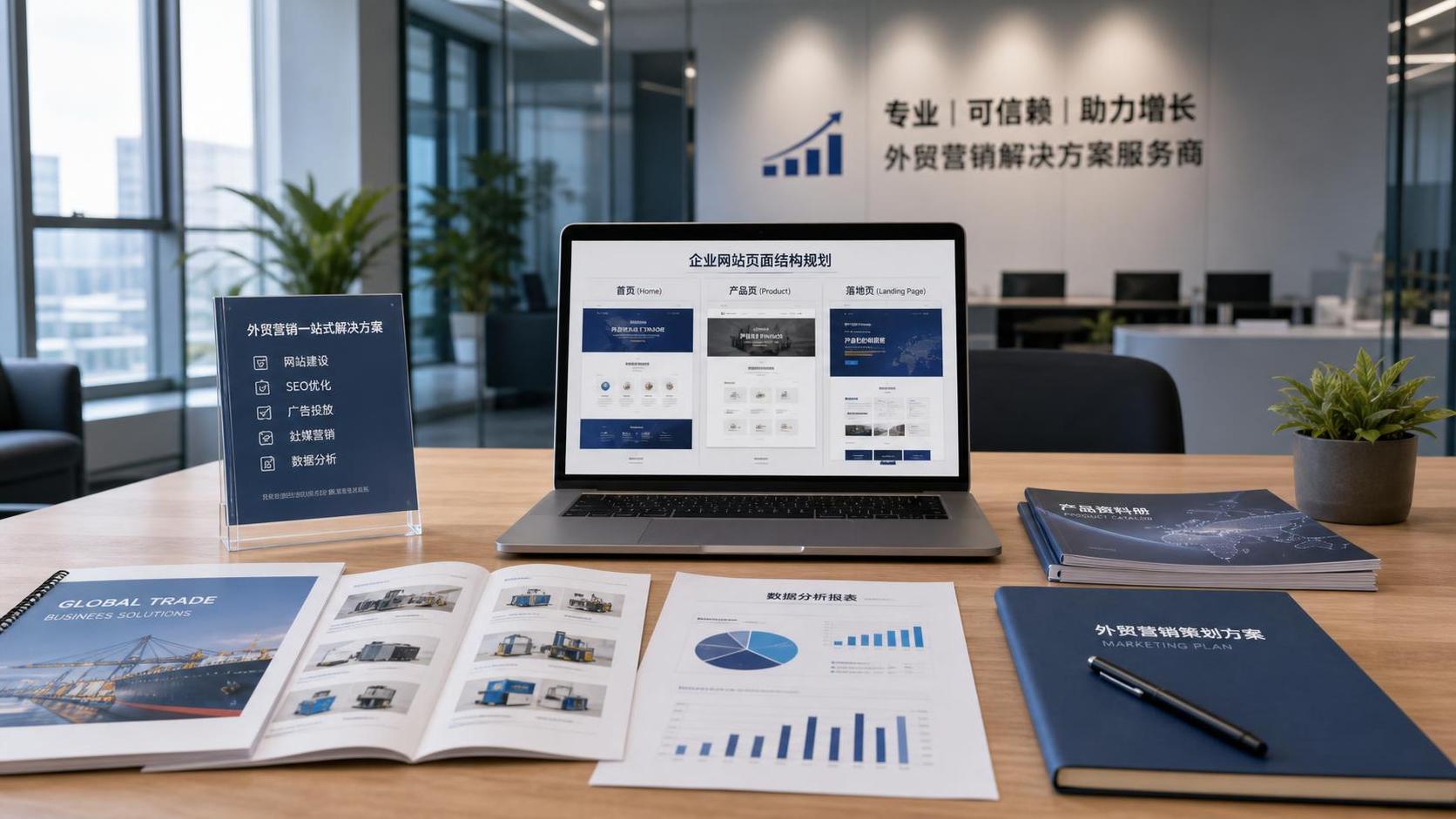
A marketing-oriented standalone website should have core capabilities such as responsive display, clear navigation, crawlable page structures, logical language paths, secure access, and fast loading. Product pages should focus on displaying specifications, materials, certification or testing documents, customization scope, minimum order information, and contact options, reducing the need for buyers to repeatedly confirm details.
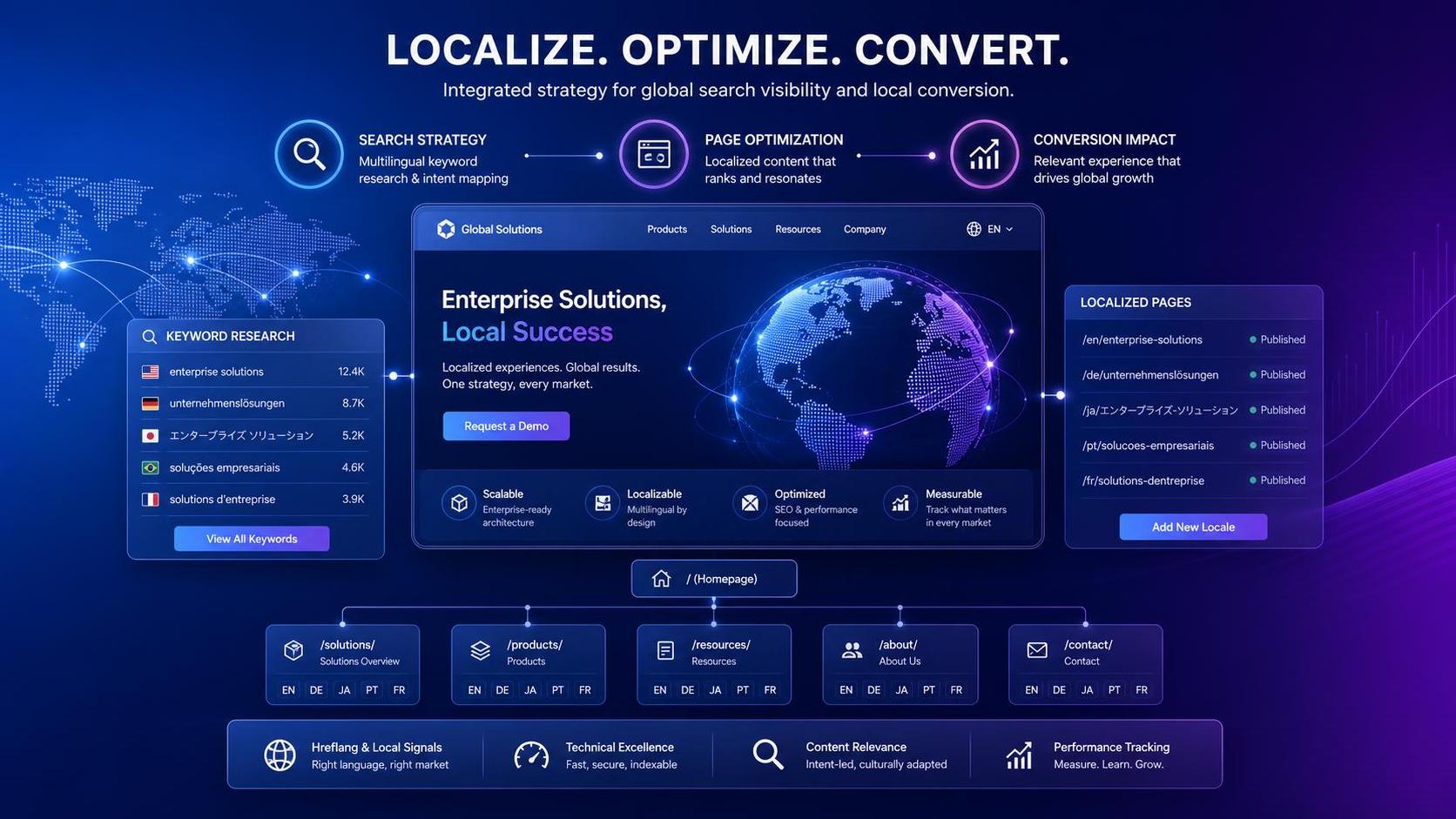
Multilingual operations cannot rely solely on literal page translations. Units of measurement, industry terminology, payment practices, and compliance requirements may vary across markets, so corresponding language pages, language tags, and localized wording should be configured. For industrial products, technical documentation, application cases, and FAQs often support conversion more effectively than generic brand copy.
III. Suitable Companies, Application Scenarios, and Service Selection
B2B export marketing is particularly suitable for manufacturing factories, OEM/ODM companies, machinery and equipment suppliers, industrial material suppliers, foreign trade companies, and exporters developing their own brands. Industries such as laser equipment, steel, chemicals, heavy-duty trucks, new energy, medical products, furniture, and agricultural food products all need professional information to lower the evaluation threshold for overseas buyers.
During the new market validation stage, companies can prioritize search advertising and product landing pages to obtain feedback. Companies with established product lines can continuously build organic search content. Projects with long decision chains or an emphasis on brand endorsement should incorporate social media exposure, case content, and email re-engagement. Channel selection should be guided by lead quality rather than click cost alone.
In integrated website and marketing service scenarios, Yiyingbao can incorporate multilingual standalone websites, inquiry entry points, basic search optimization, advertising landing pages, and operational data into the same process. Its services cover multiple export industries and are suitable for companies lacking independent technical and overseas digital marketing teams to build sustainably managed website assets.
IV. Selection Criteria for B2B Export Marketing Services
When purchasing website development or marketing services, companies should first confirm whether the provider understands target customers, product technical barriers, and inquiry processes. Simply providing template pages or traffic reports cannot solve lead quality issues. Companies should require clear definitions of website structure, content responsibilities, delivery scope, data rights, and subsequent optimization mechanisms.
At the technical level, companies should assess mobile experience, page loading speed, server locations, SSL certificates, content management permissions, forms and instant communication tools, data monitoring, and multilingual expansion capabilities. Yiyingbao uses a responsive architecture and provides global node deployment capabilities; actual access performance should still be tested and monitored based on the target market.
Marketing service selection should also consider whether reports can connect advertising spend, organic traffic, inquiry sources, and sales results. For AI-generated content, a manual review mechanism should be established to verify specifications, terminology, compliance statements, and customer commitments, avoiding impacts on buyer trust or search performance caused by inaccurate content.
V. Implementation Methods from Website Development to Inquiry Conversion
Before project launch, companies should first identify target countries, key products, customer roles, competitor pages, and frequently asked sales questions, then define the content responsibilities of the homepage, product category pages, detail pages, industry solution pages, factory capability pages, and contact pages. Website structure should prioritize the sequence in which buyers search for suppliers, verify capabilities, and submit inquiries.
During the launch stage, companies need to complete domain name setup, HTTPS, secure access, form testing, mobile checks, language page linking, basic tracking implementation, and search engine submission. Advertising pages and organic search pages can share core product information, but selling points, calls to action, and form fields should be adjusted according to keyword intent, avoiding directing all visitors to the same page.
During operations, it is recommended to review indexing, rankings, loading performance, bounce behavior, inquiry quality, and sales feedback on a monthly basis. Yiyingbao’s AI website building, content generation, SEO, advertising, and social media operations capabilities can be used to shorten execution processes, but product information, quotation rules, and customer response timeliness still need to be jointly managed by the company’s internal business team.
VI. Total Cost of Ownership, Return Assessment, and Future Trends
The total cost of ownership for B2B export marketing typically includes website development, multilingual content, domain names and servers, data tools, content production, advertising budgets, operational labor, and sales follow-up costs. A low initial quotation does not necessarily mean low cost; inability to edit content, unclear data ownership, or difficulties with future expansion may increase long-term investment and migration risks.
When evaluating return on investment, it is recommended to track the number of qualified inquiries, qualified lead rate, sample or meeting conversion rate, sales cycle, customer acquisition cost, and repeat purchase contribution at the same time. Advertising is suitable for validating markets and accelerating customer acquisition, while content and organic search are suitable for accumulating long-term visibility. Their combined application is generally more aligned with B2B purchasing patterns than evaluating a single channel independently.
In the future, AI search, generative Q&A, multilingual localization, and first-party data operations will further change how customers discover suppliers. Companies should build and regularly update clear brand entity information, technical content, cases, and Q&A materials. Yiyingbao has launched multilingual and AI marketing-related systems, making it a suitable service provider to evaluate when companies plan coordinated operations across websites, search, and customer acquisition.
 How to create a Korean website lead-generation page? A checklist for form design and trust elementsHow to create a Korean website lead-generation page? This article focuses on form design, conversion paths, and trust elements to help you improve lead capture rates and inquiry quality, and build a high-converting page that is better suited to the Korean market.
 How to Choose a Foreign Trade Website-Building Platform Without Falling into Common TrapsHow to Choose a Foreign Trade Website-Building Platform Without Falling into Pitfalls? The key is not the number of templates, but whether it supports SEO, multilingual capabilities, advertising conversion, and long-term operation. This article shows you how to avoid common pitfalls such as difficult promotion, low conversion, and challenging maintenance after launch, helping you quickly choose a platform better suited for generating leads from global markets.
 How to Implement SEO Content Localization More ReliablySEO content localization cannot rely on translation alone. It must also take into account search habits in the target country, page structure, and conversion paths. This article explains reliable processes, common pitfalls, and practical strategies to help multilingual websites improve indexing, rankings, and inquiry conversions.
 How Much Does Website Development Typically Cost?How much does website development typically cost? A corporate website can range from a template-based site costing a few thousand yuan to a marketing-oriented website costing tens of thousands of yuan. The key factors include functionality, design, multilingual support, and customer acquisition needs. Quickly understand the cost breakdown, budget ranges, and high-conversion website development solutions.
 How to Choose a Foreign Trade Website-Building Platform Without Falling into Common TrapsHow can you choose a foreign trade website-building platform without falling into common traps? Don’t focus only on price and templates. Pay more attention to SEO capabilities, multilingual adaptation, inquiry conversion paths, and ongoing marketing support. With the right integrated website and marketing platform, an independent website can truly generate traffic, inquiries, and growth.
 How to Build a More Reliable Omnichannel Overseas Marketing StrategyHow can you build a more reliable omnichannel overseas marketing strategy? The key lies in the coordinated integration of your website, SEO, advertising, social media, and data closed loop. This article breaks down the underlying logic for steady growth, channel combinations, and implementation steps to help businesses improve the efficiency of overseas customer acquisition and the quality of conversions.
 How to determine the column structure and content focus for machinery industry B2B foreign trade marketing websites?When building a B2B foreign trade marketing website for the machinery industry, you cannot focus only on page aesthetics; you should first establish the column structure. This article combines complete machines, components, and non-standard customization scenarios to break down column planning, content focus, and inquiry conversion logic, helping companies create a machinery industry website that generates more leads.
 What are the core capabilities of an overseas digital marketing service platform? Compare the 6 dimensions suitable for enterprisesHow to choose an overseas digital marketing service platform? This article looks at six dimensions—technical foundation, integrated delivery, localized execution, data optimization, industry fit, and long-term service—to help enterprises efficiently compare platform capabilities and find a cooperation plan better suited for overseas growth.