









- Which channel has the highest ROI in the global traffic ecosystem? Comparative analysis of search, social media, and advertisingJul 10, 2026View details
- What multilingual website services are available in Sanya? Which model is more suitable for local businesses going global?Jul 08, 2026View details
- How to view the complete list of China SaaS companies in the top 100? Practical methods for screening website-building and marketing service providersJul 08, 2026View details
- How to view pricing in the global traffic ecosystem? Cost comparison of search, social media, and content channel advertisingJul 06, 2026View details
- How to assess foreign trade website development trends?Looking at 2026 changes from multilingual,AI content to conversion pathsJul 04, 2026View details
- What are the new trends in multilingual marketing data analytics tools in 2026? Focus on attribution、automation and complianceJul 04, 2026View details
- Is Brand Globalization Marketing Consulting Worth Buying? At What Stage Should Companies Bring It InJul 01, 2026View details
- Cross-Border Marketing Trend Research: Why More and More Companies Are Starting to Deploy AI Search and GEO OptimizationJun 30, 2026View details
Why Do YouTube Video Marketing Content Topics Always Miss the Mark
Why YouTube Video Marketing Topics Often Miss the Mark
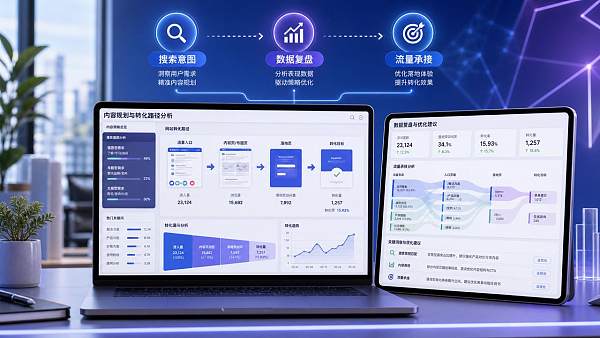
When doing YouTube video marketing, content topics often drift off course, and this is often not due to a lack of inspiration, but to a lack of understanding of users, data, and conversion logic. Once the topic loses focus, both traffic and inquiries become difficult to grow.
In an integrated website + marketing service scenario, YouTube video marketing is not just about publishing videos independently, but about building a complete chain around website development, SEO optimization, social media communication, and lead follow-up. If you only look at views and ignore visit depth, dwell time, and conversion actions, the content direction can easily become misaligned.
Yiyingbao Information Technology (Beijing) Co., Ltd. has long served globalization growth projects, and its core experience is very clear: truly effective YouTube video marketing requires topics to align simultaneously with search demand, platform distribution rules, and business conversion goals.
Why You Need a Checklist-Based Approach to Evaluate Topics
When many content teams go off track with topic selection, the problem is not poor execution, but confused evaluation criteria. Some chase trends, some rely on experience, and some copy competitors directly. In the end, the content may seem lively, but it cannot bring effective visits to the website, let alone increase inquiries.
The value of a checklist lies in moving the most easily overlooked parts of YouTube video marketing into an upfront review. First validate demand, then design content, and then match it with a landing page. This can significantly reduce trial-and-error costs and is also more suitable for long-term operations.
YouTube Video Marketing Topic Evaluation Checklist
- First define search intent. Determine whether the keyword behind the topic is for education, comparison, tutorials, or purchasing decisions, so as to avoid turning high-conversion demand into broad entertainment content and causing YouTube video marketing to gain views without gaining business opportunities.
- Check the audience stage. Divide content into three stages: awareness, evaluation, and decision-making. Titles, cases, and calls to action must differ at each stage, otherwise the content will attract the wrong traffic.
- Compare it with the website destination page. For every topic, ask one question: which page will the user visit after watching, what action will they take, and what information will they obtain, ensuring that YouTube video marketing stays aligned with the website conversion loop.
- Analyze on-site data. Focus on click-through rate, average watch time, audience drop-off points, and questions in the comments section. Find topics from real behavior instead of deciding direction based only on subjective feelings.
- Break down competing content. Observe the structure, thumbnail, opening promise, and comment feedback of similar videos, identify questions that users still feel are unanswered, and then form a differentiated angle.
- Set conversion goals. Be clear whether each piece of content is for subscriptions, driving traffic to the official website, booking consultations, or downloading materials. Different goals mean completely different script priorities for YouTube video marketing.
- Evaluate content scalability. Give priority to topics that can be turned into a series, such as common misconceptions, feature comparisons, and application tutorials, to avoid one-off topics causing a scattered channel style.
- Verify localized expression. When targeting different markets, pay attention to language habits, case backgrounds, and pain point descriptions. Do not apply one market’s way of expression to all regions.
Why Topics Become Misaligned in Different Scenarios
Brand Exposure Scenario
If the goal is to expand awareness, YouTube video marketing is better suited for problem-based entry points, trend interpretation, and industry misconception content. But many accounts mistakenly treat brand introductions as the main content, forcing promotion on users before their interest has even been established, so naturally they cannot be retained.
A more reliable approach is to answer user questions first, and then naturally introduce the solution. Let brand information become the conclusion rather than the burden at the beginning, and platform recommendations and completion rates will usually perform better.
Website Traffic Generation Scenario
In website traffic generation scenarios, the most common problem in YouTube video marketing is a disconnect between the video topic and the landing page. The video talks about trends, while the website sells services; the video talks about techniques, but the landing page has no corresponding solution, so users leave quickly after clicking.
Therefore, before selecting a topic, you should simultaneously plan the official website content, page structure, and form design. The website is not an attachment, but the core node where video value is realized. Only when the front-end and back-end content are consistent does traffic generation become meaningful.
Inquiry Conversion Scenario
When the goal is to obtain inquiries, YouTube video marketing cannot focus only on broad traffic content, but should add decision-oriented topics such as comparisons, costs, implementation cycles, and common reasons for failure. The search volume of this kind of content may not be the largest, but it is closer to real conversion.
For example, some professional solution videos can strengthen credibility through case logic. The way the content is organized is similar to research-oriented topics such as Research on the Industry-Finance Integration Strategy for Full Lifecycle Management of Fixed Assets in Universities, both emphasizing problem definition, process sorting, and result verification, making them more persuasive.
Commonly Overlooked Items and Risk Alerts
Ignoring keyword hierarchy is the most common problem. Focusing only on broad keywords leads to fierce competition, while overlooking long-tail keywords, question keywords, and comparison keywords causes YouTube video marketing to lose opportunities for precise reach.
Ignoring the first thirty seconds is also very risky. The topic itself may be fine, but if the opening cannot quickly explain the benefits, target audience, and outcome, viewers will drop off rapidly, and the platform will also become less willing to continue distributing it.
Ignoring comment section feedback means missing frontline demand. Many high-value topics are not discussed in meetings, but lie in the details users repeatedly ask about, which is especially suitable for continuously optimizing the direction of YouTube video marketing.
Ignoring cross-department collaboration can also cause content to drift. If the video team, website team, and advertising team have inconsistent goals, the final result will be plenty of traffic but very low conversion.
Practical Execution Suggestions: Tie Topic Selection to the Growth Chain
- First list the high-performing videos from the past 90 days, and rank them by click-through rate, watch time, official website visits, and number of inquiries to identify the topic models that truly drive results.
- Then build a three-layer topic pool: brand awareness layer, demand education layer, and conversion decision layer. The weekly content ratio can be configured as 4:3:3 to avoid the channel leaning only toward one stage.
- Then supplement each topic with four pieces of information: target keyword, target page, core promise, and conversion action. If one item is missing, do not move it into the production process.
- Finally, review content monthly. The focus is not on which video is the hottest, but on which type of YouTube video marketing topic more steadily brings official website dwell time, form submissions, and business contact.
For projects that need long-term overseas growth planning, it is more advisable to rely on technology and data capabilities for content management. If the website, SEO, social media, and advertising can be analyzed in a unified way, topic evaluation will be more accurate and resource investment will be more controllable.
Summary: Stop Doing YouTube Video Marketing Based on Gut Feeling
When YouTube video marketing content topics keep going off track, the essence of the problem is the lack of clear evaluation criteria: not understanding user intent, not connecting with website conversion, and not continuously reviewing data. As long as you place topic selection into the chain of “demand—content—page—conversion”, the direction will become more and more accurate.
The next step can directly involve doing two things: first filter out topics that cannot connect to the website, and then prioritize creating content that answers real decision-making questions. By doing this, YouTube video marketing is not just about publishing videos, but about continuously providing reusable content assets for growth.
Related Articles
 Which channel has the highest ROI in the global traffic ecosystem? Comparative analysis of search, social media, and advertising
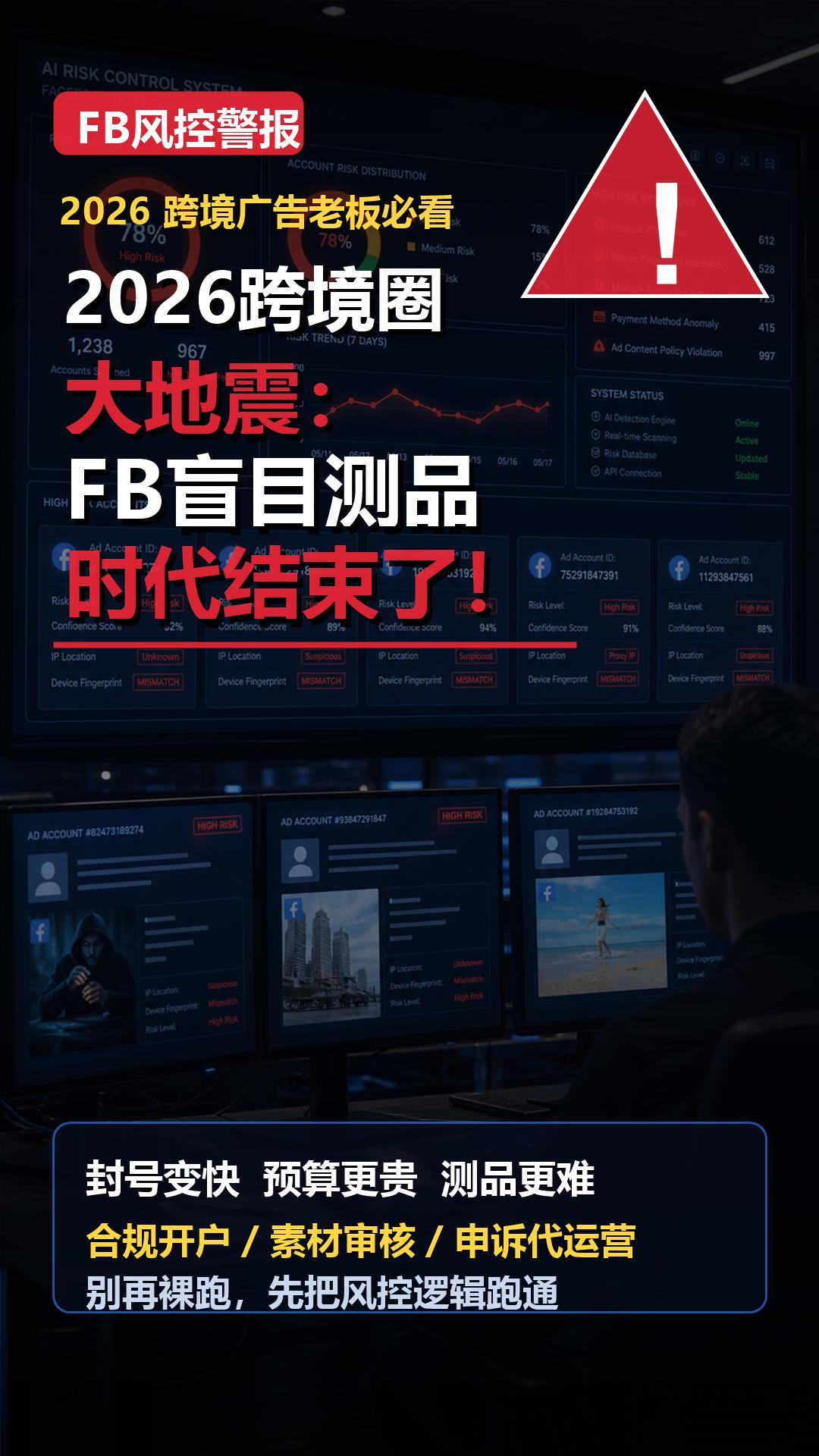
 The Era of Cross-Border Earthquakes in 2026: The Era of Blindly Testing FB Products Has Ended!
 Three key points of domestic-to-foreign trade most important, see if you really did your homework! Don’t take shortcuts.


Related Products
 EasyCamp SaaS Smart Website Marketing SystemE-Yingbao SaaS Smart Website Marketing System: AI-powered, zero-code website building. Rapidly launch multilingual independent e-commerce sites in just 10 minutes. Global server acceleration and AI-driven SEO optimization empower businesses to efficiently connect with global markets. The seamless integration of technology and user-friendly operation makes building e-commerce sites incredibly simple.
 AI+SEM Intelligent Advertising Marketing SystemAI+SEM drives intelligent ad creation, empowering full-funnel precision advertising marketing. The system automatically generates weekly/monthly reports, AI recommends keywords and target countries, monitors core metrics in real-time with intelligent alerts, and enables one-click high-conversion ad solutions to help quickly acquire customers and improve ROI.
 AI+SEO Dual Engine Optimization ServiceEasyWin AI+SEO Dual Engine Optimization System leverages AI-powered keyword mining, content generation, and comprehensive technical optimization to help foreign trade enterprises acquire high-quality organic traffic, significantly improving search rankings and conversion rates.
 AI+SNS Social Media Marketing SystemYingbao AI+SNS Social Media Marketing System - Precision social capture for the social media era. Supports one-click content synchronization across major platforms like Facebook and LinkedIn. AI intelligently rewrites posts for enhanced relevance. 24/7 AI customer service and user profiling analysis empower businesses to efficiently expand into global markets.
 AI+SEO营销解决方案易营宝AI+SEO营销解决方案,通过AI批量写作、智能生成TDK、精准关键词扩词等功能,全面优化网站SEO效果,提升流量与转化率。助力企业构建高效智能网站新生态。
 AI+SEM Advertising Marketing SolutionsAI+SEM Advertising Marketing Solution leverages AI technology to deeply empower SEM ad campaigns. It automatically generates weekly/monthly reports using AI, presenting account data across multiple dimensions for comprehensive insights into campaign performance and trends. The system precisely recommends keywords and target countries, intelligently generates high-conversion ad copy, and enables one-click activation of efficient campaign plans to help businesses rapidly acquire customers. Simultaneously, it monitors core metrics in real time, intelligently identifies abnormal fluctuations, and issues timely alerts to ensure stable, high-return advertising results.
 Domain Name ServicesEasyWin provides professional domain name services, including intelligent queries, one-stop registration, brand protection, and full lifecycle management, helping businesses build a digital brand image.
 EasyOperate B2C Cross-Border E-Commerce Platform & Independent WebsiteEasyStore B2C Cross-border E-commerce Independent Store is an intelligent website building and cross-border e-commerce integrated solution independently developed by EasyStore Information Technology (Beijing) Co., Ltd. The system is specially designed for small and medium-sized as well as large export enterprises, integrating 'website building, operation, marketing, advertising, and conversion' into one, helping enterprises quickly establish cross-border e-commerce independent stores to achieve brand globalization and global sales growth.
The platform supports multiple languages, multiple currencies, and multi-channel marketing, with built-in AI intelligent translation and SEO optimization systems, suitable for mainstream markets such as Southeast Asia, Europe and America, Latin America, and the Middle East, assisting Chinese manufacturing enterprises in efficiently deploying international e-commerce strategies. SSL证书易营宝提供专业SSL安全证书服务,包括单域名和泛域名证书,确保网站数据传输加密、身份验证和完整性保护,助力企业建立安全可信的在线业务环境。









