How to do SEO for a B2B independent website? The key lies in the coordinated planning of keyword layout, content system, and inquiry path.
Many companies search for "how to build a B2B independent website" not to find an abstract theory, but to determine whether an independent website can generate effective inquiries, what to do first, and how long it will take to see changes.
Overall, B2B independent website SEO is not a single-point optimization, but a systematic project encompassing the target market, keywords, page content, and inquiry conversion. Focusing solely on ranking without planning the conversion path easily leads to wasted traffic.
First, determine: What problem does B2B independent website SEO actually solve?

For B2B companies, the core value of SEO is not simply increasing traffic, but enabling potential buyers searching for products, suppliers, and solutions to find you on the right pages.
Readers in the information research stage are usually more cautious. They care about whether the website is professional, whether the content is credible, whether the product information is clear, and whether they can get an effective response after submitting an inquiry.
Therefore, B2B independent website SEO should revolve around three things: finding keywords with commercial intent, building content that answers purchasing questions, and designing a clear inquiry entry point.
Keyword planning: Don't just focus on broad keywords; cover the entire purchasing path.
Many companies initially aim to acquire broad industry keywords, such as generic product names or popular category terms. However, these keywords are highly competitive and have complex implications, and may not necessarily generate high-quality inquiries quickly.
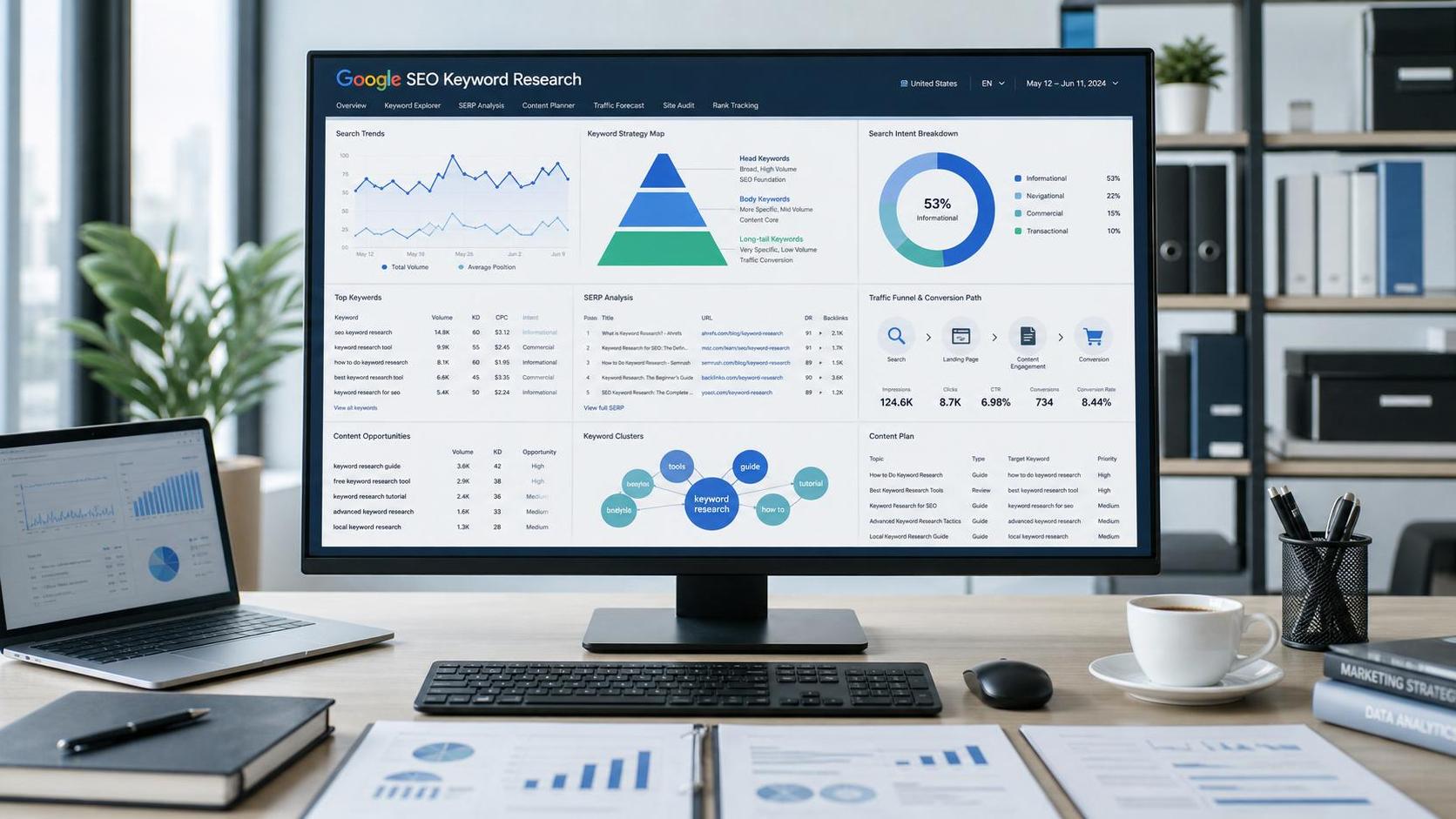
A more effective approach is to break down keywords into categories such as brand awareness, product comparison, application scenarios, technical parameters, and purchase inquiries, each corresponding to visitors at different stages.
For example, product keywords are suitable for category pages and product pages, application scenario keywords are suitable for solution pages, and keywords such as parameters, specifications, certifications, and MOQ are more suitable for handling procurement-related searches.
If the target market is overseas, it's also necessary to consider the expression habits of different countries. Directly translating Chinese keywords is often inaccurate; localized keyword research is more important than simply piling up words.
Content System: Building Trust with Clients During the Research Phase
B2B customers rarely place an order immediately after reading just one article; they will repeatedly compare suppliers. The purpose of content is to reduce the cost of understanding and gradually build professional trust.
An independent website should at least include a product page, an industry solutions page, a case study page, a FAQ, blog posts, and a company capability introduction. Different pages serve different roles; you can't rely solely on the blog for traffic.
Product pages should clearly state core parameters, application scope, advantages, certifications, delivery capabilities, and frequently asked questions. Simply including a few pictures and a brief description is unlikely to support a purchasing decision.
The solution page should start from the customer's scenario, explaining the pain points, applicable products, implementation methods, and expected results. Such content is more likely to match long-tail searches and is closer to real needs.
Blog content should not only follow trending topics, but should revolve around procurement questions, such as how to choose a supplier, how to compare different models, and what precautions to take for export certification.
Page structure: Ranking and conversion should be balanced on the same page.
A well-designed SEO page should allow search engines to understand its topic while also enabling buyers to quickly find key information. The title, description, H tags, and body text structure should all serve this goal.
The beginning of the page should directly state what problems the product or solution can solve, the middle section should display parameters, advantages, case studies and FAQs, and the bottom should provide a clear inquiry portal and contact information.
Internal links are also crucial. Articles should link to relevant product pages, product pages should link to case studies and FAQs, and solution pages should guide users to further explore applicable products or submit requirements.
If the website structure is chaotic, users won't know where to go next after viewing the content. Even if keyword rankings improve, it will be difficult to generate stable inquiries.
Inquiry path: Guiding visitors from "taking a look" to "asking a question".
The inquiry process for B2B independent websites should not rely solely on a single "Contact Us" button. Users need to see different forms of guidance at different pages and stages.
Product pages can be set up with entry points for getting quotes, requesting specifications, and inquiring about inventory; solution pages can be set up for submitting project requirements; and article pages can guide users to download materials or contact consultants.
Form fields should be used sparingly. Don't request too much information in the early stages; core fields such as name, email, company, and a description of your needs are sufficient. Sales can then supplement this information later.
At the same time, the website should be configured with inquiry tracking to understand which keywords and pages users are coming from. Without a data loop, it's difficult to determine whether SEO investments are truly generating business value.
Execution sequence: From basic diagnosis to continuous optimization
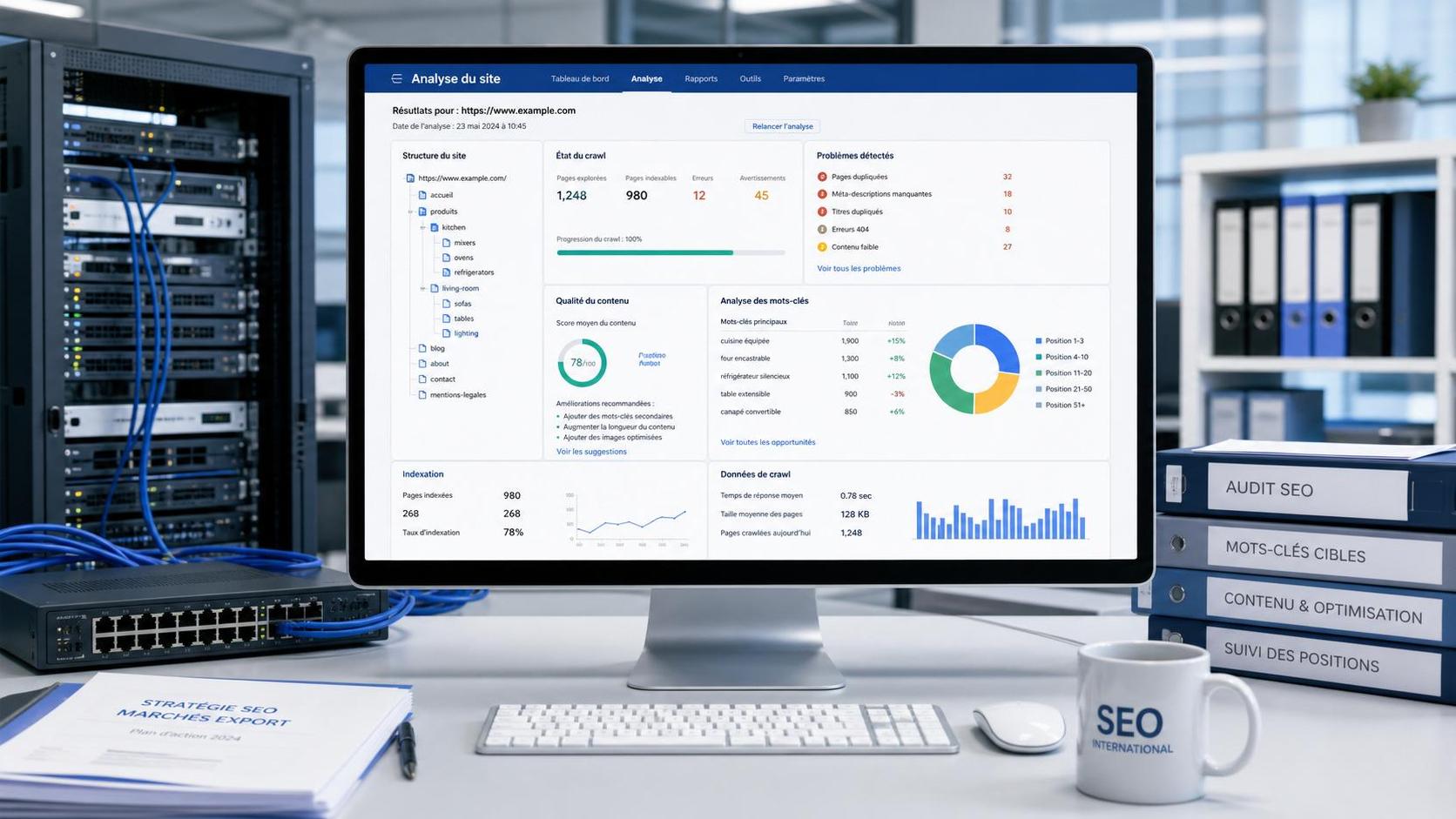
If a company is just starting out with independent website SEO, it is recommended to first conduct a basic website diagnostic, including indexing status, page speed, mobile experience, indexing issues, and the performance of existing keywords.
The second step is to identify the target market and core product categories, create a keyword list, and match key keywords with appropriate page types. Not every keyword needs an article; some keywords are better suited for product pages.
The third step is to fill in high-value pages, prioritizing the optimization of product pages, category pages, and solution pages that can handle inquiries, and then continuously publishing supportive content and industry knowledge content.
The fourth step is to track rankings, traffic, dwell time, form submissions, and conversion sources. SEO is not a one-off project; it involves continuously adjusting content and paths based on data.
Common Misconceptions: These Practices Will Slow Down Independent Website Growth
The first misconception is focusing solely on homepage ranking. B2B inquiries often come from specific product pages, long-tail articles, and solution pages; you can't put all your traffic on the homepage.
The second misconception is that the content is overly marketing-oriented. Buyers are more concerned with parameters, delivery, certifications, case studies, and risk control; vague promotion is unlikely to convince customers who genuinely have needs.
The third misconception is neglecting the technical foundation. Slow page loading, poor mobile experience, missing structured data, and excessive duplicate pages can all negatively impact search performance and user experience.
The fourth misconception is the lack of localization. Overseas B2B buyers have different habits regarding expressions, units, certifications, and communication methods, so professional translation and localization are indispensable.
How should businesses determine whether they need professional services?
If a company already has a foreign trade team and content creators, it can start with keyword lists, core page optimization, and inquiry tracking. However, when there are many markets, product categories, and intense competition, professional services will be more efficient.
Organizations like Yiyingbao Information Technology, which provide integrated services such as intelligent website building, SEO optimization, social media marketing, and advertising, are valuable because they connect technology, content, and the conversion chain.
When choosing a service provider, you should not only look at the promised rankings, but also at whether they understand the industry, can plan a content system, have data tracking capabilities, and can continuously optimize the quality of inquiries.
In summary: B2B independent website SEO should be designed around inquiry results.
The key to answering "How to build a B2B independent website" is not how many articles you write first, but rather to figure out what your target customers will search for, how your pages should connect to their search queries, and how users should enter the inquiry process.
Keywords determine entry points, content determines trust, page structure determines user experience, and inquiry paths determine conversion rates. Only through the synergy of these four elements can an independent website's SEO strategy move from traffic growth to business growth.
For companies currently conducting research, the safest approach is to first conduct a diagnosis and plan, and then implement it in stages. Don't rush to pursue short-term rankings; instead, focus on building sustainable customer acquisition capabilities.