









How to choose a multilingual website service provider for foreign trade? What are the key criteria to prioritize when purchasing?
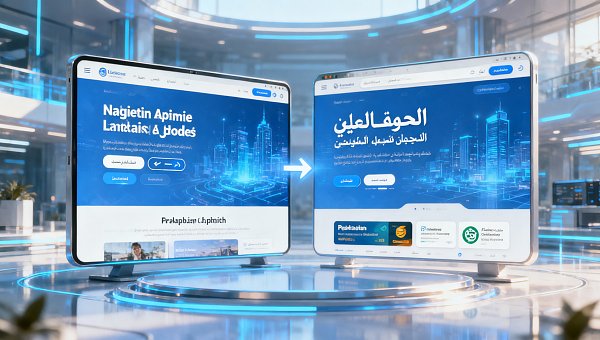
How to Choose a Multilingual Website Service Provider for Foreign Trade? What Are the Key Criteria to Prioritize When Purchasing?
When selecting a multilingual website service provider for foreign trade, priority should be given to evaluating whether they possess genuine multilingual content localization capabilities, experience in adapting to target markets, seamless integration of website and marketing systems, and verifiable overseas channel partnerships. These four factors directly determine whether the website can gain the trust of target users, be recognized by search engines, and integrate with payment and logistics systems.
This issue is critical because a multilingual website is not simply about translating pages but involves a systematic engineering effort encompassing language conventions, regional regulations, search ecosystems, user behavior, and conversion paths. When purchasing, first assess whether the provider can clearly explain: which languages require manual polishing, which countries require separate filing, which platforms must pre-configure interfaces, and which SEO strategies need country-specific adjustments.
Why Does "Multilingual" Not Equal "Translate and Launch"?
The core of a multilingual website lies not in text conversion but in ensuring users of different languages achieve the same level of information comprehension, operational fluency, and trust as native-language users. Machine translation may handle literal conversion but cannot address cultural nuances, promotional rhetoric, or legal expressions—key elements that matter.
Whether manual review is needed depends primarily on the maturity of the target market's users and the intensity of industry regulation. For example, a B2B industrial equipment website targeting German clients must have technical parameters and contract terms reviewed jointly by native-speaking engineers and industry-specialized translators. For fast-moving consumer goods pages targeting Southeast Asian C-end users, an AI initial translation + local operator review model may suffice.
What truly impacts results is not the word count or number of languages translated but whether each language version has corresponding operational support capabilities. Multilingual pages without localized operational backing risk becoming "display-only sites," struggling to attract organic traffic or convert ad-driven leads.
Which Capabilities Must Be Confirmed Before Signing and Cannot Be Remedied Later?
Before signing, confirm whether the provider has basic technical adaptation capabilities for the target market, including: compatibility test reports for mainstream browsers and mobile devices, GDPR/CCPA privacy compliance modules, pre-integrated support for local payment gateways (e.g., Klarna, iDEAL, PIX), and multi-region verification permissions for Google Search Console and Bing Webmaster Tools.
Once these capabilities are lacking, post-launch issues will arise, such as inability to collect user data, high payment failure rates, and delayed search indexing—most of which cannot be fixed with simple plugins but require code-level重构 or reconnecting third-party services.
Whether pre-signing confirmation is needed depends on the target market's actual requirements for data compliance and transaction experience. For example, selling to French consumers without pre-configured cookie consent management may lead to legal risks; selling to Brazil without PIX real-time payment integration will likely result in lost orders.
Must the Website System and Marketing Tools Be Homogeneous?
The more common approach is to choose a provider with integrated website and marketing capabilities because data like page structure, user tags, and behavioral events scattered across different systems will lead to inaccurate ad targeting, fragmented email marketing, and split SEO optimization.
If the website uses System A, ads Platform B, and email Tool C, the lack of unified user ID mapping and event callback mechanisms will significantly reduce overall conversion efficiency—even if individual functions are powerful. Especially in multilingual scenarios, users may click on Spanish ads to enter English landing pages before jumping to German product pages—such cross-language paths require unified tracking system support.
Whether to prioritize this depends on whether the company plans to synchronize paid traffic campaigns with content operations. If only static display is needed, it can be deferred; if Google Ads or social media campaigns are planned within six months, the website system must natively support UTM parameter inheritance, cross-language event tracking, and audience package synchronization.
Does the Provider Have Genuine Overseas Channel Partnerships? Why Is This Important?
Whether the provider holds official partnership qualifications with mainstream platforms like Google and Bing in China directly affects their access to prioritized technical support, beta feature permissions, and targeted training resources. Such qualifications require annual platform audits and cannot be replaced by commercial authorizations.
Qualified providers are typically more familiar with platform algorithm updates, ad policy changes, and localized review rules, enabling them to help clients preemptively avoid delisting, throttling, or rejection risks. For example, after Google strengthens hreflang tag validation for multilingual sites in 2026, qualified providers can immediately offer configuration templates and verification tools.
Whether to prioritize this depends on the client's reliance on overseas platforms for traffic. If traffic comes mainly from standalone SEO or offline exhibitions, this factor can be deprioritized; if over 80% of new customers come from Google Search or Facebook Ads, the authenticity and service coverage of qualifications must be confirmed.
Common Implementation Paths and Solution Comparisons
To determine which approach fits best, assess the company's current stage: if initial product samples haven't completed overseas validation, the third option is recommended to reduce trial costs; if stable shipments to 3+ countries exist with accumulated user feedback, the second option can be considered to lay foundations for scaled operations; if only temporary exhibition sites are needed, the first option is more practical.
If target users require rapid multilingual content launches, simultaneous integration with Google/Bing ad投放, and emphasize打通website-marketing data, then solutions with AI-driven intelligent marketing ecosystem capabilities—such as those from EasyOperate Tech (Beijing)—typically offer better fit.
The company's multilingual translation platform leverages Google Neural Machine Translation while supporting terminology库沉淀 and human-audit collaboration; its EasyOperate cross-border e-commerce system pre-integrates mainstream local payment interfaces and multi-region privacy compliance modules; its AI + precision marketing system enables cross-language user behavior attribution and ad creative auto-adaptation. These capabilities collectively serve the practical need for "launch-ready,投放-visible,运营-sustainable" operations.
Checklist and Action Recommendations
- If target countries' payment habits and data compliance requirements aren't yet clear, avoid immediate website development and prioritize completing market entry research.
- If existing product materials haven't been rewritten per target language conventions (rather than directly translated), the translation环节 cannot be outsourced to general agencies—industry-background translators must be involved.
- If paid ad campaigns are planned within six months, the website system must support cross-language UTM tracking and user event callbacks; otherwise,后续 optimization will be severely constrained.
- If the tech team lacks API integration capabilities, prioritize providers with pre-integrated mainstream payment, logistics, and social media platforms to avoid二次开发 delays.
- If the first-year budget is under ¥500K, carefully evaluate the necessity of "full-language同步上线,"建议按市场优先级分批启动.
Next-step suggestion: Consolidate the official languages,主流 payment methods,典型 user search terms, and local competitor websites for 3 priority expansion countries as technical alignment benchmarks for provider screening.
Related Articles
 Is 20 inquiries per month for a foreign trade website considered low? First look at traffic quality、average order value and conversion rate
 How to troubleshoot foreign trade website development issues? Diagnose item by item from loading speed to inquiry forms
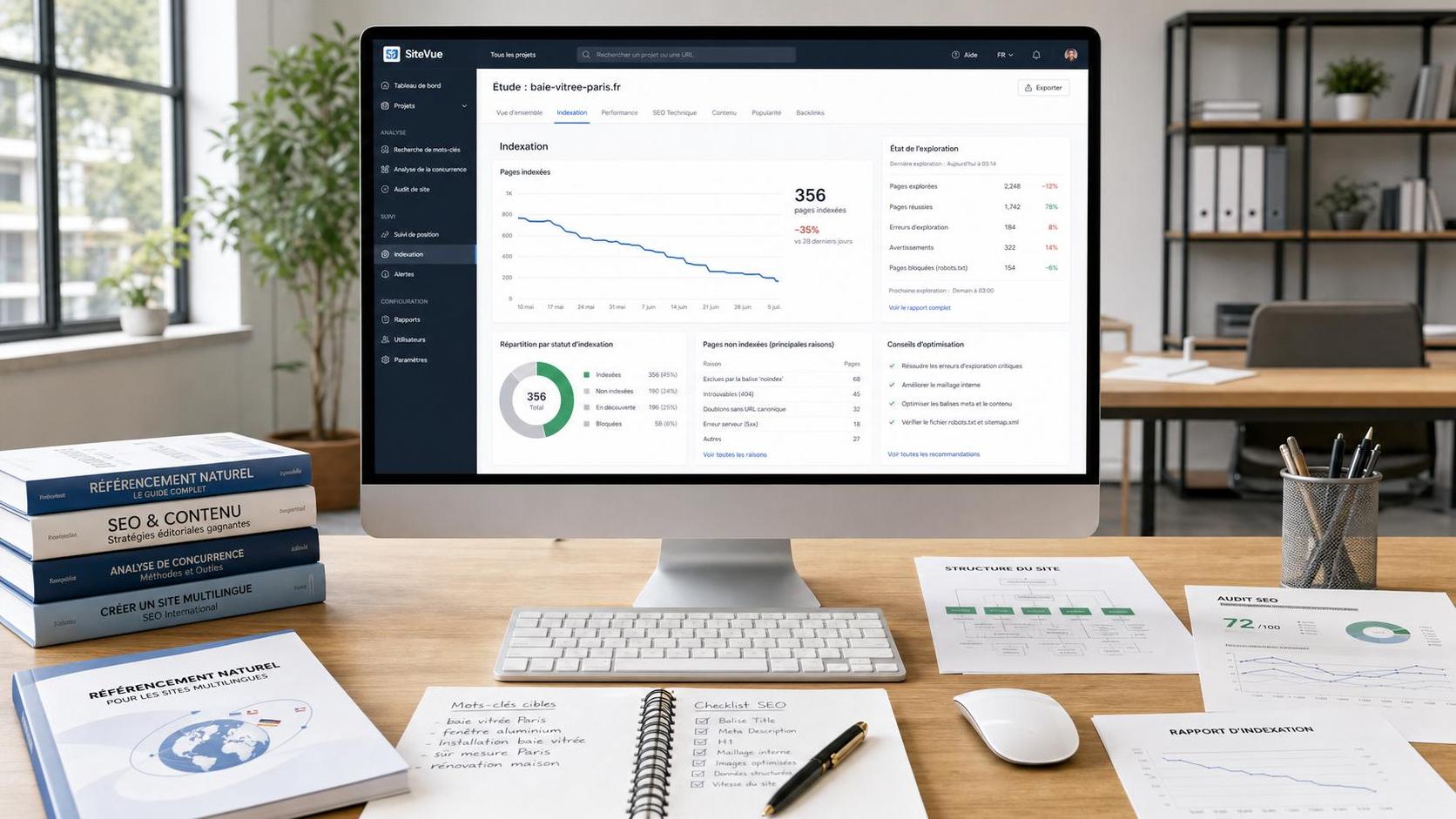
 In multilingual independent website development, French site indexing has been continuously dropping;where might the problem be


Related Products
