









- What Does a Global Traffic Ecosystem Service Provider Do? What Are the Differences from a Single Advertising AgencyJul 16, 2026View details
- What should you focus on in the latest enterprise SaaS report? From renewal rates and delivery costs to overseas growth opportunitiesJul 12, 2026View details
- What signals are worth paying attention to in a cross-border marketing trend report? B2B companies should look at these 6 signalsJul 11, 2026View details
- How to Read a Cross-Border Marketing Trends Report? Five Key Dimensions for Evaluating Channel OpportunitiesJul 11, 2026View details
- Which channel has the highest ROI in the global traffic ecosystem? Comparative analysis of search, social media, and advertisingJul 10, 2026View details
- What multilingual website services are available in Sanya? Which model is more suitable for local businesses going global?Jul 08, 2026View details
- How to view the complete list of China SaaS companies in the top 100? Practical methods for screening website-building and marketing service providersJul 08, 2026View details
- How to view pricing in the global traffic ecosystem? Cost comparison of search, social media, and content channel advertisingJul 06, 2026View details
Website traffic improvement plan shows no results after half a year? You might have missed the local search signal collection step
Your website traffic improvement plan has been executed for half a year with no visible results? You might have overlooked the critical step of local search signal collection. As a search engine optimization company specializing in website + marketing service integration, EasyWin reminds you: The SSL certificate application process, website traffic monitoring tools, and SEO external link construction need to work in synergy with localized data to truly activate the promotional effectiveness of Google SEO optimization tools and multilingual foreign trade website construction.
1. Local Search Signals: The Overlooked "Invisible Switch" of Traffic
Most companies attribute SEO performance to keyword rankings, external link quantity, or content update frequency, neglecting a fundamental yet decisive prerequisite: whether search engines truly "understand" your business location. Local search signals (Local Search Signals) encompass more than just "map markers" or "business addresses"—they include IP geographic clustering, user device language preferences, regional keyword search trends, localized link anchor text distribution, multilingual page hreflang tag quality, and 200+ semantic indicators. EasyWin's big data platform monitoring shows that companies without local signal deployment experience 37% lower organic click-through rates in target markets (e.g., Germany, Brazil, Japan), with first-screen exposure delays exceeding 4.2 seconds.
Especially in B2B scenarios, decision-makers often search using strong regional intent phrases like "[city] + [industry] + supplier" or "[country] + [product] + OEM." If a website fails to incorporate local signals into structured data, TDK tags, and semantic content layers, even top-3 keyword rankings may struggle to trigger Google's Knowledge Graph or regional preference ranking boosts.

4 Core Dimensions of Local Search Signal Collection
- Geographic Coordinate Reliability: SSL certificate domain binding must match registered business address consistency (error ≤5km)
- Language-Region Mapping Precision: 100% hreflang tag coverage with strict Content-Language header matching
- Local Content Depth: Each target language site must include ≥3 localized content modules (policy compliance statements, local case studies, regional service timelines)
- Signal Loop Validation Cycle: Full-process from data collection, cleaning, modeling to SEO strategy adjustment within ≤72 hours
2. Why Do Traditional SEO Methods Often Fail Here?
92% of SMEs still operate at "single-point optimization" stages: manually writing TDK, submitting external links, or relying on third-party keyword tools. This approach cannot handle the dynamism of local signals—e.g., when Brazilian users search "industrial valve supplier" in São Paulo, Google prioritizes businesses registered in SP state with Portuguese technical parameters and local industry association citations. Generic SEO tools often miss such contextual weightings.
More critically, local signals require real-time coordination with SSL certificate applications, CDN node configurations, and traffic monitoring tools. For example, one client’s SSL upgrade failed to update DNS geographic tags, causing Google to misattribute server location to the US instead of Singapore, resulting in a 51% drop in Southeast Asian organic traffic.
Above data sourced from EasyWin's 2023 service review report. The gap stems from traditional providers relying on monthly manual audits, while EasyWin's neural network-driven SEO optimization system analyzes 50M+ pages' localization features in real-time, auto-generating EEAT-compliant multilingual content.
3. How to Build an Actionable Local Search Signal Loop?
Local signal loops aren’t tech stacks but strategy-data-execution triads. EasyWin proposes a "3×3 framework": 3 data sources (user behavior logs, localized competitor libraries, regional policy databases), 3 processing engines (geosemantic parsing, multilingual intent modeling, dynamic TDK generation), and 3 validation mechanisms (real-time ranking fluctuation alerts, localized content health scores, cross-region conversion leakage tracking).
Example: An industrial pump exporter’s system automatically detected Vietnam’s emerging search demand for "tiêu chuẩn áp lực máy bơm công nghiệp" (industrial pressure standards), completing Vietnamese technical docs, local certification links, and hreflang deployment within 48 hours—boosting the term’s ranking from 17th to 2nd, increasing monthly inquiries by 210%.
5-Step Standardized Local Signal Delivery Process
- Local intent mapping (12 countries/regions, 3000+ long-tail phrases)
- Website signal baseline scan (200+ indicators, diagnostic report within 72h)
- Multilingual TDK & structured data auto-generation (18 languages including EN/ES/PT/DE/JP/KR/VI/TH)
- AI-powered localized content creation & compliance review (meeting target country product certification terminology)
- Biweekly signal efficacy review (cross-validated with Google Search Console regional data)
4. Vendor Selection: How to Assess Local Signal Capabilities?
Buyers should verify three hard metrics: possession of localized terminology databases (not simple translations), real-time signal feedback (not monthly reports), and Google technical certifications. As an official Google partner, EasyWin’s SEO optimization system fully integrates Google Search Central API V4, with algorithm update syncing 30% faster than industry averages, plus high-tech enterprise certifications.
This comparison table is based on Q1 2024 industry sampling. Notably, all three Fortune 500 clients using EasyWin require ISO/IEC 27001-certified local signal modules—a capability held by <7% of domestic providers.

5. Conclusion: Make Every Search a Precision Lead
Traffic growth isn’t passive ranking improvement but active construction of local trust signals. Leveraging decade-long expertise and AI big data, EasyWin has helped 100K+ enterprises bridge global search intent recognition to localized content delivery. Its SEO services deliver not just tools but verified results—shortening target market traffic climb cycles to 8.3 weeks (vs industry 12+ weeks), with 172% first-year ROI lift.
If your traffic plan shows no results after six months, initiate a local signal diagnostic immediately. Contact EasyWin’s consultant team for customized localized SEO solutions.
Related Articles
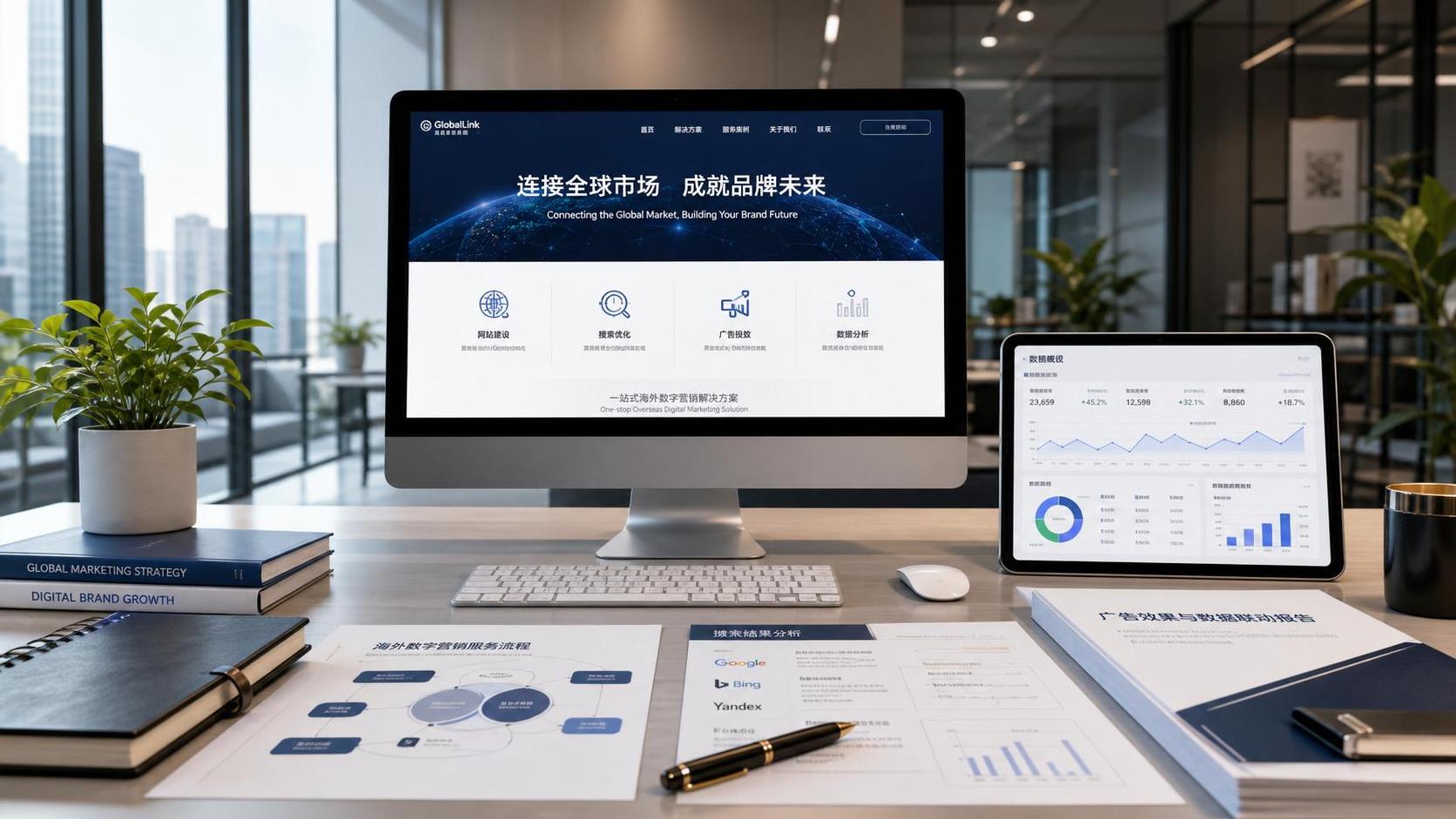
 What Does a Global Traffic Ecosystem Service Provider Do? What Are the Differences from a Single Advertising Agency
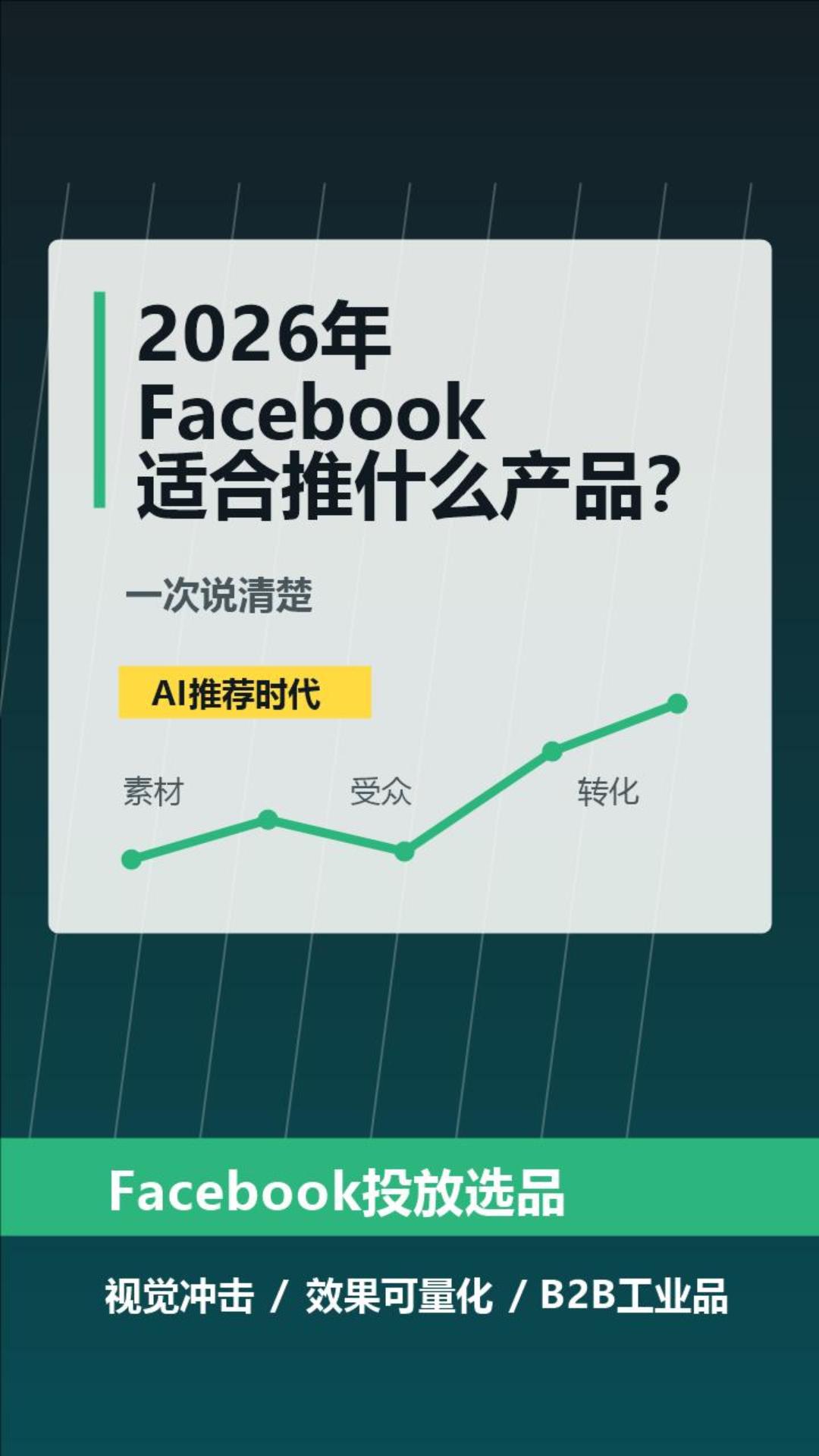
 What Products Are Suitable for Facebook in 2026? Explained Clearly at Once
 Bearings foreign trade bidding on Google, FB inactive? The combination of two sets is what makes the inquiry stable

Related Products
 EasyCamp SaaS Smart Website Marketing SystemE-Yingbao SaaS Smart Website Marketing System: AI-powered, zero-code website building. Rapidly launch multilingual independent e-commerce sites in just 10 minutes. Global server acceleration and AI-driven SEO optimization empower businesses to efficiently connect with global markets. The seamless integration of technology and user-friendly operation makes building e-commerce sites incredibly simple.
 AI+SEM Intelligent Advertising Marketing SystemAI+SEM drives intelligent ad creation, empowering full-funnel precision advertising marketing. The system automatically generates weekly/monthly reports, AI recommends keywords and target countries, monitors core metrics in real-time with intelligent alerts, and enables one-click high-conversion ad solutions to help quickly acquire customers and improve ROI.
 AI+SEO Dual Engine Optimization ServiceEasyWin AI+SEO Dual Engine Optimization System leverages AI-powered keyword mining, content generation, and comprehensive technical optimization to help foreign trade enterprises acquire high-quality organic traffic, significantly improving search rankings and conversion rates.
 AI+SNS Social Media Marketing SystemYingbao AI+SNS Social Media Marketing System - Precision social capture for the social media era. Supports one-click content synchronization across major platforms like Facebook and LinkedIn. AI intelligently rewrites posts for enhanced relevance. 24/7 AI customer service and user profiling analysis empower businesses to efficiently expand into global markets.
 AI+SEO营销解决方案易营宝AI+SEO营销解决方案,通过AI批量写作、智能生成TDK、精准关键词扩词等功能,全面优化网站SEO效果,提升流量与转化率。助力企业构建高效智能网站新生态。
 AI+SEM Advertising Marketing SolutionsAI+SEM Advertising Marketing Solution leverages AI technology to deeply empower SEM ad campaigns. It automatically generates weekly/monthly reports using AI, presenting account data across multiple dimensions for comprehensive insights into campaign performance and trends. The system precisely recommends keywords and target countries, intelligently generates high-conversion ad copy, and enables one-click activation of efficient campaign plans to help businesses rapidly acquire customers. Simultaneously, it monitors core metrics in real time, intelligently identifies abnormal fluctuations, and issues timely alerts to ensure stable, high-return advertising results.
 Domain Name ServicesEasyWin provides professional domain name services, including intelligent queries, one-stop registration, brand protection, and full lifecycle management, helping businesses build a digital brand image.
 EasyOperate B2C Cross-Border E-Commerce Platform & Independent WebsiteEasyStore B2C Cross-border E-commerce Independent Store is an intelligent website building and cross-border e-commerce integrated solution independently developed by EasyStore Information Technology (Beijing) Co., Ltd. The system is specially designed for small and medium-sized as well as large export enterprises, integrating 'website building, operation, marketing, advertising, and conversion' into one, helping enterprises quickly establish cross-border e-commerce independent stores to achieve brand globalization and global sales growth.
The platform supports multiple languages, multiple currencies, and multi-channel marketing, with built-in AI intelligent translation and SEO optimization systems, suitable for mainstream markets such as Southeast Asia, Europe and America, Latin America, and the Middle East, assisting Chinese manufacturing enterprises in efficiently deploying international e-commerce strategies. SSL证书易营宝提供专业SSL安全证书服务,包括单域名和泛域名证书,确保网站数据传输加密、身份验证和完整性保护,助力企业建立安全可信的在线业务环境。









