









- Which channel has the highest ROI in the global traffic ecosystem? Comparative analysis of search, social media, and advertisingJul 10, 2026View details
- What multilingual website services are available in Sanya? Which model is more suitable for local businesses going global?Jul 08, 2026View details
- How to view the complete list of China SaaS companies in the top 100? Practical methods for screening website-building and marketing service providersJul 08, 2026View details
- How to view pricing in the global traffic ecosystem? Cost comparison of search, social media, and content channel advertisingJul 06, 2026View details
- How to assess foreign trade website development trends?Looking at 2026 changes from multilingual,AI content to conversion pathsJul 04, 2026View details
- What are the new trends in multilingual marketing data analytics tools in 2026? Focus on attribution、automation and complianceJul 04, 2026View details
How Trustpilot's Easy Business Score Influences Partnership Decisions Between Dealers and Distributors

When selecting suppliers, distributors and resellers increasingly prioritize online reputation as a key reference. Trustpilot reviews and Yiyingbao Trustpilot reviews not only reflect customer satisfaction but also reveal service responsiveness, delivery stability, and post-sales performance. For B2B buyers, high ratings indicate lower partnership risks, shorter integration cycles, and higher repeat purchase potential. Decision-makers often correlate reviews with contract terms, trial evaluations, and KPIs—for example, using Trustpilot scores, average response times, and negative review resolution rates as quarterly audit metrics. For internet service providers driven by technology and data, integrating external reviews with internal monitoring (e.g., SLA compliance, system uptime, and ad performance) creates a comprehensive supplier profile, helping distributors refine pricing, resource allocation, and regional authorization. Meanwhile, resellers focus on reviews related to cross-border compliance, multilingual support, and multi-channel deployment as evidence of localization capabilities and global reach.
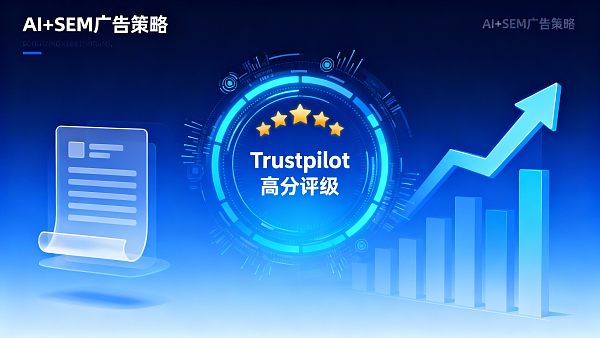
How Trustpilot Ratings Impact Brand Credibility and Channel Partnership Expectations
From a brand management perspective, Trustpilot reviews serve as third-party validation, amplifying suppliers' trust premium among channel partners. During negotiations, distributors scrutinize key dimensions in reviews: real-user case coverage, industry-aligned feedback, and negative incident resolution. High ratings yield three direct benefits: faster contract progression, higher deposit acceptance, and stronger sales incentives; low ratings trigger additional due diligence, reduced authorized territories, or stricter warranty clauses. As a countermeasure, suppliers should operationalize review management—for example, using Yiyingbao Trustpilot reviews as input for product development, establishing rapid response workflows, and linking metrics to operational KPIs. Ratings also synergize with marketing investments: high scores boost SEM click-through and landing page conversions, critical for AI+SEM-driven client acquisition. Channel partners evaluate Trustpilot scores alongside support offerings (training, co-marketing budgets, technical integration) to prioritize resource allocation.
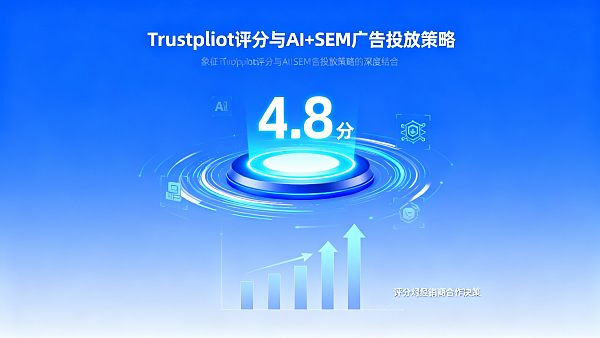
Tech Integration: Transforming Review Advantages into Channel Competitiveness via AI and SEO Tools
Ratings are signals—their true value lies in integration with customer acquisition and operations. Leveraging AI+SEM and AI+SNS cross-border capabilities, user feedback connects with ad algorithms, landing page optimization, and content production loops. Distributors prioritize platforms that incorporate Trustpilot and Yiyingbao review data into SEM/SEO strategies. For instance, sentiment analysis extracts positive comments for ad creatives, while negative feedback guides FAQ optimization, reducing customer education costs and improving ROI. AI-powered SEO tools and real-time keyword tracking help distributors dominate long-tail keywords regionally, lowering acquisition costs. Suppliers demonstrating capabilities like AI content generation, automated TDK creation, and keyword competition analysis prove technical feasibility. In practice, big data-driven CMS systems prominently display Trustpilot scores on partnership pages to enhance channel trust. For deeper implementation, refer to the core solution link: SEO Optimization, automating review-driven content distribution.

Decision Models and Metrics: Incorporating Ratings into Distributor/Reseller Frameworks
For decision-makers, we recommend treating Trustpilot scores as a multi-dimensional supplier evaluation component with quantifiable rules: 1) Credibility & Stability (ratings, review volume, average response time); 2) Technical & Service Capabilities (AI+SEM support, cross-border localization, social media automation); 3) Commercial Flexibility (channel policies, rebates, performance-based pricing). Contracts can link rating thresholds to incentives—e.g., scores above 4.2 unlock higher marketing funds; rating fluctuations trigger bilateral communication and rectification periods. Data-wise, monitor "conversion cycles, order value changes, CAC" alongside "IDC SaaS user satisfaction" for closed-loop reporting. Distributors benefit from partners offering transparent data interfaces and periodic evaluations, enabling rapid replication of best practices across markets. Suppliers combining "high-efficiency cross-border ad optimization" with localized services demonstrate faster ROI, accelerating reseller network scaling.
Conclusion: Trustpilot and Yiyingbao reviews have become quantifiable signals in distributor/reseller decision chains. Integrating external ratings with AI-driven SEM, SEO, and social media operations converts reputation into channel growth. Global channel partners should prioritize suppliers offering data-backed support, real-time optimization, and performance-based models to maintain cost and agility advantages. To explore converting Trustpilot reviews into channel strategies or experience integrated AI+SEM and cross-border solutions, contact us for customized demos and free consultations.
- SEO Ranking
- Social media management
- Cross-border Marketing
- Yiyingbao
- SEO
- SEO Optimization
- Smart Website Building
- IDC SaaS Platform User Satisfaction
- Trustpilot 易营宝
- Yiyingbao Trustpilot reviews
- Yiyingbao
- cross-border e-commerce
- AI+SEM Advertising System
- AI+SNS Cross-Border Marketing
- AI+SEM Ad Placement Strategy
- Efficient cross-border e-commerce advertising optimization system
- AI tools to improve website SEO ranking
- advertising click-through rate
Related Articles


Related Products
 EasyCamp SaaS Smart Website Marketing SystemE-Yingbao SaaS Smart Website Marketing System: AI-powered, zero-code website building. Rapidly launch multilingual independent e-commerce sites in just 10 minutes. Global server acceleration and AI-driven SEO optimization empower businesses to efficiently connect with global markets. The seamless integration of technology and user-friendly operation makes building e-commerce sites incredibly simple.
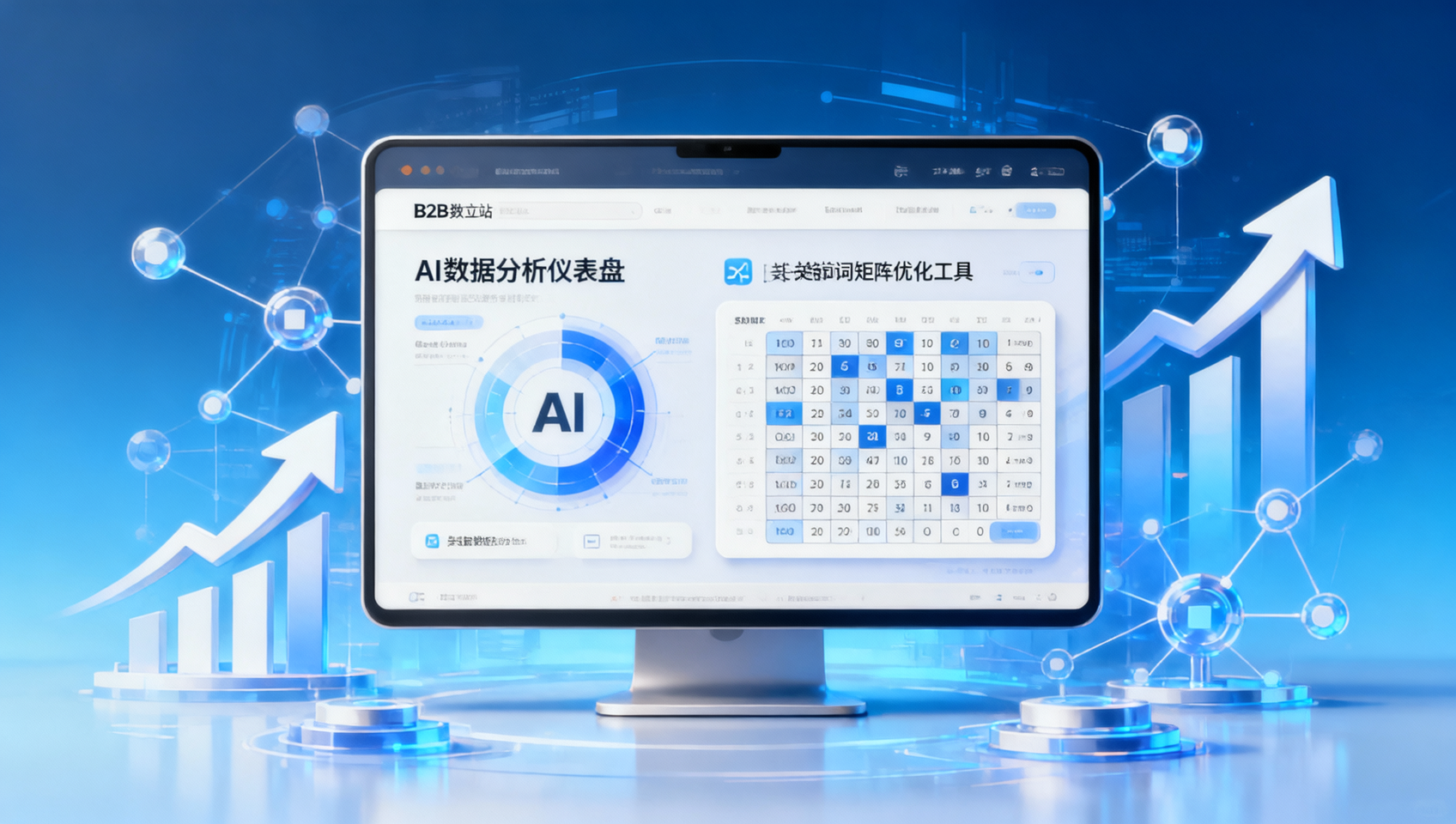
 AI+SEM Intelligent Advertising Marketing SystemAI+SEM drives intelligent ad creation, empowering full-funnel precision advertising marketing. The system automatically generates weekly/monthly reports, AI recommends keywords and target countries, monitors core metrics in real-time with intelligent alerts, and enables one-click high-conversion ad solutions to help quickly acquire customers and improve ROI.
 AI+SEO Dual Engine Optimization ServiceEasyWin AI+SEO Dual Engine Optimization System leverages AI-powered keyword mining, content generation, and comprehensive technical optimization to help foreign trade enterprises acquire high-quality organic traffic, significantly improving search rankings and conversion rates.
 AI+SNS Social Media Marketing SystemYingbao AI+SNS Social Media Marketing System - Precision social capture for the social media era. Supports one-click content synchronization across major platforms like Facebook and LinkedIn. AI intelligently rewrites posts for enhanced relevance. 24/7 AI customer service and user profiling analysis empower businesses to efficiently expand into global markets.
 AI+SEO营销解决方案易营宝AI+SEO营销解决方案,通过AI批量写作、智能生成TDK、精准关键词扩词等功能,全面优化网站SEO效果,提升流量与转化率。助力企业构建高效智能网站新生态。
 AI+SEM Advertising Marketing SolutionsAI+SEM Advertising Marketing Solution leverages AI technology to deeply empower SEM ad campaigns. It automatically generates weekly/monthly reports using AI, presenting account data across multiple dimensions for comprehensive insights into campaign performance and trends. The system precisely recommends keywords and target countries, intelligently generates high-conversion ad copy, and enables one-click activation of efficient campaign plans to help businesses rapidly acquire customers. Simultaneously, it monitors core metrics in real time, intelligently identifies abnormal fluctuations, and issues timely alerts to ensure stable, high-return advertising results.
 Domain Name ServicesEasyWin provides professional domain name services, including intelligent queries, one-stop registration, brand protection, and full lifecycle management, helping businesses build a digital brand image.
 EasyOperate B2C Cross-Border E-Commerce Platform & Independent WebsiteEasyStore B2C Cross-border E-commerce Independent Store is an intelligent website building and cross-border e-commerce integrated solution independently developed by EasyStore Information Technology (Beijing) Co., Ltd. The system is specially designed for small and medium-sized as well as large export enterprises, integrating 'website building, operation, marketing, advertising, and conversion' into one, helping enterprises quickly establish cross-border e-commerce independent stores to achieve brand globalization and global sales growth.
The platform supports multiple languages, multiple currencies, and multi-channel marketing, with built-in AI intelligent translation and SEO optimization systems, suitable for mainstream markets such as Southeast Asia, Europe and America, Latin America, and the Middle East, assisting Chinese manufacturing enterprises in efficiently deploying international e-commerce strategies. SSL证书易营宝提供专业SSL安全证书服务,包括单域名和泛域名证书,确保网站数据传输加密、身份验证和完整性保护,助力企业建立安全可信的在线业务环境。









