- Welche neuen Signale gibt es im SaaS-Marketingbericht für Unternehmensdienstleistungen?27-07-2026Details anzeigen
- Was macht ein Global-Traffic-Ökosystem-Dienstleister? Und worin unterscheidet er sich von einer einzelnen Werbeagentur?16-07-2026Details anzeigen
- Was ist der neueste Fokus im Enterprise-Services-SaaS-Bericht? Von Verlängerungsrate, Lieferkosten bis zu Ausland-Wachstumschancen12-07-2026Details anzeigen
- Was ist in einem Bericht zu Trends im grenzüberschreitenden Marketing am wichtigsten zu beachten? Welche 6 Signale sollten B2B-Unternehmen beachten?11-07-2026Details anzeigen
- Wie man einen Bericht über Trends im grenzüberschreitenden Marketing liest? Die 5 Schlüsseldimensionen, um zu beurteilen, ob ein Kanal Chancen bietet11-07-2026Details anzeigen
- Welcher Kanal liefert im globalen Traffic-Ökosystem den höchsten ROI? Vergleich von Suche, Social Media und Werbeschaltung10-07-2026Details anzeigen
Die Webseitenübersetzung ist nicht einfach eine wörtliche Übersetzung: Wie sollten Menü, Währung und Kundendienstsprache synchron angepasst werden?
Website translation localization: correct cognition first, page adaptation second
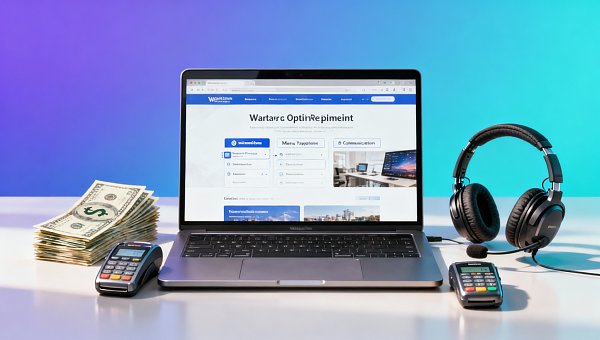
Website translation localization is absolutely not about translating pages sentence by sentence. Menu naming, currency display, payment habits, and customer service wording all directly affect user understanding, trust, and conversion performance.
After many websites go live with multilingual versions, traffic may seem to increase, but inquiries do not grow in sync. The problem is often not translation speed, but insufficient localization depth.
After users enter a page, what they see first is not your technical strength, but whether the menu is easy to understand, whether the price is easy to calculate, and whether the communication style makes people feel at ease.
This also means that website translation localization is more like a rewriting for the target market, rather than a simple language transfer.
If you want overseas users to stay, inquire, and place orders, you need to upgrade “can understand” to “willing to trust”.
Why literal website translation often fails to convert
The biggest problem with literal translation is not grammar errors, but contextual errors.
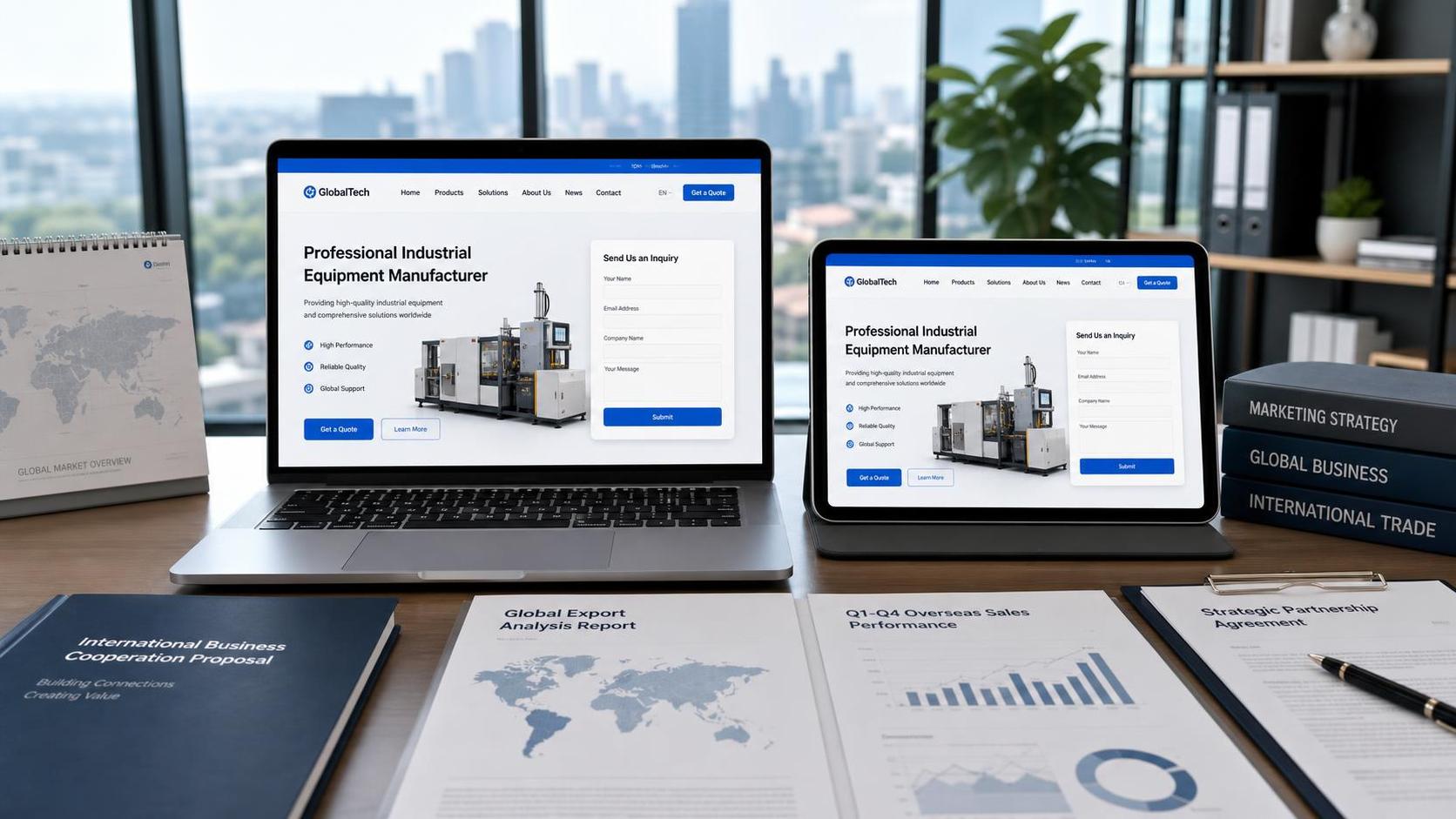
For example, the common Chinese website expressions “walk into us”, “product center”, and “online message” may still be understandable after being translated directly, but users will not naturally click on them.
In actual business, overseas users are more accustomed to expressions such as “About Us”, “Solutions”, and “Contact Us”, which have lower cognitive load.
If the menu naming still follows Chinese thinking, the page will feel unfamiliar and may even affect professionalism.
The core of website translation localization is not only language accuracy, but also matching the browsing path, search habits, and decision-making logic of local users.
- Can the menu let users understand it at a glance.
- Can the price be quickly converted and compared.
- Do the page promises conform to local expression habits.
- Does customer service communication create a sense of trust and boundaries.
Once these links are out of alignment, even more traffic is hard to truly settle into effective customers.
Menu localization: not about translating correctly, but about naming it right
The menu is the most easily overlooked part of website translation localization, yet it directly affects bounce rate.
Many companies translate section names very completely, but do not consider what words users actually use to search for content.
For example, B2B corporate websites are more suitable for highlighting product categories, industry applications, qualification certifications, delivery capabilities, and inquiry entry points, rather than copying the Chinese navigation structure.
Cross-border e-commerce independent sites pay more attention to clear category names, promotion entry points, logistics information, and return/exchange policies.
From recent changes, users are becoming more and more sensitive to information retrieval efficiency, and once the menu becomes too complicated, it is difficult to keep them reading further.
- First, organize high-frequency search terms based on the target market.
- Then rename navigation with words users are familiar with.
- Keep the shortest click path to the core conversion page.
- Move Contact, Quote, and Trial entry points to the front.
Doing this will allow website translation localization to upgrade from “content readable” to “path usable”.
Currency and payment localization: solving trust is more important than displaying prices
Price display looks simple, but in fact it is one of the details that most affects conversion in website translation localization.
If the page only displays a single currency, users still have to convert it themselves, which increases decision friction.
If the payment method does not match local habits, even if the price is appropriate, it may still be lost at the last step.
A more obvious signal is that many overseas users will first look at whether the total cost is transparent before deciding whether to continue the inquiry.
When website translation localization reaches this point, users feel not only convenience, but also that “this website really understands me”.
Customer service wording localization: from answering questions to driving deals
Many websites translate the pages well, but then fall short in the customer service link.
The reason is simple: customer service wording is still an expression style under Chinese thinking, lacking the etiquette, efficiency, and clear boundaries favored by target market habits.
For example, replies that are too long, promises that are too full, or pushy closing language all can make users defensive.
Truly effective website translation localization should also rewrite common inquiry scenarios.
- The first reply should confirm the need before giving the next step.
- Quote wording should highlight scope, terms, and validity period.
- After-sales explanations should state the rules first, then the remedy.
- Avoid absolute promises and reduce the risk of misunderstanding.
If combined with FAQ, automated replies, and form prompts for unified adjustment, the overall communication experience will be smoother.
These details may not seem eye-catching, but they are the key to whether website translation localization can truly improve inquiry quality.
When implementing locally, it is recommended to proceed in these four steps
If website translation localization is done in one sweeping overhaul, the cycle will be long and the risk high.
A more stable approach is to phase implementation by priority, starting with the parts that most affect conversion.
- First, review the home page, navigation, product pages, checkout page, and contact page.
- Then screen out the five high-risk types of content: menu, pricing, payment, forms, and customer service.
- Rewrite according to different markets rather than using one version for all.
- After launch, track bounce rate, dwell time, inquiry rate, and conversion rate.
In this process, search visibility cannot be ignored either.
Because website translation localization not only affects the user reading experience, but also affects how search engines judge the page theme and regional intent.
If you want to balance content quality, keyword layout, and multilingual adaptation, you can combine it withSEO optimizationcapabilities to advance together.
Especially in cross-border e-commerce independent sites and B2B corporate website scenarios, restructuring based on search intent is often more effective than simple translation.
Turn website translation localization into a continuous optimization mechanism
Many companies treat website translation localization as a one-time project and stop updating after launch.
But the market changes, search terms change, and users’ acceptance of expressions also changes.
A more suitable approach is to establish a continuous iteration mechanism and incorporate page copy, conversion paths, and customer service expressions into routine optimization.
Platforms like 易营宝, which integrate websites and marketing services, can connect website building, multilingual content, search layout, and data tracking to reduce friction at each stage.
Relying on AI and big data capabilities, enterprises can not only complete website translation localization faster, but also continuously adjust pages and customer acquisition strategies according to different regions.
If you also need original content, keyword recommendations, long-tail keyword mining, and multilingual adaptation, related SEO optimization capabilities can also form a synergy to help pages be seen more easily.
In the end, website translation localization is not about copying a Chinese website overseas, but about clearly presenting the content that overseas users truly care about in a way they are familiar with.
Starting with a few high-impact points such as menu, currency, payment, and customer service wording often leads to faster, tangible improvements in dwell time, inquiries, and conversions.
Verwandte Artikel
 Wie lässt sich die Mehrsprachigkeit einer eigenen Website umsetzen, um die Conversion zu fördern?
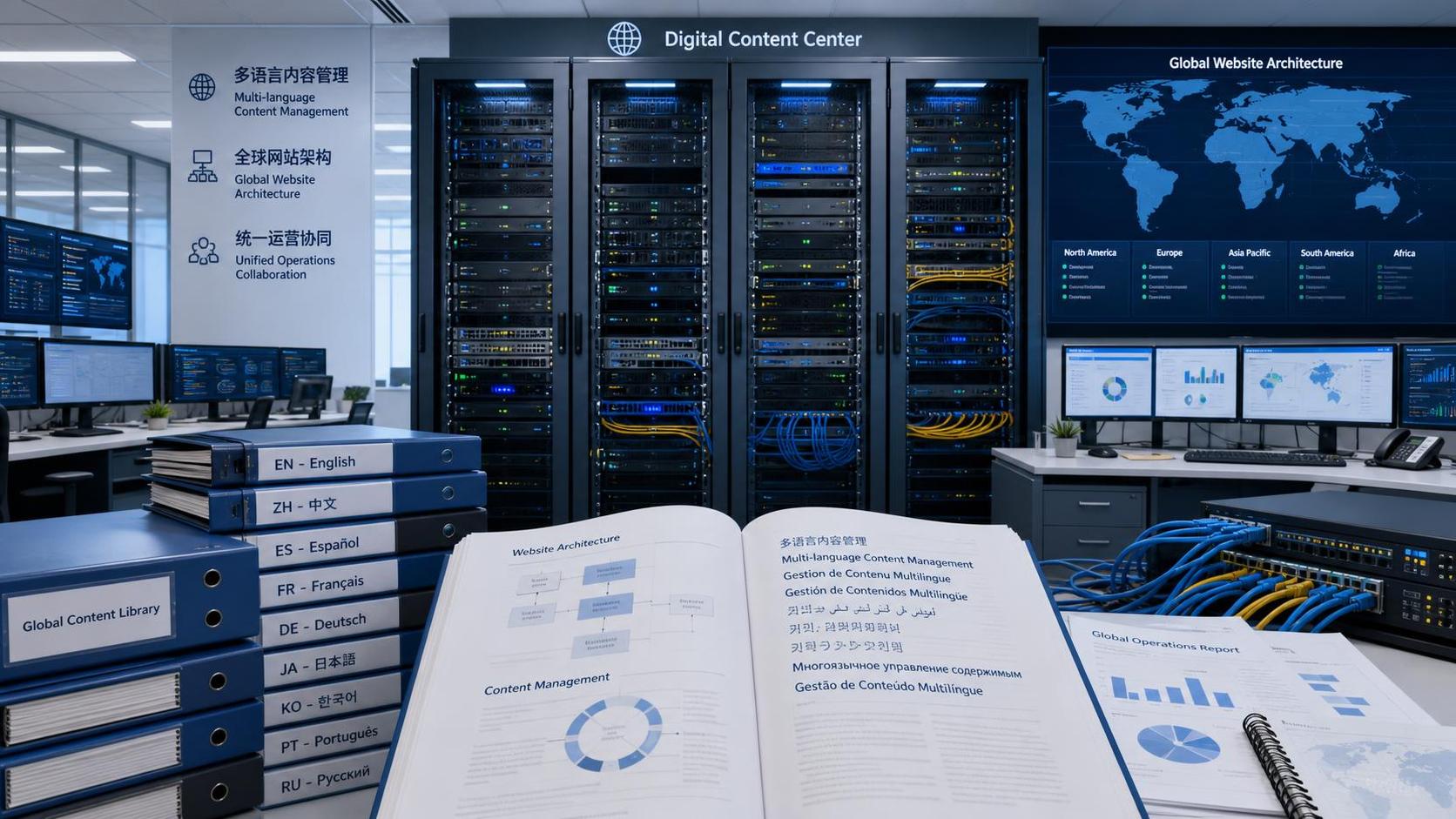
 Wie erstellt man eine globale Website-Struktur für ein mehrsprachiges Content-Management?
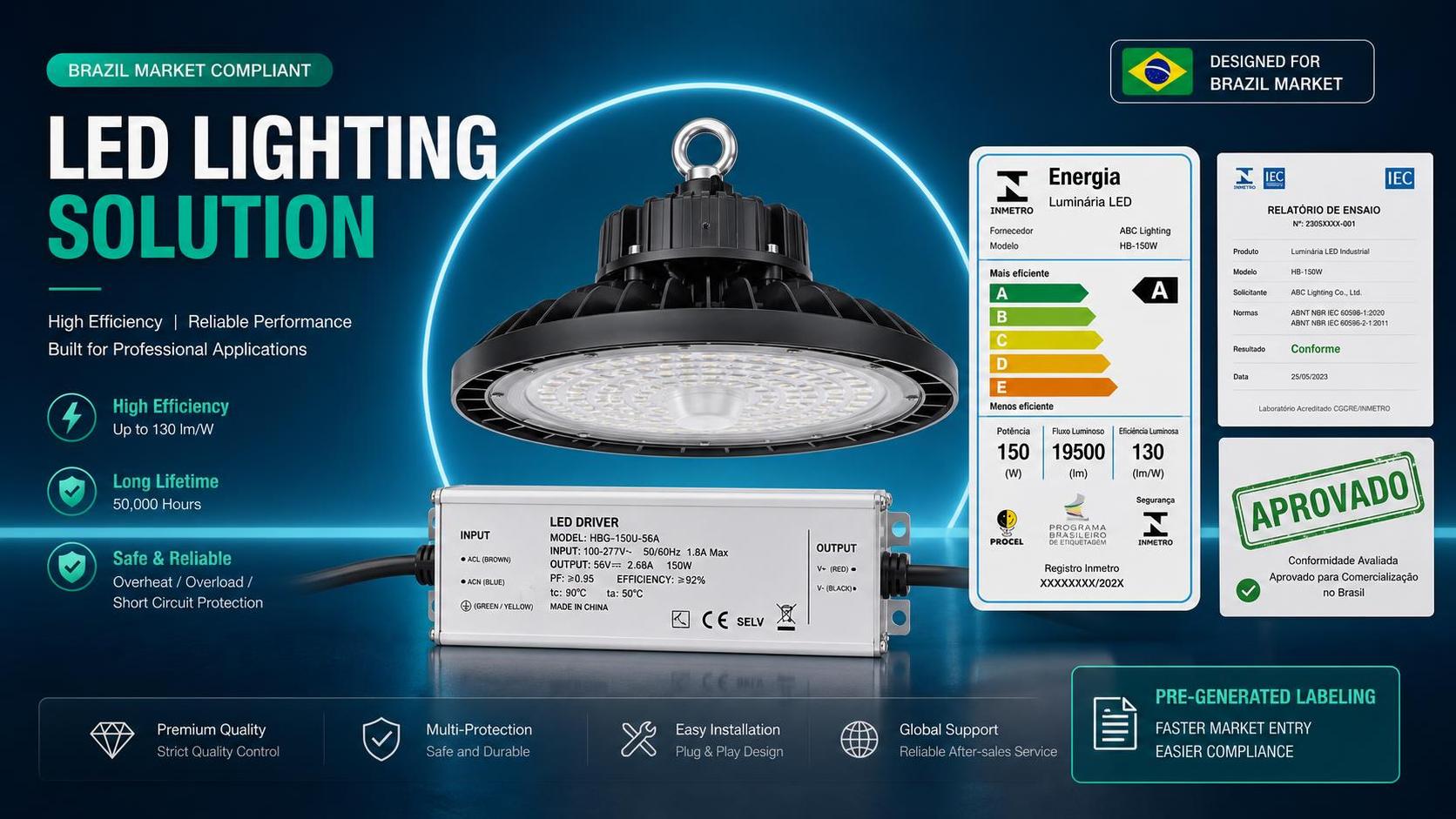
 Die neue brasilianische INMETRO-Regelung zielt auf die Vorabkennzeichnung von LED-Produkten auf unabhängigen Websites ab
Verwandte Produkte
 EasyCamp SaaS Intelligenter Website-Builder und Marketing-SystemE-Yingbao SaaS Intelligent Website Marketing System: KI-gesteuerte Website-Erstellung ohne Programmieraufwand. Erstellen Sie in nur 10 Minuten mehrsprachige, unabhängige Export-Websites. Globale Serverbeschleunigung und KI-gestützte SEO-Optimierung ermöglichen Unternehmen eine effiziente Anbindung an globale Märkte. Die nahtlose Verschmelzung von Technologie und benutzerfreundlicher Bedienung macht die Erstellung von Export-Websites bemerkenswert einfach.
 AI+SEO-Doppelantrieb-OptimierungsserviceEasypack AI+SEO-Doppelantrieb-Optimierungssystem nutzt KI zur intelligenten Keyword-Extraktion, Content-Generierung und umfassenden technischen Optimierung, um Exportunternehmen hochwertigen organischen Traffic zu verschaffen und die Suchmaschinenrankings sowie Conversion-Raten deutlich zu steigern.
 AI+SEM intelligente Werbemarketing-SystemAI+SEM-gesteuerte intelligente Kampagnenerstellung, ganzheitliche Unterstützung für präzises Werbemarketing. Das System generiert automatisch Wochen-/Monatsberichte, KI empfiehlt Keywords und Zielmärkte, überwacht Echtzeit-Kennzahlen und warnt intelligent, startet mit einem Klick hochkonvertierende Kampagnen, beschleunigt Lead-Generierung und steigert ROI.
 AI+SNS Social-Media-Marketing-SystemYingyingbao AI+SNS Social Media Intelligent Marketing System – Präzise Erfassung sozialer Daten für das Zeitalter der sozialen Medien. Unterstützt die Synchronisierung von Inhalten mit einem Klick auf allen wichtigen Plattformen, einschließlich Facebook und LinkedIn. KI-gestütztes Umschreiben von Beiträgen verbessert die Lokalisierung. Intelligenter Kundenservice rund um die Uhr und Analyse von Nutzerprofilen ermöglichen Unternehmen eine effiziente Expansion in globale Märkte.
 AI+SEM-Lösungen für WerbemarketingKI-gestützte SEM-Werbelösungen nutzen künstliche Intelligenz, um das SEM-Kampagnenmanagement erheblich zu verbessern. Mithilfe von KI werden wöchentliche und monatliche Berichte erstellt, die Kontodaten in mehreren Dimensionen darstellen und so einen umfassenden Überblick über die Werbeleistung und Trends ermöglichen. KI liefert präzise Empfehlungen zu Keywords und Zielländern, erstellt auf intelligente Weise Werbetexte mit hoher Konversionsrate und initiiert mit einem einzigen Klick eine effiziente Kampagnenumsetzung, wodurch die Kundenakquise für Unternehmen beschleunigt wird. Gleichzeitig überwacht das System die wichtigsten Kennzahlen in Echtzeit, identifiziert auf intelligente Weise ungewöhnliche Schwankungen und gibt rechtzeitig Warnmeldungen aus, um eine stabile Werbeleistung und hohe Renditen zu gewährleisten.
 AI+SEO营销解决方案易营宝AI+SEO营销解决方案,通过AI批量写作、智能生成TDK、精准关键词扩词等功能,全面优化网站SEO效果,提升流量与转化率。助力企业构建高效智能网站新生态。
 Domain-DienstleistungenEasyWin bietet professionelle Domain-Dienstleistungen an, einschließlich intelligenter Abfrage, One-Stop-Registrierung, Markenschutz und Rund-um-die-Uhr-Management, um Unternehmen bei der Gestaltung eines digitalen Markenimages zu unterstützen.
 EasySell B2C Cross-Border E-Commerce-Plattform und eigenständige WebsiteDer EasyStore B2C Cross-Border E-Commerce Independent Store ist eine intelligente Website-Erstellungs- und Cross-Border-E-Commerce-All-in-One-Lösung, die von der EasyStore Information Technology (Beijing) Co., Ltd. eigenständig entwickelt wurde. Das System wurde speziell für kleine, mittlere und große Exportunternehmen entwickelt und vereint „Website-Erstellung, Betrieb, Marketing, Werbung und Konversion“ in einem, um Unternehmen dabei zu unterstützen, schnell einen Cross-Border-E-Commerce-Independent-Store aufzubauen und so Markenexport und globalen Verkaufszuwachs zu realisieren.
Die Plattform unterstützt Mehrsprachigkeit, Multi-Währungen und Multi-Kanal-Marketing, verfügt über integrierte KI-Übersetzungs- und SEO-Optimierungssysteme und ist für Hauptmärkte wie Südostasien, Europa/Amerika, Lateinamerika und den Nahen Osten geeignet, um chinesischen Herstellern bei der effizienten Erschließung internationaler E-Commerce-Märkte zu helfen. B2B2C双模式独立站解决方案易营宝推出的B2B2C双模式独立站解决方案,专为同时开展批发与零售业务的企业打造。平台支持商品价格展示、商品多规格管理、购物车与购物车弹窗、购物车总价计算,以及统一批量询价等功能,帮助企业以更高效、更直观的方式触达B端与C端客户。通过云建站、大数据分析与广告智能投放体系,助力企业打破渠道壁垒,实现国内外市场拓展与品牌价值提升。