









- CBP Finalizes Electronic Rail Export Manifest Rule, Effective October 26, 2026Oct 26, 2026View details
- Amazon’s 2026 peak season surcharge takes effect on October 25Oct 26, 2026View details
- AI Is Eating SaaS: Three Real-World Cases in One AfternoonOct 25, 2026View details
- Exiger CEO: The SaaS Apocalypse Is Real, but It Means Something DifferentOct 25, 2026View details
- Hengqin Cooperation Zone Shares Cross-Border E-Commerce Developments, Focusing on Macao-Hengqin Collaboration and International MarketsOct 24, 2026View details
- A Shenyang study highlights the development of the “cross-border e-commerce + industrial cluster” modelOct 24, 2026View details
How to Choose an Overseas Server for a Photovoltaic and New Energy Foreign Trade Website
How to Choose an Overseas Server for a Photovoltaic and New Energy Foreign Trade Website: Don’t Just Focus on “Being Close to Customers”
Overseas procurement of photovoltaic modules, inverters, energy storage systems, mounting structures, and supporting equipment is rarely an impulsive purchase. Customers repeatedly review product specifications, certification documents, project cases, installation manuals, and delivery information before contacting suppliers through email, forms, or instant messaging tools. For such websites, an overseas server is not merely a technical configuration; it directly affects page loading speed, search engine crawling stability, and whether customers are willing to submit an inquiry.
When building foreign trade websites, many companies first select templates, create product pages, and run advertising campaigns, while leaving the server decision until the end. Problems may not be apparent at the beginning after launch. However, once Google Ads starts generating traffic, users from multiple countries access the site simultaneously, or the website gradually accumulates hundreds of product and technical content pages, issues such as slow loading, inaccessible images, lost form submissions, and lagging backend updates can emerge all at once. The key to choosing an overseas server for a photovoltaic and new energy foreign trade website is not to find a “globally fastest” node, but to align server location with business markets, website type, and the pace of subsequent marketing activities.
Choose Nodes Based on Primary Markets, Not Company Location
The most common misconception about overseas servers is believing that “if customers are in a certain country, the server must be purchased in that country.” In reality, photovoltaic companies usually serve a broad range of markets: European customers focus on certifications, distributed projects, and channel partnerships; North American buyers examine system compatibility and after-sales capabilities in depth; while projects in the Middle East, Latin America, and Southeast Asia often involve issues such as high temperatures, transportation, and delivery cycles. If a website serves multiple regions, a node in a single country may not necessarily be the best solution.
A more reliable approach is to first identify the main customer acquisition regions for the next six months to one year. If traffic and advertising budgets are clearly focused on the United States and Canada, North American nodes can be prioritized; if the focus is on markets such as Germany, the Netherlands, Italy, and Spain, European nodes are usually more effective in reducing local access latency; for Southeast Asia, Australia, Japan, and South Korea, Asian or Asia-Pacific nodes often provide a more balanced option. Companies serving both European and American markets as well as emerging markets can consider combining core nodes with a content delivery network to distribute static content, such as images and product materials, closer to users.
It is important to distinguish between “server location” and “actual access experience.” A website deployed in the United States may not be slow for European customers accessing product images and static pages if it is configured with a reliable content delivery network. Conversely, even if a server is located near the target market, pages can still be slow if images are not compressed, code is redundant, or there are too many third-party scripts. A node is the foundation, not the complete answer to speed.

Photovoltaic Websites Usually Have Higher Performance Requirements Than Standard Showcase Sites
New energy foreign trade websites have a very practical characteristic: they contain large volumes of materials. Module datasheets, inverter installation guides, energy storage solution diagrams, factory videos, project photos, and certification documents can quickly increase page size. Particularly for websites targeting engineering contractors, distributors, and project developers, product detail pages often include more than a few images and a brief introduction. They may also contain specification tables, download centers, product selection modules, and links to multiple related products.
Therefore, when choosing a server, companies should not only ask, “How much bandwidth is available?” They should also confirm several specific issues: whether computing resources can reliably support increased traffic during peak periods; whether disk read and write performance is suitable for frequent loading of images and files; whether caching mechanisms are supported; whether a content delivery network can be easily integrated; and whether the backend remains stable when uploading large files and updating product databases. Shared hosting is low-cost and suitable for trial sites with limited content and traffic. However, for companies continuously running ads, operating multilingual sites, or providing e-commerce functions, cloud servers, managed cloud environments, or solutions with elastic resource capabilities are generally more controllable.
Some companies pile a large number of high-definition project images and autoplay videos onto their homepage to demonstrate their capabilities. While this can create visual impact, overseas access through mobile networks may not always be ideal. Server upgrades can alleviate some issues, but they cannot replace frontend optimization. Using suitable image formats, hosting videos externally or loading them on demand, and managing downloadable files separately from webpage content are often more effective than simply increasing server specifications.
SEO Depends on Long-Term Stability, Not the “Overseas IP” Label
For photovoltaic companies planning to acquire B2B inquiries through Google, server selection should support crawling, indexing, and continuous updates rather than relying on a certain type of IP address. Search engines care more about whether a website is consistently accessible, whether pages respond normally, whether the mobile experience is usable, whether content is valuable, and whether the site has a clear language and regional structure.
For example, a multilingual website targeting English-, German-, and Spanish-speaking markets should ensure that each language page has a clear corresponding relationship, avoid large volumes of duplicate content after machine translation, and prevent prolonged inaccessibility, page URL changes, or disordered redirects during server migration. Technical content in the photovoltaic industry is frequently updated. Adding new models, adjusting parameters, and replacing certification documents are all common. If the server and website building system lack standardized backup, testing, and publishing mechanisms, a single operational error by staff may cause important pages to fail.
Therefore, what truly deserves attention is availability monitoring, automated backups, SSL certificate management, log review, and incident response. Especially during trade shows, advertising campaign launches, or new product releases, the loss caused by a suddenly inaccessible website is often more than just a few visits—it can prevent the sales team from following up on potential customers already acquired through paid channels.
Security and Compliance: Don’t Wait Until You Receive Abnormal Inquiries to Take Them Seriously
The common risks of photovoltaic foreign trade websites are not complicated, but they are easily overlooked: forms flooded with spam, weak backend passwords compromised through credential stuffing, plugins left unupdated for long periods, downloadable files being replaced, and advertising landing pages being maliciously altered. Once a website is injected with abnormal redirects, not only will customer trust be affected, but ad reviews and organic traffic may also be impacted.
A server solution should at least support a basic firewall, regular backups, access permission management, and anomaly alerts. If the website collects information such as customer names, email addresses, phone numbers, and project locations, the company should also organize its privacy policy, form consent notices, and data processing procedures in advance. Privacy and data processing requirements vary across markets. Companies should not simply copy terms from other websites, nor should they assume that all compliance issues have been resolved merely because the server is located overseas.
Server Configuration Trade-Offs Vary Across Different Business Stages
From an operational perspective, server decisions should not be made separately from website building, content, and promotion. Yiyingbao has long served the website building and overseas marketing needs of foreign trade companies. Its AI-powered website building, multilingual website, SEO optimization, advertising, and social media operation solutions emphasize providing websites with a foundation for subsequent promotion and ongoing operation. For photovoltaic and new energy companies, considering market regions, language versions, material downloads, advertising pages, and inquiry allocation methods during the website development stage is usually more convenient than repeatedly migrating servers after the website goes live.
Before Selecting a Solution, Clarify These Questions
Do not only ask service providers about pricing and configuration lists. More useful questions include: Which countries do my main visitors come from? Will the website add multiple languages, product lines, or an online store in the future? How will short-term traffic peaks during advertising campaigns be handled? Where are backups stored, and how long does restoration take? Who is responsible for maintaining the server, content delivery network, website program, and form email respectively? If a failure occurs, who is responsible for identifying the problem?
There is no single standard answer to how to choose an overseas server for a photovoltaic and new energy foreign trade website that applies to every company. The deployment approach will differ depending on whether the focus is European project customers, North American distributors, or global retail markets simultaneously. What is truly worth investing in is not blindly pursuing a high-specification server, but an architecture that can adapt as content grows, promotional activities evolve, and overseas markets change. Fast website loading is only the starting point. Reliably handling every overseas visit and every valid inquiry is the ultimate value of server selection.
Related Articles
 How Can an IDC SaaS Platform Improve User Satisfaction by Reducing Ticket Response Times?
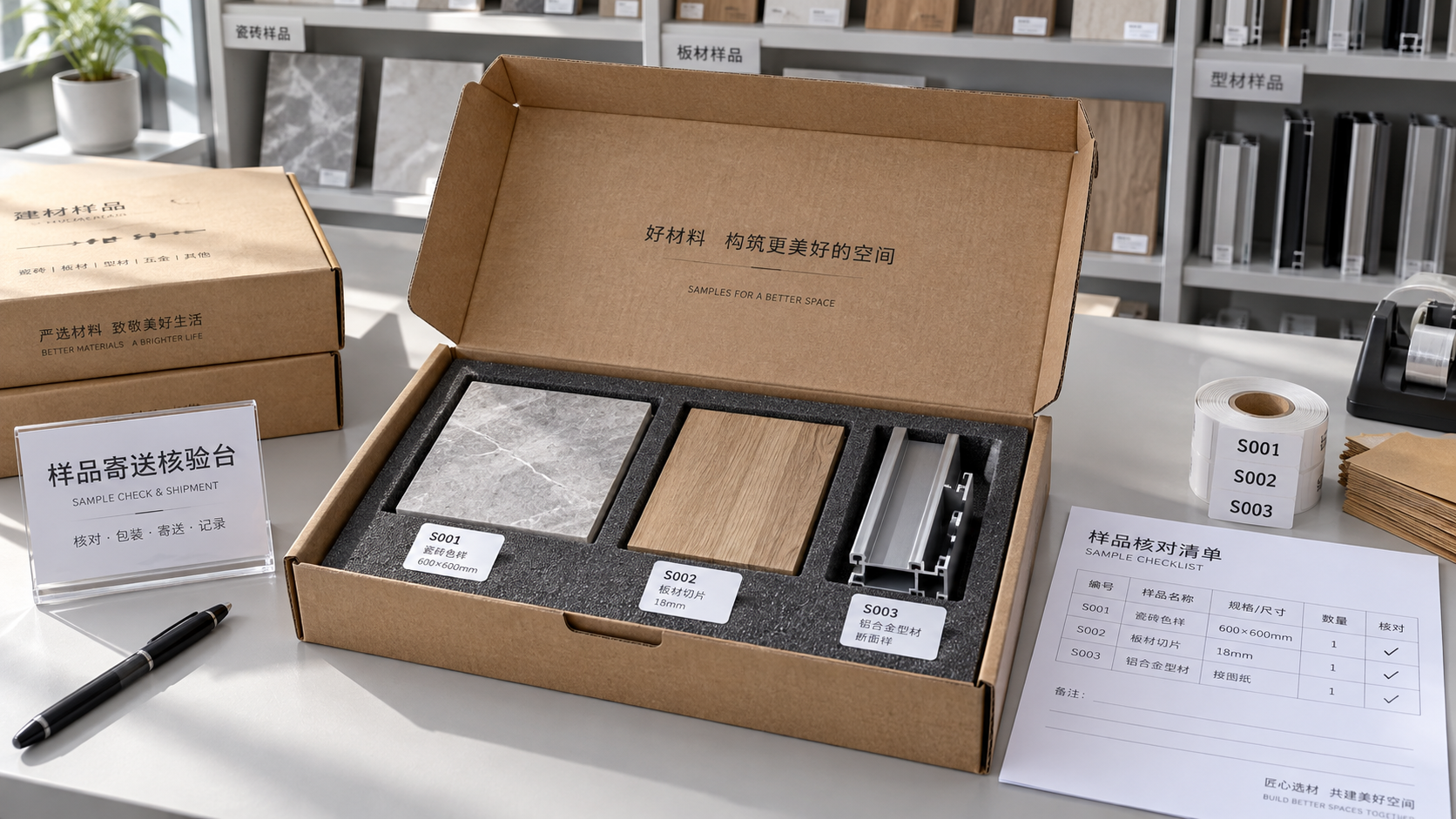
 How should a sample request process be designed for a building materials foreign trade website?
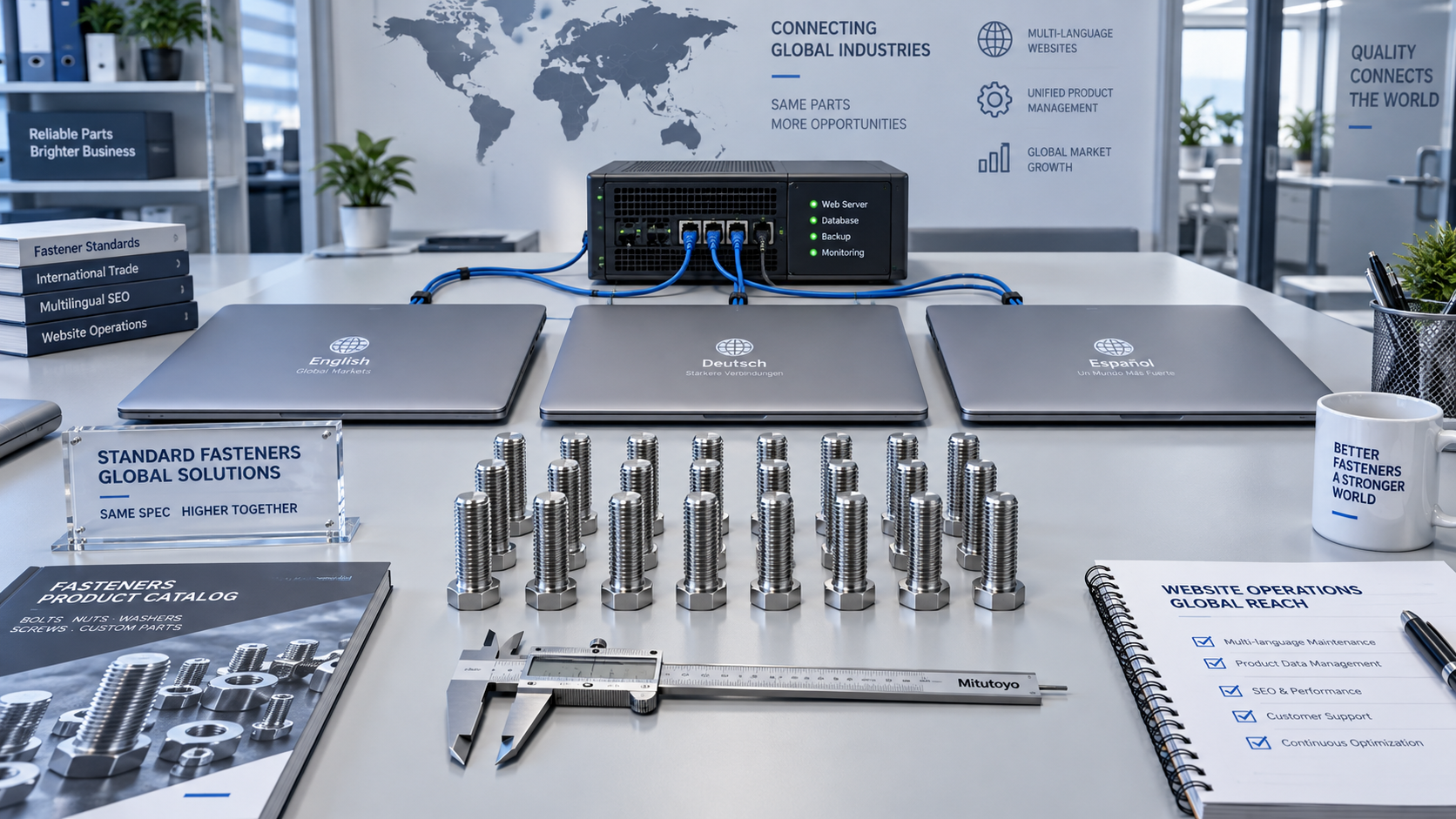
 How Can a Fastener Export Website Synchronize Specification Fields Across Languages?

Related Products
 Yiyingbao SaaS Intelligent Website Building and Marketing SystemYiyingbao SaaS Intelligent Website Building and Marketing System, AI-powered no-code website building, rapid creation of multilingual B2B international websites in 10 minutes, global server acceleration, AI-powered SEO optimization, helping businesses connect efficiently with global markets. The perfect integration of technology and operation makes building an international trade website remarkably simple
 AI+SEM Intelligent Advertising Marketing SystemAI+SEM drives intelligent ad creation, empowering full-funnel precision advertising marketing. The system automatically generates weekly/monthly reports, AI recommends keywords and target countries, monitors core metrics in real-time with intelligent alerts, and enables one-click high-conversion ad solutions to help quickly acquire customers and improve ROI.
 AI+SEO Dual-Engine System Optimization ServicesYiyingbao’s AI+SEO dual-engine optimization system helps foreign trade enterprises acquire high-quality organic traffic through AI-powered keyword research, content generation, and comprehensive technical optimization, significantly improving search rankings and conversion rates.
 AI+SNS Social Media Marketing SystemYingbao AI+SNS Social Media Marketing System - Precision social capture for the social media era. Supports one-click content synchronization across major platforms like Facebook and LinkedIn. AI intelligently rewrites posts for enhanced relevance. 24/7 AI customer service and user profiling analysis empower businesses to efficiently expand into global markets.
 AI+SEO营销解决方案易营宝AI+SEO营销解决方案,通过AI批量写作、智能生成TDK、精准关键词扩词等功能,全面优化网站SEO效果,提升流量与转化率。助力企业构建高效智能网站新生态。
 AI+SEM Advertising Marketing SolutionsAI+SEM Advertising Marketing Solution leverages AI technology to deeply empower SEM ad campaigns. It automatically generates weekly/monthly reports using AI, presenting account data across multiple dimensions for comprehensive insights into campaign performance and trends. The system precisely recommends keywords and target countries, intelligently generates high-conversion ad copy, and enables one-click activation of efficient campaign plans to help businesses rapidly acquire customers. Simultaneously, it monitors core metrics in real time, intelligently identifies abnormal fluctuations, and issues timely alerts to ensure stable, high-return advertising results.
 Domain Name ServicesEasyWin provides professional domain name services, including intelligent queries, one-stop registration, brand protection, and full lifecycle management, helping businesses build a digital brand image.
 EasyOperate B2C Cross-Border E-Commerce Platform & Independent WebsiteEasyStore B2C Cross-border E-commerce Independent Store is an intelligent website building and cross-border e-commerce integrated solution independently developed by EasyStore Information Technology (Beijing) Co., Ltd. The system is specially designed for small and medium-sized as well as large export enterprises, integrating 'website building, operation, marketing, advertising, and conversion' into one, helping enterprises quickly establish cross-border e-commerce independent stores to achieve brand globalization and global sales growth.
The platform supports multiple languages, multiple currencies, and multi-channel marketing, with built-in AI intelligent translation and SEO optimization systems, suitable for mainstream markets such as Southeast Asia, Europe and America, Latin America, and the Middle East, assisting Chinese manufacturing enterprises in efficiently deploying international e-commerce strategies. SSL证书易营宝提供专业SSL安全证书服务,包括单域名和泛域名证书,确保网站数据传输加密、身份验证和完整性保护,助力企业建立安全可信的在线业务环境。









