
I. Definition and Industry Scope of Website Translation
Website translation is the systematic process of converting product information, navigation, forms, image text, help content, and marketing pages on a website into the target language while adapting them to local reading habits, business contexts, and access environments. For export-oriented companies, it serves as the foundation for overseas customers to understand the company’s capabilities, product specifications, and cooperation processes.
Complete website translation is not equivalent to simply replacing page text. Buyers pay attention to materials, parameters, minimum order quantities, lead times, certification descriptions, after-sales service scope, and communication methods. Therefore, translated content must remain consistent with product data, sales policies, and business processes to avoid invalid inquiries or fulfillment risks caused by inaccurate terminology.
In terms of delivery scope, website translation typically includes interface translation, product content translation, marketing copy localization, search page optimization, and multilingual technical configuration. When targeting multiple countries, language and region should also be distinguished. For example, even within Spanish-speaking markets, acceptance of currencies, measurements, contact methods, and wording varies by region.
II. Technical Principles and International Website Structure
The technical core of website translation lies in content management, language-version mapping, and page delivery. A mature system should enable the same product or article to have independently maintainable language versions, with titles, descriptions, image alt text, links, and form prompts managed centrally, rather than relying solely on instant browser translation.
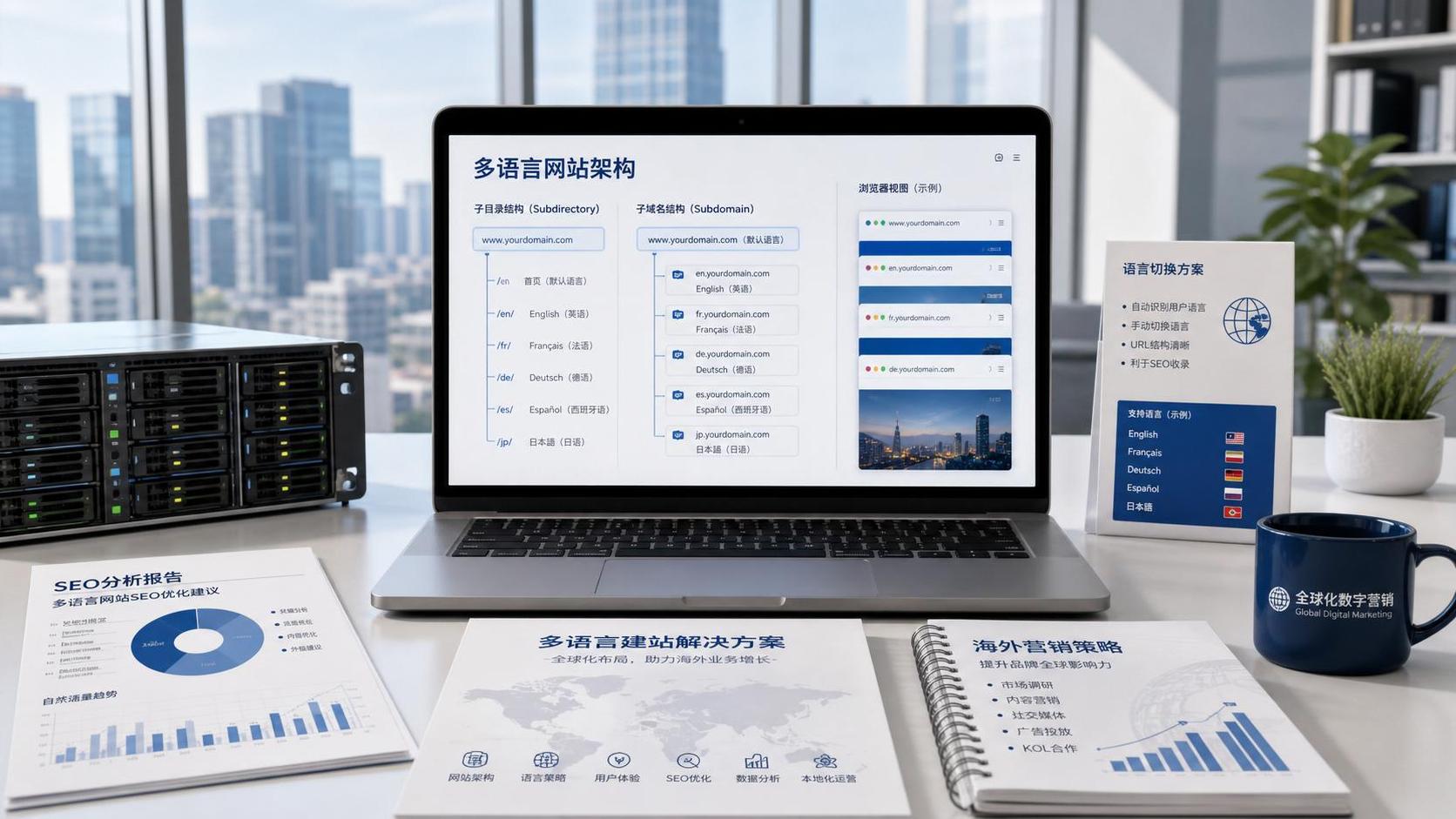
International search generally requires clear language or regional paths, along with annotations such as hreflang to help search engines identify the language and region targeted by each page. Each language page should have an accessible link, independent title and description, and corresponding content, avoiding highly duplicated pages that compete with one another for indexing.
Technical quality also depends on responsive display, server nodes, caching strategies, image compression, and security certificates. Overseas access speed affects time on site and form submissions; as multilingual sites increase in page volume, broken links, redirects, index status, and mobile usability should be checked regularly.
III. Mainstream Models and Applicable Scenarios
Machine translation is suitable for generating initial drafts in batches, quickly covering long-tail product catalogs, and processing frequently updated basic fields. It offers lower costs and faster launch times, but has limited ability to handle specialized terminology, brand tone, and implicit business terms. A terminology glossary should be established before launch, and key pages should undergo human review.
Human translation is suitable for high-value pages such as homepages, core product pages, solution pages, compliance statements, and brand stories. Its advantage is the ability to handle technical expressions in the context of procurement, but source-content versions, review responsibilities, and update mechanisms must be clearly defined. Otherwise, language versions can easily become unsynchronized after product parameters change.
The hybrid model is a common choice for foreign trade websites: AI completes initial translation, batch rewriting, and content expansion, followed by industry-aware personnel reviewing key content. Yiyingbao’s multilingual website-building and AI translation capabilities can place language pages, product management, and basic internationalization configuration within the same operating system, making them suitable for companies continuously expanding into overseas markets.
IV. Procurement Selection Criteria and Quality Control
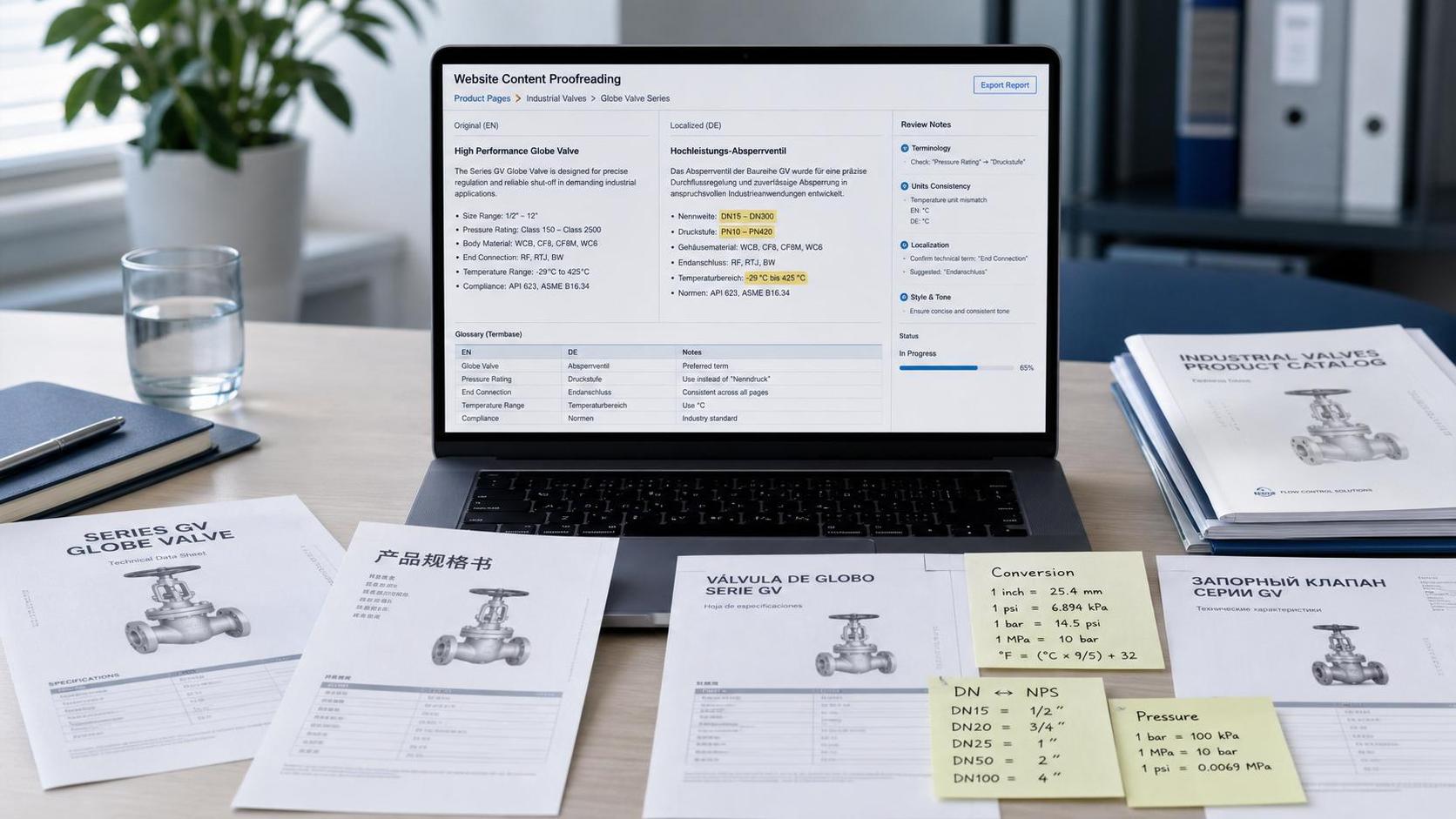
When selecting website translation services, first confirm whether the provider understands industry terminology and target customers. In sectors such as machinery, chemicals, medical products, and auto parts, companies should not compare only per-word prices. Product details, specification sheets, and application cases should be selected for trial translation to check terminology consistency, unit conversion, and the accuracy of key commitments.
Next, evaluate system capabilities: whether content can be edited independently by language, whether multilingual SEO titles and descriptions, language switching, form fields, image management, and permission allocation are supported. For companies planning to run advertisements or acquire customers over the long term, it is also necessary to confirm whether landing pages can be quickly duplicated, tested, and source-tracked.
Quality control should cover six stages: source-content freezing, terminology database creation, machine initial translation, human sampling inspection, link and layout testing, and post-publication review. In particular, numbers, currencies, models, lead times, contact information, and downloadable files should be checked to avoid situations where the page language is correct but business information is distorted.
V. Target Companies, Application Scenarios, and Case References
Website translation is particularly suitable for manufacturing plants, foreign trade companies, OEM and ODM enterprises, industrial product suppliers, cross-border sellers, and brand globalization teams. For companies that rely on trade shows, platforms, or sales representatives to develop customers, multilingual standalone websites can accumulate searchable product assets and receive traffic from search, advertising, and social media.
Typical scenarios include expanding into Russian-, Japanese-, or Arabic-speaking regions after entering global markets with an English website; reorganizing complex product catalogs by country; building local-language landing pages for Google Ads or social media campaigns; and providing distributors and engineering customers with downloadable multilingual materials and inquiry channels.
Yiyingbao’s services cover industries including laser engraving machines, steel, chemicals, heavy-duty trucks, machinery, new energy, agriculture, healthcare, and furniture, and list service cases such as Haier, Aucma, Shandong Airlines, Yuanhe Power Station, Little Duck Group, and Sinotruk. The language strategy for each project should still be based on the target market, product complexity, and customer journey.
VI. Implementation Process, Operational Maintenance, and Conversion Optimization
Before implementing website translation, companies should first identify priority countries, target customer roles, featured products, and inquiry objectives, then organize the Chinese or English source content. Product names, application terms, specification units, and company introductions should first be standardized; when source content is incomplete, direct translation can only amplify existing information gaps.
During launch, language navigation, regional pages, inquiry forms, WhatsApp or email entry points should be configured simultaneously, while mobile display, form delivery, and downloadable files should be verified. Yiyingbao uses a responsive architecture and provides basic services including global node deployment, SSL, and CDN, which can reduce the workload of separately procuring and coordinating technical resources.
After launch, indexing, traffic, search terms, exit pages, and inquiry sources should be reviewed monthly, while key product pages should be updated quarterly. When new products, pricing strategies, delivery capabilities, or certification materials change, all relevant language versions should be updated simultaneously. The focus of conversion optimization is shortening the path to understanding rather than simply increasing the number of pages.
VII. Total Cost of Ownership and Future Industry Trends
The total cost of ownership for website translation includes source-content organization, translation and review, page production, technical configuration, server and security services, subsequent updates, and traffic operations. The number of languages, number of product SKUs, degree of specialization, need for localized regional content, and whether advertising and data analytics are integrated all affect project budgets and maintenance investment.
When evaluating return on investment, effective inquiries, the inquiry-to-order cycle, organic traffic growth, advertising landing page conversion, and content reuse efficiency should all be considered, rather than focusing only on launch speed. Companies with limited budgets can prioritize building a high-quality English website and a small number of key-country pages, then use data to determine the next stage of expansion.
In the future, website translation will place greater emphasis on AI-assisted generation, terminology asset accumulation, regionalized content, and visibility in generative search. Yiyingbao has released a multilingual website-building system and an AI foreign trade standalone website marketing system; companies should regard multilingual pages as long-term operational assets and establish a foundation of trust with global buyers through reliable data, clear Q&A, professional case studies, and continuous updates.
 How to choose an AI website translation system?Look at translation quality、terminology database or publishing efficiencyHow to choose an AI website translation system?Don’t only look at translation speed,but pay more attention to translation quality、terminology database management、publishing efficiency and SEO adaptation capabilities。This article takes you from a practical perspective to determine whether the system can truly support multilingual customer acquisition and overseas marketing growth。
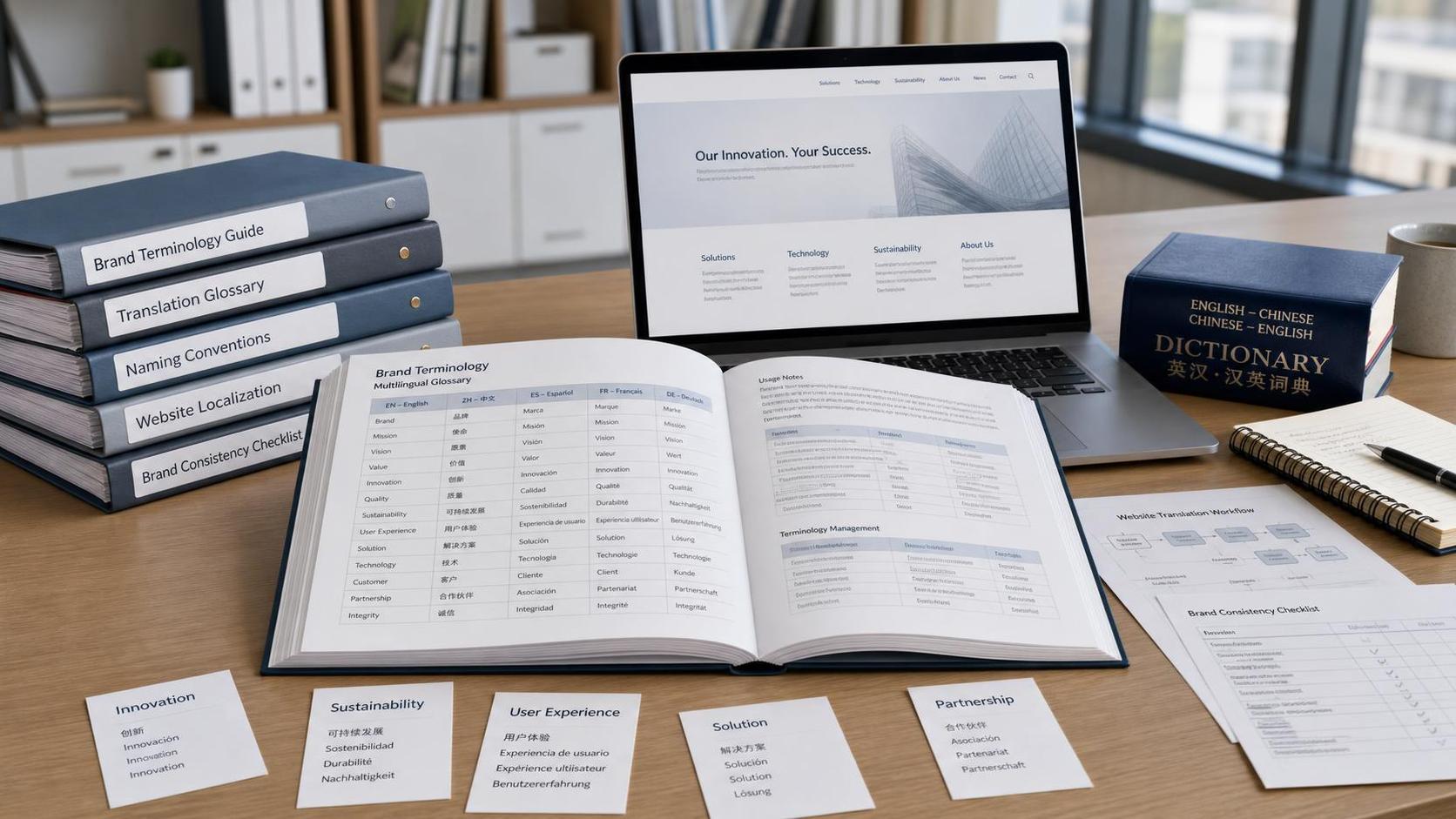
 Will 易营宝 website translations have inconsistent brand terminology?Will 易营宝 website translations have inconsistent brand terminology? This article explains how to quickly determine whether a multilingual website has truly achieved brand consistency, improved conversions, and reduced communication costs through terminology databases, AI and human proofreading, in-depth page sampling, and ongoing maintenance.
 What Results Should You Look for in Yiyingbao Independent Website Translation Customer Cases?What Customer Cases Does Yiyingbao Have for Independent Website Translation? Don’t Just Look at How Many Languages Are Supported; Pay More Attention to Whether Multilingual Pages Are Indexed and Whether They Generate Inquiries and Conversions. This Article Shows You How to Assess the Real Value of a Case from the Perspectives of SEO, Localization, and Lead Generation Results.
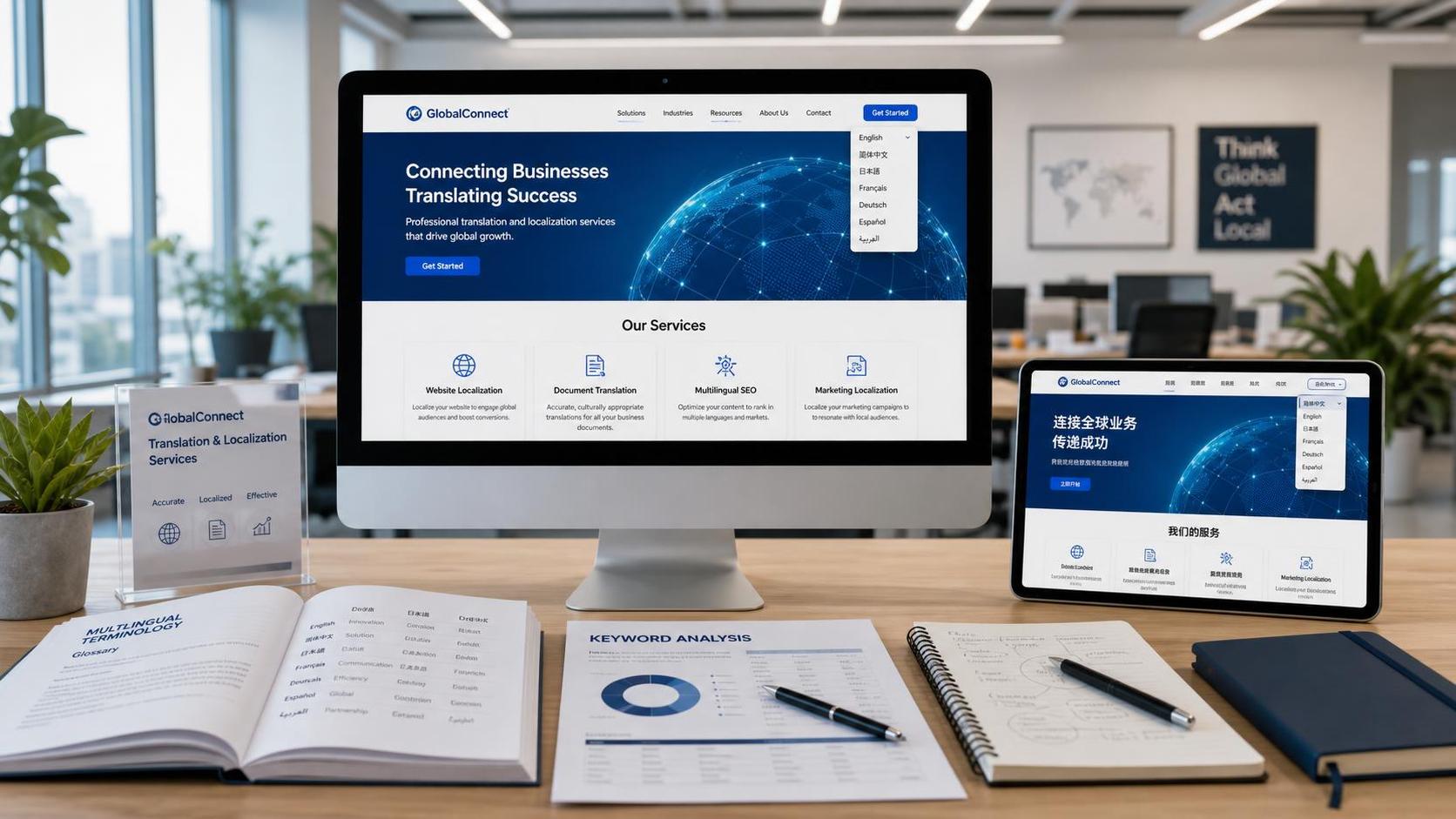
 How Can Multilingual Website Translation Services Balance Efficiency and AccuracyHow Can Multilingual Website Translation Services Balance Efficiency and Accuracy? This article explores translation, SEO, and conversion coordination strategies across scenarios such as inquiry-generation websites, e-commerce websites, and brand websites, helping businesses improve overseas website indexing, credibility, and customer acquisition efficiency.
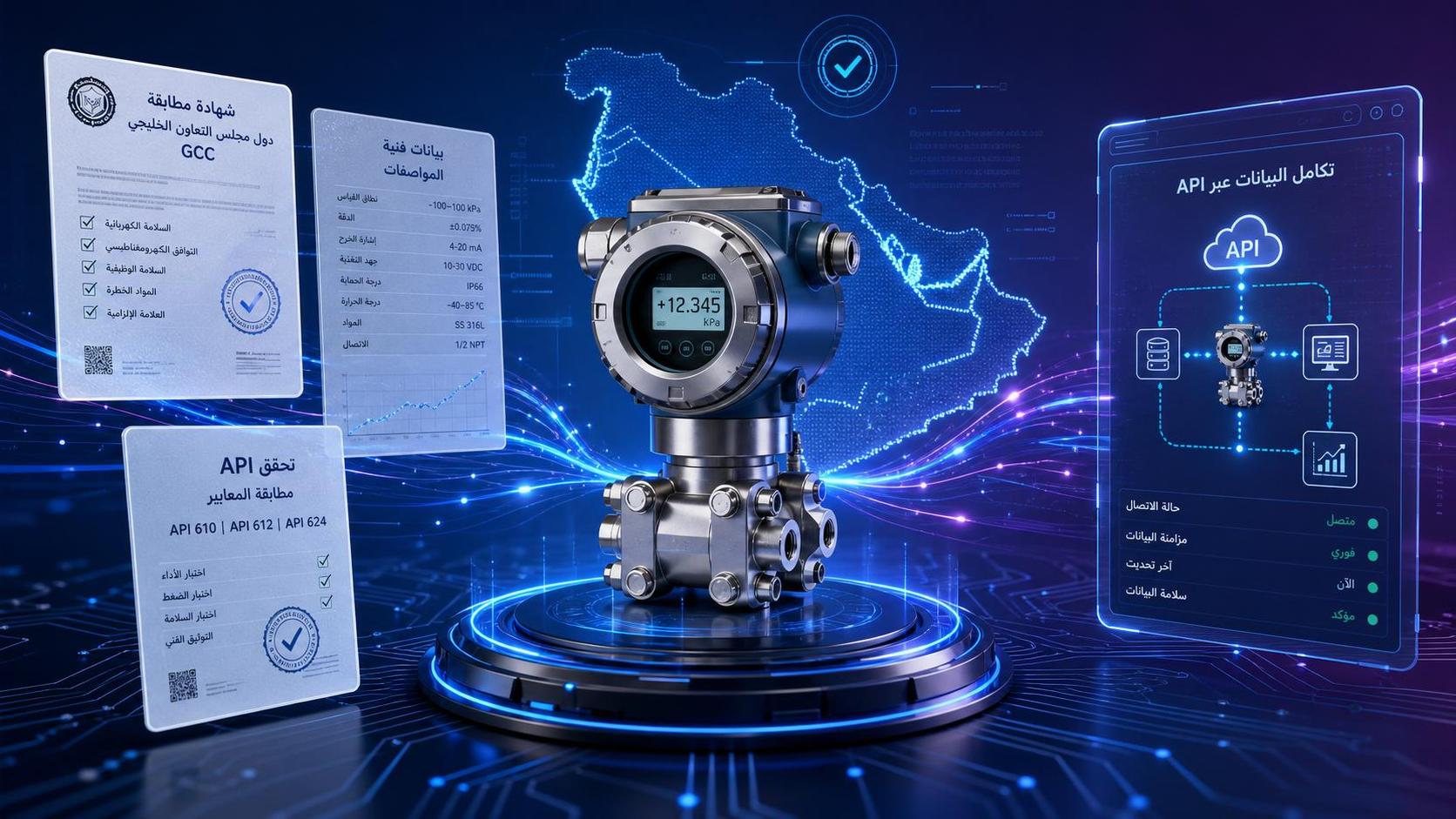
 New Website Validation Requirements for GCC CertificationThe new website validation requirements for GCC certification have become a key threshold for G-mark applications. Manufacturer websites and B2B independent sites must integrate the GSO Arabic-language parameter validation API; otherwise, applications may be rejected. Learn immediately about the practical impact of the new regulations on websites, certification, and delivery processes.
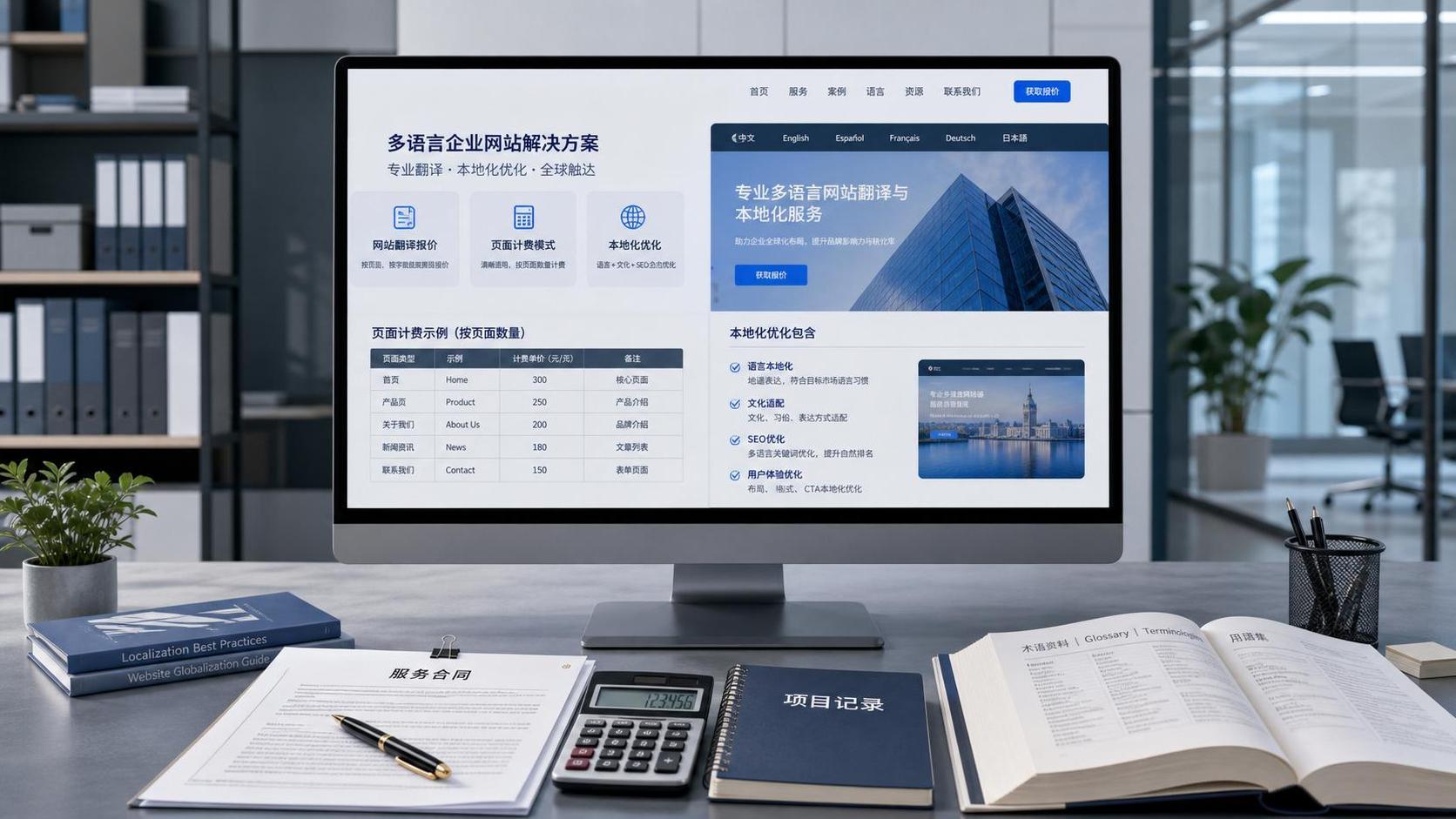
 How to calculate B2B website translation pricing? Is it more reasonable to charge by language, word count, or page?How to calculate B2B website translation pricing more reasonably? This article explains the applicable scenarios, hidden costs, and key points to avoid pitfalls of the three charging methods: by language, by word count, and by page, helping enterprises choose a solution that balances budget, SEO, and inquiry conversion.
 How to set up the AI website translation language path? Subdirectory, subdomain, and SEO impact comparisonHow to choose an AI website translation language path more conducive to SEO? This article compares subdirectories and subdomains in terms of indexing, weight inheritance, and maintenance costs, helping you determine which structure is more suitable for multilingual website development and overseas marketing growth.
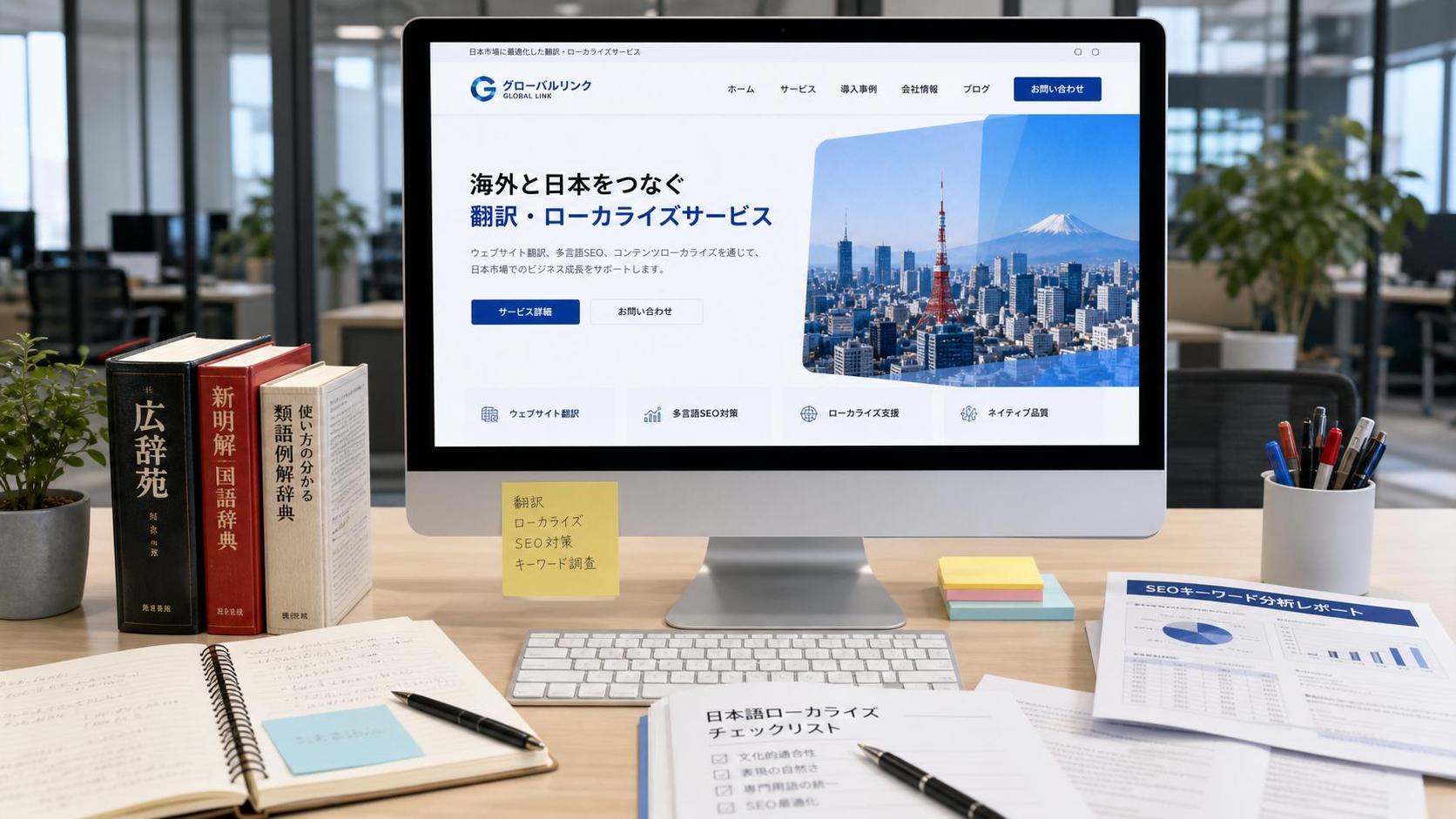
 How to Make Website Content Translation into Japanese More Natural? Key Points for Page Structure, Localized Expression, and SEOWebsite content translation to Japanese is not just about converting Chinese into Japanese. More importantly, it requires synchronizing page structure, localized expression, and SEO optimization. This article breaks down practical approaches for natural Japanese website localization to help improve indexing, dwell time, and lead conversion.