
I. Definition and Industry Scope of SaaS Website Building
SaaS website building provides website creation and management capabilities in the form of cloud-based software services. Companies can create corporate websites, product sites, landing pages, or online stores through templates, components, content backends, and permission systems, without having to purchase servers, deploy programs, or maintain underlying code themselves.
It differs from one-time delivered custom development and is not limited to visual presentation. A mature SaaS website-building solution should cover domain name resolution, responsive pages, content publishing, form collection, traffic analytics, basic security, and ongoing feature iterations, making the website a business asset for long-term operations.
In B2B export scenarios, the key evaluation criterion for SaaS website building is whether buyers can quickly understand the products, verify supply capabilities, and initiate contact. Therefore, product categories, specification pages, qualification materials, case studies, and inquiry pathways are more important than simply pursuing a larger number of pages.
II. Technical Principles: From Page Building to a Closed-Loop Marketing Data System
SaaS website building typically adopts a multi-tenant cloud architecture: the platform centrally maintains core services, while different companies manage their websites, assets, and business data within their own accounts. The frontend adapts to desktop and mobile devices through responsive design, while the backend manages content modules such as pages, categories, products, and articles.
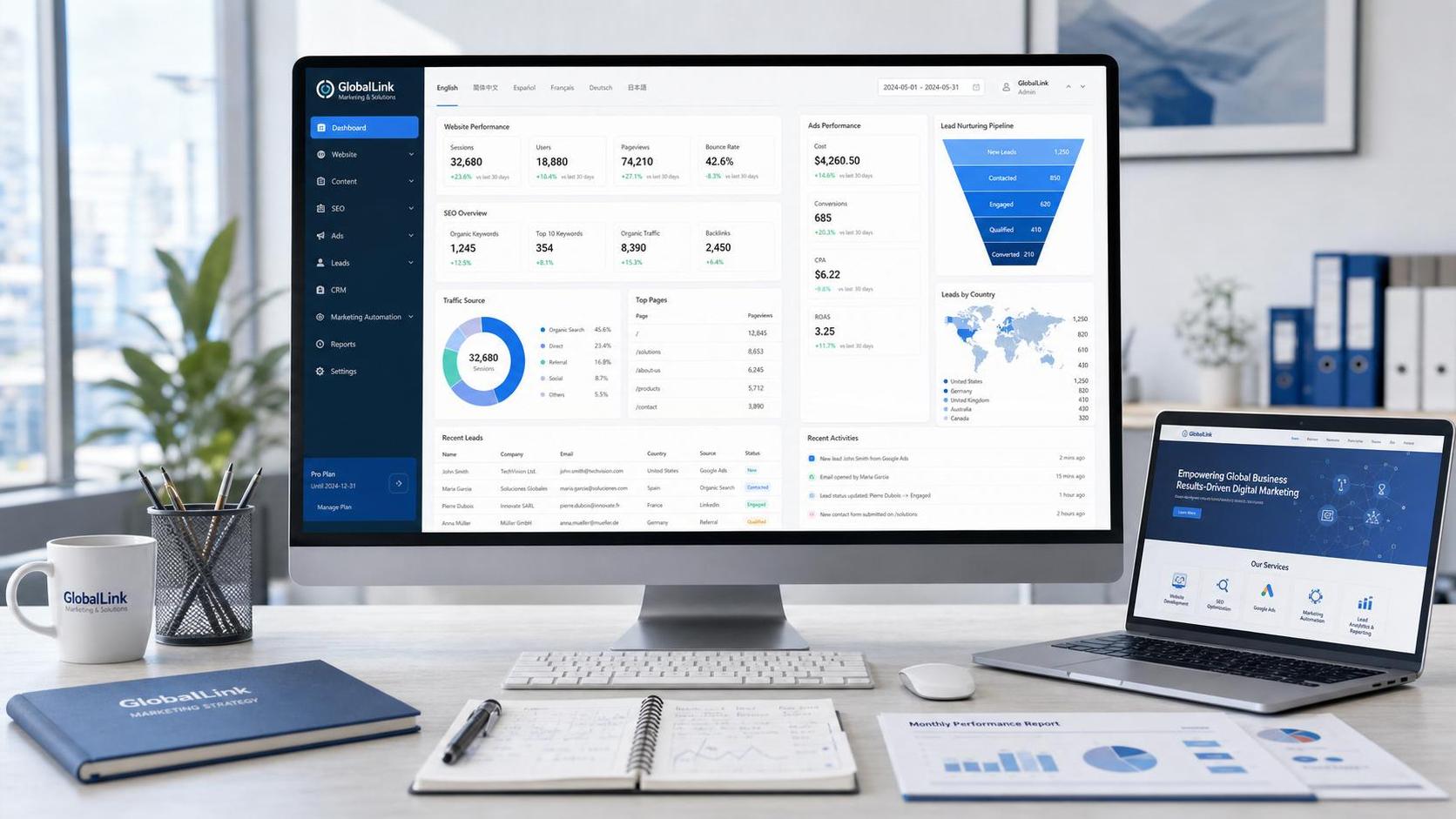
Marketing websites also need to establish a clear data flow. After users enter a page through organic search, advertising, or social media, the system should record key behaviors such as traffic sources, pages visited, form submissions, and clicks on communication channels, helping companies determine which countries, products, and content have greater customer acquisition value.
AI capabilities are suitable for assisting in the generation of website structures, initial product drafts, title descriptions, and multilingual content, but should not replace business review. Pages involving technical specifications, compliance commitments, delivery times, prices, and certifications still need to be confirmed by product, foreign trade, or legal personnel to prevent inaccurate information from entering the market.
III. Main Types and Suitable Businesses
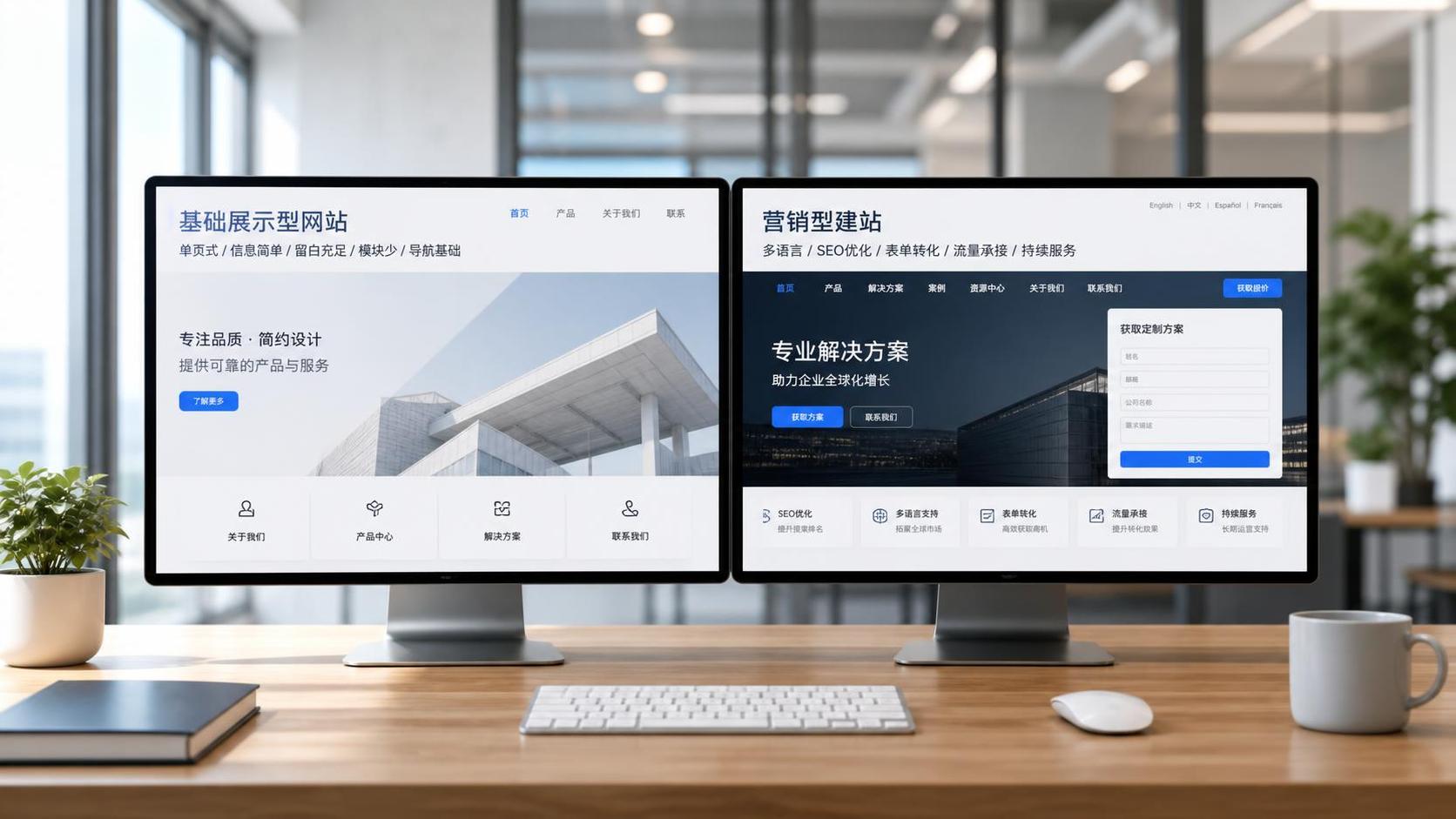
Corporate website SaaS solutions are suitable for manufacturers and trading companies that need to showcase company strength, factory capabilities, service scope, and contact details. Their purpose is to build basic trust and provide a unified brand destination for trade show customers, business development, and search traffic.
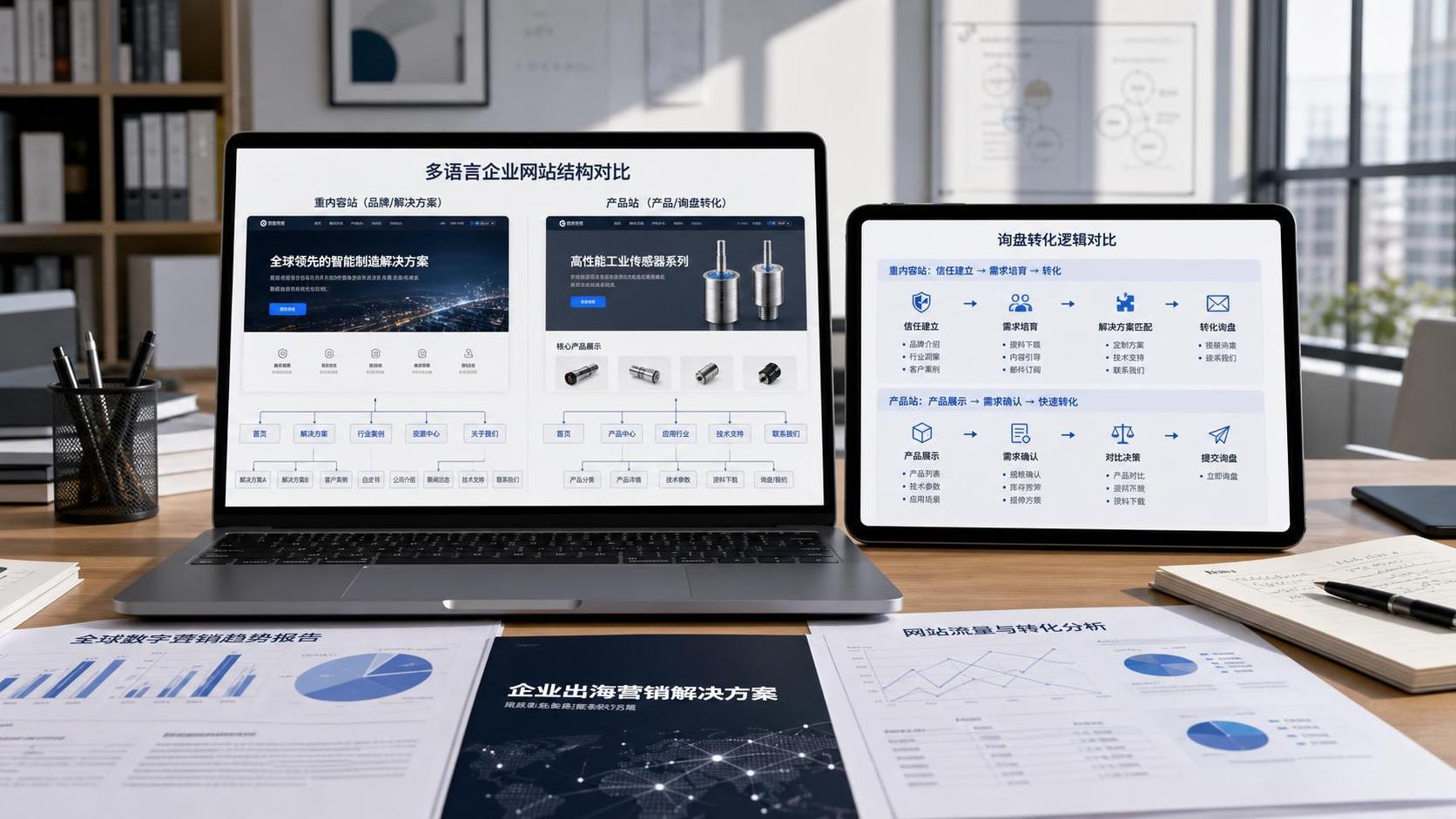
B2B inquiry websites place greater emphasis on product catalogs, detailed specifications, application scenarios, downloadable materials, and communication channels such as WhatsApp, email, and forms. Industries such as machinery, hardware, building materials, auto parts, chemicals, and new energy should organize content according to the purchasing decision path rather than solely by internal corporate departments.
B2C online store solutions require product specifications, pricing, shopping cart, order placement, or quotation request capabilities, while also serving advertising landing and repeat brand purchase purposes. Companies with many SKUs or requiring multiple currencies or dynamic pricing should confirm before selection whether the product model, integration interfaces, and operational backend can handle the actual complexity of their business.
IV. Selection Criteria: What Buyers Should Review
Selection should first focus on business fit rather than merely comparing the number of templates. Export companies should clarify whether the website is intended to generate inquiries, support advertising, showcase the brand, or sell directly, and then review its product management, content management, multilingual, form, payment, and marketing tracking capabilities accordingly.
Performance and maintainability should also be reviewed, including mobile experience, page loading, server deployment, backup, SSL, permission management, and data export mechanisms. Suppliers should explain which features belong to the standard version and which involve plugins, manual services, or subsequent fees, thereby reducing gaps in delivery expectations.
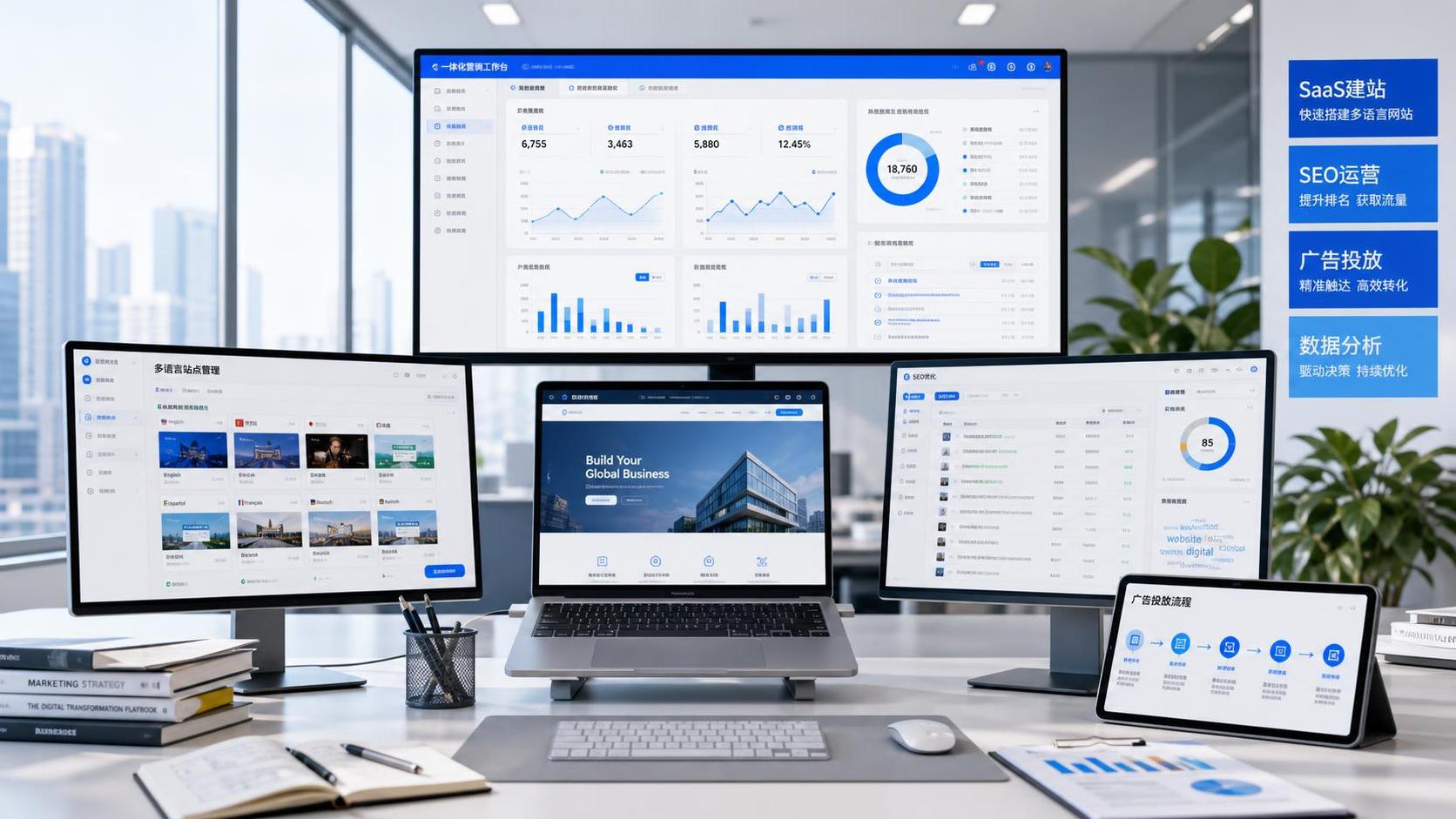
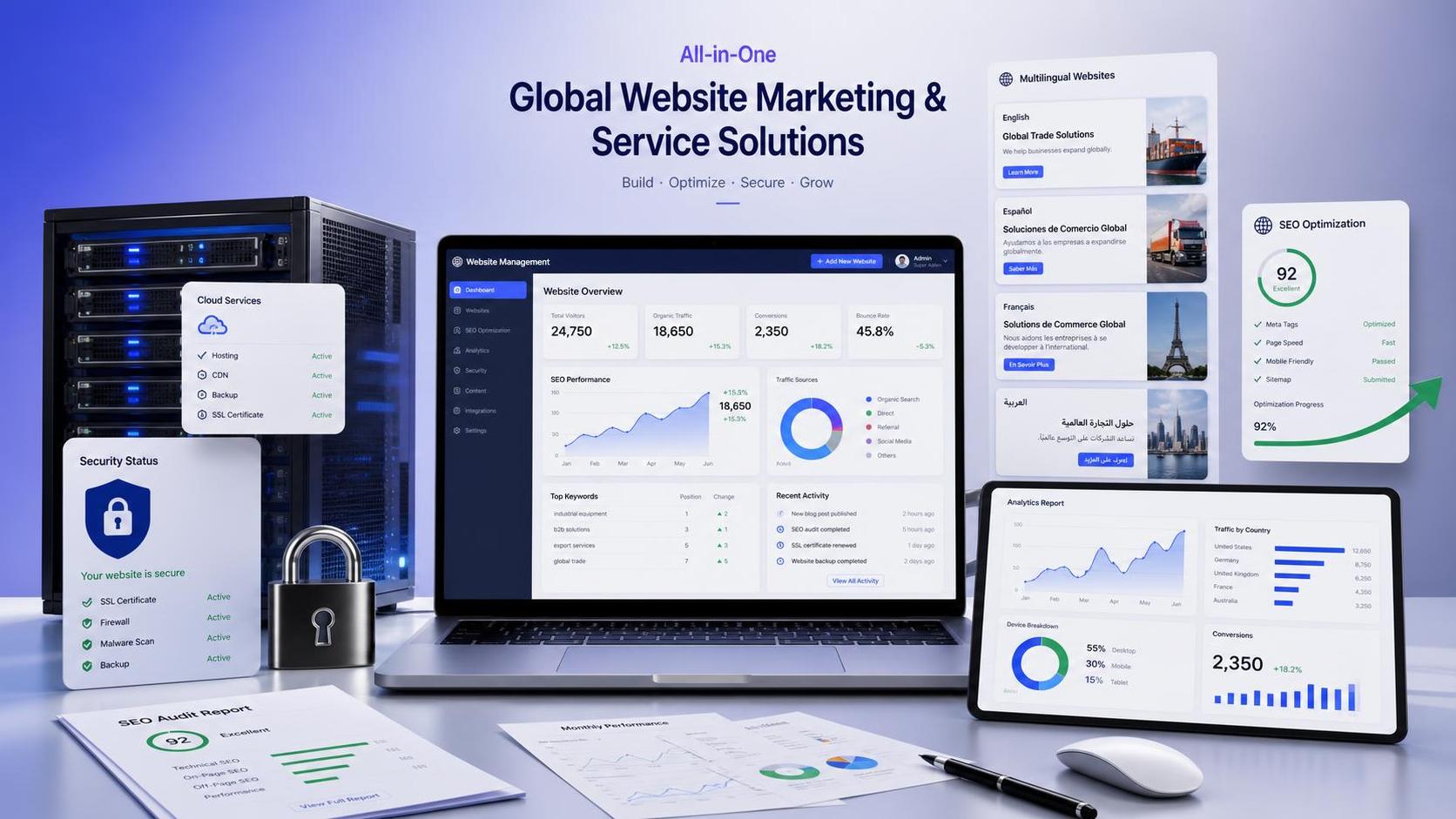
For companies seeking overseas customer acquisition, Yiyingbao provides combined capabilities for AI-powered website building, multilingual standalone websites, SEO, advertising, and social media operations. Its materials mention responsive architecture and multi-cloud global node deployment; during procurement, verification is still recommended based on access testing in target countries, content review processes, and the company's own conversion objectives.
V. Application Scenarios and Website Development Process
When manufacturing companies build foreign trade websites, they should first identify their main products, target countries, buyer roles, and core selling points, and then establish pages for product categories, solutions, factory capabilities, quality control, case studies, and contact information. The content structure should enable first-time visitors to assess the supply scope and feasibility of cooperation within a short time.
The implementation process typically includes domain name and access environment configuration, page information architecture, visual and component development, product data migration, multilingual localization, setup of forms and customer service channels, basic search configuration, testing and launch, and data monitoring. Before launch, links, forms, mobile layouts, and privacy statements should be verified page by page.
Yiyingbao's service cases cover industries including laser engraving machines, steel, chemicals, heavy-duty trucks, machinery, and new energy, and it has served companies such as Haier, Aucma, and Shandong Airlines. Effective practices from different projects cannot be directly replicated; content and conversion paths still need to be adjusted based on industry terminology, purchasing cycles, and target markets.
VI. Total Cost of Ownership and Return on Investment Assessment
The total cost of ownership of SaaS website building includes not only subscription or development fees, but also domain names, servers or traffic, plugins, multilingual translation, content production, images and videos, advertising landing pages, maintenance personnel, and ongoing optimization investments. Even a platform with seemingly comprehensive features can hardly generate stable returns if no one is responsible for content and operations.
ROI should be assessed using business metrics, such as the number of qualified inquiries, cost per inquiry, traffic to key products, the proportion of visits from target countries, sales follow-up rates, and sales cycle length. Looking only at traffic can mask low-quality visitors, so forms, instant communication, and quotation requests should be analyzed in connection with sales lead records.
Procurement decisions can be phased: first complete high-value product pages and the basic conversion path, then expand traffic through search content, advertising, and social media, and finally optimize pages based on data. For companies lacking technical and overseas marketing teams, integrated services can reduce the coordination costs of working with multiple suppliers, but delivery boundaries and review frequency should be clearly defined.
VII. Maintenance Cycles and Future Industry Trends
After a website goes live, it should enter a continuous maintenance cycle. When product prices, specifications, inventory strategies, marketing campaigns, and customer case studies change, the relevant pages need to be updated accordingly; indexing, keywords, traffic sources, popular pages, and inquiry quality can be reviewed monthly, while technical performance and content gaps can be checked quarterly.
Future SaaS website building will place greater emphasis on AI-assisted operations, multilingual localization, first-party data accumulation, and cross-channel coordination. In a generative search environment, product and knowledge content that is clearly structured, factually verifiable, and addresses specific questions is more likely to be understood and cited by search summaries and Q&A tools.
Platform capabilities will continue to lower the barrier to website building, but corporate differentiation will still come from the quality of product materials, market positioning, sales response speed, and operational discipline. Yiyingbao has released versions such as its Cloud Intelligent Website Building Marketing System and Multilingual Website Building System; companies should incorporate tool updates into their annual digitalization plans and evaluate investment results based on the quality of actual leads.
 Migrate SaaS website system data to a new platform? First check field mapping and SEO risksMigrate SaaS website system data to a new platform? First check field mapping, URL rules, and SEO risks. This article breaks down key points for multilingual sites, marketing sites, and e-commerce migration, helping you avoid indexing drops, broken links, and permission confusion.
 Is a Global Website-Building SaaS Platform Better Suited for Content-Heavy Websites or Product-Focused Websites?Is a global website-building SaaS platform ultimately better suited for content-heavy websites or product-focused websites? This article evaluates SEO capabilities, multilingual operations, conversion journeys, and future expansion costs to help you determine whether the platform matches your business stage and avoid traffic and inquiry losses caused by choosing the wrong website solution.
 How to Evaluate Delivery and Ongoing Operating Costs of SaaS Website Development ProvidersHow should you choose a SaaS website development provider? Don’t compare only the initial quote. Pay closer attention to delivery scope, feature expansion, content maintenance, SEO promotion compatibility, and data ownership. Calculating the total cost of ownership in advance can help you avoid ongoing additional charges later.
 Where Do SaaS Platform Website Development Prices Differ: Features, Traffic, or ServicesWhy Do SaaS Platform Website Development Prices Vary So Much? This article breaks down pricing differences across three dimensions—features, traffic, and services—helping you understand the true costs of showcase websites and marketing websites, avoid low-price traps, and choose a solution better suited to your business growth.
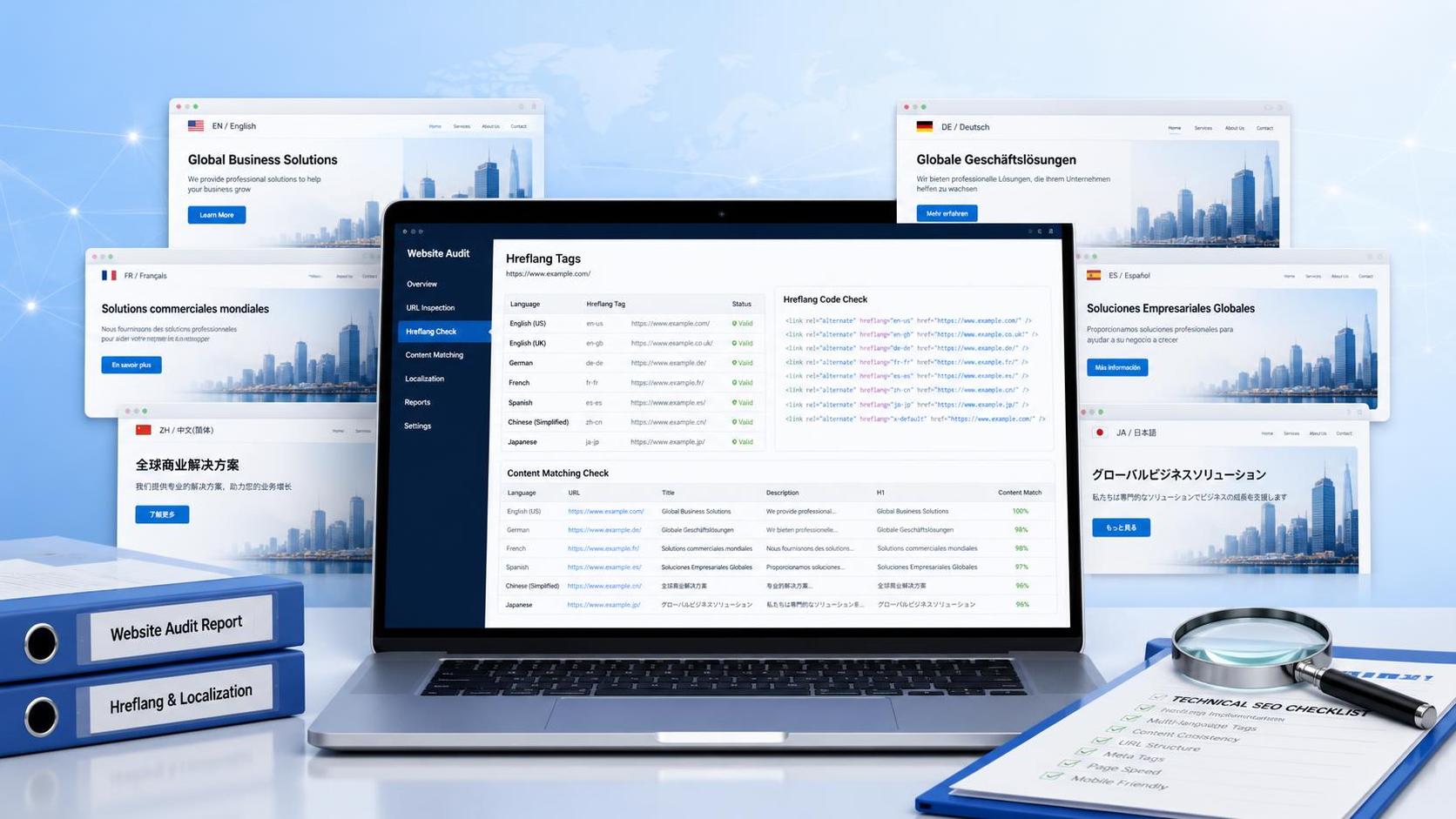
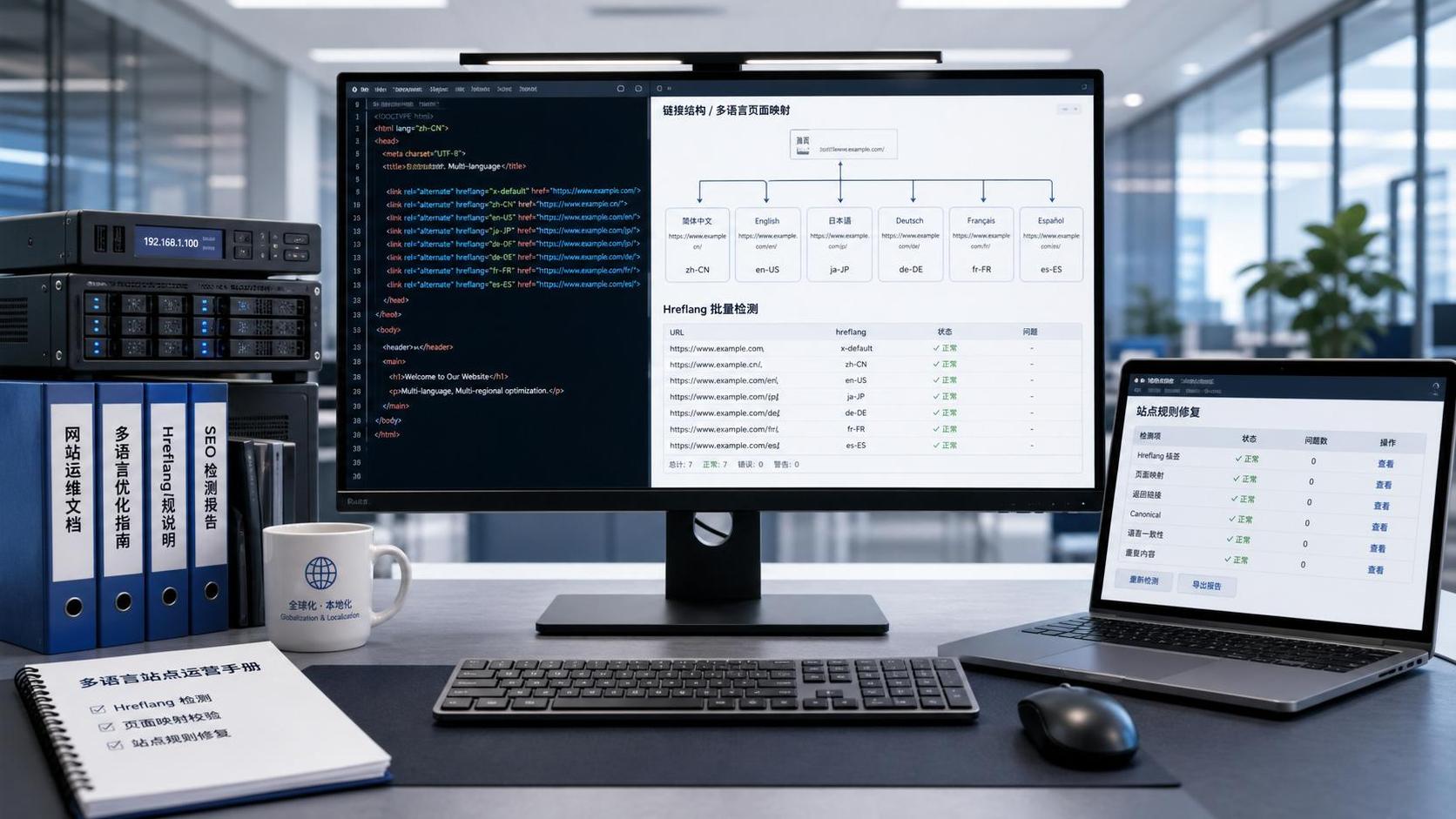
 How can you troubleshoot and fix hreflang language mismatch issues on pages?How can you troubleshoot and fix pages have hreflang language mismatch issues? This article starts with checks on the page’s primary language, hreflang implementation, canonical, redirects, and Sitemap integration to help you quickly identify multilingual indexing discrepancies on international websites and improve indexing and conversions.
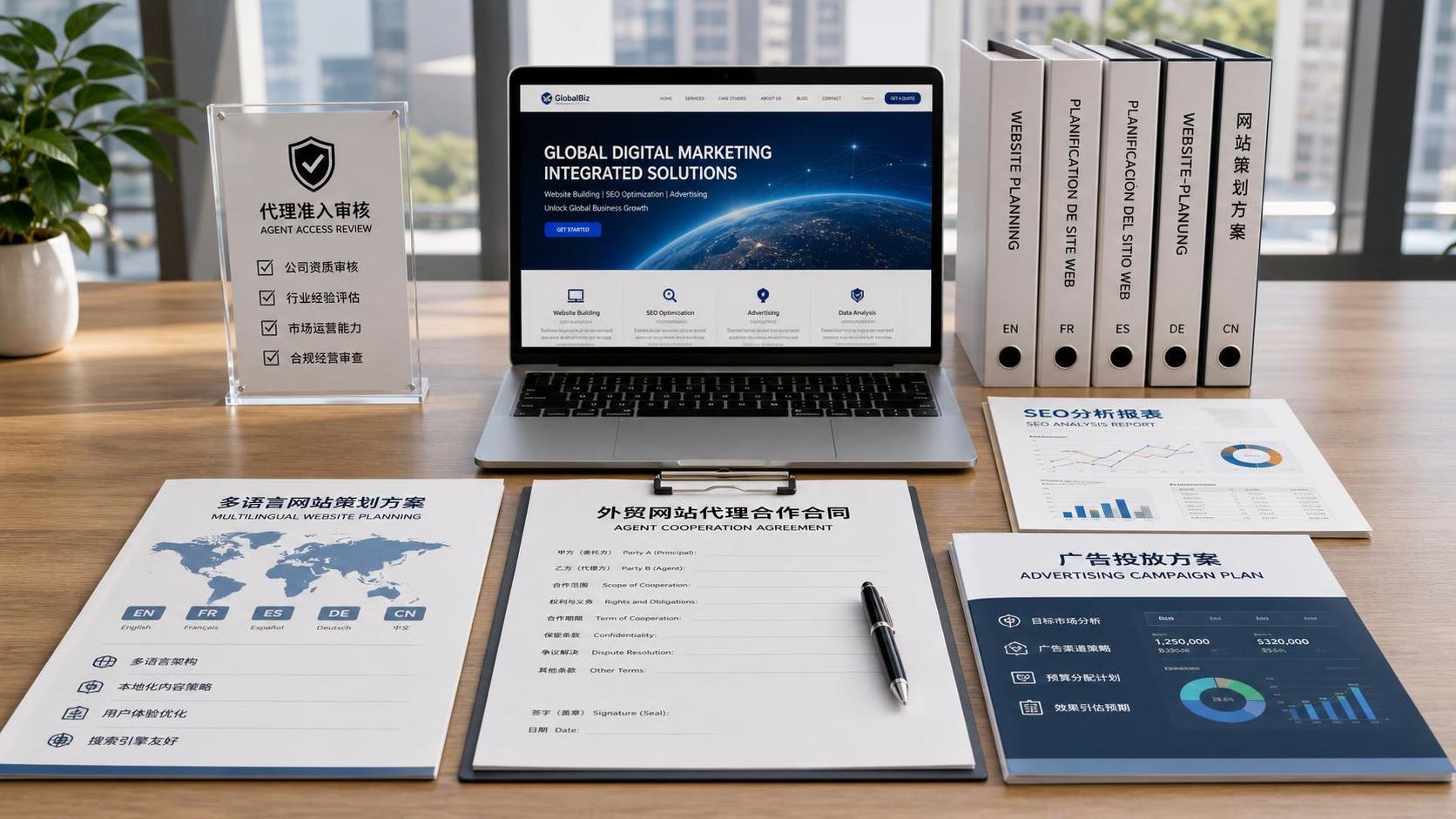
 What Are the Requirements and Thresholds for Becoming a Foreign Trade Website代理?What are the requirements and thresholds for becoming a foreign trade website代理? Don’t focus only on franchise fees and rebates; pay more attention to product capabilities, training support, delivery capabilities, renewal mechanisms, and overseas marketing implementation results to identify a partnership model that can truly win orders, deliver successfully, and generate sustainable profits.
 How to Choose a More Reliable SaaS Platform Website Development SolutionHow can you choose a more reliable SaaS platform website development solution? This article examines key factors such as multilingual management, SEO foundations, advertising campaign support, lead feedback, and future scalability to help businesses determine whether a platform is truly suitable for long-term growth and avoid repeated redevelopment after launch.
 Are the post-launch maintenance costs of an international trade website high?Are the post-launch maintenance costs of an international trade website high? The answer depends on the website architecture, operating model, and service team. This article provides a detailed explanation of maintenance cost sources, cost-control methods, and common misconceptions, helping international trade companies choose the right integrated website and marketing solution to improve indexing, inquiries, and growth efficiency.