

I. Definition and Business Scope of Overseas Social Media Lead Generation
Overseas social media lead generation refers to the process in which companies use content, interactions, advertising, and private communication entry points on platforms such as Facebook, LinkedIn, TikTok, and YouTube to direct target audiences to independent websites, landing pages, stores, or inquiry systems, and continuously encourage them to complete consultations, quotation requests, orders, or partnerships.
In B2B scenarios, the end goal of lead generation is usually not a single click, but qualified leads with company information, purchasing requirements, product specifications, and contact details. Products with long decision cycles, such as industrial goods, equipment, and raw materials, require case studies, parameters, factory capabilities, and technical Q&A to reduce procurement risks.
Therefore, overseas social media lead generation should be designed in coordination with website content, customer relationship management, sales response, and data attribution. Focusing only on follower counts or view volume can easily result in exposure that cannot be reused; only channel combinations that accumulate visit data and communication records offer long-term customer acquisition value.
II. Technical Principles: From Content Reach to the Marketing Funnel
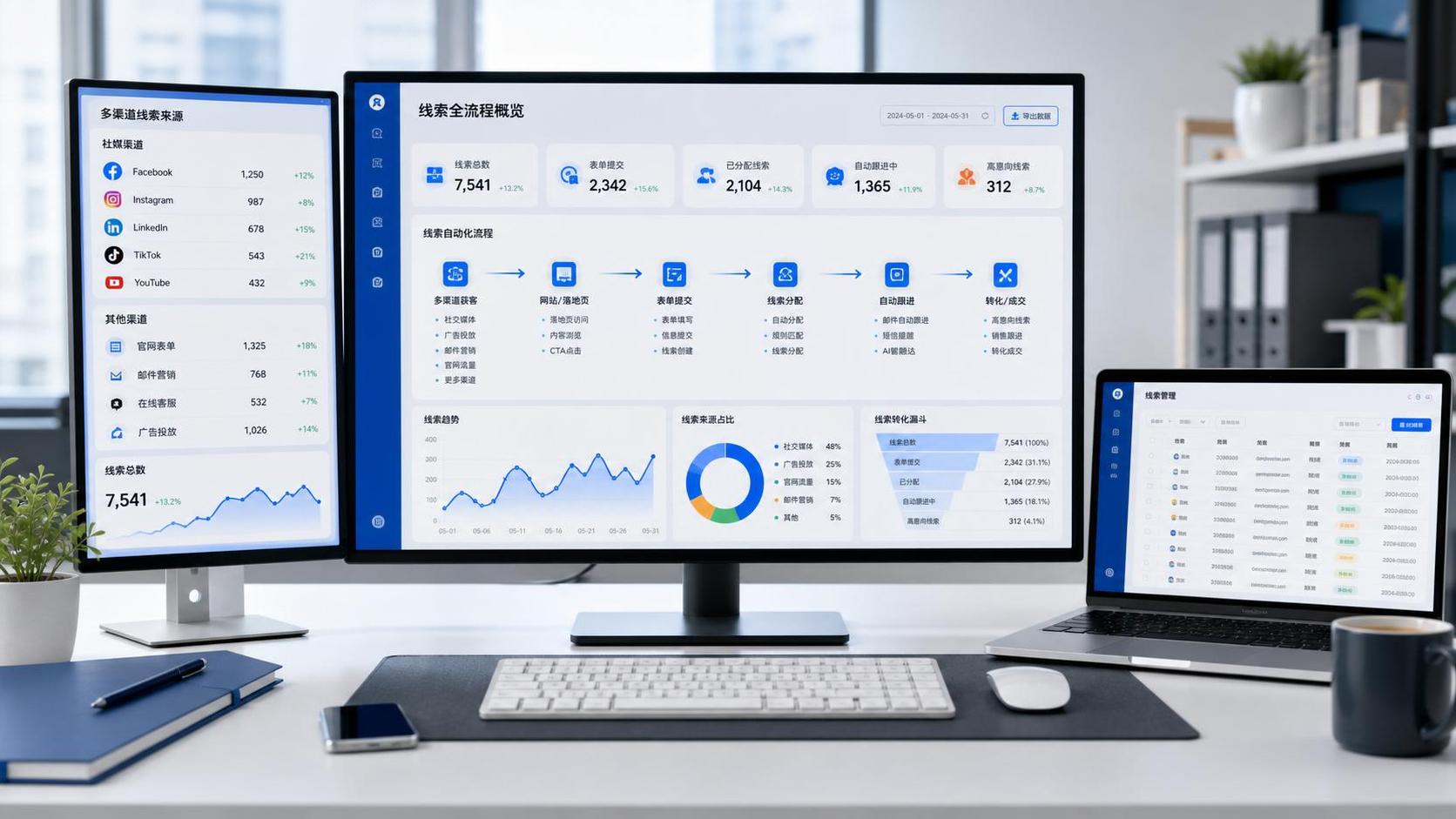
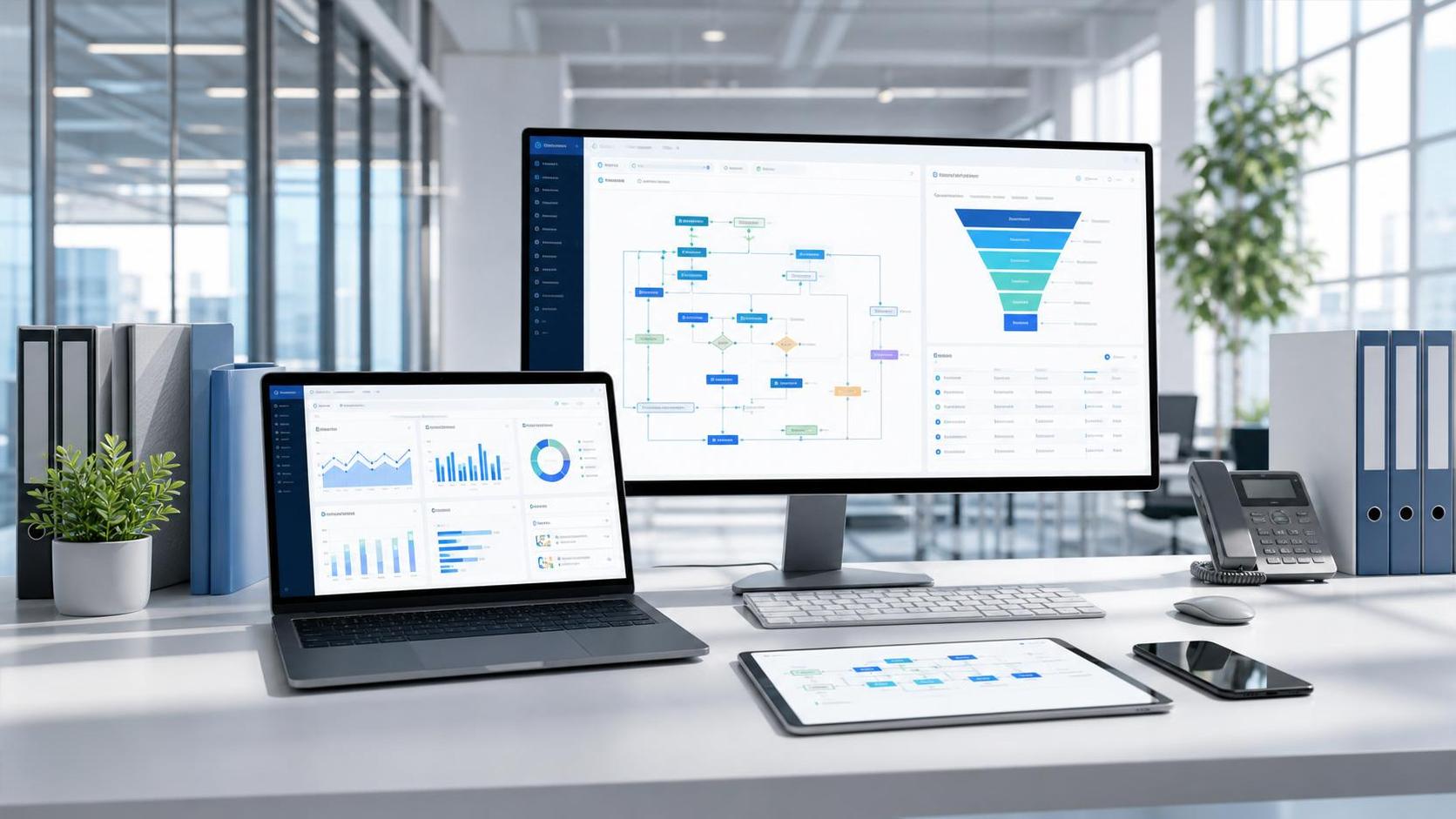
A complete funnel is generally divided into five stages: awareness, interest, evaluation, conversion, and remarketing. Short videos, industry perspectives, and product demonstrations are used to expand awareness; white papers, selection guides, and solution pages are used to qualify interest; forms, instant messaging, and meeting bookings are responsible for conversion.
Platform algorithms distribute content based on content topics, engagement signals, audience characteristics, and campaign objectives. Companies should prepare differentiated content for different countries, industry roles, and purchasing stages, rather than directly copying the same Chinese-style sales copy into every market, which can affect understanding and trust.
From a technical implementation perspective, social media links should be configured with identifiable source parameters, and conversion events should be deployed on independent websites, such as form submissions, WhatsApp clicks, sample requests, and document downloads. Only then can companies determine the actual inquiries generated by different materials, countries, and audiences, instead of merely comparing superficial click volumes.
III. Major Channel Categories and Applicable Scenarios
LinkedIn is better suited for finding purchasing managers, engineers, distributors, and corporate decision-makers, and is applicable to professional procurement chains in machinery, chemicals, new energy, software services, and similar industries. Content should focus on application solutions, technical capabilities, project experience, and industry insights rather than frequently posting hard-sell promotional messages.
Facebook combines community operations, brand reach, and ad targeting capabilities, making it suitable for regional distribution, consumer goods, building materials, home furnishings, and cross-border retail. TikTok and YouTube are better suited for showcasing production processes, equipment demonstrations, installation results, and customer usage scenarios, helping address the difficulty of explaining complex products through text and images alone.
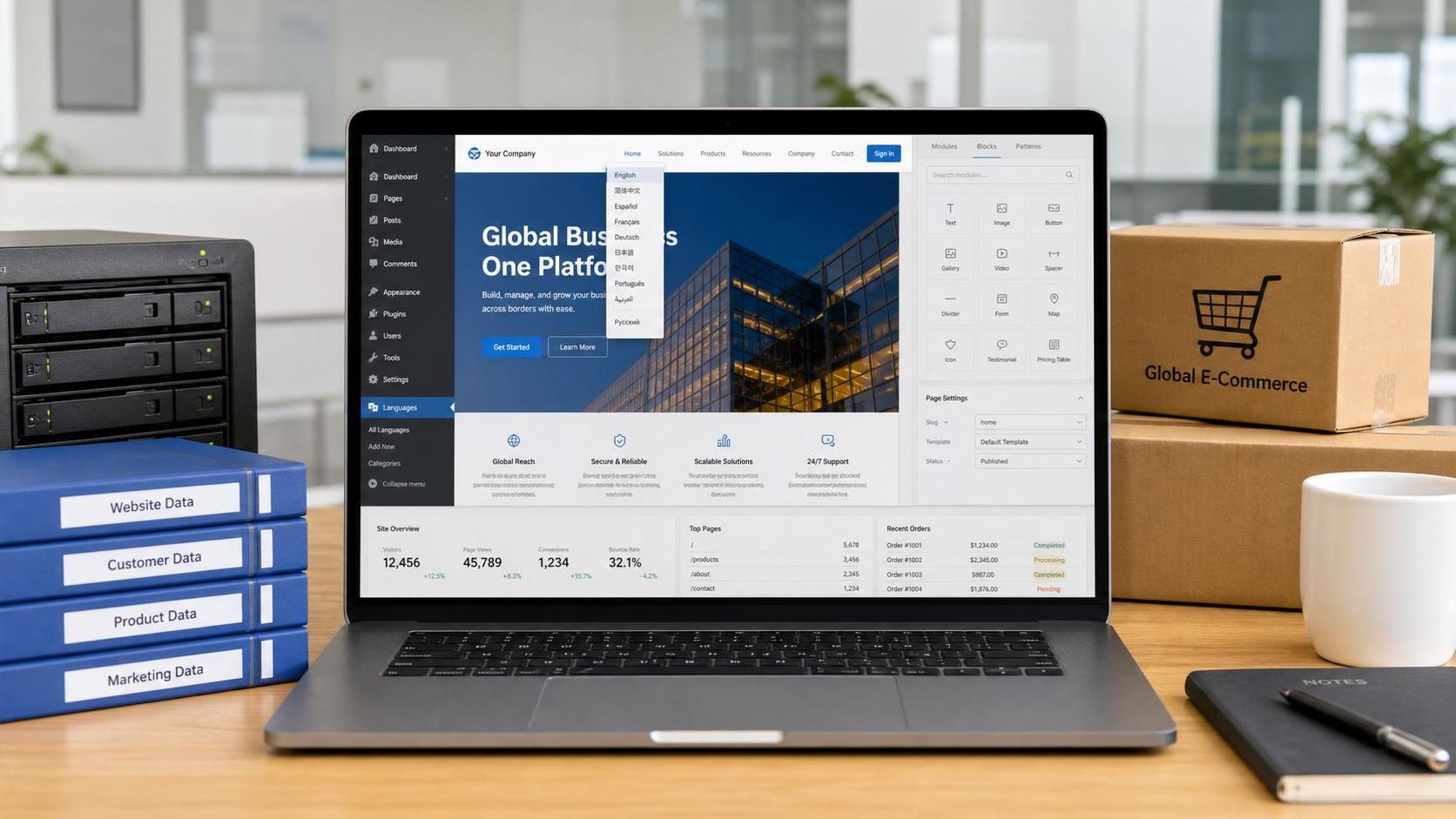
Yingyingbao's AI+SNS overseas social media marketing system can be used for multi-platform content distribution, post-generation assistance, and data monitoring, while directing traffic to multilingual independent websites. For companies that need to cover multiple markets simultaneously, unified management of social media operations and website conversion can help reduce content gaps and missed leads.
IV. Selection Criteria: How to Build a Conversion-Oriented Conversion System
When selecting overseas social media lead generation services, first confirm whether the service provider understands the target market, product decision cycle, and lead definition. B2B companies should focus on whether product landing pages, inquiry fields, email alerts, instant communication entry points, and sales lead grading can be configured, rather than evaluating only the number of posts published.
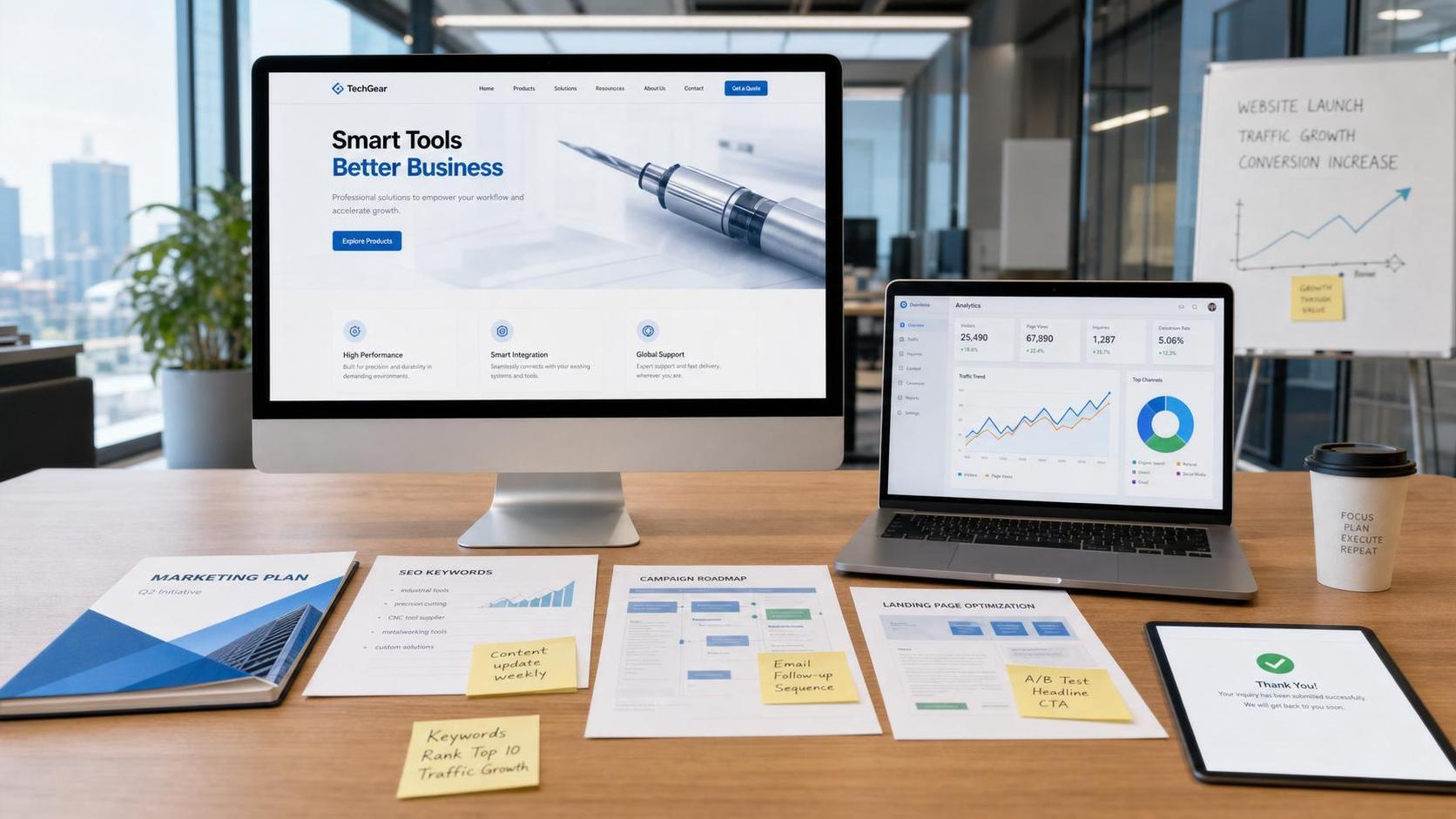
An independent website should provide mobile compatibility, clear language pathways, fast access, credible company information, and a page structure that makes it easy to take action. Different ad groups or social media topics should preferably correspond to dedicated landing pages, keeping product selling points, content promises, and form questions consistent to reduce visitor drop-off.
Data access rights, account ownership, content review procedures, and reporting granularity should also be verified. When user data is involved, platform rules and applicable privacy requirements in the advertising region should be followed; for industries such as medical products, chemicals, and children's products, promotional content must also comply with local product access requirements and advertising restrictions.
V. Implementation Methods: Coordination of Content, Advertising, and Inquiries
Before implementation, a basic assessment should be completed: define target countries, key products, target customer roles, average order value, and sales response capabilities. Then build a content library around procurement questions, such as specification comparisons, material descriptions, common faults, certification documentation, delivery capabilities, and customer applications, rather than simply listing product names.
Content publishing can adopt a combination of brand trust, product education, and conversion actions. Brand trust showcases factories, teams, and case studies; product education explains performance and applications; conversion content guides users to obtain catalogs, request quotations, or book consultations. Videos should have clear topics, subtitles, and landing page links to facilitate understanding among multilingual audiences.
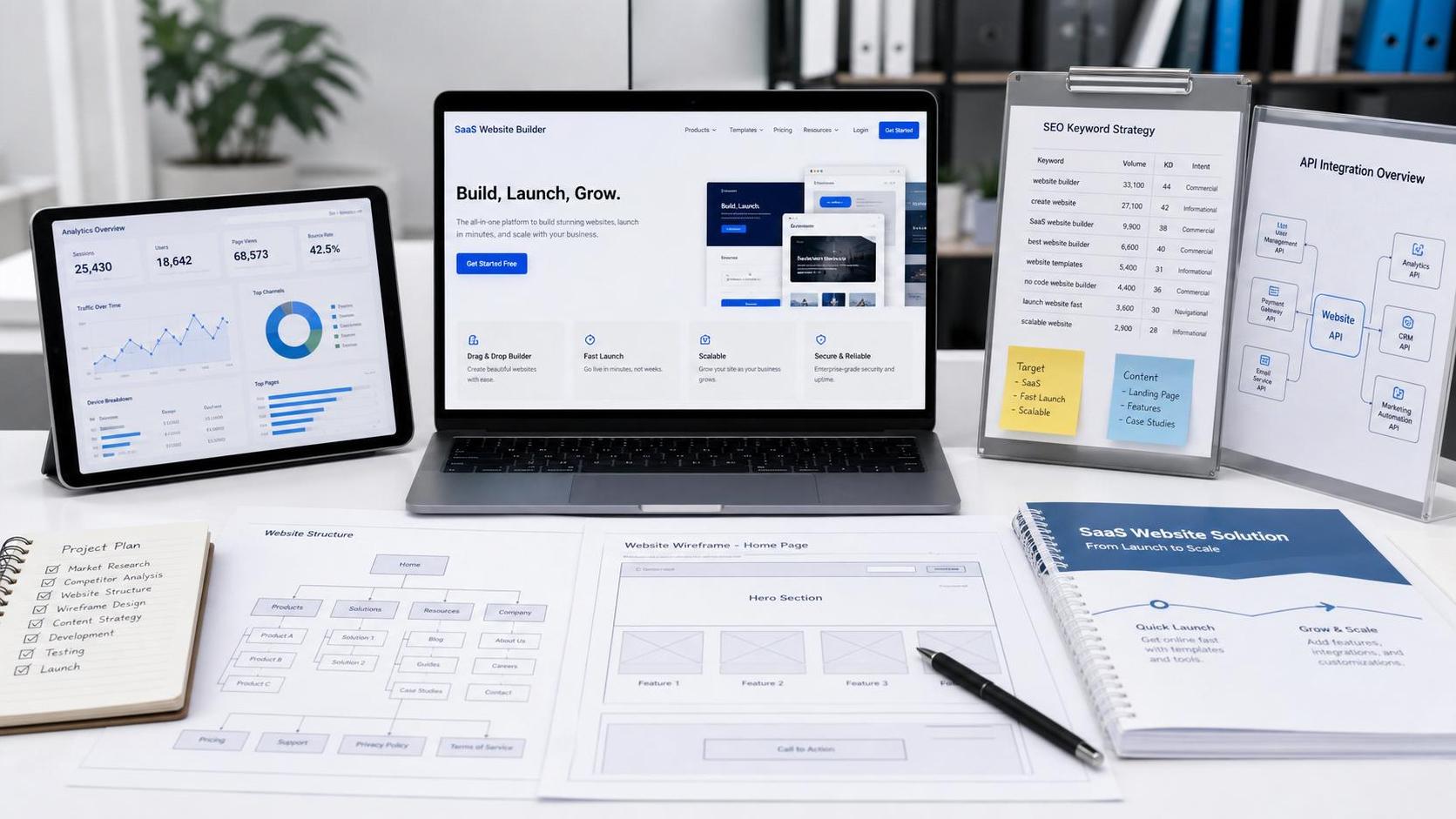
Yingyingbao can combine AI-powered website building, multilingual content, Google SEO, advertising, and social media operations to form a complete chain from content generation to landing page conversion. Its responsive architecture, global node acceleration, and website operation capabilities are suitable for overseas business teams seeking to turn social media visits into their own digital assets.
VI. Cost Structure, ROI, and Continuous Optimization
The total cost of ownership for overseas social media lead generation includes account and content planning, visual or video production, advertising budget, landing page development, multilingual localization, data tools, sales follow-up, and continuous optimization. Low-cost outsourced content operations without conversion design and data review often shift costs into ineffective traffic.
When evaluating return on investment, companies should assess cost per impression, click-through rate, landing page conversion rate, qualified lead rate, opportunity rate, and transaction value at each stage. For B2B projects with longer cycles, it is recommended to also track remarketing audience size, document downloads, and repeat visits, avoiding the dismissal of early-stage nurturing value based on short-term transactions.
The optimization cycle can include weekly reviews of content and campaign performance, monthly reviews of countries, product lines, and lead quality, and quarterly adjustments to content topics and budget structure. Sales teams should promptly provide feedback on reasons for invalid leads, common questions, and closed products to support the next round of audience selection and content improvement.
VII. Industry Trends and Enterprise Practice References
Future overseas social media lead generation will place greater emphasis on short-video specialization, content localization, first-party data accumulation, and AI-assisted operations. As platform traffic rules continue to change, companies cannot rely solely on a single account or advertising channel; they should build sustainable audience reach through independent websites, email subscriptions, and instant messaging.
The generative search environment is also driving companies to build structured content that can be understood and cited. Product parameters, Q&A, application cases, company capabilities, and service processes need to remain consistent, verifiable, and continuously updated. The GEO, SEO, and multilingual operation capabilities provided by Yingyingbao can serve as part of the long-term maintenance of content assets.
Yingyingbao's services cover industries including laser engraving machines, steel, chemicals, heavy-duty trucks, machinery, and new energy, and it has also served companies such as Haier, Aucma, Shandong Airlines, and Little Duck Group. Different projects still require solutions tailored to the market, products, and sales process. It is more prudent to first conduct small-scale testing and then expand investment based on qualified inquiries.
 5 Things to Know Before Choosing an SSL CertificateHow to Choose an SSL Certificate: Don’t Just Look at the Price. This article starts from 5 dimensions—DV/OV/EV types, brand credibility, compatibility, deployment efficiency, and hidden costs—to help corporate websites and marketing sites avoid pitfalls and choose a solution that is more beneficial for SEO and conversions.
 What Is the Difference Between 易营宝 and WordPress? Comparison of Feature Scalability, Maintenance Costs, and Foreign Trade AdaptabilityWhat exactly is the difference between 易营宝 and WordPress? This article provides an in-depth comparison across three key dimensions: feature scalability, maintenance costs, and foreign trade adaptability, helping you determine which solution is better suited for SEO-based customer acquisition, multilingual operations, and overseas inquiry conversion.
 What Can a Website Performance Optimization Company Do? From Above-the-Fold Speed to Core Web VitalsA website performance optimization company not only improves above-the-fold speed,but also performs systematic optimization around Core Web Vitals、SEO crawling、page stability and conversion paths。If you want to know how to reduce bounce rate、improve indexing and inquiry performance,this article is worth reading。
 How long after an independent website goes live can inquiries be seen?Traffic、industry and page quality determine the paceHow long after an independent website goes live can inquiries be seen?This does not depend only on time,but more on the speed of traffic acquisition、industry competition and page conversion capability。Understand how SEO、advertising and page optimization work together,to assess the customer acquisition pace faster and improve inquiry efficiency。
 What Are the Reasons for Slow Loading of Overseas Customer Complaint Websites? Itemized Troubleshooting from Servers to Image ResourcesWhat Are the Reasons for Slow Loading of Overseas Customer Complaint Websites? This article itemized troubleshooting from servers, CDN, image resources, third-party scripts to page structure, helping enterprises quickly locate the root cause of slow overseas access and improve SEO performance and inquiry conversion.
 What are the core functions of social media customer acquisition software? How to judge lead collection, allocation, and follow-up?How to choose social media customer acquisition software? This article focuses on three core functions: lead collection, automatic allocation, and follow-up loop, to help you determine whether a tool truly improves inquiry conversion and avoid wasting traffic and making mistakes in the selection process.
 Can a SaaS website system be built quickly? Comparing template launch speed and secondary development restrictionsCan a SaaS website system be built quickly? This article compares template launch speed and secondary development restrictions, analyzes differences in SEO, data, extensibility, and marketing collaboration, and helps you determine which website-building solution is better for long-term customer acquisition growth.
 How to choose an intelligent marketing platform? Pipeline management, automation, and data integration are keyHow to choose an intelligent marketing platform? Don't just look at how many functions it has; pay more attention to its pipeline management, marketing automation, and data integration capabilities. This article combines website + marketing integrated scenarios to help companies determine whether the platform truly improves lead generation, conversion, and long-term growth efficiency.