I. Definition and Business Value of Technical SEO
Technical SEO is a systematic process that uses technical methods such as servers, page code, information architecture, and data markup to enable search engines to discover, crawl, render, understand, and index website content. It is not equivalent to writing articles or exchanging links; rather, it is a foundational requirement for organic traffic growth.
For foreign trade B2B websites, technical SEO directly affects whether overseas buyers can find product pages, solution pages, and pages demonstrating company capabilities in search results. If crawling is blocked, language versions are disorganized, or the mobile experience is poor, even extensive content may fail to generate stable visibility.
The goal of technical optimization is not to pursue individual scores, but to build website assets that are accessible, understandable, scalable, and monitorable. Companies should plan it in coordination with keyword strategies, professional content, inquiry paths, and data reviews to avoid costly rework after launch.
II. How Search Engines Process Website Content
Search engines typically go through stages such as discovering links, crawling pages, executing necessary scripts, extracting topical signals, building indexes, and ranking and displaying results. XML sitemaps, canonical links, internal links, and clear status codes determine whether important pages can be successfully discovered and categorized.
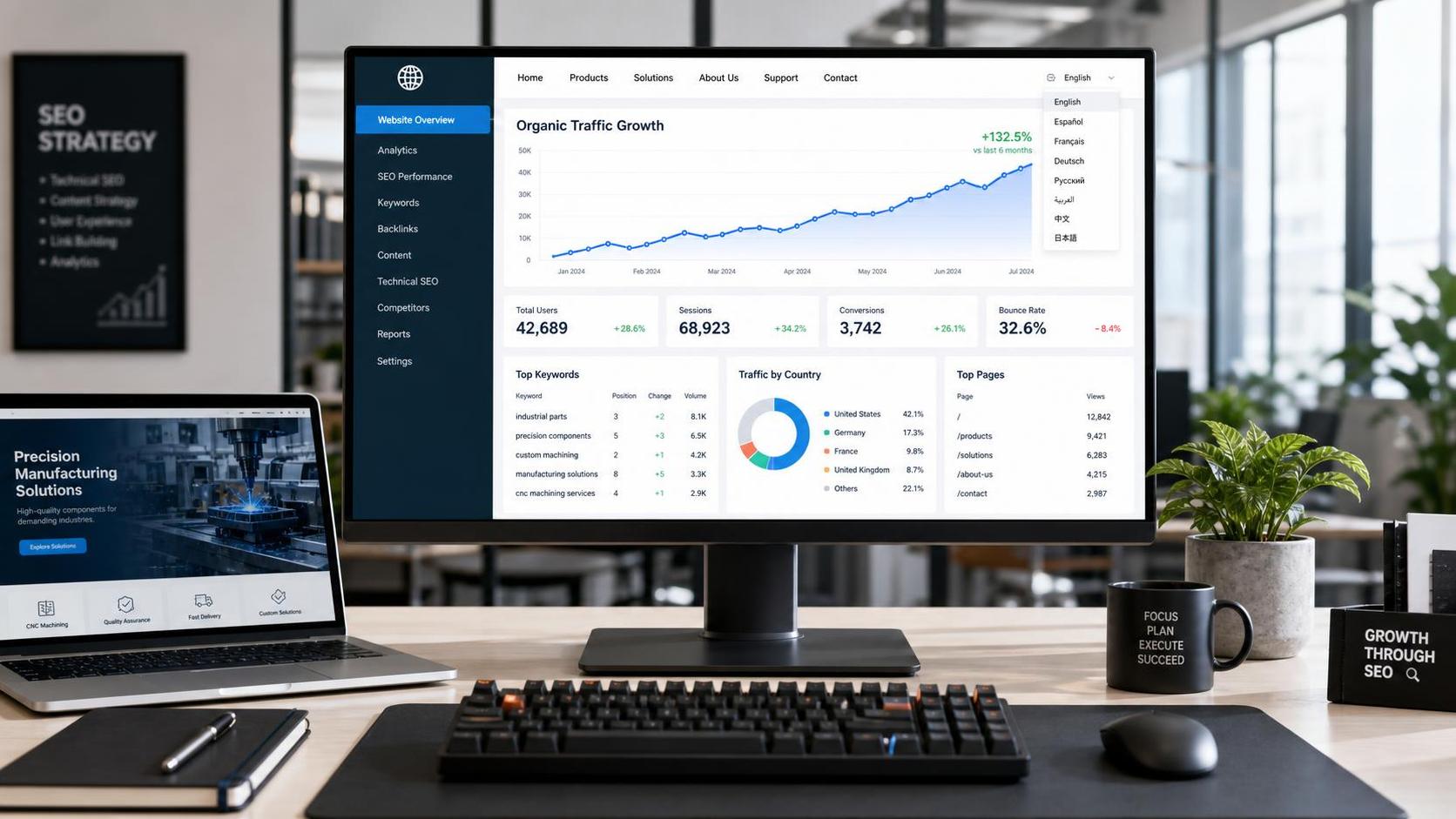
Core Web Vitals focus on loading, interactivity, and visual stability in real user experiences. Companies should prioritize controlling above-the-fold resource size, image formats, third-party scripts, caching strategies, and layout shifts, rather than relying solely on laboratory speed test results to assess page quality.
JavaScript can enhance interactivity, but key product information, headings, links, and form instructions should not rely entirely on client-side dynamic generation. During technical SEO implementation, the final content visible to search engines should be verified, while filter parameters, duplicate paths, and invalid pagination should be prevented from consuming crawl resources.
III. Main Categories and Inspection Scope of Technical SEO
The first category is crawlability and index control, including robots rules, sitemaps, redirects, 404 pages, canonical tags, and indexing directives. Its core task is to ensure that pages with commercial value enter the index while preventing low-value duplicate pages from diluting the website's topical relevance.
The second category is performance and experience optimization, including responsive layouts, server response, image compression, lazy loading of resources, caching, and security protocols. Mobile-first access is already a common usage scenario, and pages must keep product information, navigation, and inquiry entry points available across different network environments.
The third category is semantic and entity representation, including heading hierarchy, breadcrumbs, product attributes, FAQs, and structured data. Structured data should accurately correspond to visible page content. It can help search engines identify relationships among organizations, products, articles, and navigation, but it cannot replace factual materials and professional content.
IV. Application Scenarios and Industry Requirements for Multilingual Websites
Manufacturing factories, OEM/ODM companies, industrial product suppliers, and cross-border brands often need to cover English as well as regional market languages at the same time. Multilingual technical SEO should establish stable URLs for each language, corresponding hreflang annotations, and language switching that directs users to semantically equivalent pages.
For product pages targeting different countries, names should not be translated mechanically alone. Specifications, applications, delivery capabilities, compliance statements, units of measurement, and contact information should be verified according to procurement scenarios. Bulk pages lacking content support can easily become duplicate or thin pages, affecting overall indexing efficiency.
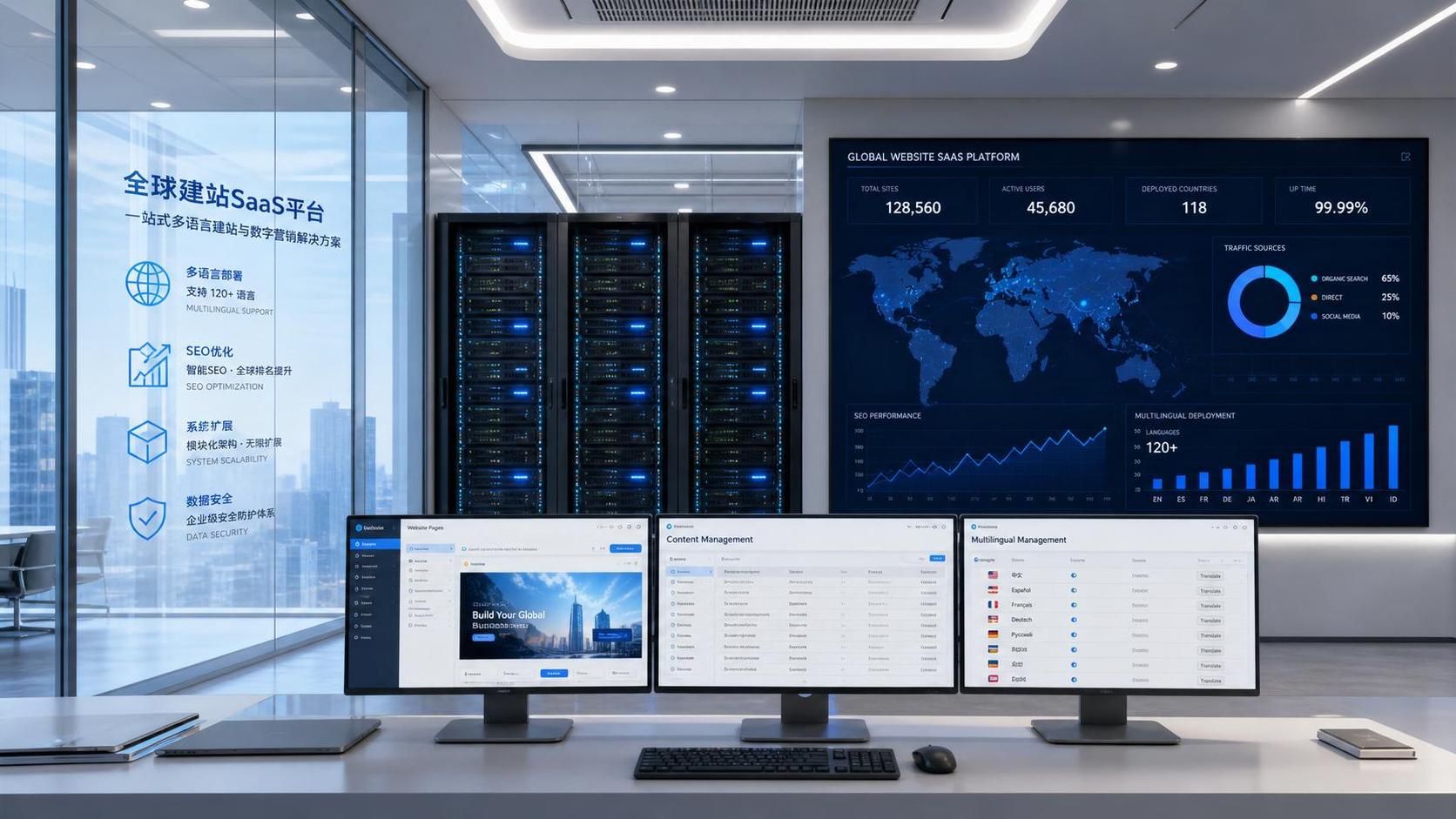
Yiyingbao provides AI-powered website building, multilingual path configuration, AI-assisted translation, and foundational international SEO capabilities, making it suitable for companies expanding overseas that wish to manage websites and content centrally. Its global node acceleration capability can serve as a foundational configuration for overseas access experience, while specific results should still be evaluated through testing in target markets.
V. Technical Solution Selection and Implementation Process
When purchasing website building or technical SEO services, companies should first clarify their business objectives: obtaining B2B inquiries, receiving advertising traffic, building a brand content library, or operating a cross-border online store. Different objectives affect the design of product catalog hierarchy, filtering functions, form fields, payment processes, and tracking events.
During selection, companies should check whether the platform supports responsive pages, editable metadata, canonical configuration, redirect management, sitemaps, structured data, multilingual mapping, and permission management. They should also confirm whether page revisions, product expansion, and integration of third-party analytics tools will depend on long-term development schedules.
Implementation can be divided into six steps: audit, information architecture, template development, content migration, pre-launch validation, and post-launch monitoring. Before launch, indexing directives, form notifications, language links, mobile display, and core conversion pages should be checked; after launch, submit the sitemap and continuously monitor crawling and inquiry data.
VI. Maintenance Cycles, Data Monitoring, and Future Trends
Technical SEO is not a one-time project. Standard websites can be checked monthly for index coverage, broken links, speed issues, server logs, and form availability. Large product websites or frequently updated websites should recheck key rules immediately after bulk publishing, redesigns, migrations, and adjustments to advertising landing pages.
Organic traffic generally requires the combined accumulation of content and technical infrastructure. The first one to three months are more suitable for improving page architecture and content foundations; from four to six months, optimization can be carried out in conjunction with backlink quality and page performance; thereafter, topical authority, conversion quality, and changes in search demand need continuous validation.
In the future, AI search summaries, conversational retrieval, and multimodal content will increase the importance of clear information structure. Companies should build verifiable product parameters, application Q&As, case evidence, and entity information. Yiyingbao's GEO operational approach can be used to supplement AI readability development, but accurate content and accessible pages must remain the prerequisite.
VII. Total Cost of Ownership and Return on Investment Assessment
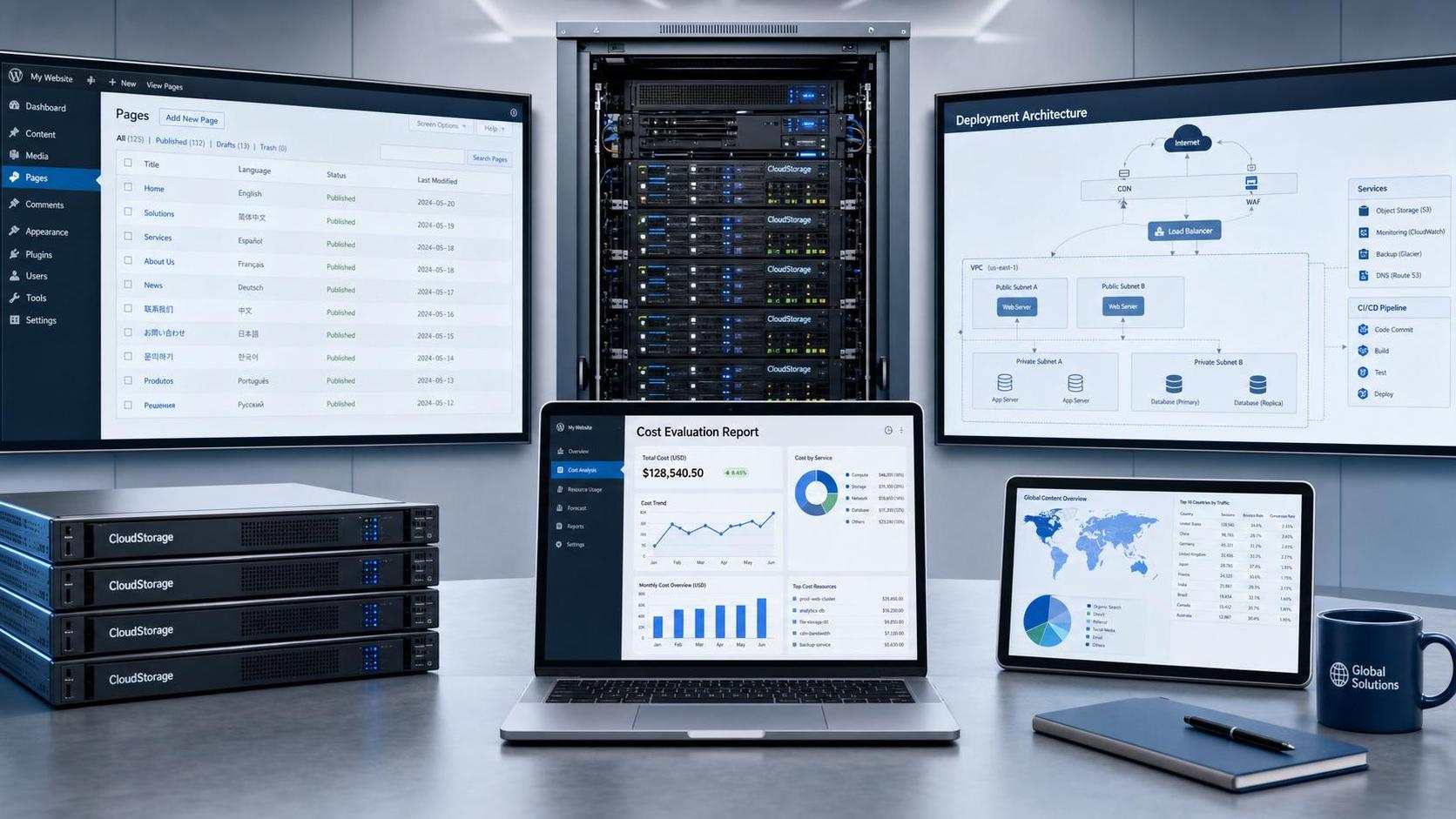
The total cost of ownership for technical SEO includes domain names and servers, CDN and security certificates, website building and migration, content organization, multilingual maintenance, development modifications, tool subscriptions, and ongoing operational staffing. The lowest-priced solution is not necessarily the lowest-cost solution, as inability to scale or repeated redesigns later can often increase actual expenses.
ROI assessment should not focus only on keyword rankings. Buyers can track the number of effectively indexed pages, organic visits from target countries, form completion rates, qualified inquiry rates, sales follow-up cycles, and contribution to closed deals. Data can also be segmented by product line, language version, and channel to identify investments that genuinely generate business opportunities.
For companies lacking technical and overseas marketing teams, Yiyingbao integrates website building, SEO, advertising, social media, and website operations, which can reduce coordination costs across multiple suppliers. It has served industries including laser engraving machines, steel, chemicals, machinery, and new energy. Companies should still clarify data ownership, delivery boundaries, acceptance criteria, and phased review mechanisms before cooperation.
 The normal SEO results for a foreign trade independent website take a long time to appearWhat is the normal time for SEO results on a foreign trade independent website? This article starts from scenarios such as new sites, old sites, and multilingual sites, explains the common result cycle of 3 to 6 months, and breaks down key metrics such as indexing, rankings, and inquiry volume to help you determine whether SEO is on the right growth track.
 What Determines the Cost of SEO for German-Language International Trade WebsitesWhat Determines the Cost of SEO for German-Language International Trade Websites? This article breaks down the cost structure of SEO for German-language international trade websites based on the target market, keyword competition, website foundation, content volume, and service depth, helping businesses evaluate their budgets and customer acquisition investments more accurately.
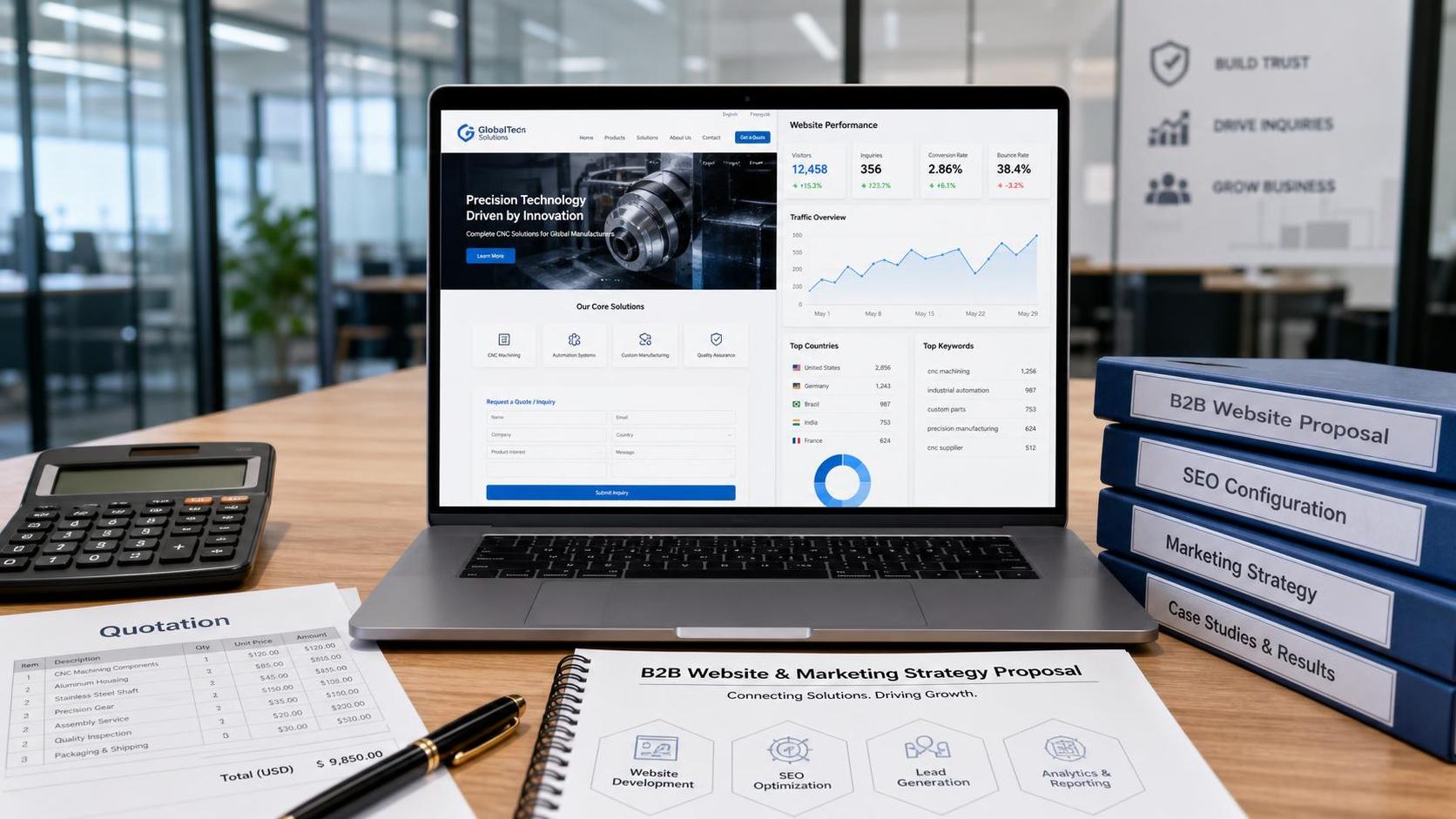
 Where Do External Trade B2B Website Development Quotes Differ Significantly?Why is there such a wide gap in external trade B2B website development quotes? The key differences lie not only in the number of pages, but also in multilingual capabilities, SEO foundations, data tracking, and ongoing promotion capabilities. Understand the quote structure, avoid low-price traps, and choose a website solution that can consistently generate leads.
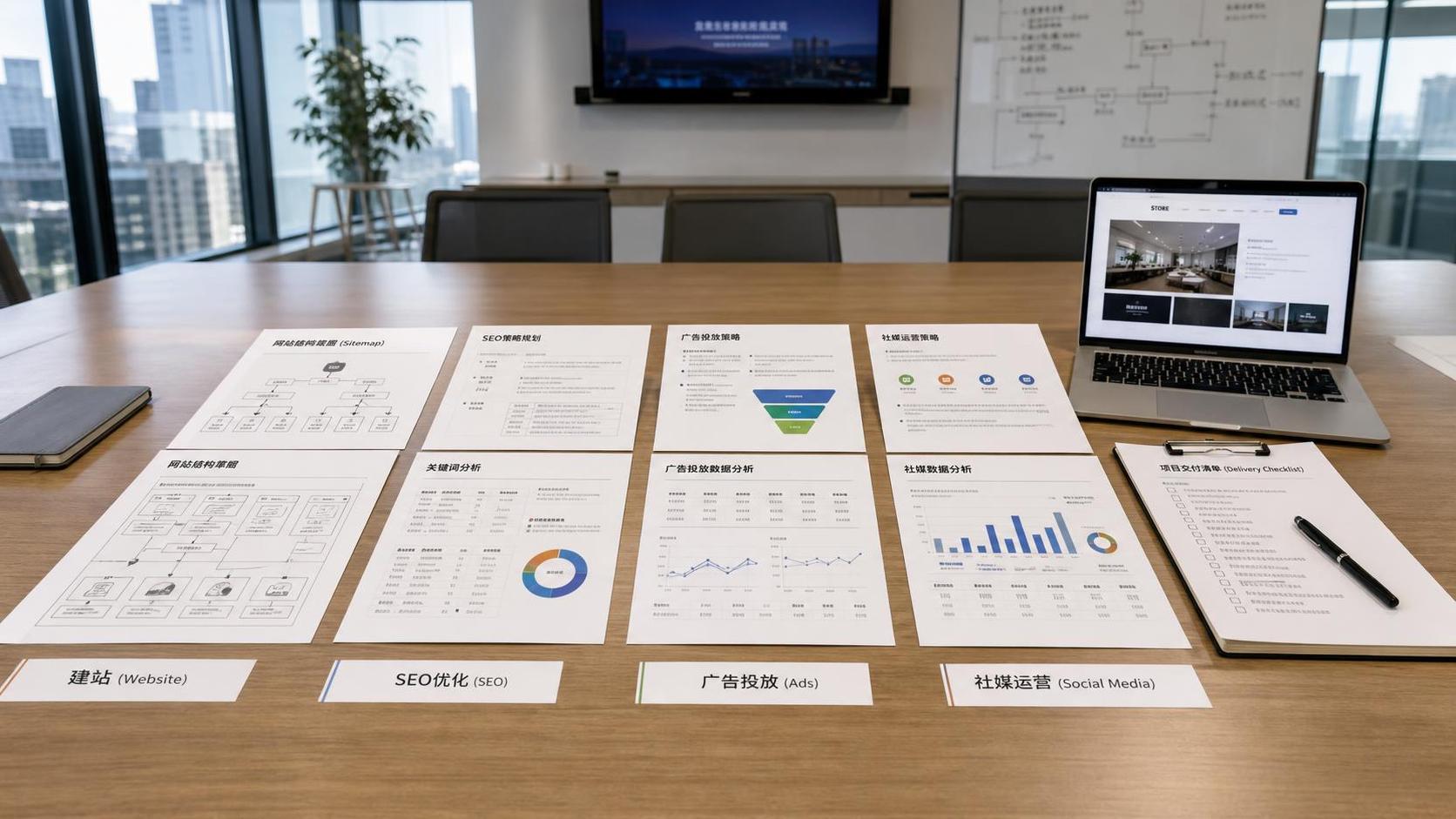
 How to Choose a Digital Marketing Service Provider? Start by Reviewing the Scope of DeliveryHow to choose a digital marketing service provider? Don’t compare prices first; review the scope of delivery first. This article breaks down differences in scope, responsibilities, and performance metrics across website development, SEO, advertising, social media, and data acceptance, helping you select a truly suitable integrated service provider more efficiently.
 Which Crawling Issues Should B2B Technical SEO Fix First?Which crawling issues should B2B technical SEO fix first? This article focuses on high-priority issues such as 404 errors, duplicate pages, parameter pages, redirect chains, and robots settings, helping international trade and multilingual websites improve indexing efficiency, authority transfer, and inquiry conversions. Click to learn more.
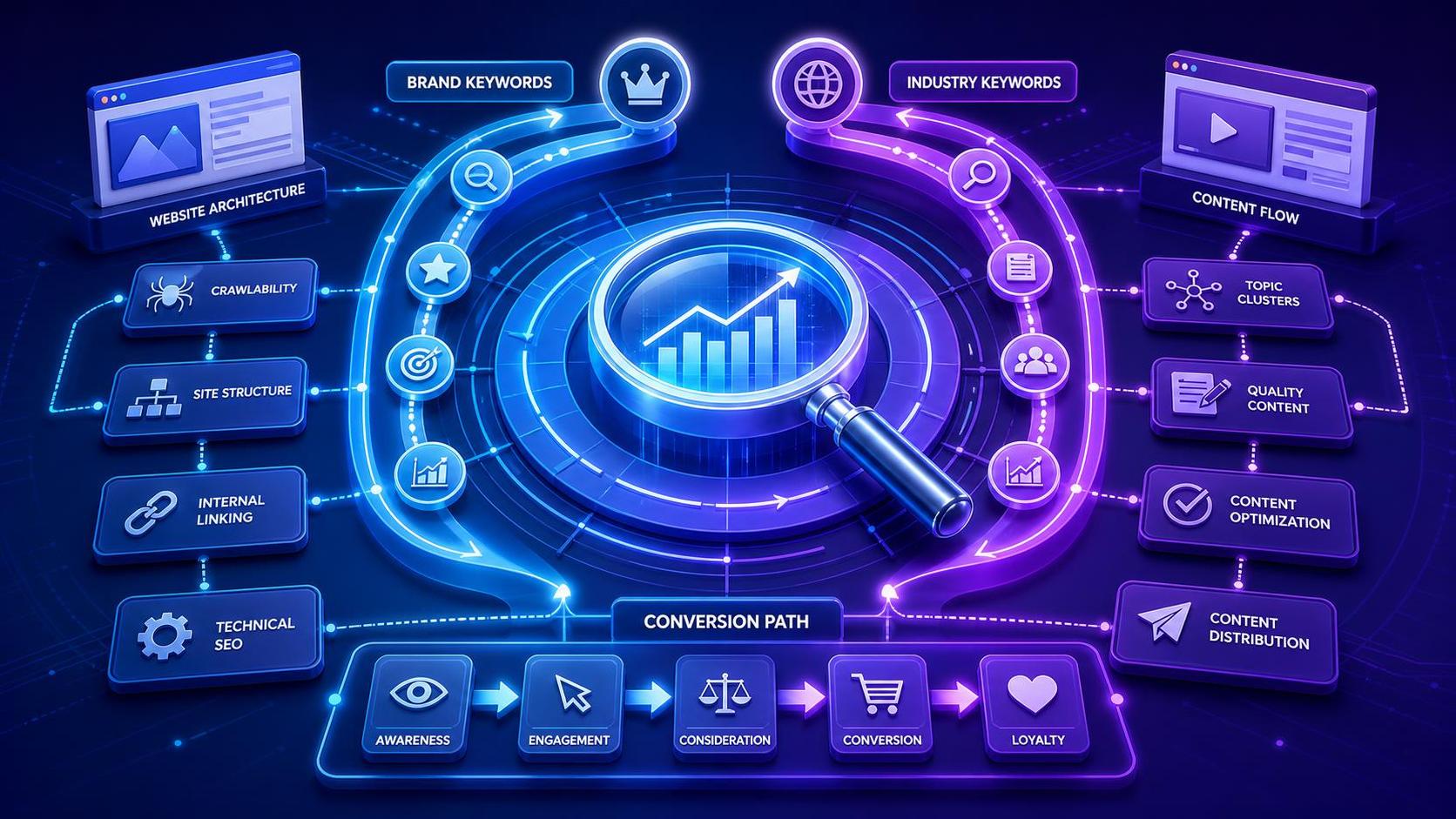
 Should you target branded keywords or industry keywords first when improving search engine rankings?Which should you target first for search engine rankings: branded keywords or industry keywords? Based on practical experience in integrated website and marketing services, this article analyzes priority strategies, implementation processes, and common pitfalls for businesses at different stages, helping you improve indexing, inquiries, and conversion efficiency.
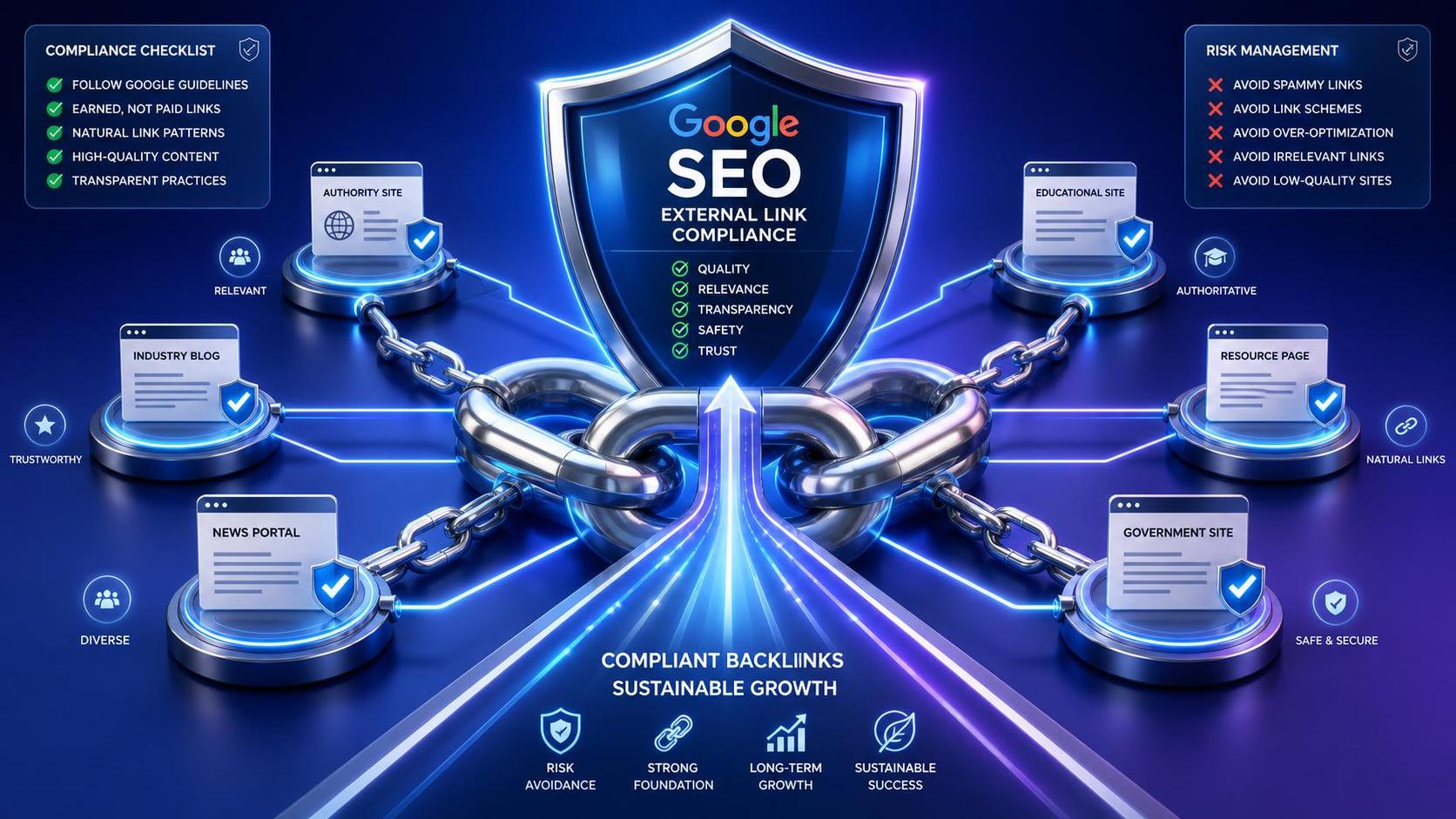
 How can you avoid penalties when building backlinks for Google SEO?How can you avoid penalties when building backlinks for Google SEO? This article focuses on the risks businesses care most about, including risk identification, anchor text control, link quality evaluation, and service provider selection. It explains how to improve rankings and reduce the risk of penalties using compliant white-hat strategies, while achieving more stable growth in overseas inquiries.
 Is Link Building Still Useful for an Overseas B2B Standalone Website?Is link building still useful for an overseas B2B standalone website? Of course it is, but the focus is no longer on accumulating links. Instead, relevance, authority, and coordination across the entire website’s marketing efforts are what matter. This article helps you understand effective link-building strategies, common mistakes, and practical methods for improving rankings and generating inquiries.