









Liu Meixiang
(Dali Bai Autonomous Prefecture Nationalities Middle School, Dali, Yunnan 671000)
Abstract: This paper explores the construction of internal control systems in public institutions and their importance for sustainable development. Internal control systems not only safeguard the security and integrity of state-owned assets but also enhance financial management levels and service quality while promoting clean governance. Currently, public institutions still face numerous issues in their internal control systems, including an imperfect internal environment, inadequate risk assessment mechanisms, weak execution of control activities, poor information and communication, insufficient internal supervision, and a lack of systematicity and coordination in the internal control framework. To address these issues, this paper proposes a series of sustainable development strategies, including optimizing the internal environment, improving risk assessment mechanisms, strengthening control activities, enhancing information and communication, perfecting internal supervision, and increasing the systematicity and coordination of the internal control system. Additionally, this paper presents corresponding safeguard measures, such as strengthening organizational leadership, conducting publicity and training, improving institutional development, advancing information technology, enhancing supervision and inspection, and establishing cross-departmental coordination and communication mechanisms. Through these measures, a more comprehensive and effective internal control system can be established to promote the long-term stable development of public institutions.
Keywords: public institutions; internal control; sustainable development
Related News
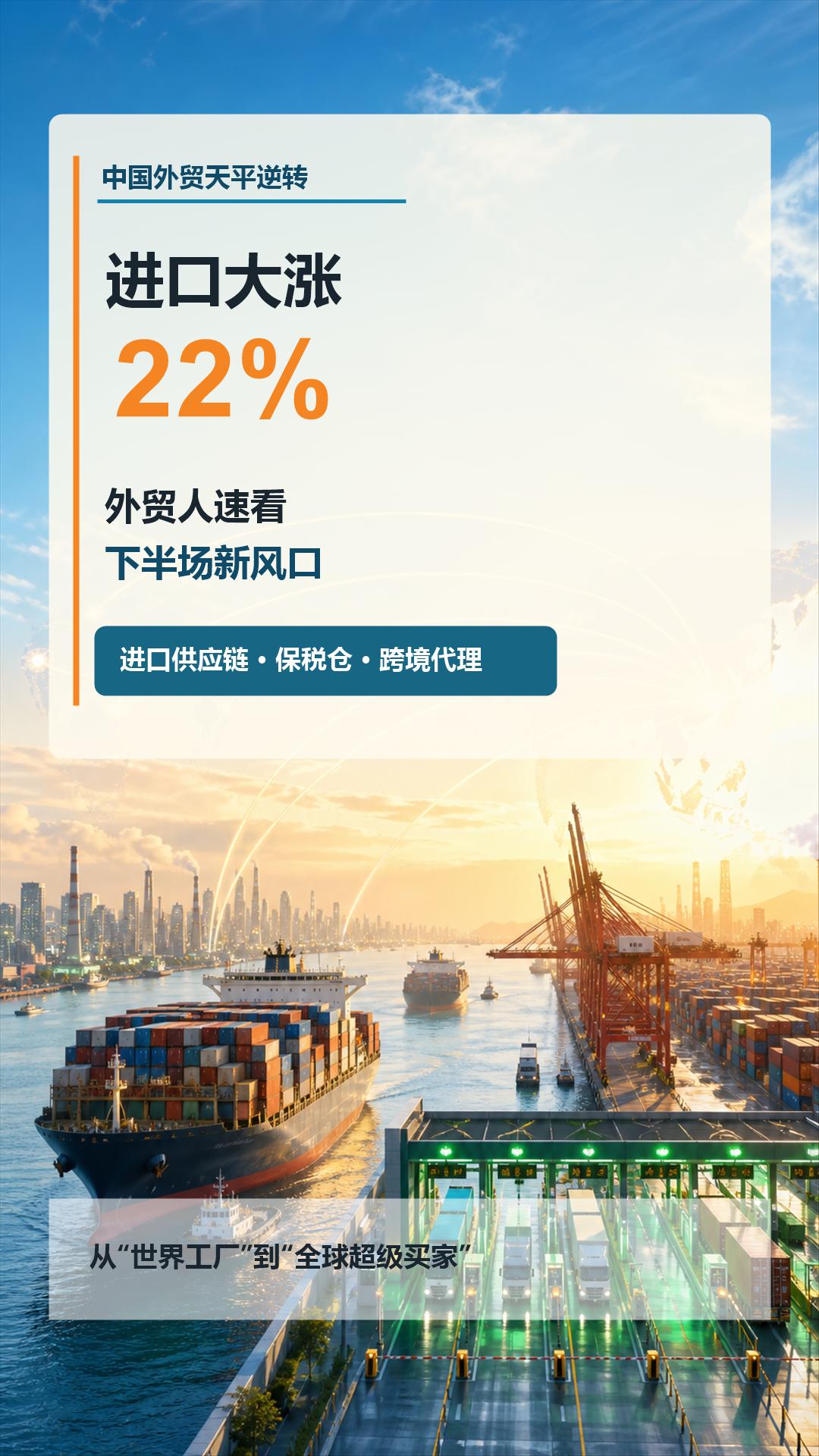
 China's foreign trade sees a turnaround: imports surge by 22%! Foreign trade professionals should quickly take note of the new trends in the second half of the year
 Japan Launches AI Website Building Trust Mark Pilot ProgramJapan Launches AI Website Building Trust Mark Pilot Program, with Chinese B2B independent sites targeting Japanese buyers to be reviewed under JIS X 8350. Focus on cross-border B2B websites, foreign trade customer acquisition, and compliance services, and quickly understand audit priorities, procurement opportunities, and how enterprises should respond.
 Rising Red Sea shipping rates to Europe and dynamic updates to standalone website quotationsRising Red Sea shipping rates to Europe and dynamic updates to standalone website quotations. This article analyzes the impact of longer shipping cycles and freight rate increases on website and marketing service integrated companies, and provides guidance on standalone website freight rate displays, delivery reminders, and quotation optimization recommendations.
 Saudi SASO New Regulations: Arabic Customer Service for Independent SitesSaudi SASO new regulations implemented. Arabic customer service for independent sites becomes a compliance focus. Starting in 2026, Arabic real-time customer service and 72-hour human responses may affect whitelist, customs clearance, and payment integration. Enterprises should promptly review the localization service capabilities of their independent sites.



Online Inquiry
