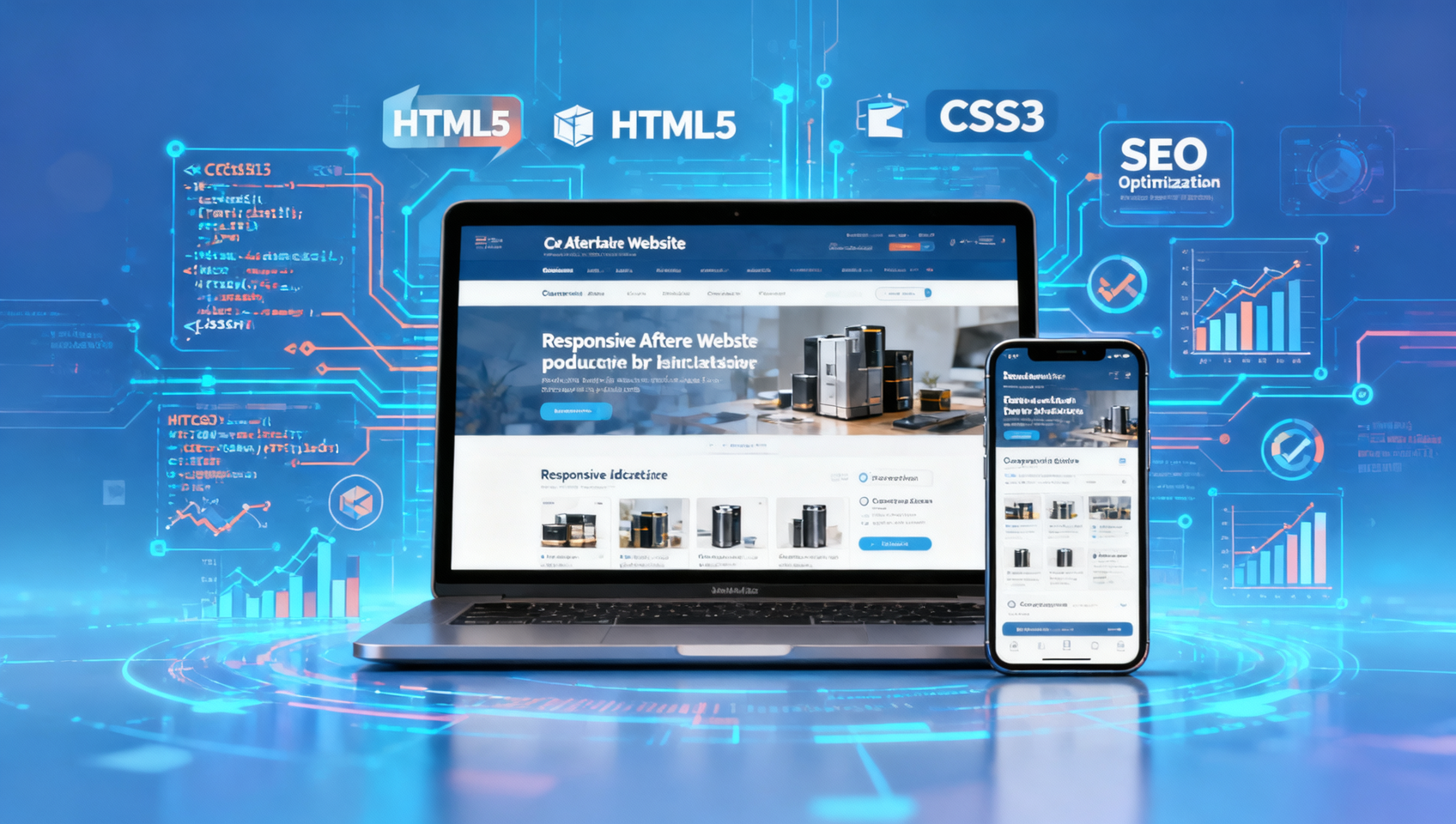

Core Definition of Responsive Foreign Trade Websites
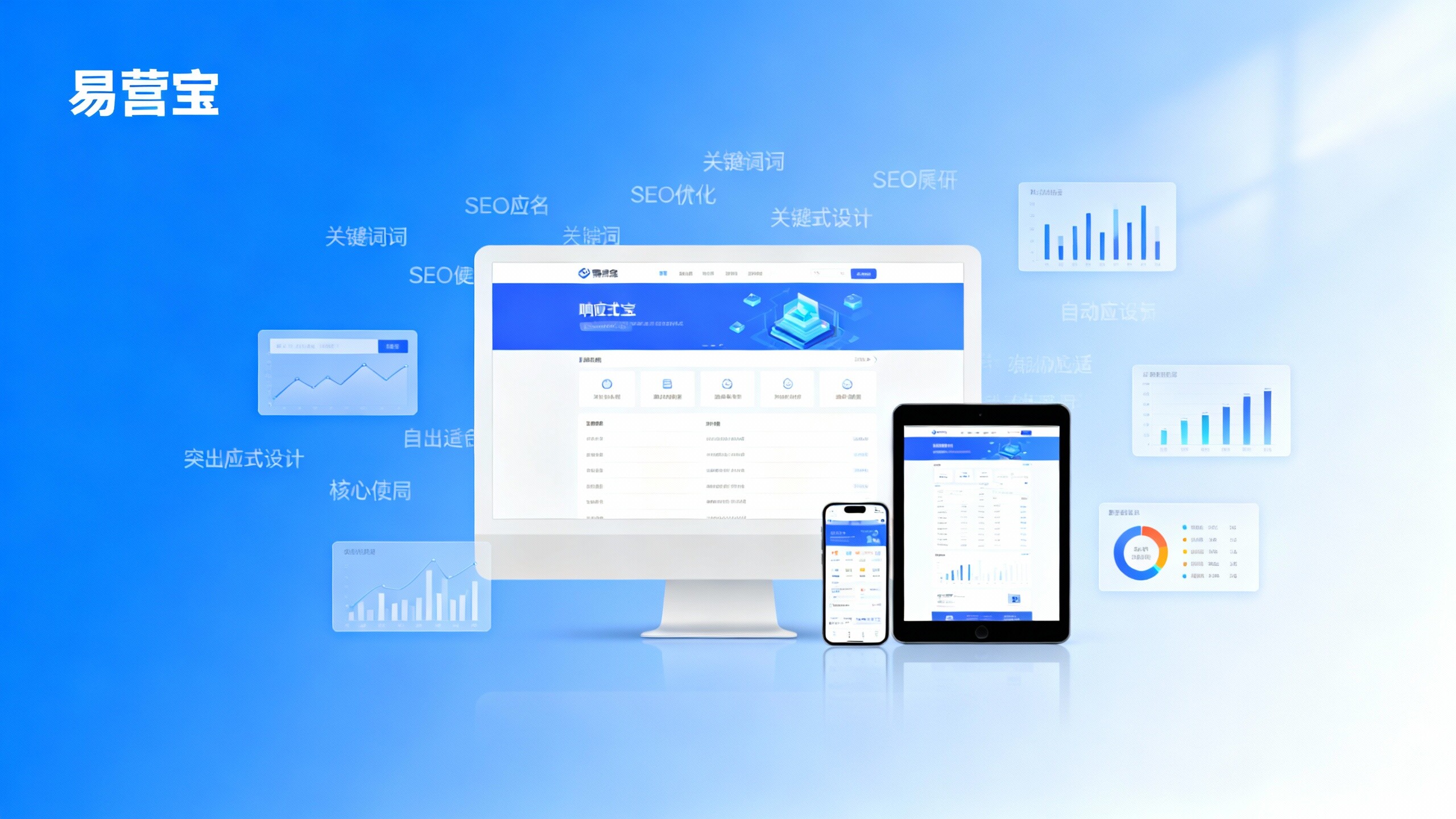
Responsive foreign trade website development refers to a website construction approach that utilizes HTML5+CSS3 media query technology, enabling a single codebase to automatically adapt to different terminal devices (PC, tablet, mobile) with varying screen sizes. According to Google's mobile-first indexing standards, responsive design has become a mandatory technical requirement for corporate foreign trade websites.
Easypower's intelligent website engine employs the Bootstrap 5 framework to build responsive grid systems, combined with viewport meta tag control, ensuring that clients like Haier Group maintain complete UI component integrity and functional usability across all global devices.
Technical Architecture and Performance Optimization
True responsive design must achieve three technical benchmarks: Fluid Grid layouts, Flexible Images, and Media Queries. Easypower implements WebP image compression, global CDN acceleration, and HTTP/3 protocol deployment, controlling LCP metrics for Shandong Airlines' multilingual website within 1.2 seconds.
Core performance optimization solutions include: on-demand loading of critical above-the-fold CSS, deferred loading of non-core JS, and DNS prefetching. Testing shows that Chongqing Automotive Group's English site using this solution reduced bounce rates by 37% on Brazilian mobile devices.
SEO Technical Adaptation Points
The SEO advantage of responsive websites lies in avoiding content duplication issues, but requires special attention: mobile DOM element loading sequence must match PC endpoints, prohibit user-agent sniffing redirects, and ensure structured data markup remains parseable across all terminals.
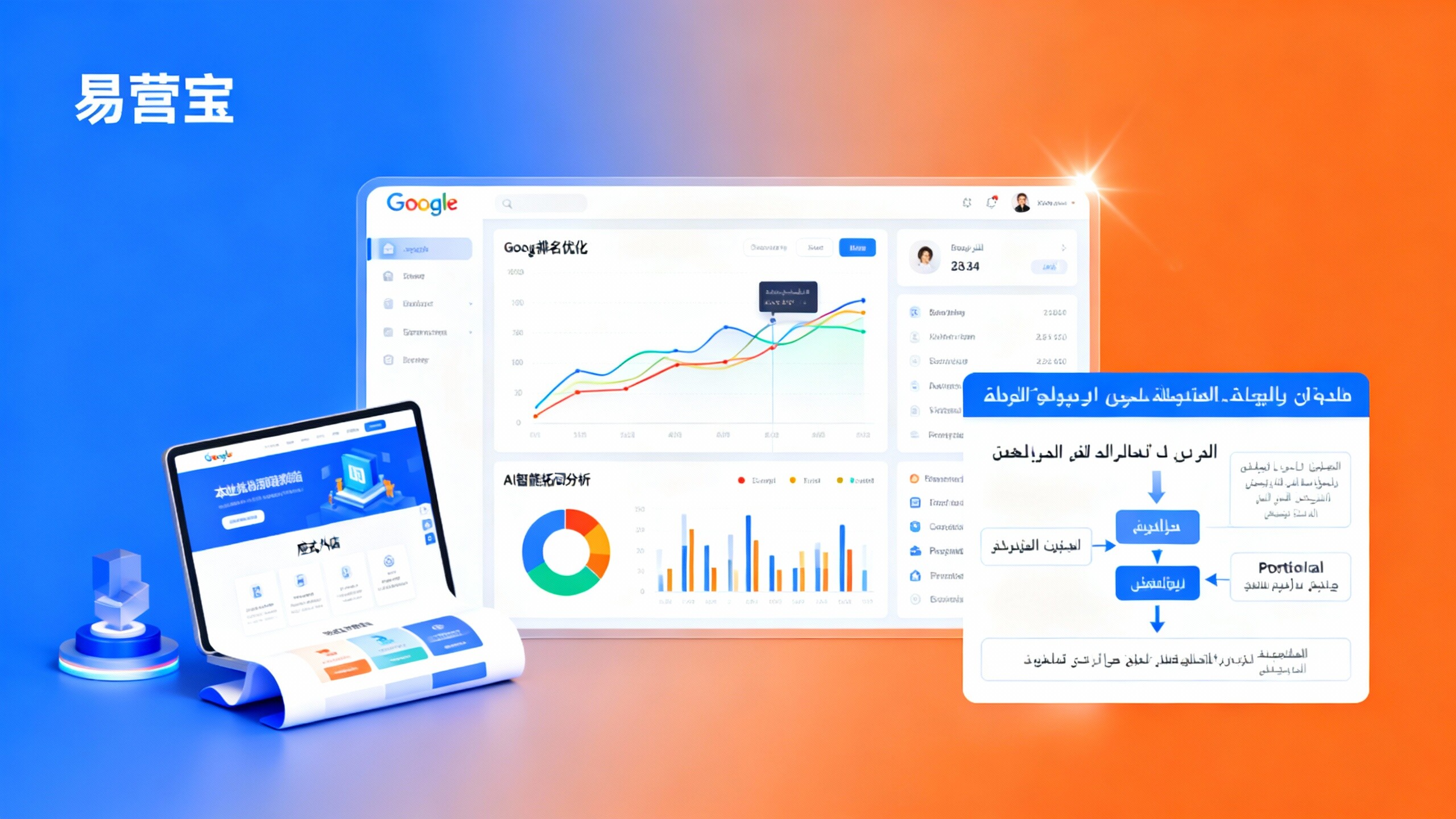
Easypower's AI content engine automatically generates Schema.org-compliant microdata, combined with adaptive breadcrumb navigation and AMP accelerated pages, enabling Duck Group's Russian site to achieve top-3 Google rankings for target keywords within three months.

Industry Application Scenario Analysis
The machinery manufacturing industry requires responsive 3D product model displays, while chemical enterprises need cross-terminal downloadable MSDS documents. Easypower's customized solution for laser engraving equipment manufacturers implements fluid 3D model rotation on mobile devices via WebGL technology.
For multilingual requirements in new energy industries, the system supports automatic right-to-left (RTL) adaptation for Arabic layouts. The Solar Power Station Dubai project consequently achieved 15% traffic growth from local search engines.
Cost-Benefit Evaluation Model
Total Cost of Ownership (TCO) for responsive websites should account for three-year development/maintenance cycles. Traditional custom development costs approximately ¥20,000-50,000 per revision, while Easypower's SaaS platform reduces technical investment by 60% with annual subscriptions, including automated SEO audits as value-added services.
Practical data from AUX Air Conditioners shows 28% higher mobile conversion rates post-responsive redesign, with annual savings of ¥170,000 in standalone mobile development costs, shortening ROI cycles to 8 months.
Future Technology Evolution Directions
By 2025, component-level responsive design based on CSS Container Queries will become mainstream, breaking traditional viewport adaptation limitations. Easypower V6.0's pre-researched AI-driven dynamic layout system can automatically adjust rendering strategies based on device performance.
With WebAssembly maturation, future foreign trade websites may run CAD drawing previews directly on mobile devices, demanding more granular code segmentation capabilities from responsive architectures.
 How can Portuguese independent website construction help expand the South American market? See ROI improvement strategies from case studiesPortuguese independent website construction helps brands go global, integrating Arabic website development, responsive foreign trade website construction, and Google ranking optimization. Empowered by Yi Ying Bao AI for multilingual website construction, it achieves Yandex SEO optimization and ROI dual improvement, creating an efficient AI B2B platform for the South American market.
 Common pitfalls in B2B trade website development: How to make the right decision between platform development and independent site construction?How to strategize B2B trade website development? From Arabic website development to Portuguese independent site construction, EasyStore empowers multilingual website development and AI B2B platform integration, achieving responsive foreign trade website construction with Google ranking optimization and Yandex SEO dual traffic attraction, assisting brand globalization and comprehensively enhancing international marketing competitiveness.
 How to Reduce Costs and Ensure Delivery Timelines for Arabic Website Development in 2024 for Foreign Trade?Arabic Website Development Helps Foreign Trade Enterprises Efficiently Expand in the Middle East Market, Integrating AI Website Building, Yandex SEO Optimization, Responsive Foreign Trade Website Construction, and Google Ranking Optimization to Achieve Multilingual Website Development and Support Brand Globalization, Reducing Costs and Speeding Up the Creation of a Smart B2B Growth Engine.
 AI B2B Platform Trend Report: The Integration Path of Foreign Trade Website Construction and Intelligent Marketing in 2024AI B2B Platform Trend Report focuses on responsive foreign trade website construction and intelligent marketing integration, covering Arabic website development, Portuguese independent station construction, Yandex SEO optimization, Google ranking optimization, and multilingual website construction to assist brands in going global, helping enterprises efficiently achieve global layout.
 Responsive Foreign Trade Website Construction Practical Guide: From UI Design to SEO Optimization Full Process AnalysisResponsive Foreign Trade Website Construction Practical Guide, focusing on Arabic website development, Yandex SEO optimization recommendations, Google ranking optimization, and multilingual website construction to assist brands in going global. Leveraging AI B2B platforms, EasyStore creates Portuguese independent station construction and Arabic website design full-process solutions, helping foreign trade enterprises enhance global exposure and conversion.
 Multilingual website construction helps brands go global: How to achieve stable traffic through Google ranking optimization?Multilingual website construction assists brands in expanding overseas, integrating Arabic website development, Portuguese independent site construction with AI intelligent promotion, creating responsive foreign trade websites. Focusing on Google ranking optimization and Yandex SEO optimization as the core, enhancing AI B2B platform exposure and global traffic, achieving efficient growth for trade and foreign trade website construction.
 Which Yandex SEO optimization service is better? Key criteria for cross-border enterprises choosing Russian market SEO servicesWhich Yandex SEO optimization service is better? E-Commerce Treasure leverages AI algorithms and multilingual website solutions to help cross-border brands expand globally, covering Google ranking optimization, responsive foreign trade website development, and Arabic website construction to boost Yandex exposure and global growth.
 Google Ranking Optimization Case Study: How Can SMEs Achieve Ranking Breakthroughs with Limited Budgets?Google Ranking Optimization Case Study Reveals How SMEs Leverage Arabic Website Development, Yandex SEO Optimization, Responsive Foreign Trade Website Construction, and AI B2B Platforms to Achieve Multilingual Website Development and Brand Export Breakthroughs Under Budget Constraints, Comprehensively Enhancing Search Exposure and Conversion.